4-Night Mini Cruise from Liverpool to Paris: Itinerary and Travel Tips
Introduction and Article Outline: Why This Short Cruise Appeals
A 4-night mini cruise from Liverpool to Paris is a smart option for travelers who want a short escape without the hassle of airports, baggage rules, and multiple hotel check-ins. You board in the heart of Liverpool, settle into your cabin, and let the ship do the heavy lifting while you drift toward France. The journey is brief, but it still delivers the rhythm of a real cruise and the thrill of a city break. For couples, friends, and first-time cruisers, it offers a practical way to test the water.
The idea is simple, and that is part of the charm. Instead of treating transport as a chore, the ship becomes part of the holiday. You unpack once, enjoy meals and entertainment on board, and wake up closer to your destination. For many travelers in northern England, Liverpool is an especially convenient departure point because the cruise terminal sits near the city center and has straightforward rail and road access. Compared with flying from a major airport, a cruise departure can feel calmer, less rushed, and more sociable.
It is also important to understand what “to Paris” usually means in cruise terms. Most mini cruises marketed this way do not sail directly into central Paris. Instead, they normally dock at a French port such as Le Havre, with passengers continuing to Paris by organized coach excursion or, less commonly, by independent rail arrangements. That distinction matters because it shapes your expectations. You are not booking four nights in Paris. You are booking a short cruise with a Paris highlight, which can still be excellent if you approach it with the right mindset.
This article is structured to help you do exactly that. The outline below shows how the guide is organized:
-
How the itinerary usually works, from embarkation in Liverpool to disembarkation.
-
What a typical Paris shore day looks like, including travel times and pacing.
-
How to compare cruise-organized excursions with independent plans.
-
Budgeting, cabin choices, packing, and practical travel tips.
-
Who this trip suits best, and how it compares with other short-break options.
Think of this kind of trip as a compact sampler plate. You get sea views, a few nights of onboard comfort, and a quick but memorable taste of France. It will not replace a full Paris holiday, yet that is not really the point. Its strength lies in giving you variety in a very short window. If you want a break that mixes convenience, movement, and a little romance without demanding a full week off work, this route has genuine appeal.
Typical 4-Night Itinerary: What Each Day Often Looks Like
A 4-night mini cruise from Liverpool to Paris usually follows a straightforward pattern, although the exact timings vary by cruise line, tide conditions, and port scheduling. In most cases, day one begins with embarkation in Liverpool. Guests typically arrive between late morning and mid-afternoon, complete check-in, pass security, and step on board with enough time to explore before sailaway. Liverpool’s waterfront adds a cinematic touch to departure. As the ship eases away from the Mersey, the trip shifts from planning mode to holiday mode, and that change is one of cruising’s quiet pleasures.
The first evening is usually about settling in. You may have a safety drill, dinner in the main restaurant or buffet, and an introduction to the ship’s entertainment. On a mini cruise, that first night matters more than people expect. Because the trip is short, it helps to learn the layout quickly, book any extras early, and decide how you want to spend your sea time. If you leave all of that until later, later may never really arrive.
Day two is often a sea day, or a partial sea day, depending on the route. This is when travelers start to understand whether they enjoy cruising itself or simply the destination at the end. A well-run ship offers enough to fill the hours comfortably:
-
Breakfast with open sea views
-
Talks, quizzes, or live music in lounges
-
Spa sessions, gym time, or a swim if facilities are available
-
Afternoon tea, reading, and deck walks
-
Evening shows, bars, and late-night snacks
Day three is usually the key event: the French port call linked to Paris. For sailings using Le Havre, Paris is roughly 200 kilometers or about 125 miles away. In practical terms, that often means around 2.5 to 3 hours each way by coach, depending on traffic. Some itineraries may offer alternatives like Normandy sightseeing instead, which can be a wiser choice for travelers who dislike long bus transfers. Still, Paris remains the headline attraction, and many guests gladly accept the travel time for the chance to see landmarks such as the Eiffel Tower, the Louvre exterior, Notre-Dame’s surroundings, or the Seine.
Day four may be another sea day, giving everyone time to unwind after the excursion. This is often the most relaxed part of the trip. People have figured out where to sit, what to order, and how fast or slow they want the shipboard experience to be. Day five is disembarkation back in Liverpool, usually in the morning. It arrives quickly, which is both the strength and weakness of a mini cruise. You never get bored, but you may step off wishing the voyage had been just one night longer.
Paris on a Cruise Stop: Managing Expectations, Excursions, and Time Ashore
The biggest planning mistake on this route is assuming that a cruise advertised as going to Paris works like docking beside the Seine and strolling straight into the city. In reality, cruise access to Paris usually involves a port stop plus onward land transport. That does not make the experience disappointing, but it does make it different from a dedicated city holiday. A smart traveler sees the Paris day as a curated sample rather than a deep dive. Once you accept that, the excursion becomes easier to enjoy.
If your ship calls at Le Havre, the journey to central Paris can take a significant part of the day. On a long port call, you may still get several hours in the capital, but it will feel structured. Cruise-organized excursions usually prioritize reliability over spontaneity. You might have a panoramic coach tour, a photo stop near a major monument, some free time in a central district, and a scheduled return to the ship. This format can sound rigid, yet it solves the biggest problem on cruise shore days: timing. When you book through the cruise line, the ship is generally responsible for the excursion schedule, so you are not left anxiously watching the clock from a distant train platform.
Independent travel can work, but only for organized travelers who are comfortable with contingency planning. Before attempting it, consider the trade-offs:
-
Pros: more flexibility, possibly more personalized sightseeing, and the ability to focus on neighborhoods you care about most.
-
Cons: transport coordination, language barriers, rail or taxi disruptions, and the full risk of being late back to port.
For first-time visitors, a cruise-organized Paris excursion is often the more sensible option. It may not be glamorous, but it is efficient. You can let someone else handle route planning while you focus on the city itself. If you have already visited Paris several times, however, you might prefer staying closer to the port or choosing a Normandy-based alternative. Le Havre, Honfleur, and nearby towns offer architecture, maritime history, and easier pacing. In some cases, that can be more rewarding than spending six hours on a coach for a brief look at Paris.
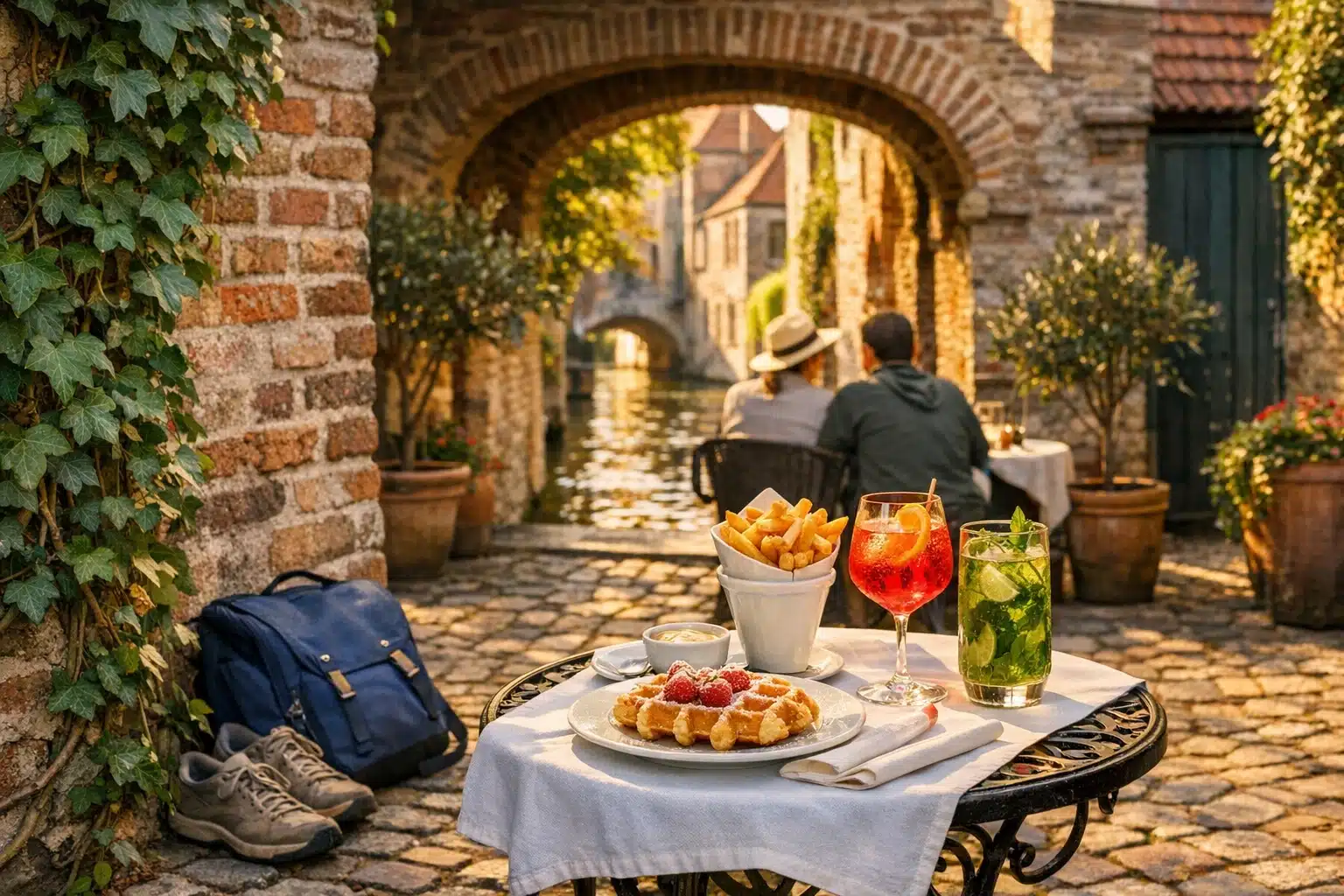
To make the most of the Paris day, choose two priorities rather than trying to mentally tick off ten landmarks. Maybe it is a Seine view and a café stop. Maybe it is a photo of the Eiffel Tower and a walk through a grand boulevard. The city rewards attention, not speed, even when you only have a few hours. Paris has a way of making brief encounters feel oddly complete. A river glinting under a pale sky, a bakery window, the rush of scooters past Haussmann facades, and suddenly the day has texture. On a mini cruise, that texture matters more than coverage.
Planning the Trip Well: Budget, Cabins, Packing, and Onboard Strategy
Because mini cruises are often marketed at attractive lead-in prices, travelers sometimes assume the whole trip will be cheap. Sometimes it is, but not automatically. The base fare may cover your cabin, main meals, and standard entertainment, yet the final cost can rise once you add drinks, specialty dining, Wi-Fi, gratuities, parking, and shore excursions. Paris transfers in particular can be a notable extra because of distance and logistics. When comparing the cruise with a flight-and-hotel city break, always work from the full expected spend, not the headline fare.
A simple way to budget is to divide costs into three layers. First comes the fixed booking cost: fare, travel insurance, and any pre-paid extras. Second comes the journey cost: getting to Liverpool, parking, rail tickets, or a hotel stay the night before if you want a stress-free embarkation. Third comes discretionary spending on board and ashore. If you map those out early, there are fewer surprises later.
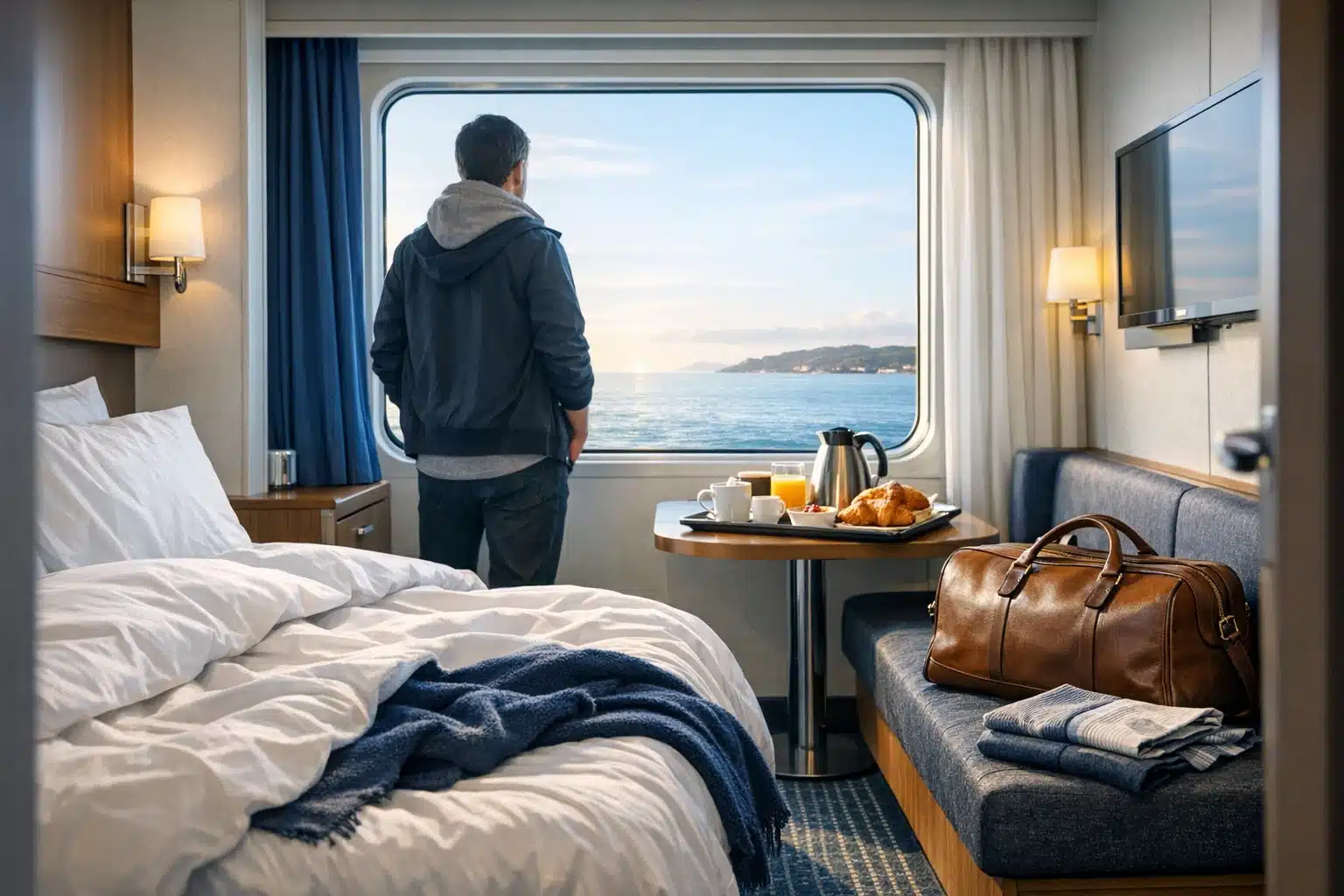
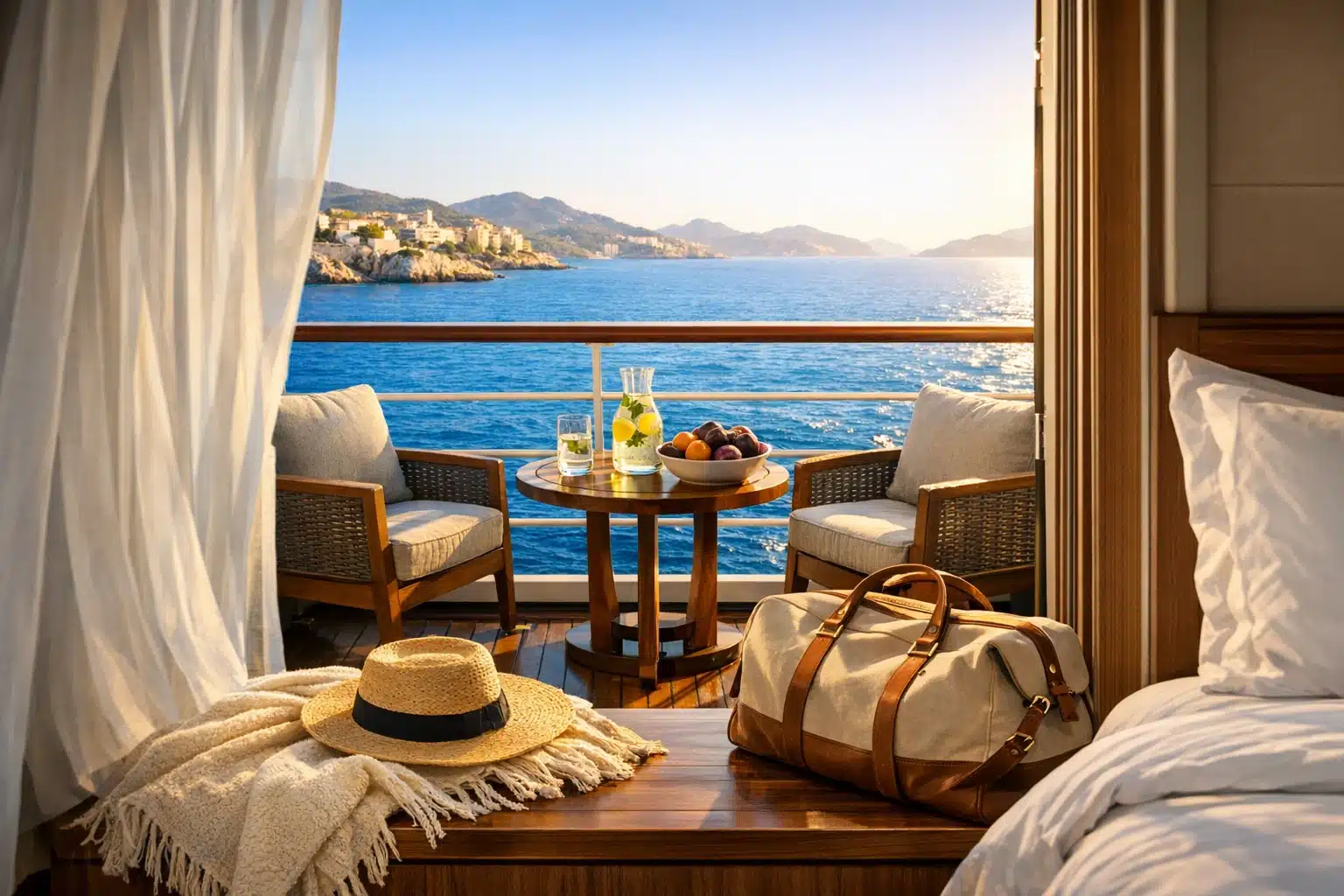
Cabin choice matters on a short sailing more than some people expect. A four-night cruise is not long, but it is long enough for comfort to affect the overall mood. An inside cabin is usually the cheapest and can be good value if you mainly treat it as a place to sleep. An ocean-view cabin gives you natural light, which many guests appreciate on sea days. A balcony can be lovely, especially when sailing in and out of port, but on a mini cruise it is sometimes a luxury rather than a necessity. If the price jump is steep, your money may be better spent on the Paris excursion or a more convenient travel arrangement.
Packing should reflect the trip’s short length and layered weather. Northern European conditions can shift quickly, especially on deck and during shoulder seasons. A practical packing list often includes:
-
Comfortable walking shoes for long coach and city days
-
A light waterproof jacket
-
A small day bag for the excursion
-
Travel documents, medication, and chargers in hand luggage
-
One slightly smarter outfit for dinner or evening entertainment
Do not forget the basics that save time on board: keep swimwear accessible if the ship has leisure facilities, bring a portable battery for the Paris day, and check passport validity well before departure. Rules can change, so it is wise to verify documentation requirements directly with the cruise line and relevant authorities rather than relying on old forum posts.
Finally, use the first afternoon strategically. Book dining or spa slots, study the daily program, and confirm excursion meeting points. A mini cruise moves quickly, and a little early organization frees you to actually enjoy it. The best short cruises feel effortless, but that ease usually comes from good preparation rather than luck.
Is a Liverpool to Paris Mini Cruise Worth It? Final Advice for the Right Traveler
For the right traveler, this kind of mini cruise offers very good value, not only in money but in experience density. In less than a week, you can enjoy Liverpool’s embarkation atmosphere, several nights of shipboard comfort, a change of country, and at least a taste of Paris. That combination is hard to replicate with the same simplicity by other means. A flight might get you to France faster, but it also brings airport transfers, queues, stricter luggage routines, and the need to manage every detail yourself. A traditional city break gives more depth in Paris, but less variety. A longer cruise gives more ports, but requires more time and budget. The mini cruise sits in a useful middle ground.
It is especially well suited to a few groups. First-time cruisers often use it as a low-commitment test of whether they enjoy life at sea. Couples like it because the format naturally creates a shared rhythm: breakfast on deck, a little entertainment, a landmark-filled day ashore, and quiet evenings watching the coastline fade. Friends or multigenerational families may appreciate that there is enough structure to keep things easy, but enough flexibility for everyone to do their own thing on board.
It may be less ideal for travelers whose main dream is to explore Paris deeply. If your priority is museums, neighborhoods, food markets, and unhurried evenings in the city, a dedicated stay in Paris will almost certainly be the better choice. The same goes for travelers who dislike coach transfers or feel frustrated by tightly timed excursions. The cruise experience asks you to embrace limits as part of the design.
Before booking, ask yourself a few honest questions:
-
Do I want a cruise with a Paris highlight, or do I really want Paris itself?
-
Am I comfortable with a short but structured itinerary?
-
Will I enjoy sea days, dining, and onboard entertainment?
-
Do I prefer convenience over total independence?
If your answers lean toward convenience, novelty, and variety, this route can be a very satisfying escape. It is the travel equivalent of opening a window rather than a door: not a complete immersion, but enough to change the air. For busy professionals, curious first-time cruisers, and anyone wanting a short European break without complex planning, a 4-night mini cruise from Liverpool to Paris is a compelling option. Go with realistic expectations, plan the practical details early, and you are far more likely to come home thinking not that the trip was too short, but that it was surprisingly complete for four nights.