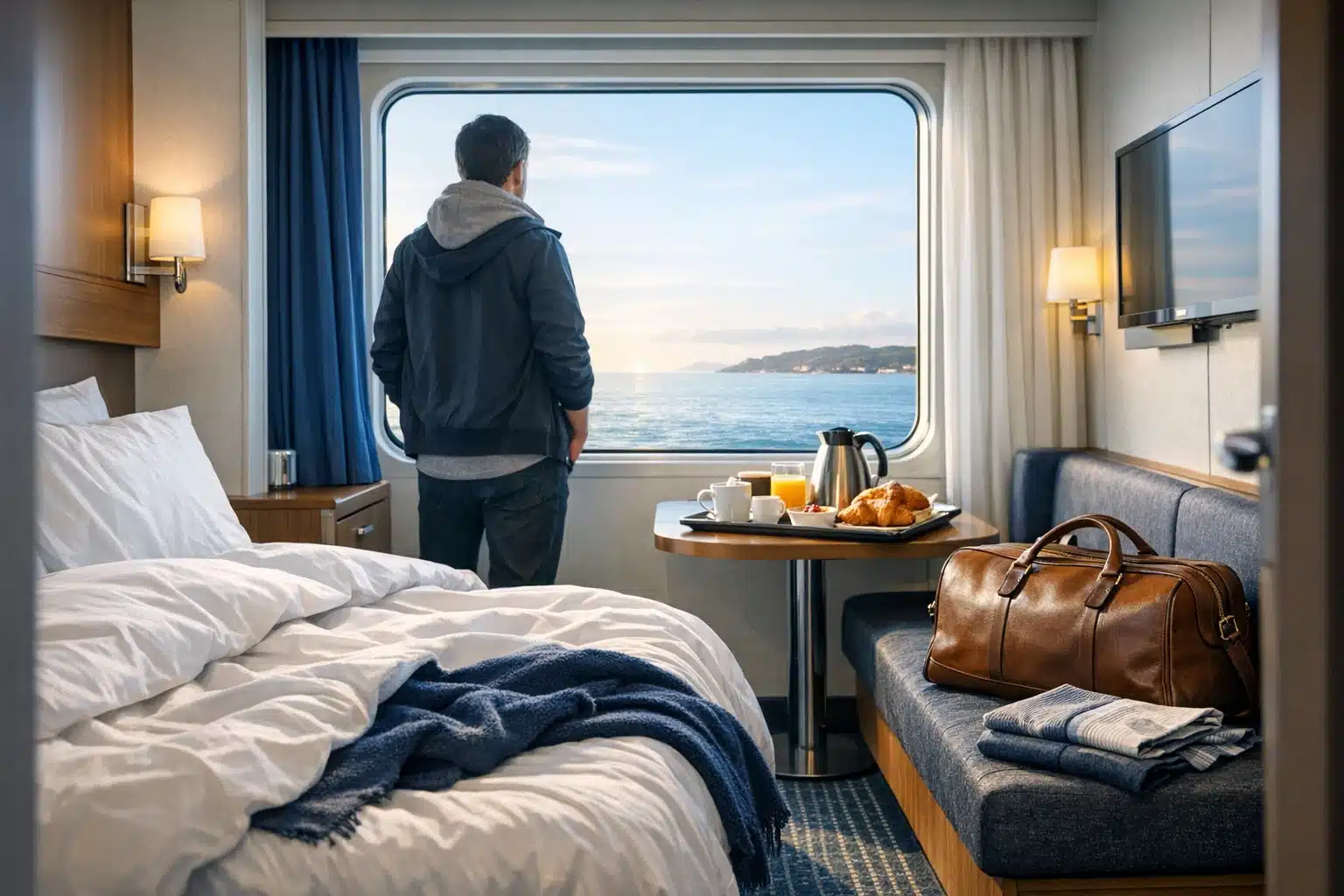
 Artificially generated image
 Night Mini Cruise from Liverpool
A night mini cruise from Liverpool offers something many short breaks struggle to deliver: real movement, a change of scene, and the simple pleasure of waking up somewhere that feels new. It suits travelers who want more atmosphere than a late train and less planning than a full holiday. From the city’s historic waterfront to the calm routine of boarding, the trip blends maritime heritage with practical convenience. That mix makes it relevant for weekend planners, first-time cruisers, and anyone curious about seeing travel itself become part of the fun.
Article Outline
- What a night mini cruise from Liverpool is and why it stands out from other short breaks
- What to expect onboard, from cabins and dining to evening atmosphere and comfort
- How to plan the trip well, including budgeting, booking, packing, and travel logistics
- How to make the most of the destination, especially on common overnight Irish Sea routes
- Who the trip suits best, what limitations to consider, and how to decide if it is right for you
What Makes a Night Mini Cruise from Liverpool Different?
A night mini cruise from Liverpool sits in a useful middle ground between a full cruise holiday and a standard overnight trip. It is short enough to fit around work, family routines, or a spontaneous weekend plan, yet it still gives travelers a real sense of departure. That matters more than it may seem. Many short breaks feel like logistics first and leisure second: train times, airport queues, hotel check-ins, and the small fatigue that comes from moving quickly through crowded terminals. A mini cruise changes that rhythm. You board in the evening, settle in, watch the city lights soften along the Mersey, and let the journey unfold at sea while you sleep.
Liverpool is especially suited to this kind of travel because the city already carries a strong maritime identity. Even before boarding, the setting adds context. The waterfront, the docks, and the broader story of Liverpool as a historic port make departure feel connected to place rather than anonymous. For travelers who enjoy atmosphere, that is a quiet advantage. A night sailing from Liverpool does not begin in a sterile waiting area; it begins in a city shaped by ships, trade, migration, and music. There is a satisfying continuity between destination travel and local heritage.
In practical terms, a night mini cruise often combines transport and accommodation in one booking. That is one of its most appealing features. Instead of paying separately for a late journey and a hotel, you may travel overnight in a cabin and arrive ready to start the day. On some routes, especially across the Irish Sea, overnight crossings commonly take around 7 to 8 hours depending on schedule and vessel. Compared with flying, the actual time savings of air travel can narrow once airport transfers, security checks, and waiting periods are included. Compared with driving long distance, the cruise can feel far less tiring.
There is also a psychological difference. A mini cruise turns transit into part of the leisure experience. The ship is not just a means to an end; it is an environment with its own pace, dining options, sea views, and evening mood. That does not mean it replicates a large ocean cruise. The scale is usually more modest, and the focus is simpler. Still, for many travelers, that simplicity is exactly the appeal. You are not committing to a week-long itinerary or dozens of formal activities. You are choosing one evening, one crossing, and one compact adventure that feels refreshingly manageable.
For people who value memorable yet realistic travel, that balance is hard to beat. It works especially well for:
- couples wanting a short romantic break with minimal planning
- friends looking for a social weekend that starts as soon as they board
- solo travelers who enjoy structured, low-stress transport
- first-time ferry passengers curious about overnight sailings
Onboard Experience: Cabins, Dining, and the Evening Atmosphere
The onboard experience is where a night mini cruise either becomes charming or disappointingly misunderstood, so expectations matter. Most travelers should think of it as a comfortable overnight sea crossing with leisure elements, not as a floating resort packed with nonstop entertainment. That distinction helps. If you board expecting a giant cruise liner, you may feel underwhelmed. If you board expecting a practical journey made warmer by food, views, and a cabin of your own, the experience can feel wonderfully calm.
After check-in and boarding, passengers usually begin by finding their cabin or seat area, dropping bags, and exploring the ship. Cabins vary, but common categories include simple inside cabins, sea-view cabins, and on some vessels, upgraded options with more space or quieter positioning. An inside cabin is often the budget-friendly choice and works well for travelers who mainly want privacy and sleep. A sea-view cabin adds atmosphere, especially at dawn, when the horizon slowly brightens and the crossing feels a little more cinematic. That first look through the window can be one of the most memorable parts of the whole trip.
Dining is typically straightforward rather than elaborate, but that can still be part of the pleasure. Depending on the vessel, travelers may find:
- a casual restaurant or self-service dining area
- a bar or lounge for drinks, coffee, or light snacks
- small onboard shops for essentials or travel treats
- public seating areas with windows looking out over the water
The evening atmosphere often carries a relaxed, slightly in-between feeling that many people enjoy. Some passengers head to dinner soon after boarding, some find a seat with a drink, and others wander out on deck for a few minutes of sea air before the wind persuades them back inside. There is a soft drama to night sailings: the port receding, the dark water beyond the lights, the low mechanical hum of the ship, and the sense that everyone has agreed to pause ordinary routines for a while. It is travel at a gentler volume.
Comfort depends partly on preparation. Light sleepers may want earplugs, travelers prone to motion sickness should consider remedies in advance, and anyone sensitive to cabin temperature may prefer layered clothing. Seas are often manageable, but weather conditions in the Irish Sea can vary. The reassuring point is that modern ferry travel is highly structured, and most passengers settle into the crossing without issue.
Compared with a hotel stay, the onboard night is more compact and functional. Compared with air travel, however, it usually feels less rushed and more spacious. You can move around, stretch, eat, and look out at the sea rather than counting down to landing. For many people, that alone makes the mini cruise feel less like transport and more like a proper beginning to the trip.
Planning the Trip: Booking, Budget, Packing, and Practical Details
Good planning makes a noticeable difference on a night mini cruise from Liverpool because the trip is short, and short trips reward efficiency. A missed detail on a long holiday can sometimes be absorbed into the schedule. On a mini cruise, small mistakes feel bigger because the timetable is tighter. The smart approach is to think in layers: booking strategy, total cost, travel documents, luggage, and arrival logistics.
Booking early usually improves choice rather than guaranteeing the absolute lowest price. Popular sailings, especially around school holidays, bank holiday weekends, and seasonal events, tend to fill faster in the more affordable cabin categories. Midweek departures can sometimes offer better value and a quieter onboard atmosphere than peak weekend sailings. If you are flexible, compare several dates rather than focusing on one specific evening. That can reveal where price and convenience meet.
Budgeting should go beyond the headline fare. Travelers often look at the base price and forget the extras that shape the real cost. A more realistic checklist includes:
- cabin type or sleeping arrangement
- meals booked in advance or purchased onboard
- parking at the port or public transport to the terminal
- destination transport, such as buses, taxis, or rail tickets
- any attraction entry fees planned for the day ashore
Even when extras are added, a mini cruise can compare well with a short flight plus hotel, especially when you value the overnight travel component. Another practical advantage is luggage. Ferry passengers often find baggage rules less stressful than budget airline rules, though allowances and procedures still vary by operator. That means you can pack more naturally: a coat, spare shoes, toiletries, and a day bag without turning each item into a negotiation with a measuring frame.
Documents are also important. Routes to Ireland or other international destinations may require valid identification, and the exact requirements can change depending on nationality, route, and operator policy. Checking official guidance before travel is essential. Do not assume that a casual domestic-style boarding process means documents are optional.
For packing, think compact but not minimalist to the point of inconvenience. Useful items include:
- a small overnight bag rather than multiple loose items
- charger and power bank
- motion-sickness tablets if you are unsure how you handle sea travel
- layers, because decks can be windy and indoor areas vary in temperature
- comfortable shoes for both boarding and time ashore
Finally, plan the port transfer just as carefully as the cruise itself. Know when check-in closes, how long it takes to reach the terminal, and whether you are arriving by car, taxi, or train. Liverpool is well connected, but urban traffic and station transfers can still eat into your margin. A mini cruise feels effortless when the preparation is solid. That calm does not happen by chance; it comes from respecting the practical side before the fun begins.
Making the Most of the Destination: Time Ashore, Route Expectations, and Smart Itinerary Choices
For many travelers, the most familiar version of a night mini cruise from Liverpool is an overnight crossing connected to Dublin, although exact routes, timings, and package styles depend on operator schedules. The key point is that this kind of trip is not designed to deliver exhaustive sightseeing. It is designed to offer a concentrated taste of another place while keeping travel compact. Once you understand that, planning the day ashore becomes much easier.
Dublin works well for mini-cruise travelers because it offers a strong mix of accessibility and atmosphere. You can focus on architecture, museums, pubs, food, literary history, shopping, or simply the pleasure of walking through a city with a distinct personality. Because time is limited, the smartest strategy is usually to choose one of three styles rather than trying to do everything:
- a landmark-focused day with major sights and a few pre-booked stops
- a neighborhood-based day built around walking, cafés, and local character
- a themed day such as history, live music, or food and drink
A landmark-focused plan may include a small number of headline attractions, but it should remain realistic. A neighborhood-based plan is often more rewarding on short visits because it removes the pressure of chasing a checklist. You can wander central streets, pause for coffee, browse shops, and absorb the city rather than racing through it. Themed plans work well for repeat visitors or travelers with one strong interest.
It also helps to compare the mini-cruise format with other short-break options. A same-day flight can technically give you more waking hours in the destination, but it often demands an earlier start, stricter baggage discipline, and more fragmented travel on both ends. A city hotel break gives you deeper immersion, yet it costs more and requires additional time away. The mini cruise offers a compromise: not maximal destination time, but a fuller travel experience overall.
One of the easiest mistakes is overscheduling. If you arrive after a night crossing and immediately begin an ambitious timetable, fatigue can flatten the day. Leave breathing room. Build in pauses. A mini cruise works best when the itinerary has shape without becoming rigid. Think of it as a sampler rather than a conquest.
Simple habits improve the day ashore:
- confirm local transport options before arrival
- save offline maps and terminal directions
- keep an eye on return boarding times
- carry weather-appropriate clothing for changeable conditions
- choose one meal stop you genuinely look forward to
When handled well, the destination does not feel rushed; it feels distilled. You step off the ship with a full day ahead, a clear plan in mind, and the pleasant knowledge that the voyage itself is part of the story, not just the space between two points on a map.
Who Should Book a Night Mini Cruise from Liverpool?
A night mini cruise from Liverpool is not for every traveler, and that honesty is useful. It suits people who enjoy the idea of travel as an experience in itself. If your main goal is to maximize hours on land, collect numerous attractions in one day, or move with complete schedule independence, another format may suit you better. But if you like compact escapes, maritime atmosphere, and the feeling of a proper departure without committing to a long holiday, this type of trip can be an excellent fit.
Couples often get the most immediate value from it because the structure already feels occasion-like. Boarding together in the evening, sharing dinner, stepping out onto deck lights behind you and open water ahead, then waking near a different coast the next morning has a built-in sense of occasion that many hotel stays simply do not create. Friends also tend to enjoy it, especially when the goal is a social yet manageable break. The ship provides a setting, the crossing provides momentum, and the destination gives the trip its daytime purpose.
Solo travelers can benefit too. A mini cruise offers clear logistics, defined timing, and a contained environment that feels less overwhelming than some complex city itineraries. It can be a comfortable way to travel alone without feeling isolated. Older travelers may appreciate the slower pace compared with airports, although anyone with mobility considerations should check cabin access, terminal layout, and onboard facilities in advance. Families can enjoy the trip as well, but expectations matter. It tends to work best with children who are comfortable with travel transitions and overnight routines rather than very young children who may find late boarding disruptive.
It may be less suitable for:
- travelers who are highly sensitive to motion at sea
- people seeking luxury-cruise levels of entertainment and facilities
- visitors who want long, unstructured time in the destination
- business travelers on strict, inflexible schedules
Common mistakes are surprisingly avoidable. People sometimes underpack warm clothing, arrive too late for relaxed boarding, or book a very tight destination schedule that leaves no room for delays or rest. Others overlook the mood of the trip and treat it like a basic transfer, which means they miss the deck views, the quiet lounge time, and the chance to let the journey slow them down. A night mini cruise rewards participation. You do not need to turn it into a grand event, but you do need to meet it halfway.
In the end, this kind of break is best for travelers who want proportion: enough novelty to feel away, enough structure to stay comfortable, and enough atmosphere to remember. It is a short trip, yes, but not a small one in character. For the right person, it offers exactly the kind of escape modern travel often forgets to make room for.
Conclusion for Short-Break Travelers
If you are based in the UK and want a getaway that feels distinct without becoming complicated, a night mini cruise from Liverpool deserves serious consideration. It works particularly well for readers who value ease, character, and a strong sense of journey over sheer speed. You trade some destination hours for a more rounded travel experience, one that begins the moment you board rather than after you arrive. For couples, friends, and curious solo travelers, that exchange can be more than worthwhile. With realistic expectations, sensible planning, and a light but thoughtful itinerary, a Liverpool night mini cruise can turn a simple overnight crossing into a memorable and refreshingly practical escape.