4-Night Mini Cruise From Newcastle to Hamburg: Itinerary and Travel Tips
A 4-night mini cruise from Newcastle to Hamburg offers a rare mix of convenience, sea travel, and city discovery in less than a week. It suits travellers who want a European break without airport queues, long transfers, or complicated logistics. In a handful of days, you can watch the North Sea change by the hour, enjoy life on board, and step into one of Germany’s most important port cities. For first-time cruisers, couples, and curious weekend planners, this short sailing can feel both practical and memorable.
Outline: This article first explains why the Newcastle to Hamburg mini cruise has become such an appealing short-break option. It then walks through a typical day-by-day itinerary, looks at what you can expect on board, and explores how to make the most of limited time in Hamburg. The final section brings together travel tips on documents, budgeting, packing, and planning, with a clear conclusion for the kinds of travellers most likely to enjoy this route.
1. Why a 4-Night Mini Cruise From Newcastle to Hamburg Appeals to So Many Travellers
A mini cruise is often best understood as a short, self-contained holiday rather than a simple method of getting from one port to another. That distinction matters. When travellers book a 4-night sailing from Newcastle to Hamburg, they are usually looking for a compact escape that combines transport, accommodation, entertainment, and sightseeing in one package. The journey commonly departs from the Port of Tyne area near Newcastle, making it especially convenient for people in North East England, Scotland, and parts of Yorkshire who prefer not to start a holiday with a long journey to a major airport.
One of the biggest reasons this route remains relevant is ease. A flight-based city break can be quick in the air yet demanding on the ground. Travellers often deal with baggage limits, airport transfers, security queues, and tight check-in schedules. A cruise does not remove planning altogether, but it changes the rhythm of the trip. Once you are on board, much of the practical work is done. Your cabin stays the same, meals are close by, and there is no need to repack for each stage of the journey. For people who value a slower start, that can be a major advantage.
There is also the emotional appeal of the crossing itself. Leaving the Tyne behind, seeing the shoreline fade, and settling into the steady routine of a ship can feel unexpectedly cinematic. Even travellers who usually choose planes often discover that sea travel creates a more noticeable sense of transition. The holiday begins before you reach the destination. That is part of the charm.
This type of trip tends to suit several groups particularly well:
• First-time cruisers who want a low-commitment introduction to life at sea
• Couples looking for a short romantic break with dining and entertainment included
• Friends planning a social getaway without complicated logistics
• Travellers who prefer a relaxed pace over a tightly packed itinerary
It is also worth comparing this route with a traditional long weekend in Europe. A mini cruise usually gives you less time in the destination than a hotel-based stay, but it adds sea days, onboard experiences, and the novelty of arrival by ship. That makes it less about “seeing everything” and more about enjoying the journey as part of the holiday. If your priority is depth in Hamburg alone, flying and staying longer may suit you better. If your priority is a balanced short break with movement, atmosphere, and variety, the cruise format makes strong practical sense.
2. Typical 4-Night Itinerary: Departure, Sea Days, Hamburg Call, and Return
Although exact schedules vary by cruise line, season, weather, and port operations, a 4-night mini cruise from Newcastle to Hamburg usually follows a simple pattern: embarkation in the Newcastle area, one sea day, one day in Hamburg, a second sea day, and return to the North East. The structure is easy to grasp, which is one reason the route works well for first-timers. You always know where you are in the trip, and the pace feels manageable rather than rushed.
Day 1 is generally embarkation day. Travellers arrive at the terminal, drop luggage, check in, and make their way on board. The first few hours often have a mild festival feeling to them. People find their cabins, explore decks, locate the buffet, and quietly compare notes about whether they packed enough layers for the North Sea. Before departure, there is usually a mandatory safety drill. After that, the atmosphere relaxes. As the ship pulls away, many passengers head outside to watch the coastline recede. If the weather cooperates, sail-away can be one of the most memorable parts of the trip.
Day 2 is normally a full sea day. This is when the cruise settles into its real identity. Instead of thinking only about the destination, passengers begin to enjoy the floating routine: breakfast with sea views, time in lounges, light entertainment, reading, shopping, spa visits, or simply walking the deck. The North Sea can be calm or lively depending on conditions, so this is also the day when motion-sensitive travellers learn whether their chosen remedies are doing the job.
Day 3 is the port call in Hamburg. Arrival times differ, and some ships reach the area early in the morning after sailing along the Elbe approach overnight or at dawn. That approach can be quietly dramatic, especially if you are awake early enough to see cranes, waterfront districts, and the broad river traffic coming into view. Hamburg is Germany’s largest port, and cruise ships may use different terminals, so the exact onward transfer into the city depends on your berth. Some travellers book a ship excursion for simplicity, while others head into town independently by shuttle, taxi, or public transport.
Day 4 is usually the return sea day. This can feel more relaxed than the outbound crossing because passengers already know the ship and no longer feel the need to investigate every corridor. It is often the best time to enjoy a lingering lunch, catch a show, or sit with a coffee and do absolutely nothing productive. Day 5 brings arrival back near Newcastle and disembarkation. By then, the trip can feel longer than four nights in the best possible way. That is the quiet trick of a mini cruise: the short duration looks modest on paper, but the sequence of departure, sailing, arrival, and return gives it a fuller shape than many standard weekend breaks.
3. What Life Is Like On Board: Cabins, Food, Entertainment, and Comfort
The onboard experience can make or break a short cruise, because on a 4-night itinerary the ship is not just transport but a major part of the holiday itself. For that reason, it helps to know what kind of atmosphere you are buying into. Most mini cruises on northern European routes aim for relaxed enjoyment rather than ultra-luxury. You are likely to find a mix of dining spaces, bars, lounges, entertainment venues, shops, and open decks, with the exact style shaped by the operator and vessel. Some ships feel contemporary and easygoing, while others lean more classic in their design and entertainment schedule.
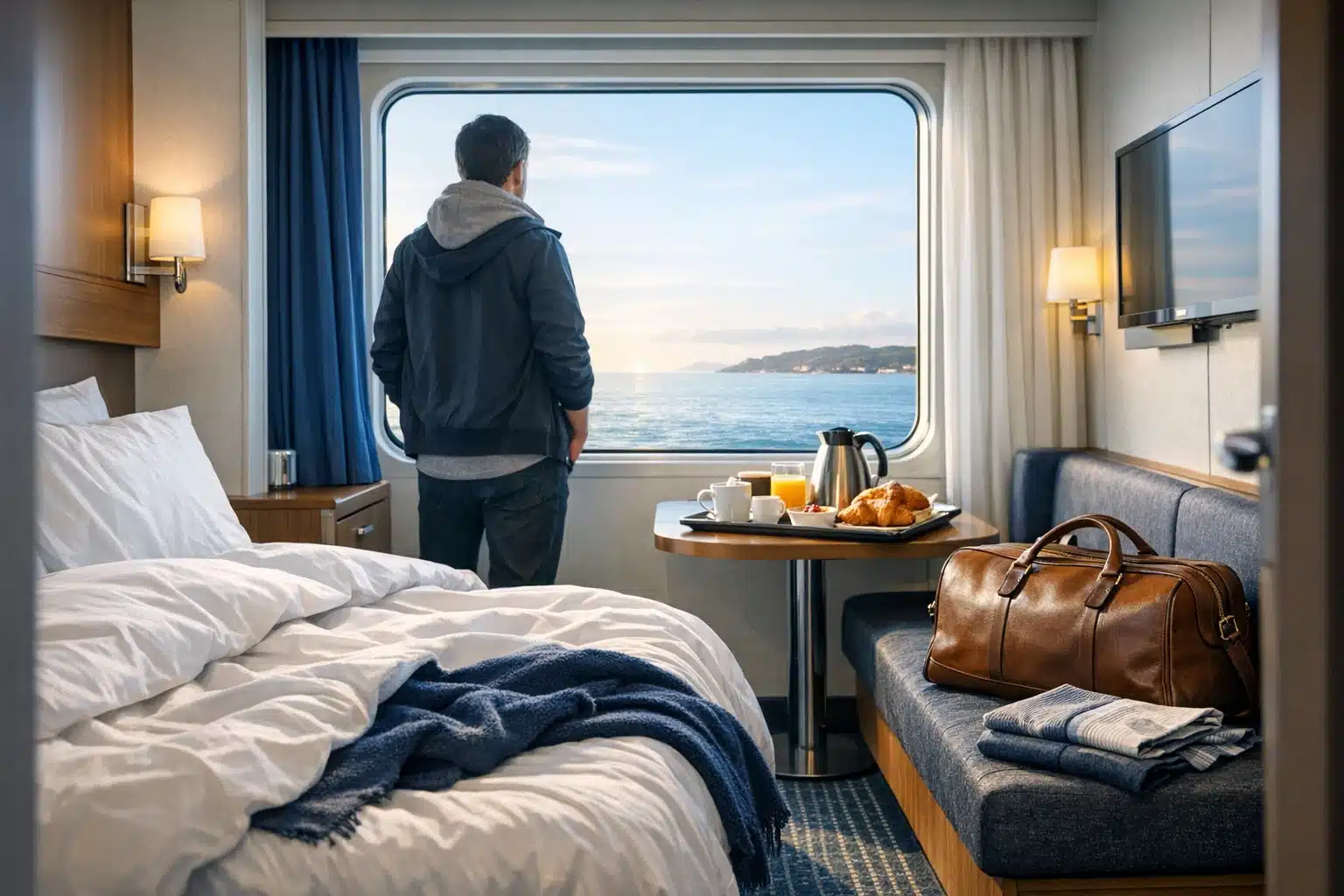
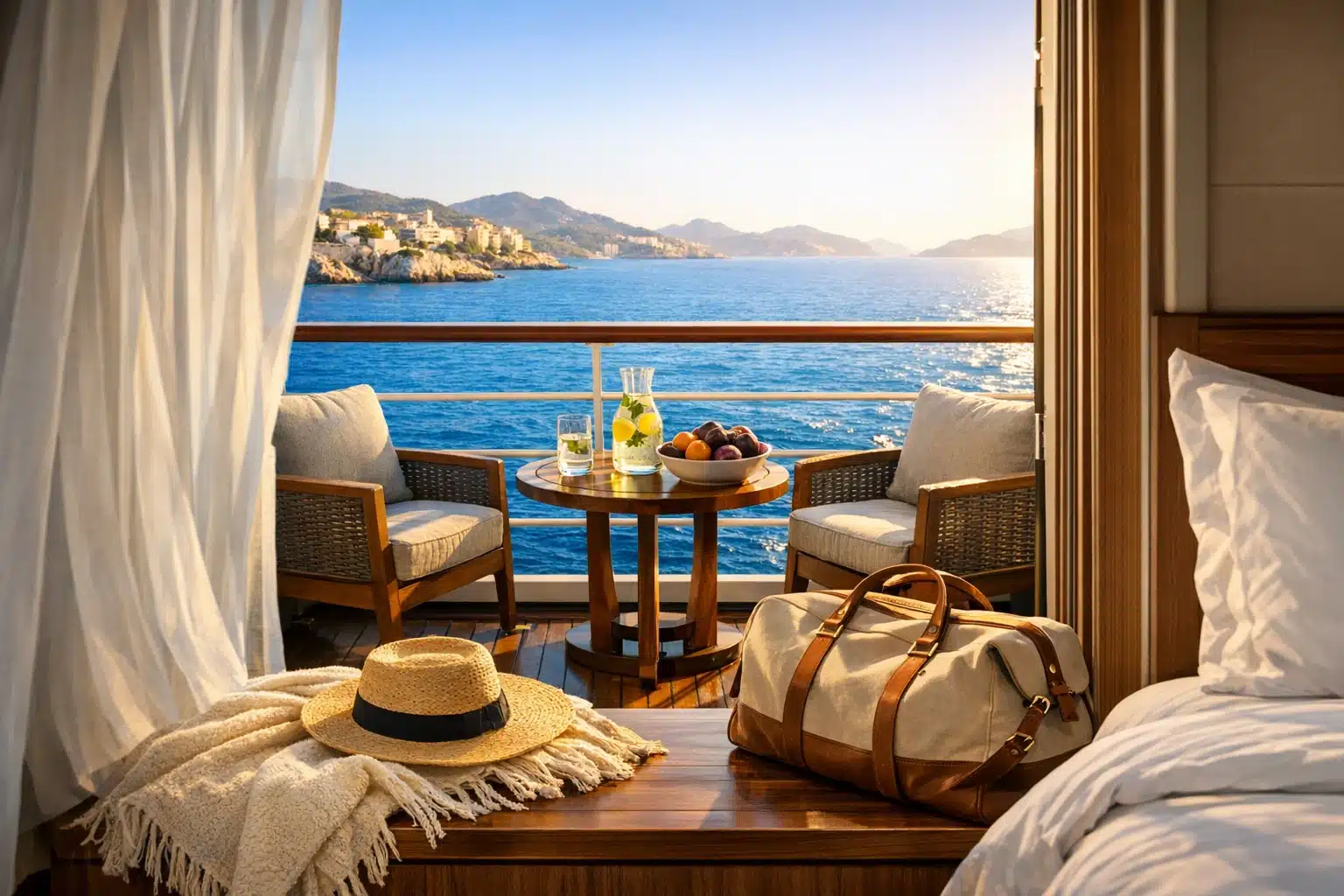
Cabin choice matters more than many first-time travellers expect. An inside cabin is usually the cheapest option and can offer strong value on a short trip, especially if you plan to spend most of your time elsewhere on the ship. However, some people find interior rooms disorienting because there is no natural light. An outside cabin gives you a window or porthole, which can make mornings feel more connected to the voyage. If balcony cabins are available, they offer privacy and fresh air, but on a mini cruise the price difference is not always worth it for every traveller, especially in cooler months when deck use may be limited by wind.
Food is often one of the pleasant surprises of a short cruise. Most sailings include access to main dining areas and casual buffet-style options, while drinks, specialty restaurants, and selected extras may cost more. The practical advantage is flexibility. If you want a quick breakfast before heading ashore, you can usually keep it simple. If you want a longer evening meal, the ship can provide that too. For budget-minded travellers, checking what is included before booking is important, because a seemingly cheap fare can become less competitive once drinks, upgraded dining, and small onboard purchases are added.
Entertainment is usually broad rather than niche. Expect things like:
• Live music in bars or lounges
• Theatre-style shows or cabaret
• Quizzes, games, or hosted activities
• Cinema screenings or late-night music depending on the ship
• Spa, gym, or wellness areas for an extra layer of comfort
Comfort at sea is another real consideration. The North Sea is not always gentle, and even seasoned travellers sometimes notice motion on this route. Packing tablets, wristbands, or other preferred remedies is sensible if you are prone to seasickness. A good strategy is to choose a cabin in a more central, lower part of the ship if you are sensitive to movement, because those areas often feel steadier. Wi-Fi quality may vary, mobile signals can drop offshore, and weather can quickly shift from bright to blustery. Yet for many people, those changing conditions are part of the appeal. The ship becomes a little world of its own, with warm interiors, busy dining rooms, and windows framing a grey-blue horizon that never looks exactly the same twice.
4. Making the Most of Hamburg in One Day: Shore Plans, Transport, and Smart Sightseeing
Hamburg rewards planning, especially when your visit is limited to a single day. It is a large, confident, water-shaped city with layers of maritime history, modern architecture, shopping streets, museums, canals, and neighbourhoods that each carry a different mood. Trying to do everything is the fastest way to enjoy very little, so the smartest approach is to decide in advance what kind of day you want. The city can be handled independently, but your exact cruise terminal matters. Ships may dock at different terminals such as Altona, Steinwerder, or HafenCity depending on the sailing, and each one has slightly different transport connections. Checking this before departure saves time and reduces confusion on the morning you arrive.
For first-time visitors, the most efficient plan is to focus on central waterside highlights. Speicherstadt, with its red-brick warehouses and canals, offers one of the city’s most recognisable landscapes. Close by, HafenCity shows a newer side of Hamburg, where striking modern buildings sit beside former dockland spaces. The Elbphilharmonie area often draws visitors for its views and architecture, while Landungsbrücken gives you classic harbour energy, ferries, waterfront activity, and easy connections to other parts of the city. If you prefer a more traditional urban centre, the Rathaus area and surrounding shopping streets provide a different atmosphere altogether.
A useful way to think about the day is to choose one of three styles:
• A classic sightseeing day focused on Speicherstadt, HafenCity, and the waterfront
• A culture-led visit with museums, architecture, and historic squares
• A relaxed day built around a harbour cruise, coffee stops, and wandering rather than ticking off landmarks
Independent exploration usually gives you more freedom and can be cheaper, but it requires attention to time. Ship excursions cost more in many cases, yet they remove uncertainty and can be a sensible choice if you are nervous about navigating a new city on a short schedule. The main rule is simple: do not cut your return too fine. Cruise ships operate on ship time, and missing all aboard is a very expensive mistake.
For families or travellers who enjoy immersive attractions, Miniatur Wunderland is often high on the list, though it may require advance booking and can take longer than expected. For panoramic views, riverfront walks, and photographs, the harbour districts are usually easier to fit into a limited call. If the weather turns wet, Hamburg still works well thanks to covered attractions, cafés, and museums. In practical terms, comfortable shoes matter more than stylish ones. The city invites walking, but distances can be deceptive. A realistic day in Hamburg is not about conquering the map. It is about choosing a theme, moving with purpose, and leaving enough space to notice the details: the clang of harbour activity, the mix of old brick and polished glass, and the feeling that this is a city built not just beside water, but around it.
5. Travel Tips, Budget Planning, and Final Advice for Short-Break Cruisers
A successful mini cruise is usually decided before departure, not because the planning is difficult, but because a few small choices can shape the whole experience. Start with documents. Requirements depend on your nationality, where you are travelling from, and current border rules, so it is wise to check official government advice and your cruise line’s documentation guidance well before sailing. For many travellers, a valid passport, cruise confirmation, and travel insurance are the essentials. Insurance matters even on a short trip, because missed departures, medical issues, and travel disruption can become expensive surprisingly quickly.
Budgeting deserves the same attention. The headline fare does not always represent the full cost of the holiday. Before booking, look at what is included and what is extra. Common add-ons may include drinks, gratuities or service charges, specialty dining, shore excursions, parking at the port, transfers, and onboard purchases. A fair comparison between sailings should consider the full likely spend, not just the cheapest advertised price. In many cases, a slightly higher fare with better inclusions can work out better value than a bare-bones deal.
Packing for this route is partly about comfort and partly about realism. Even in milder seasons, North Sea conditions can be cool, windy, and changeable. A practical packing list usually includes:
• Layers rather than one heavy outfit
• A light waterproof or wind-resistant jacket
• Comfortable shoes for walking in Hamburg
• Motion-sickness remedies if you are unsure how you react at sea
• A small day bag for passports, essentials, and shore time items
• A plug adapter if needed for your cabin or time ashore
Another smart tip is to think carefully about expectations. This is not the same as a long Mediterranean cruise with multiple destinations, nor is it the same as a full city holiday in Germany. It sits in the middle. You get the pleasure of sailing, a compact taste of Hamburg, and the convenience of a short break with minimal unpacking. Travellers who enjoy constant movement and nightlife until dawn may still have a good time, but the strongest audience is usually people who appreciate a balanced pace: enough activity to feel away, enough downtime to feel rested.
For first-time cruisers, this route is a sensible introduction because the commitment is short and the structure is easy to understand. For couples, it offers a simple way to turn a few days off into something more atmospheric than an ordinary weekend. For friends, it can be a sociable option that avoids the usual airport stress and keeps everyone on one shared schedule. In summary, a 4-night mini cruise from Newcastle to Hamburg works best for travellers who want a manageable adventure rather than a marathon itinerary. If that sounds like your kind of trip, the route delivers a pleasing combination of sea air, city energy, and just enough novelty to make four nights feel satisfyingly larger than they are.