3-Night Mini Cruise from Belfast to Bruges: Itinerary and Travel Tips
Short breaks that feel properly different are hard to find, which is why a 3-night mini cruise from Belfast to Bruges appeals to so many travelers. In just a few days, you swap city streets for sea views, then step into a Belgian destination known for canals, gabled houses, chocolate shops, and compact walkable lanes. It suits couples, friends, and first-time cruise passengers who want structure without committing to a full week away. With the right planning, the journey can be as enjoyable as the hours you spend ashore.
Outline
This article covers the trip in a practical order so it is easy to plan from start to finish. First, it explains how a Belfast to Bruges mini cruise usually works and why the route often involves Zeebrugge rather than Bruges itself. It then walks through a typical 3-night itinerary, looks at cabins, dining, budgeting, and onboard life, and shows how to use limited time well in Bruges. Finally, it gathers the most useful travel tips on documents, packing, weather, timing, and who this kind of break suits best.
How a 3-Night Mini Cruise from Belfast to Bruges Usually Works
A mini cruise sounds simple on paper: board in Belfast, sail to Bruges, spend time exploring, and return without the stress of a long holiday. In practice, there is one detail worth understanding early. Bruges is inland, so ships do not dock in the historic center. Most “Bruges” cruise itineraries use Zeebrugge, the nearby North Sea port, as the arrival point, with onward transfers by coach, taxi, or train. Zeebrugge sits roughly 17 kilometers from Bruges, close enough for an easy excursion, but far enough that your shore-day timing matters.
Another important point is that schedules can change by season, operator, and year. Routes from Belfast to continental Europe have not always operated with the same frequency, so it is wise to treat any sample itinerary as a guide rather than a fixed timetable. Before booking, check the current departure port, check-in deadline, passport requirements, and whether your fare includes transfers into Bruges. That last detail can shape the whole day. A cruise with included coach transport is often simpler for first-time visitors, while experienced travelers may prefer making their own way for more freedom.
The appeal of this break comes from convenience and atmosphere rather than speed. Flying is usually faster from city to city, but airports often involve early starts, security queues, baggage rules, and transfers at both ends. A mini cruise replaces some of that pressure with a more gradual rhythm. Once onboard, your cabin travels with you, your main luggage stays in one place, and the journey becomes part of the holiday rather than dead time between destinations.
For many travelers, that is the real selling point. You leave Belfast with a weekend mindset and arrive in Belgium feeling as if you have gone farther than the calendar suggests. The sea air, the change of language, the shift in food and architecture, and the sense of stepping briefly into another country all give the trip a stronger identity than a standard overnight city break.
As a broad comparison, this type of cruise works especially well for:
• travelers who enjoy the journey as much as the destination
• couples looking for a compact, organized escape
• friends who want a social short break without constant logistics
• first-time cruisers who want to test life at sea before booking a longer voyage
It is less ideal if your main goal is maximizing time in Bruges itself. A hotel stay in Belgium will always give you longer in the city. A mini cruise, by contrast, is about balance: part transport, part entertainment, part sightseeing, and part pause from routine.
A Typical 3-Night Itinerary: From Belfast Departure to Return
Because sailings vary, the most useful way to understand a 3-night mini cruise is to picture a common pattern rather than rely on one exact timetable. In most cases, you arrive at the Belfast departure port several hours before sailing, complete check-in, go through security, and board in the late afternoon or evening. That first evening tends to feel pleasantly transitional. Bags are dropped in the cabin, passengers explore the ship, and the break properly begins with dinner, a drink, and the quiet novelty of watching the shoreline fade away.
Night one is usually about settling in. Some travelers head straight for the restaurant, while others prefer to stand on deck for a few minutes, coat zipped against the wind, letting the ordinary week slip behind them. Ferries and cruise-ferry style vessels are not the same as large ocean cruise ships, but they still offer enough choice to create that familiar holiday feeling. Depending on the vessel, you may find buffet dining, a pub or lounge, a small shop, children’s areas, and live entertainment later in the evening.
Day two can take one of two forms. On some itineraries, it is largely a sea day, giving you time to enjoy the ship before arriving near Belgium later that day or overnight. On others, docking or transfer arrangements may place the Bruges visit on day two itself. If a sea day is included, treat it as a feature rather than empty time. It lets you slow down, read, watch the horizon, enjoy a long breakfast, and move at a different pace from the usual rushed weekend escape. This is also the right moment to check practical details for the port call: when transfers leave, whether local currency is needed for small purchases, and what time you must be back onboard.
Day three is often the highlight: your Bruges day. If your vessel docks in Zeebrugge in the morning, you may have anywhere from several hours to most of the day ashore. Bruges is well suited to short visits because its historic core is compact and visually rich. Even a limited schedule can include the Markt square, canal views, traditional Belgian food, and one or two major sights. However, time passes quickly there. A canal-side coffee can turn into an hour without warning, and cobbled lanes have a way of inviting detours.
That evening, most mini cruises begin the return leg. Passengers reboard tired in the best way, carrying chocolate boxes, a few photos of stepped rooftops, and perhaps a stronger opinion than expected about waffles, beer, or frites. Night three is usually more relaxed than the outbound evening because the ship already feels familiar.
Day four is arrival back in Belfast, often in the morning. Disembarkation tends to be straightforward, but it can feel surprisingly quick after a compact trip. That is part of the charm and part of the caution with mini cruises: the break is short, so every stage benefits from light planning. If you know your timings, pre-book where useful, and avoid trying to do too much ashore, the itinerary feels smooth rather than rushed.
Onboard Experience, Cabins, Dining, and Budget Considerations
One of the most useful ways to judge whether this trip suits you is to look honestly at the onboard experience. A 3-night mini cruise from Belfast to Bruges is not only about the destination; you will spend a meaningful share of the trip on the vessel itself. That means cabin comfort, food options, entertainment, and total cost all matter more than they would on a simple ferry crossing.
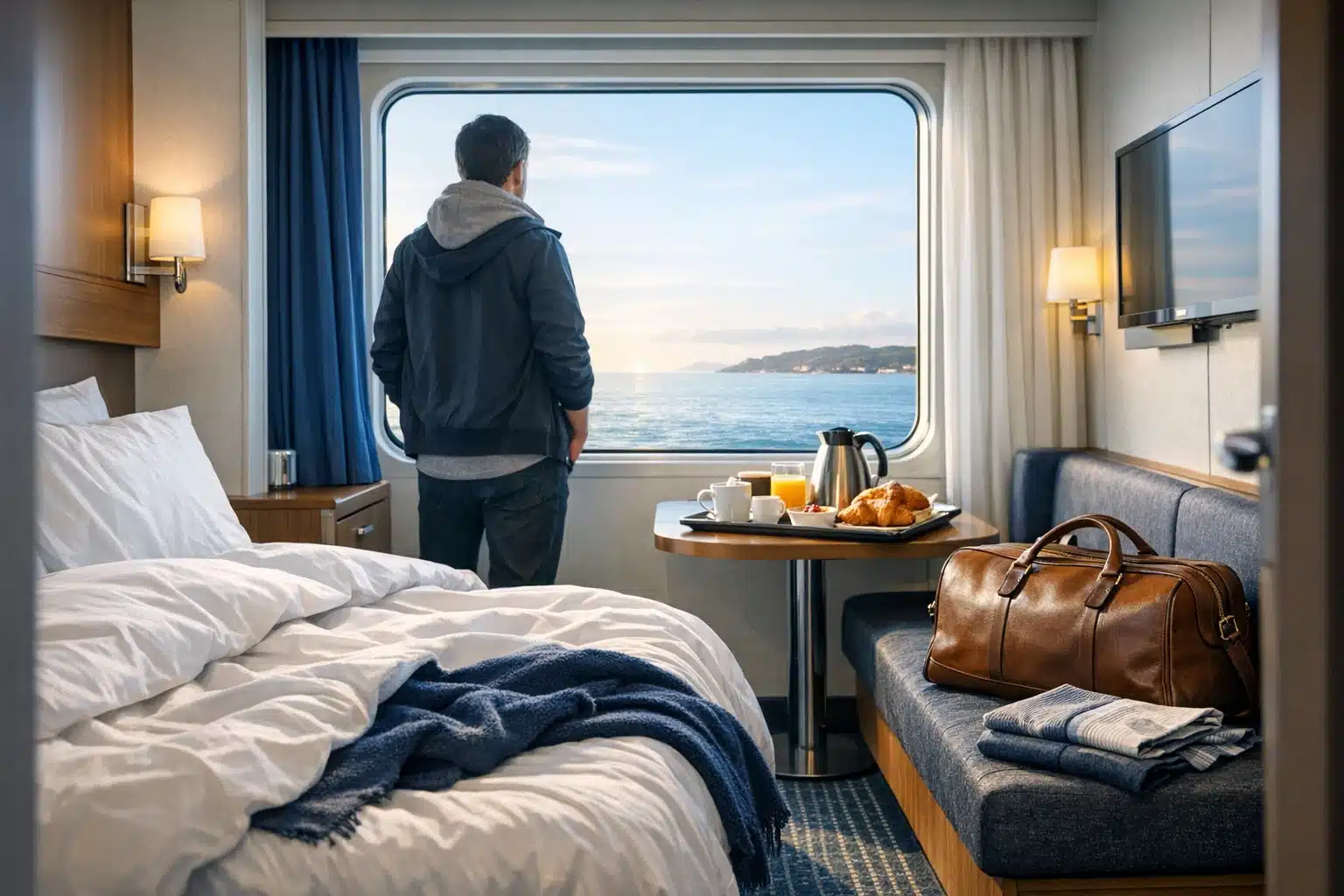
Cabin choice is the first major decision. Inside cabins are usually the most affordable and make sense if you mainly need a private place to sleep and shower. They are often quiet and dark, which some travelers love for uninterrupted rest. Outside cabins cost more but give you a window or porthole, and many people find that natural light makes a short cruise feel much less enclosed. For a celebratory break or first-time cruise, the upgrade can be worthwhile. For budget-focused travelers, sharing an inside cabin can bring the per-person cost down significantly.
Dining is the second area where value changes from booking to booking. Some fares include a standard meal package, while others leave food as an extra. Before you compare prices, check what is actually covered. A slightly higher fare with breakfast and dinner included may work out better than a lower headline rate with several add-ons. The same goes for transfers, parking, and drinks packages. A cheap-looking deal can become average value once every extra is counted.
Typical onboard spending categories include:
• cabin upgrades
• breakfast and evening meal packages
• drinks, snacks, and coffee
• port transfers to Bruges
• parking at the departure port
• travel insurance
• optional Wi-Fi or entertainment purchases
Compared with a flight-and-hotel city break, the mini cruise often offers stronger value for couples or small groups sharing a cabin. Solo travelers may find the numbers less attractive because the cabin cost is spread over fewer people. Families sometimes benefit from package pricing, though they also need to weigh whether children will enjoy the sailing time as much as the adults do.
Entertainment onboard is usually modest but pleasant. Think quizzes, music, bars, lounging spaces, and the simple pleasure of being away from the usual pattern of meals and chores. That can be enough. Not every short break needs constant activity. In fact, many travelers book mini cruises precisely because they like that in-between feeling: not fully at sea for a week, not fully city-bound either.
If you are prone to motion sickness, plan ahead. The Irish Sea and the North Sea can be calm, but they can also be lively depending on weather. Booking a midship cabin on a lower deck may help reduce the sensation of movement. Motion sickness tablets, ginger products, and a good night’s sleep are practical rather than glamorous solutions, but they can make a real difference. Comfort is part of value too, and an enjoyable crossing is far more memorable than the few pounds saved by ignoring your own travel habits.
Making the Most of Your Time in Bruges
Bruges rewards short visits because its historic center is compact, distinctive, and easy to explore on foot. The city, a UNESCO World Heritage site, is known for medieval architecture, canals, church towers, and a level of visual charm that can feel almost theatrical in certain streets. On a bright day, water reflects rows of old brick houses and the place looks carefully staged, as if someone had arranged the whole city for a period film. The important thing is not to waste time once you arrive from Zeebrugge.
If your cruise offers a direct coach transfer into central Bruges, that is usually the simplest option. It saves decision-making and reduces the risk of missing the ship on the way back. Independent travelers sometimes use the train, but this can involve getting from the port area to the right station first, so it is best suited to confident planners with enough buffer time. Taxis offer flexibility, especially for small groups splitting the fare, though availability and cost vary.
Once in Bruges, a smart walking route can help you see a lot without turning the day into a race. A practical sequence often looks like this:
• start at the Markt, the city’s main square, surrounded by colorful stepped buildings
• see the Belfry, one of Bruges’ signature landmarks
• continue to Burg Square for the Basilica of the Holy Blood and civic buildings
• walk toward the canals around Dijver and Groenerei for the most photographed views
• head south to the Beguinage and Minnewater area for a calmer atmosphere
• finish with chocolate shops, lace boutiques, or a relaxed meal before returning
If you only have half a day, resist the temptation to queue for too many indoor attractions. A short Bruges visit is often best spent outside, absorbing the city’s layout and mood. Climbing the Belfry can be memorable, but it takes time and involves many steps. Canal boat tours are popular and usually short enough to fit into a mini-cruise schedule, especially in warmer months, but lines can build in peak season. If the day is busy, walking may actually give you more freedom and better photos.
Food is part of the experience, but here again timing matters. Bruges is famous for Belgian chocolate, waffles, beer, and frites, yet the best strategy is to pick one or two treats rather than try to “collect” everything. A relaxed lunch in a central square can easily consume more than an hour. That is not a problem if you have planned for it; it is a problem if you still hope to visit three museums afterward. Keep the day balanced.
One final tip: wear good shoes. The cobbles are beautiful but less forgiving than they look. Bruges is a city that encourages wandering, and the best moments are often unplanned: a quiet bridge, a bakery window, a bell sounding across the square, a side street that seems to have wandered in from another century. Leave room for that. A mini cruise gives you limited hours, but Bruges often feels richest when you allow a little aimless time within the structure.
Essential Travel Tips: Documents, Packing, Timing, and Who This Trip Suits
The difference between a smooth mini cruise and a stressful one usually comes down to small details handled early. Documents come first. For UK travelers, passport rules for Belgium can change, and entry requirements depend on nationality and current border policy. As a general principle, check official guidance before departure, make sure your passport has sufficient validity, and confirm whether any additional travel authorization is required for your dates. Do not assume the rules are identical to previous European trips.
Arrival timing matters too. Cruise and ferry operators typically ask passengers to check in well before sailing, and ports are not the kind of places where you want to cut it fine. Aim to arrive with enough margin for traffic, parking, baggage handling, and boarding procedures. The same logic applies on the return from Bruges to Zeebrugge. Always work backward from the ship’s final boarding time, not from the time you would ideally like to leave the city.
Packing for a 3-night cruise is easier when you think in layers. Even in mild weather, deck areas can be windy and port days can shift from sunshine to rain quickly. A compact waterproof jacket, comfortable walking shoes, a day bag, charger, travel documents, and any medication should be non-negotiable. If you are sensitive to motion, pack remedies in your hand luggage rather than your suitcase.
A useful mini-cruise packing checklist includes:
• passport and booking confirmation
• travel insurance details
• power bank and charging cables
• a light waterproof layer
• shoes suitable for cobbles and stairs
• a refillable water bottle
• motion sickness remedies if needed
• a small cross-body bag or secure daypack for Bruges
Season also affects the feel of the trip. Spring and early summer generally offer pleasant walking weather and long daylight hours, making it easier to enjoy Bruges without rushing. High summer can bring bigger crowds, especially around the Markt and canal areas. Winter has its own appeal, particularly if festive lights or seasonal markets are operating, but days are shorter and weather can be raw. None of these seasons is automatically best; the right choice depends on whether you value atmosphere, daylight, or lower demand.
As for who this trip suits, the answer is fairly specific. It works best for travelers who like organized short breaks, do not mind limited time ashore, and enjoy the romance of departure itself. Couples often like the built-in sense of occasion. Friends appreciate the social side and easy logistics. Older travelers may value unpacking once rather than changing hotels. It can also suit first-time cruise passengers who want a low-commitment trial run.
On the other hand, travelers who prefer complete flexibility, late-night city exploration, or several full days in one destination may be happier booking a land-based stay in Belgium. A 3-night mini cruise is a curated escape, not an in-depth city immersion. If that balance sounds appealing, it can be a very satisfying way to turn a few spare days into something memorable.
Conclusion for Short-Break Travelers
A 3-night mini cruise from Belfast to Bruges is best understood as a compact travel experience rather than a simple transfer from one place to another. It gives you a change of country, a taste of life at sea, and enough time in Bruges to enjoy the city’s atmosphere without needing a full week away. For couples, friends, and first-time cruise passengers, that combination can feel refreshingly easy: one booking, one cabin, one clear plan, and a destination that rewards even a brief visit.
The key to enjoying it is setting the right expectations. You are unlikely to see everything Bruges offers, and that is fine. Focus on a realistic itinerary, confirm transfers and documents in advance, choose the cabin and meal options that match your budget, and keep your shore day simple enough to enjoy. If you do that, this short voyage can deliver exactly what many travelers want from a mini break: novelty without complexity, structure without boredom, and a return home with the satisfying sense that you really did go somewhere.