3-Night Mini Cruise From London to Paris: Itinerary and Travel Tips
A 3-night mini cruise from London to Paris offers something many short breaks cannot: a genuine sense of travel without needing a full week away. In only a few days, you can leave the capital, cross the Channel, wake to a different shoreline, and enjoy Paris as the star attraction. For first-time cruisers, busy professionals, and couples planning an easy escape, this format mixes comfort, movement, and city sightseeing in one compact plan. It is a useful option when time is limited but expectations are not.
Outline and What a London-to-Paris Mini Cruise Usually Includes
Before looking at schedules and travel tips, it helps to understand what this kind of trip usually is. A so-called London-to-Paris mini cruise is rarely a ship that sails directly into central Paris, because Paris is inland and most cruise ferries and short cruise ships dock at Channel or northern French ports. In practical terms, the package often begins at a London-area departure point, commonly Tilbury or another port reached from London, then crosses to France, with Paris included as an excursion or transfer-based sightseeing day. That distinction matters because it shapes expectations, timing, and how much of the experience is spent at sea versus on land.
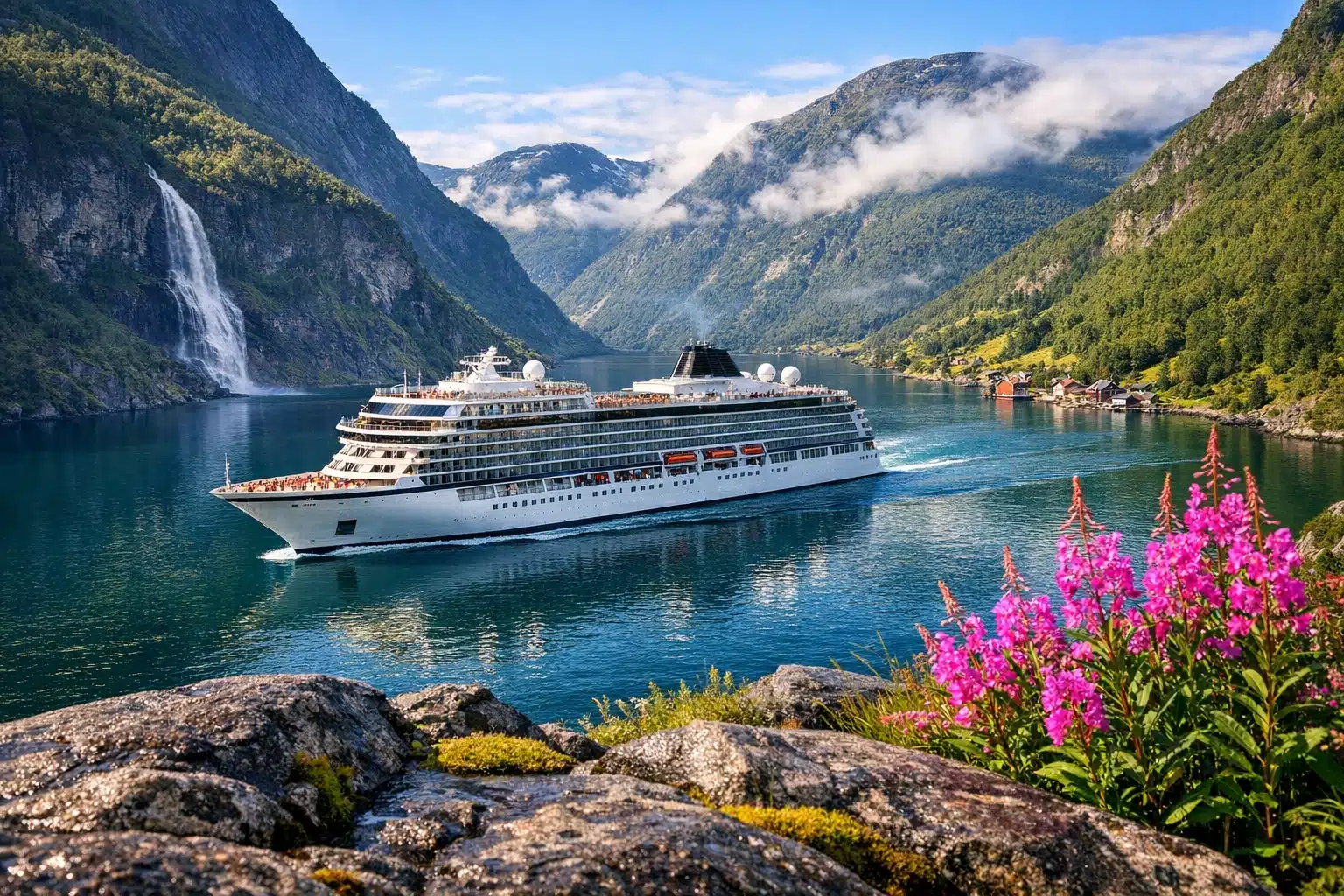
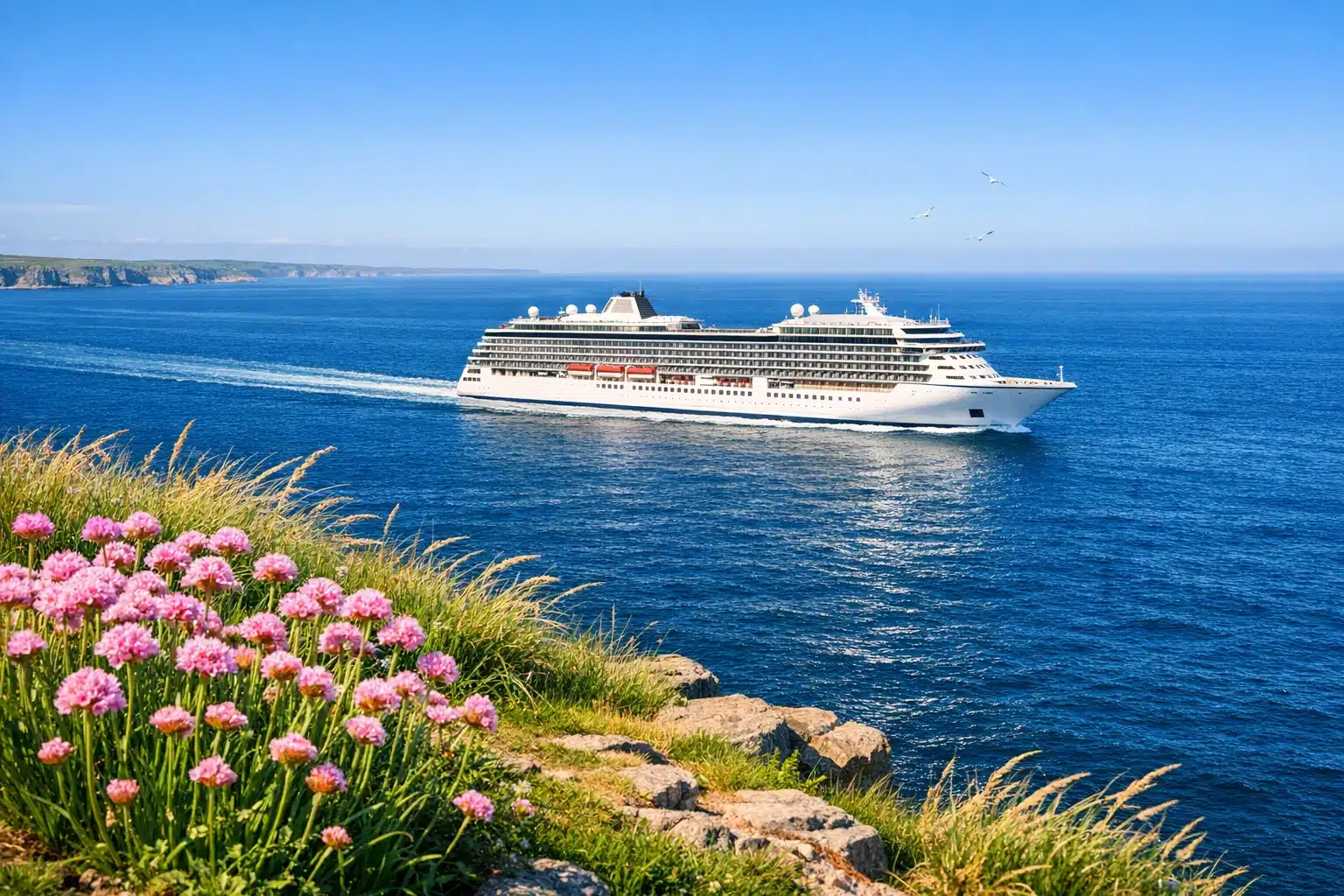
The appeal is easy to see. You get the theatre of departure, the gentle novelty of sleeping on board, and a classic European city visit without the usual airport routine. For many travelers, that creates a trip that feels larger than its duration. One evening you are watching the Thames or the Channel slip by from a deck rail; the next day you are navigating Parisian boulevards, choosing between a river view, a museum stop, or an hour in a café with no agenda at all.
A practical outline for this article looks like this:
- How the route works and what “London to Paris” really means in travel terms
- A realistic 3-night itinerary from embarkation to return
- How to compare fares, cabin types, and onboard inclusions
- What to know about Paris transfers, documents, packing, and timing
- Who this trip suits best, and when a mini cruise is better than rail or air
It is also worth noting that operators differ. Some mini cruises are entertainment-led, with bars, restaurants, live music, and shopping as part of the onboard appeal. Others are more transport-focused, using the ship as a comfortable overnight base while the real headline is Paris. Always read the itinerary line by line. A package might advertise Paris prominently, yet the actual time in the city could be limited by port arrival, coach transfer, and return departure rules.
As a rule, the journey from a French Channel port such as Le Havre to Paris can take around two and a half to three hours each way by coach, depending on traffic and the exact drop-off point. That means a mini cruise can still be enjoyable, but it rewards travelers who value the overall experience rather than those seeking an unhurried, museum-heavy Paris break. Think of it as a sampler platter, not a seven-course meal. If that sounds appealing, the format can be excellent.
A Realistic 3-Night Itinerary: From Embarkation to Paris and Back
A useful way to plan this trip is to imagine it as one flowing sequence rather than three separate bookings. On Day 1, you travel from London to the departure port, check in, board the ship, and settle into your cabin before sailing. Check-in windows vary, but cruise and ferry-style departures often require passengers to arrive well before departure, sometimes 60 to 90 minutes in advance, and sometimes more for international sailings. If you are coming from central London, build in time for traffic, rail delays, and port security. Starting calmly is one of the best ways to improve the whole trip.
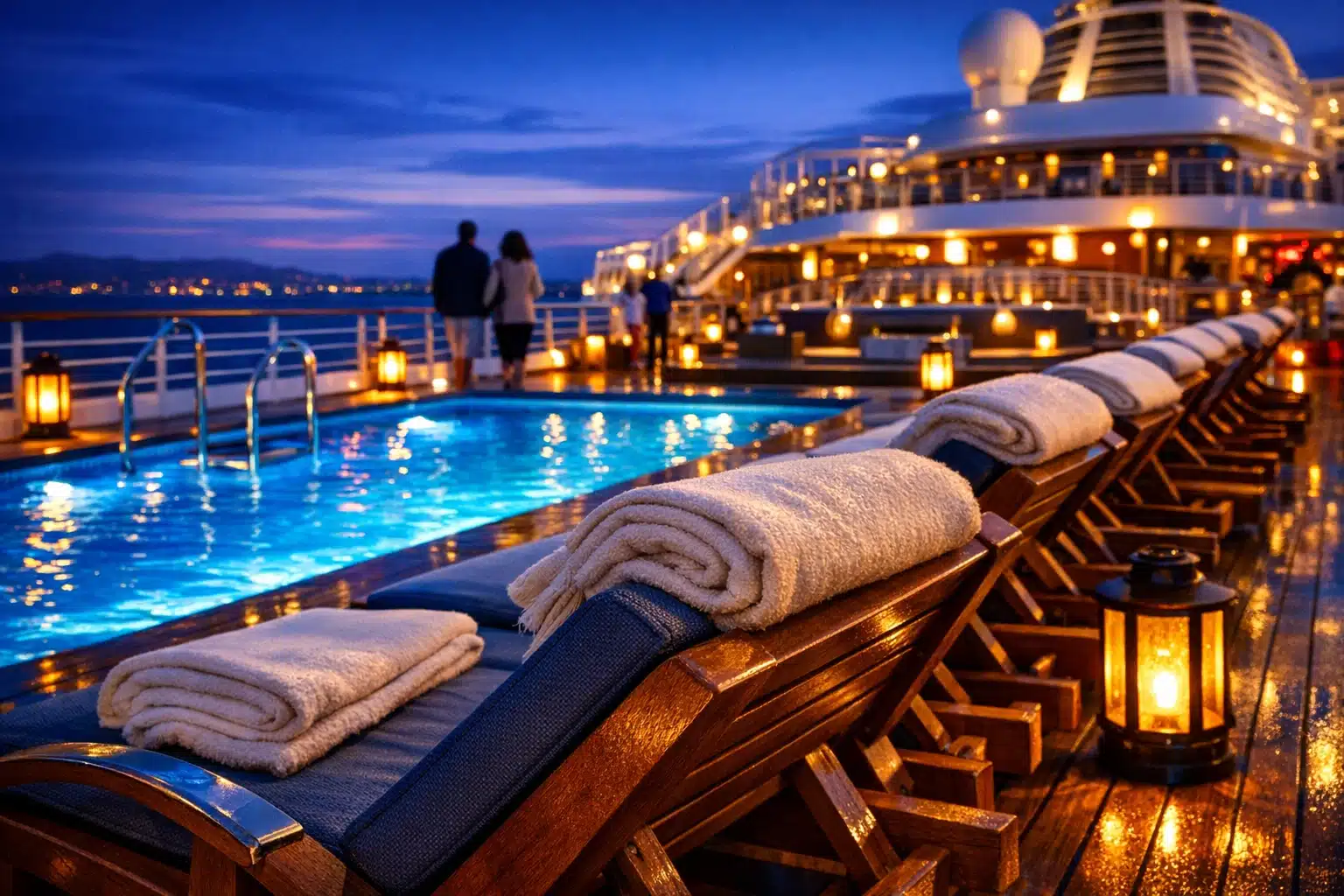
Once on board, the first evening is usually about orientation. You unpack the essentials, explore the public decks, note restaurant times, and perhaps head outside for sail-away. Even on a short route, that moment has a quiet charm. The city loosens its grip, the water widens, and the trip finally feels real. Dinner on board may be included in some packages, while others offer flexible paid dining. This is a good night to take it easy rather than over-schedule yourself, especially if you want to be fresh for the next day.
Day 2 often includes arrival in France and either free time near the port, onboard leisure, or the beginning of a structured excursion depending on the operator. Some itineraries place the main Paris visit on Day 3, while Day 2 acts as a lighter transition day. Others move directly into sightseeing logistics. Read the cruise summary carefully so you know whether breakfast, transfers, and excursion tickets are part of the fare or optional add-ons.
Day 3 is usually the highlight: the Paris day trip. If the ship docks at Le Havre, an early coach departure is common because the road journey to the capital is significant. That makes it sensible to treat Paris as a focused experience. You might choose one major district or theme instead of trying to cover everything. Popular approaches include:
- A classic first visit: Eiffel Tower area, Seine views, and a short river cruise
- A culture-led stop: Louvre exterior, Tuileries, and a walk toward Place de la Concorde
- A neighborhood day: Montmartre, cafés, and time for independent wandering
By late afternoon or early evening, most excursion groups begin the return trip to the port. Night 3 is your final onboard evening, often more relaxed because the biggest sightseeing day is over. Day 4 is disembarkation and return to London. The entire itinerary moves quickly, so the travelers who enjoy it most are usually the ones who embrace momentum instead of resisting it. You are not trying to “do all of Paris.” You are collecting a vivid first chapter.
Booking Smart: Cabin Choices, Costs, and What to Compare Before You Pay
Short cruises can look inexpensive at first glance, but the real value lies in what the fare includes. When comparing options, do not focus only on the headline price. One package may seem cheaper yet exclude transfers to Paris, meals, or luggage allowances, while another may cost more and save money once extras are added up. The most useful comparison is total trip cost per person, including transport to the port, onboard dining, excursions, and any city spending you expect to do.
Cabin choice matters less on a 3-night mini cruise than on a week-long voyage, but it still affects comfort. An inside cabin is often the most economical and makes sense if you only plan to sleep there. An ocean-view cabin offers natural light, which many travelers appreciate on a quick trip because it helps the space feel less compact. A balcony cabin can be lovely, but on a short itinerary it is usually a luxury rather than a necessity. If budget is tight, spending more on a better Paris excursion may deliver greater overall value than upgrading the cabin.
When reviewing fares, compare these elements carefully:
- Port charges and taxes
- Coach transfer to and from Paris
- Breakfast and evening meals
- Entertainment or premium venue access
- Drinks packages, if offered
- Travel insurance requirements
- Cabin location and whether twin beds convert to a double
Season also affects price and experience. Summer departures may offer longer daylight and warmer weather, but they can be busier and more expensive. Shoulder-season travel, such as spring or early autumn, often gives a better balance between cost and comfort. Winter mini cruises can be atmospheric and festive, especially around holiday markets, though weather disruption is more likely and daylight is shorter.
Another smart step is to check the cancellation and amendment policy before booking. Because this is a short trip, many people assume it is low-risk, yet transport strikes, weather, illness, or document problems can still derail plans. Flexible terms may be worth paying for. Also remember that “London” in promotional material may refer to the nearest major city rather than a central departure point. Factor in the cost and time of reaching the actual port. A bargain fare can stop looking like a bargain once taxis, rail tickets, parking, and last-minute meals start piling up. In short, buy the itinerary, not just the price tag.
Travel Tips That Make the Trip Smoother: Documents, Packing, and Paris Logistics
The shortest trips often benefit most from good planning, because there is less room to recover from mistakes. Start with documents. You will typically need a valid passport for travel between the UK and France, and depending on your nationality and the date of travel, visa or entry authorization rules may apply. Requirements can change, so check official government and operator guidance close to departure rather than relying on forum posts or outdated travel advice. Keep digital copies of your documents, but carry the originals exactly as required by the cruise line and border authorities.
Packing should be disciplined. On a 3-night trip, overpacking is common and rarely useful. Choose comfortable walking shoes, a compact day bag for Paris, weather-ready layers, and one smarter outfit if you plan to enjoy an onboard dinner or lounge. A lightweight waterproof jacket is often more practical than a bulky coat, especially if you expect wind on deck and walking in the city. If you are sensitive to motion, pack seasickness remedies in advance instead of hoping the onboard shop will have your preferred option.
Paris day logistics deserve special attention because this is where the schedule can feel tight. If your transfer arrives by coach, the drop-off point may not be next to the attraction you most want to see. Metro use can save time, but only if you are confident with navigation and your schedule allows it. For many mini-cruise travelers, walking a concentrated route is more relaxing than trying to fit in multiple distant landmarks. A few sensible habits help:
- Carry a portable phone charger and an offline map
- Set a personal return alarm well before the group meeting time
- Keep some local payment flexibility, such as a card and a little cash
- Avoid booking timed museum entry unless your excursion schedule is firm
Food planning is another underestimated detail. A quick coffee and pastry near a landmark can be charming, but service may be slower than expected during busy periods. If your Paris time is limited, a simple lunch plan can preserve sightseeing hours. Likewise, consider what you want from the city before you arrive. If it is photographs, choose viewpoints. If it is atmosphere, choose a neighborhood. If it is iconic monuments, accept that you may see more exteriors than interiors.
Finally, stay realistic about energy levels. Early starts, sea air, coach transfers, and lots of walking can make a short break feel surprisingly full. Build in moments to pause. A mini cruise works best when you move with the timetable rather than fighting it. Think organized, not rigid; prepared, not overmanaged. That balance is where the trip becomes enjoyable instead of exhausting.
Who This Trip Is Best For and Final Thoughts for First-Time Bookers
A 3-night mini cruise from London to Paris is best understood as a compact experience rather than a deep destination stay. It suits travelers who enjoy the idea of journeying as part of the holiday, not just reaching the destination as quickly as possible. If you like watching a city recede from the deck, having your room travel with you, and arriving in France with a sense of transition, this format has genuine appeal. It can be particularly good for couples, friends on a short break, and first-time cruisers who want to test whether ship life suits them before booking something longer.
It also works well for travelers who value convenience over total flexibility. Much of the structure is already built in: accommodation, cross-channel travel, and often the Paris transfer. That removes some planning pressure. On the other hand, independent travelers who want two full days in Paris, late evenings in the city, or a museum-heavy itinerary may find the format restrictive. In that case, rail via Eurostar or a land-based city break will often provide more time where it matters most to them.
A simple comparison helps clarify the choice:
- Choose a mini cruise if you want the voyage itself to be part of the fun
- Choose rail if your priority is maximizing hours in central Paris
- Choose a flight only if price or onward connections make it clearly practical
For many people, the mini cruise wins on mood. It turns transit into memory. There is a narrative arc to it: boarding at dusk, sleeping between countries, and stepping into Paris after water, distance, and anticipation have done their work. That is not the fastest way to travel, but it can be one of the most satisfying.
If you are booking for the first time, keep your expectations sharp and simple. Confirm the real departure port, check how many hours you will actually have in Paris, and read exactly what the fare includes. Pick one or two priorities for the city instead of trying to conquer every landmark. Allow margin for queues, traffic, and tired feet. Most of all, treat the trip as a stylish sampler of sea travel and city discovery. For the right traveler, that combination is exactly what makes a 3-night mini cruise from London to Paris worth taking.