3 Night Mini Cruise From Liverpool To Hamburg: Itinerary and Travel Tips
Outline and Why a Liverpool to Hamburg Mini Cruise Is Worth Considering
Few short breaks manage to feel this international so quickly: you leave Liverpool’s waterfront, settle into shipboard routines, and wake up pointed toward one of Europe’s great port cities. A 3-night mini cruise to Hamburg suits travelers who want a compact escape without planning a long holiday or juggling multiple hotel stays. It also offers a practical way to sample cruise travel, cross-border city hopping, and North Sea scenery in one neat package.
Before diving into the details, it helps to see the shape of the journey. This article follows a simple outline:
• why the route appeals to first-time and repeat cruisers
• what a typical 3-night itinerary looks like day by day
• how to budget, pack, and choose the right cabin
• what to do on board so the trip feels full rather than rushed
• how to handle arrival in Hamburg and decide whether this short cruise is right for you
The relevance of this topic is easy to understand. Short cruises have become popular with travelers who want maximum variety in minimum time, and the Liverpool to Hamburg route has a particular charm because it links two cities with strong maritime identities. Liverpool’s Pier Head gives departure a dramatic sense of occasion, while Hamburg arrives not as an anonymous port stop but as a city deeply shaped by shipping, trade, canals, and waterside neighborhoods. That symmetry makes the route feel coherent rather than random.
There is also a practical angle. A 3-night sailing can work well for people who do not want the planning demands of a multi-country land itinerary. You board once, your room travels with you, meals are largely arranged, and entertainment is built in. Compared with a city-break itinerary involving trains, airport transfers, hotel check-ins, and restaurant bookings, a mini cruise reduces friction. Compared with a longer cruise, it limits both cost and time away from work.
That said, the route is not ideal for everyone. Because it is short, timing matters more. Late embarkation, poor packing, or vague plans for Hamburg can eat into the experience. And because many Liverpool to Hamburg mini cruises are effectively one-way, the trip often works best for travelers who are comfortable arranging a flight or rail connection onward from Germany. Think of it less as a floating resort holiday and more as a compact travel experience: part voyage, part city arrival, part trial run for future cruising. If that combination appeals to you, this route can feel surprisingly rich for just three nights.
A Typical 3-Night Itinerary From Liverpool to Hamburg
Exact schedules vary by cruise line, ship size, tide timings, and port operations, but a common 3-night pattern looks something like this: Day 1 embarkation in Liverpool, Day 2 at sea, Day 3 arrival in or approach to Hamburg, and Day 4 disembarkation. On some sailings, the ship may reach the wider Hamburg port area early and dock later, while others may offer only a short stay before guests leave the vessel. Because mini cruises are tightly timed, it is wise to treat the published itinerary as your main reference and the outline below as a realistic guide to how the trip usually feels.
Day 1 often begins with arrival at Liverpool Cruise Port, located close to the city center at the Pier Head. That central position is one of the route’s advantages. If you arrive early enough, the waterfront setting adds a sense of theatre before you even step aboard. Check-in windows are usually staggered, so arriving too early rarely helps. Once on board, the first afternoon tends to pass quickly: safety drill, cabin orientation, perhaps a first coffee on deck while the city skyline slips away. There is something quietly cinematic about watching Liverpool recede, the river widening, and the holiday mindset taking hold before dinner is even served.
Day 2 is generally your true sea day, and it matters more than many first-timers expect. On a longer cruise, one slightly lazy day can disappear unnoticed. On a 3-night itinerary, this day is the hinge of the whole trip. Use it well and the mini break feels balanced. Waste it, and the cruise may feel as if it ended just after it began. Weather in the Irish Sea and North Sea can be cool, breezy, and changeable even in warmer months, so outside deck time may come in bursts rather than long stretches. That is not a drawback if you plan accordingly. A short cruise often works best when you mix viewpoints:
• some time outdoors for sailaway atmosphere and sea views
• some time indoors for dining, reading, or talks
• one or two scheduled activities rather than trying to do everything
Day 3 is usually the most exciting from a travel perspective because Hamburg is not just a stop, it is the payoff. Depending on the sailing, arrival may involve a scenic approach through the Elbe estuary before docking. If you are awake early and conditions allow, this can be one of the most memorable parts of the trip: tugboats, cranes, container terminals, church spires, and modern waterfront architecture gradually assembling into a real city rather than a postcard. Hamburg’s scale also differentiates it from many cruise destinations. It is Germany’s largest port, and that working-port energy gives arrival an edge and texture that resort-style ports often lack.
Day 4 is usually disembarkation day, which means the mini cruise ends briskly. This is where preparation matters. If you need an onward flight, train, or hotel stay, build in a buffer rather than assuming a frictionless exit. Port operations, traffic, and queues can affect timing. In short, the itinerary is simple, but simplicity is exactly why it works: one departure city with character, one sea day for the cruising experience, one major European arrival, and one efficient finish.
Booking Smart: Fares, Cabin Choices, Documents, and Packing
Because the trip is short, travelers sometimes assume planning can be casual. In reality, short cruises reward precision. A missed detail on a two-week itinerary may be an inconvenience; on a 3-night sailing, it can shape the entire experience. The first decision is value rather than just price. Mini-cruise fares can look attractive at first glance, but the real cost depends on what is included. Some fares cover accommodation, main dining, and basic entertainment, while extras may include drinks beyond standard options, specialty restaurants, Wi-Fi, gratuities, and shore transfers. On a short cruise, these add-ons can noticeably shift the budget because there are fewer days over which to spread them.
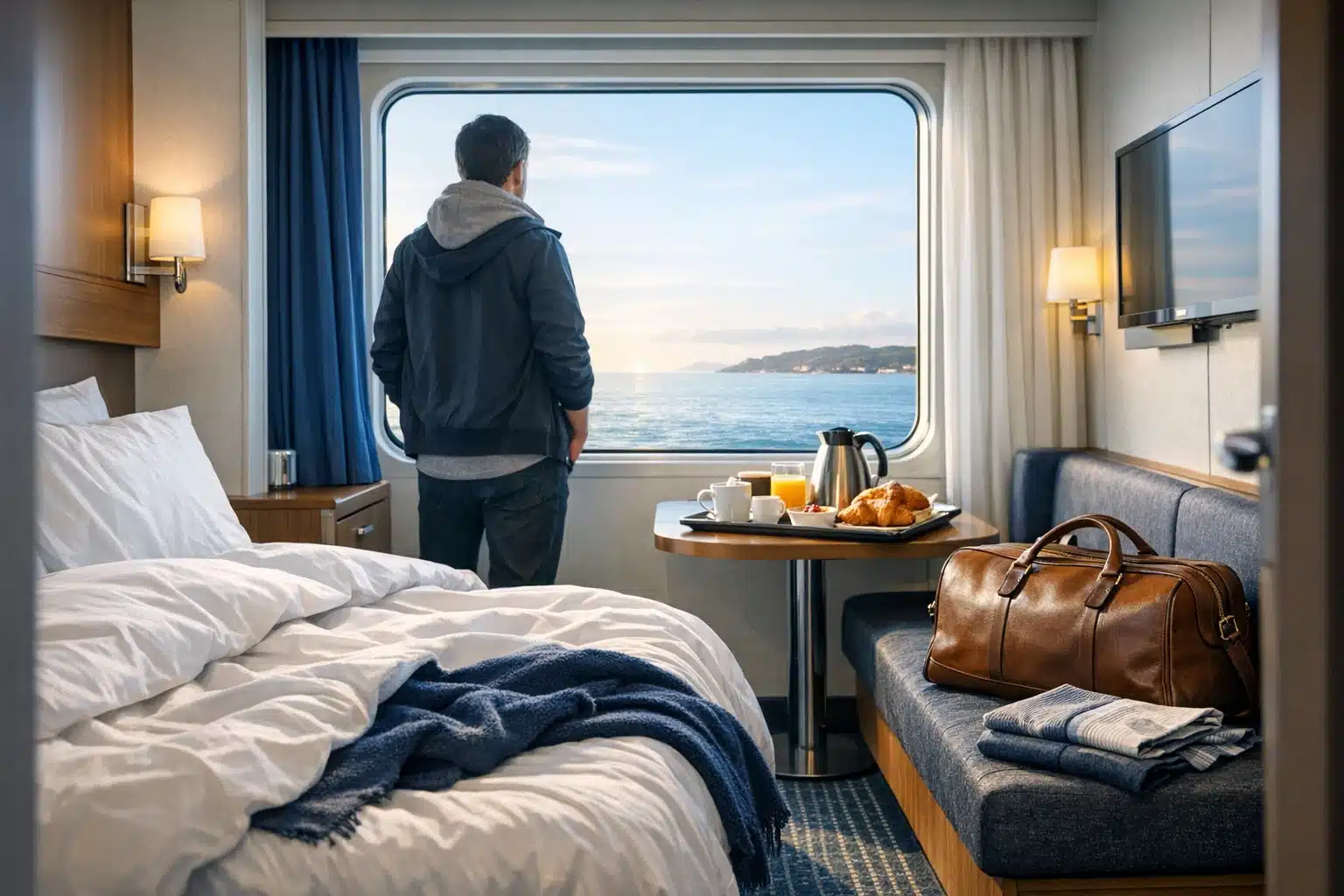
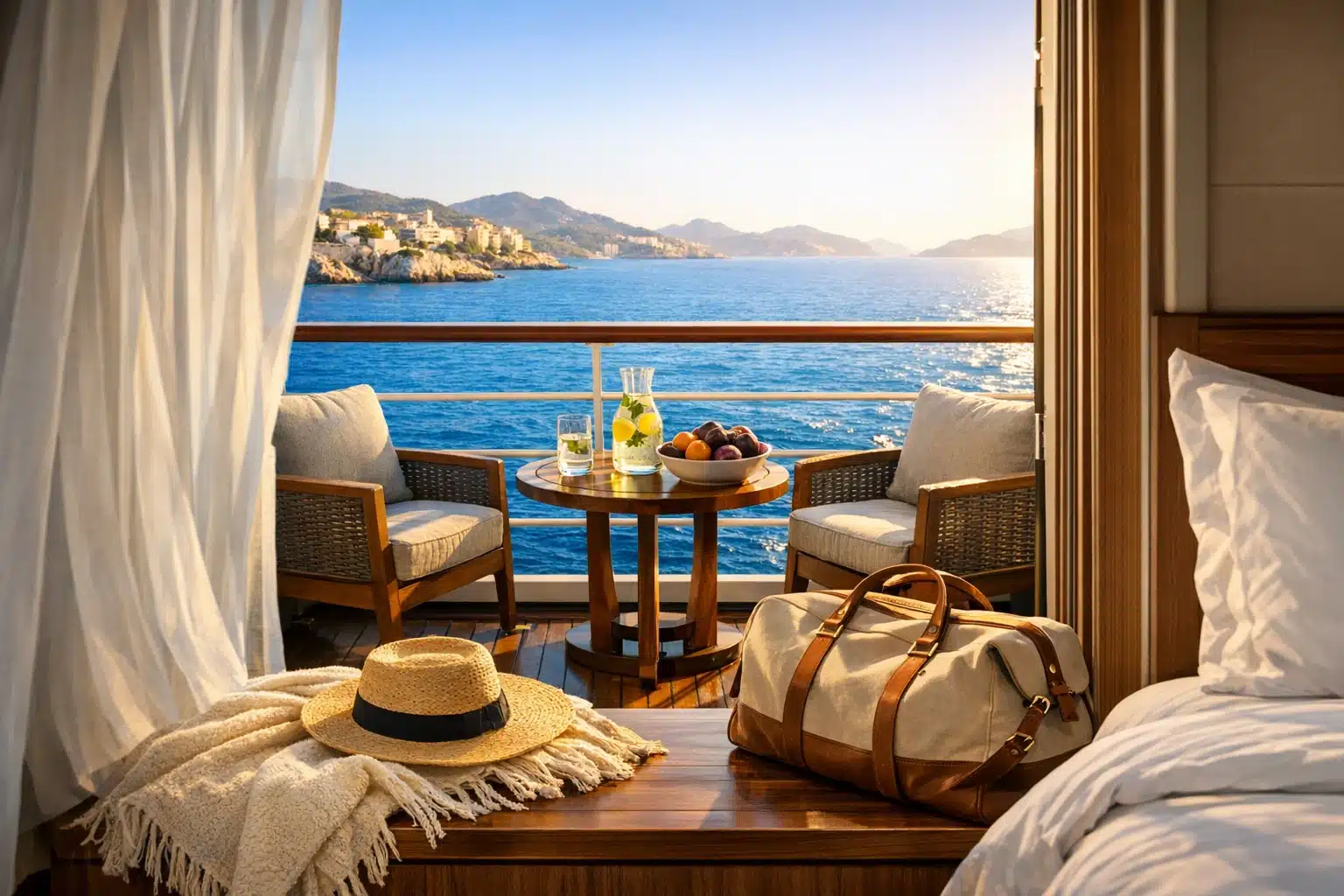
Cabin selection is another area where small choices matter. For a 3-night itinerary, many travelers do well with an inside cabin if they plan to stay active around the ship and see the room mostly as a quiet place to sleep. That is often the best value option. An ocean-view cabin can be worth the extra cost if natural light improves your comfort or if you are a first-time cruiser who wants the psychological ease of seeing daylight and sea conditions. Balcony cabins are appealing, but on a short northern route with variable weather, the premium may not pay off for every traveler. The comparison is less about luxury and more about use:
• inside cabin: best for budget-conscious travelers
• ocean-view cabin: strong middle ground for comfort
• balcony cabin: most rewarding for those who prioritize private outdoor space
Documentation deserves special attention because the route crosses from the UK to Germany. Passport validity rules, visa requirements, and entry procedures depend on your nationality and current regulations, so check official government and cruise-line guidance well before departure. Do not rely on assumptions, especially if your last European trip was before recent border-rule changes. It is also sensible to carry travel insurance that covers missed departures, medical needs, and disruption. Cruise lines generally require boarding documentation to match your booking exactly, so names, dates, and passport details should be checked carefully at the time of reservation.
Packing for this route is best done with layers, not outfits built around one forecast. Even in late spring or summer, wind on deck can make temperatures feel several degrees cooler. A practical packing list often includes:
• a light waterproof jacket
• one warmer layer such as a knit or fleece
• comfortable walking shoes for Hamburg
• smart-casual evening clothes if your ship has dress expectations
• medication, including remedies for motion discomfort if you are unsure how you will feel at sea
Finally, think about the end of the trip before the start. Since many Liverpool-to-Hamburg mini cruises are one-way or part of repositioning-style schedules, your onward transport is not an afterthought. Compare flight times, rail connections, and hotel options before booking the cruise, not after. That single habit can save money, reduce stress, and turn a pleasant voyage into a genuinely smooth travel experience.
Making the Most of Life On Board During a Short Sailing
The biggest mistake on a mini cruise is trying to treat it like a full-length voyage compressed into fewer days. You cannot do everything, and you do not need to. The smart approach is to decide what kind of short break you want. For some travelers, this sailing is a low-effort reset with sea views, dinners, and early nights. For others, it is a sampler platter of cruise life: entertainment, bars, deck walks, spa time, and a little people-watching with a coffee in hand. Both approaches work. What rarely works is rushing from one activity to the next simply because it is listed in the daily schedule.
Start with the rhythm of the first evening. After embarkation, there is usually a natural temptation to explore every deck immediately. A better approach is to do one full orientation lap, identify the main dining room, buffet or casual dining venue, your preferred lounge, and an outdoor viewing area, then slow down. The ship will feel smaller and friendlier once you know your anchor points. That basic familiarity saves time later, which matters more on a 3-night voyage than on a seven-night one.
Dining is central to the onboard experience, but expectations should be realistic. On a short cruise, meals are less about culinary conquest and more about convenience, atmosphere, and pacing. If your fare includes set dining times, use them as structure. If your ship offers more flexibility, try to avoid peak periods if you dislike queues. Specialty dining can be worthwhile, but only if it replaces one ordinary evening with something noticeably different. On a three-night schedule, booking multiple premium meals often feels excessive rather than enriching.
A sea day benefits from light planning. A useful formula is one active choice, one restful choice, and one scenic moment. For example:
• active choice: quiz, fitness session, lecture, or a short swim
• restful choice: reading, spa time, quiet lounge, or simply watching the horizon
• scenic moment: sunrise deck walk, afternoon coastline sighting, or evening sail-in view
If you are prone to seasickness, preparation is better than reaction. Larger ships are generally more stable, but weather in northern waters can still produce movement. Midship cabins on lower decks often feel steadier, and staying hydrated, eating lightly, and spending some time looking at the horizon can help many travelers. If you use medication or wristbands, bring them with you rather than hoping the onboard shop has your preferred option.
Above all, allow the ship to do what good ships do: create transition. On land, city breaks can feel chopped into logistics. At sea, even a short voyage has a way of smoothing the edges. There is the sound of cutlery in a dining room, the slightly theatrical glow of evening lounges, the odd calm of a dark deck with cold air and distant lights. Those moments are not filler. On a mini cruise, they are the texture that makes a short journey feel longer in the best possible sense.
Arrival in Hamburg and Final Advice for First-Time Cruisers, Couples, and Weekend Travelers
Hamburg is an excellent finishing point for a short cruise because it rewards both the organized traveler and the wanderer. If you have only a few hours before onward travel, the city still offers a strong sense of place. If you can add a hotel night, the voyage becomes far more than a transfer by sea. The key is to match your plan to your timetable. Cruise terminals used for Hamburg arrivals can vary, so check in advance how far your terminal is from the city center, rail stations, or airport connections. Hamburg’s public transport network is generally efficient, but on a travel day, knowing your route before disembarkation is worth more than optimism.
For a short post-cruise visit, the city’s highlights are reasonably easy to prioritize. The Speicherstadt warehouse district, the Elbphilharmonie area, and waterside promenades give first-time visitors a strong introduction without requiring a full weekend. Travelers interested in maritime history may enjoy the harbor atmosphere itself as much as any formal attraction. Food is another practical pleasure here; compared with trying to organize restaurant reservations during the cruise, Hamburg gives you the chance to linger over coffee, pastries, or a proper meal on land before heading home or onward.
Here is a simple way to think about your arrival options:
• tight schedule: pre-book transfer, keep luggage simple, go straight to your rail or air connection
• moderate schedule: store bags if possible and explore one district nearby
• extended stay: book a central hotel and treat Hamburg as the second half of the trip rather than the exit point
Who is this cruise best for? First-time cruisers are strong candidates because the route offers a manageable introduction to ship life without committing a week or more. Couples often enjoy it as a compact escape with built-in evenings, easy dining, and a sense of occasion at departure and arrival. Solo travelers can also find it appealing, especially if they want a structured environment with low planning friction. Busy professionals may appreciate the efficiency: one bag, one cabin, one short block of time, and a clear sequence of experiences.
It may be less suitable for travelers who dislike tight schedules, want long immersion in a destination, or strongly prefer round-trip convenience. A 3-night sailing is short by design. It works best when you accept that limitation and use it to your advantage. Rather than expecting a grand cruise narrative, expect a well-edited one. Liverpool provides the opening scene, the sea day creates space between daily routines and travel mode, and Hamburg delivers a satisfying arrival with real character.
In summary, this mini cruise suits travelers who want variety without complexity. If you value maritime atmosphere, efficient planning, and the pleasure of waking up somewhere meaningfully different, the route has genuine appeal. Book with clear expectations, plan the Hamburg end carefully, and use the short time on board deliberately. Done well, a three-night cruise does not feel incomplete; it feels precise, and for the right traveler, that precision is exactly the point.