5-Night Cruise from Belfast: Itinerary and Travel Tips
Few short breaks combine comfort, scenery, and easy planning as neatly as a 5-night cruise from Belfast. In less than a week, travelers can swap city streets for open water, wake up near new ports, and return home without the strain of a complicated route. That makes this kind of sailing especially useful for first-time cruisers, busy professionals, and couples seeking a compact escape. With thoughtful preparation, a brief voyage can feel richer and more varied than its modest length suggests.
Guide Outline and Why Belfast Works So Well as a Departure Port
Before looking at cabins, shore days, and packing lists, it helps to understand why Belfast is such a practical starting point for a short cruise. The city sits in a strong position for Irish Sea itineraries, giving cruise lines access to ports in Scotland, England, and the Republic of Ireland without requiring a long repositioning voyage first. For travelers, that usually means a better balance between time at sea and time ashore. On a five-night sailing, that balance matters. A short break can feel wonderfully efficient when the route is compact, but it can feel rushed if too many hours are spent simply getting from one end of the map to the other.
Belfast also appeals because it is easier to reach than many people assume. Local travelers can treat the voyage almost like an upgraded city break, while visitors from elsewhere in the UK or Ireland can often connect by air, rail, coach, or ferry without building an oversized pre-cruise schedule. That convenience is part of the charm. The trip begins with less friction, and that changes the tone of the whole holiday.
This article is organized to help different kinds of readers, from curious first-timers to repeat cruisers comparing short routes. It covers five core areas:
-
A practical outline of what a short sailing from Belfast usually involves
-
A sample itinerary showing how a five-night route may unfold day by day
-
Comparisons between cabin types, onboard spending choices, and value for money
-
Packing advice, weather planning, and port-day logistics for the Irish Sea region
-
A final summary focused on who benefits most from this kind of cruise
Think of this guide as a map rather than a script. Cruise lines change ports, timings, and onboard offerings according to season, weather, and operational needs. Still, the broader patterns remain consistent. A short cruise from Belfast typically offers a mix of convenience, manageable travel time, and enough variety to feel like a real holiday rather than a rushed sampler. That is precisely why it deserves a closer look.
A Realistic 5-Night Itinerary from Belfast
Exact routes vary by cruise line and season, but a typical five-night cruise from Belfast often includes two or three port calls and at least one sea day. A realistic example might look like this: embarkation in Belfast on day one, a relaxed crossing or partial sea day on day two, a stop such as Greenock for Glasgow on day three, Liverpool on day four, Dublin or Dun Laoghaire on day five, and return to Belfast on day six. Some lines may swap one of those stops for another nearby port, and weather can occasionally affect tender ports or arrival times, so it is always better to view the printed itinerary as a strong intention rather than an untouchable promise.
Day one is usually less about sightseeing and more about settling in. You board, find your cabin, complete the safety drill, and begin learning the ship’s rhythm. There is a certain small thrill in that first evening departure. Belfast’s shoreline starts to recede, the decks fill with passengers clutching coffee or something colder, and the trip suddenly becomes real.
Day two often functions as a useful buffer. On a short sailing, a sea day is not wasted time if you use it well. It gives you space to understand dining times, reserve activities, inspect the spa or gym, and decide how much structure you actually want. Compared with a land-based city break, where every hour may feel programmed, cruise time can be pleasantly elastic.
If the ship calls at Greenock, remember that the port is often a gateway rather than the headline attraction. Many travelers use it to visit Glasgow, while others choose more relaxed nearby options instead of committing to a long excursion. Liverpool offers a different mood entirely: strong musical heritage, walkable central areas, and a waterfront that rewards even a brief visit. Dublin or Dun Laoghaire, when included, adds another contrast, with literary history, lively streets, and a slightly different pace again.
The key planning lesson is simple: do not try to conquer every port in one visit. On a five-night cruise, each stop works best as a tasting menu rather than a banquet. Choose one or two priorities per destination, leave breathing room between them, and let the itinerary feel light on its feet.
Cabin Choices, Onboard Spending, and How to Get Better Value
Short cruises can look affordable at first glance, but the real value depends on how well your booking style matches your travel habits. Because the voyage is only five nights, some travelers assume they should spend as little as possible on the cabin and save money for shore excursions or dining upgrades. Others see a short cruise as the perfect excuse to splurge because the total difference between cabin categories may feel more manageable than it would on a ten- or twelve-night trip. Both approaches can make sense.
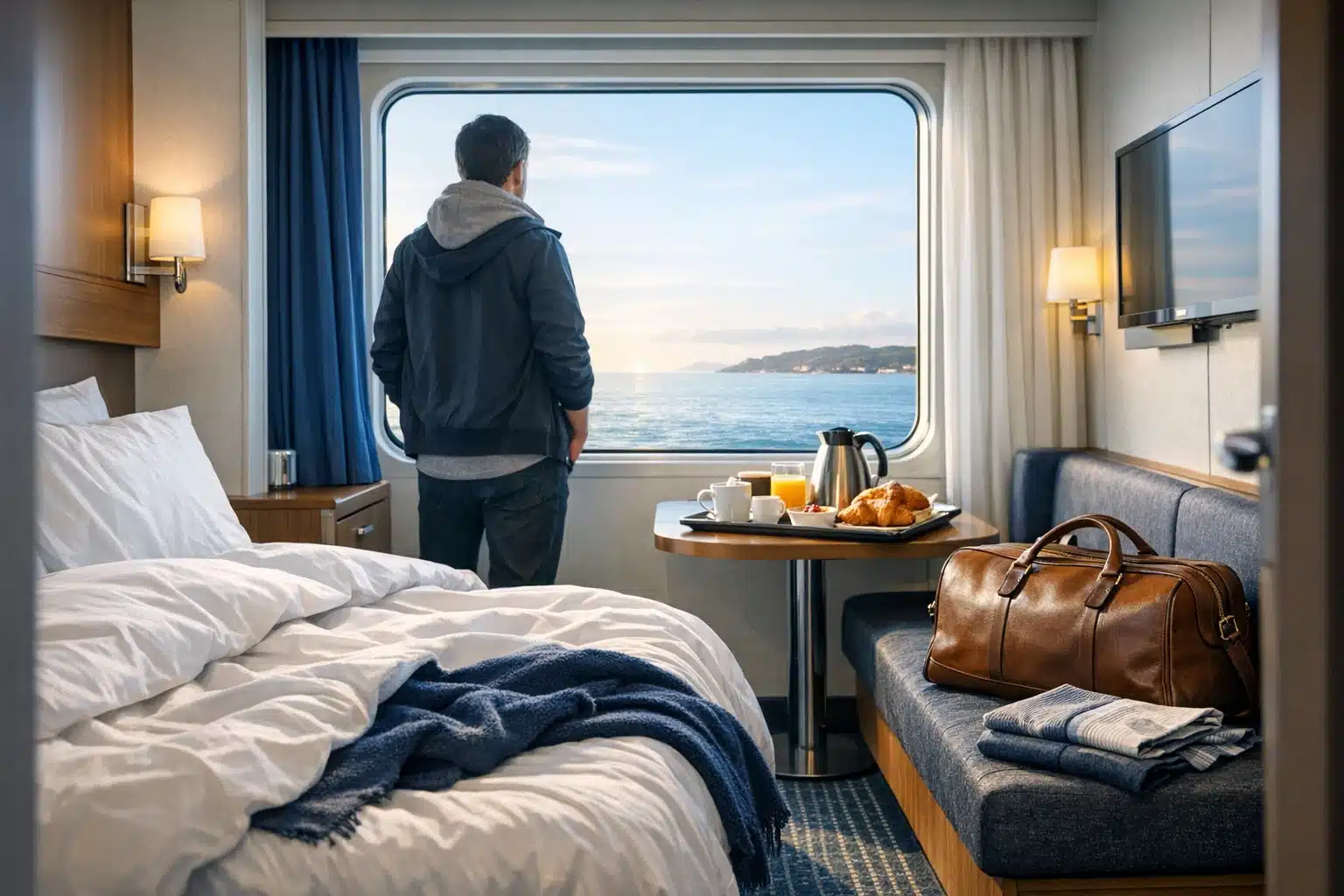
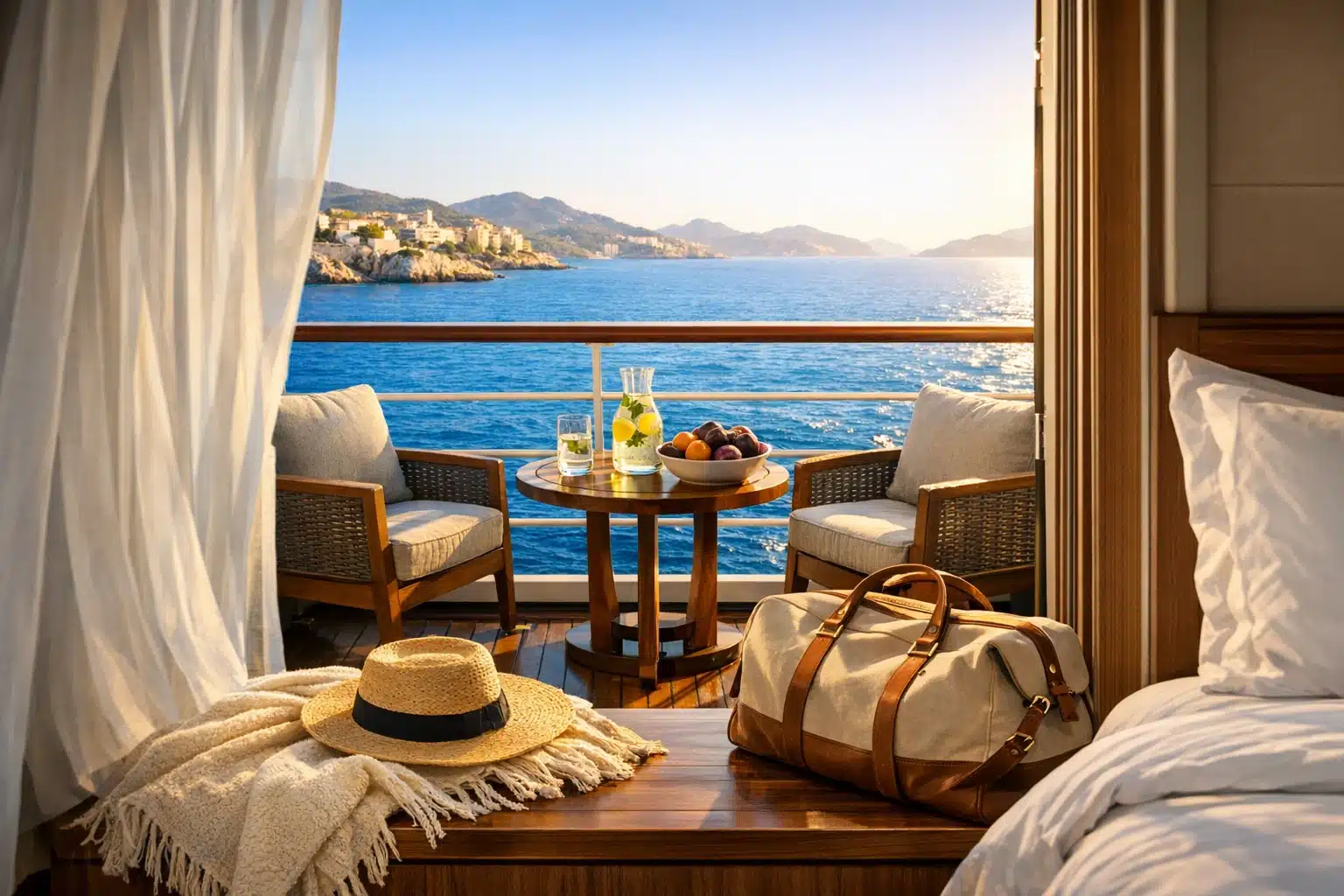
An interior cabin is often the most efficient option for travelers who plan to use the room mainly for sleep, showers, and quick changes before dinner. If you are excited about ports and expect to spend most waking hours on deck or ashore, the savings can be meaningful. An ocean-view cabin offers natural light, which many people appreciate on routes where weather can change quickly and the sea itself becomes part of the entertainment. A balcony cabin is more divisive on a five-night sailing. For some travelers, especially couples, it adds quiet private space and turns even a gray morning into a memorable moment. For others, the premium is hard to justify on a schedule with several port days.
Beyond the fare, it is the extras that reshape the budget. Common add-ons include:
-
Drinks packages or specialty beverages
-
Specialty dining and room service upgrades
-
Wi-Fi access
-
Shore excursions
-
Spa treatments, photos, and onboard shopping
A useful comparison is this: on a port-heavy five-night sailing, a generous drinks package may offer less value than it would on a longer itinerary with multiple sea days. If you are off the ship for much of the day, you may not consume enough onboard to justify the cost. Similarly, booking several specialty dinners can be unnecessary if the main dining room and buffet already fit your tastes. Short cruises reward selectivity. Pick one or two upgrades that you will genuinely enjoy rather than saying yes to everything.
If you want better value overall, focus on the elements that affect your comfort most. For one traveler that may be a quieter deck and a better mattress location away from elevators. For another it may be a simple drinks bundle and one well-chosen excursion. Smart spending on a short cruise is not about doing more; it is about paying for the parts of the experience you will remember.
What to Pack, How to Handle the Weather, and Port-Day Logistics
The Irish Sea region can be beautiful, brisk, moody, and changeable in a single afternoon, so packing for a five-night cruise from Belfast is really an exercise in flexible planning. Even in the warmer months, deck winds can feel noticeably cooler than temperatures inland. That does not mean you need a giant suitcase; it means your clothing should work in layers. A light waterproof jacket, comfortable walking shoes, a mid-layer such as a sweater or fleece, and clothes that can shift from casual daytime sightseeing to a more polished dinner are usually more useful than bulky, single-purpose items.
If your itinerary includes ports in both Northern Ireland and the Republic of Ireland, remember that practical details can change between stops. Currency, mobile roaming arrangements, and document requirements depend on your nationality, cruise line, and route, so check official guidance before departure rather than assuming one rule applies to every passenger. Cards are widely accepted, but having a small amount of local cash can still help for taxis, tips, or quick purchases.
A smart packing list for this kind of cruise usually includes:
-
Travel documents and printed or downloaded boarding information
-
Any required medications in original packaging
-
A day bag for shore visits
-
A reusable water bottle if your line permits one
-
Motion-sickness remedies if you are unsure how you handle open water
-
A universal adapter and charging cable for phones, cameras, or tablets
Port-day logistics matter more on a short sailing because time ashore is limited. If you spend half your stop figuring out transport or wandering in the wrong direction, the day can shrink surprisingly fast. Organized excursions offer ease and timing protection, especially when a destination lies some distance from the port itself. Independent exploring, on the other hand, can be cheaper and more flexible if the city center is nearby and you are comfortable navigating on your own. The best choice depends on your travel style, not on a universal rule.
Arrive for embarkation with time to spare, not by a dramatic last-minute dash. Short cruises often attract weekend-break energy, which means terminals can feel busy and efficient at the same time. Starting the trip calm is worth a great deal. Once onboard, keep essentials in your carry-on rather than your checked luggage, because cabins may not be ready immediately. One last practical truth: weather can rewrite your deck plans, but it rarely ruins the trip if you packed with realism instead of wishful thinking.
Who This Cruise Suits Best and Final Advice for a Better Short Break
A five-night cruise from Belfast is not trying to replace a grand two-week voyage through multiple countries, and it does not need to. Its strength lies in proportion. It gives travelers enough time to feel that they have gone somewhere, seen a few different places, and enjoyed the comforts of a floating hotel, all without demanding a long absence from work, family routines, or a larger travel budget. That makes it especially attractive for first-time cruisers, couples who want a low-stress getaway, friends planning a compact break, and local travelers who would rather start close to home than build in long pre-cruise transfers.
It also compares well with other short holiday formats. A city break can be exciting, but it often requires constant movement between airports, hotels, and restaurants. A road trip offers freedom, yet the driver rarely gets a true holiday from logistics. A short cruise simplifies those moving parts. You unpack once, your meals are largely handled, and your transport between destinations happens while you sleep, dine, or watch the horizon darken into evening. There is a gentle efficiency to that rhythm.
That said, this style of trip suits some expectations better than others. Travelers seeking deep immersion in one destination may find the pace too brief. Those who dislike fixed meal times, embarkation procedures, or the possibility of rougher weather may prefer a land-based route. But for people who enjoy variety, structure, and a touch of maritime atmosphere, the format has real appeal.
The best final advice is simple:
-
Choose one or two must-do moments in each port, not a marathon checklist
-
Budget for the extras that matter to you and ignore the rest
-
Pack for shifting weather instead of idealized sunshine
-
Treat the ship as part of the holiday, not just transport between stops
If you are the kind of traveler who likes the idea of waking up somewhere new without rebuilding your trip from scratch every morning, this cruise format is worth serious consideration. For busy travelers, curious first-timers, and anyone who wants a manageable slice of sea travel, Belfast offers a practical and memorable starting point.