7-Night Cruise From Southampton: Itinerary, Highlights, and Travel Tips
Planning Overview: Why a 7-Night Cruise From Southampton Works So Well
Seven nights is a sweet spot for travelers who want a real escape without needing to vanish for half a month. From Southampton, one well-timed week can lead to fjords, Dutch canals, Belgian squares, or the Atlantic coast of Spain, all without the airport rush on departure day. This guide maps out the main itinerary styles, the costs and choices that shape the trip, and the practical steps that make cruising easier. If you are balancing value, pace, and convenience, this is the point where planning starts to feel simple.
Southampton is the natural starting point for many UK cruise holidays because it combines scale, transport links, and familiarity. Direct trains from London typically take around 80 to 90 minutes, road access is straightforward for drivers, and the city has a mature cruise infrastructure with hotels, taxis, parking providers, and pre-cruise services built around embarkation day. For travelers who dislike the unpredictability of short-haul flights, a Southampton departure removes several common pain points: baggage restrictions are usually less stressful, boarding procedures feel more structured, and there is no need to worry about airport transfers on the far side of your journey.
A 7-night sailing also suits a wide range of travel styles. First-time cruisers often prefer a one-week trip because it is long enough to understand the rhythm of life at sea without feeling overcommitted. Families like the clear schedule and contained budget window. Couples often enjoy the balance between port days and evenings onboard, where dinner, entertainment, and sea views become part of the holiday rather than separate expenses to organize. Retirees, meanwhile, often appreciate the option to see several destinations while unpacking only once.
Here is a simple outline of what matters most when choosing your trip:
• Itinerary style: cities, fjords, or Atlantic ports
• Time in port versus time at sea
• Cabin type and how much you value private outdoor space
• Extra costs such as drinks, gratuities, excursions, and parking
• Seasonal factors including school holidays, weather, and daylight hours
Think of a Southampton cruise as a moving base rather than just a ship journey. You sleep in the same room, dine in the same restaurants, and wake to a new skyline. For many travelers, that combination of stability and variety is exactly what makes the format so appealing. Once you understand the route patterns and onboard decisions, booking becomes less about guesswork and more about matching the voyage to your own pace.
Popular 7-Night Itinerary Styles From Southampton and How They Compare
Not all 7-night cruises from Southampton deliver the same holiday, even when the fares look similar at first glance. The route shapes the mood of the trip. Broadly speaking, the most common one-week itineraries fall into three categories: Northern European city cruises, Norwegian fjord sailings, and western coastal or Atlantic routes that may include ports in France or northern Spain. Each option appeals to a different kind of traveler, and choosing well matters more than chasing the lowest headline price.
Northern European city itineraries usually focus on places such as Zeebrugge for Bruges, Rotterdam or Amsterdam, Hamburg, Le Havre, or occasionally ports connected to Paris and the Low Countries. These sailings are often port-intensive, making them ideal for travelers who enjoy museums, architecture, food halls, and urban sightseeing. The upside is variety: one day you are strolling medieval lanes, the next you are riding a canal boat or visiting a modern waterfront district. The trade-off is pace. Early starts, coach transfers, and long walking days can make these cruises feel busier than the relaxed image many people first associate with cruising.
Norwegian fjord cruises create a different atmosphere altogether. The stars of the trip are not only the ports but also the scenic sailing itself. Ships may call at places such as Stavanger, Olden, Haugesund, Flåm, or Geiranger on certain schedules, and even when the daily stop count is lower than on a city cruise, the views often feel bigger. Mist drifts across dark water, waterfalls cut white lines into green mountain walls, and passengers who rarely rise early somehow appear on deck before breakfast. Fjord itineraries are usually better for travelers who want scenery, nature, and a more contemplative pace rather than a checklist of major attractions.
Western coastal routes, including northern Spain or French Atlantic ports, can offer the warmest blend of culture and leisure. Stops may include Bilbao, La Coruña, or ports in western France, depending on the line and season. These itineraries often feel slightly more relaxed than the city-heavy northern routes, while still delivering strong food, history, and shoreline scenery.
A quick comparison helps:
• For classic sightseeing and urban energy, choose Northern Europe
• For landscape and scenic cruising, choose the fjords
• For a softer mix of culture, food, and milder weather, consider Atlantic routes
The best itinerary is rarely the one with the longest port list. It is the one whose rhythm matches how you actually like to travel.
What the Week Often Looks Like: Embarkation, Sea Days, and Port Highlights
A 7-night cruise from Southampton usually begins with a lesson in contrast: the practical choreography of embarkation followed by the surprisingly quick shift into holiday mode. On departure day, passengers typically arrive in staggered check-in windows, hand over luggage, pass through security, and step onboard by late morning or early afternoon. Cabins may not be ready immediately, so the first hours often involve lunch, a walk around open decks, and that first small thrill of seeing Southampton Water from above. When the ship eases away from the terminal, cranes, ferries, and shoreline buildings slowly shrink behind you, and the week finally feels real.
From there, the schedule depends on the route, but most 7-night sailings mix active port days with one or two sea days. On a Northern Europe itinerary, your week might look something like this:
• Day 1: Embark in Southampton
• Day 2: Sea day or short sail to the first port
• Day 3: Zeebrugge, often used for Bruges, where cobbled lanes and canal views attract day-trippers
• Day 4: Rotterdam or Amsterdam, with options ranging from art museums to canal cruises
• Day 5: Hamburg or another major port city with maritime history and broad shopping streets
• Day 6: Sea day, which often becomes a welcome reset
• Day 7: Final port or scenic sail
• Day 8: Return to Southampton
On a fjord cruise, the pattern can feel even more cinematic. After a sea day, the ship may enter a narrow channel early in the morning, and the journey into port becomes an attraction in itself. Stavanger blends a working harbor feel with white wooden houses and easy independent wandering. Olden is small, but it opens the door to glacier country and dramatic lakes. Flåm, when featured, is known for its railway and valley scenery. Haugesund offers a manageable town stop with Viking associations and coastal viewpoints. These ports are usually less about ticking off landmarks and more about atmosphere, natural setting, and excursions tied to the landscape.
Sea days are important because they shape how tiring or restorative the week becomes. A port every day can sound efficient, yet many travelers end up valuing the quiet morning coffee, the chance to read by a window, or the lazy stretch of afternoon light on deck. In practical terms, sea days also give you time to enjoy what you paid for onboard: included dining, shows, pools, lectures, fitness spaces, and simply the pleasure of having nowhere urgent to be.
The smartest way to view the itinerary is not as a race through destinations, but as a sequence of moods. One day asks for sturdy shoes and a map. The next asks for a blanket, a horizon, and no plan at all.
Budget, Cabin Choice, and Onboard Decisions That Change the Value of the Trip
A cruise fare can look attractively simple, but the true cost of a 7-night sailing from Southampton depends on several choices you make before and after booking. The base fare usually covers your cabin, main dining venues, entertainment, and standard onboard facilities. Beyond that, spending can widen quickly through gratuities, drinks, specialty restaurants, Wi-Fi packages, spa treatments, parking, hotel stays, and shore excursions. None of these extras is inherently bad value, yet the key is understanding which ones match your habits instead of buying them by default.
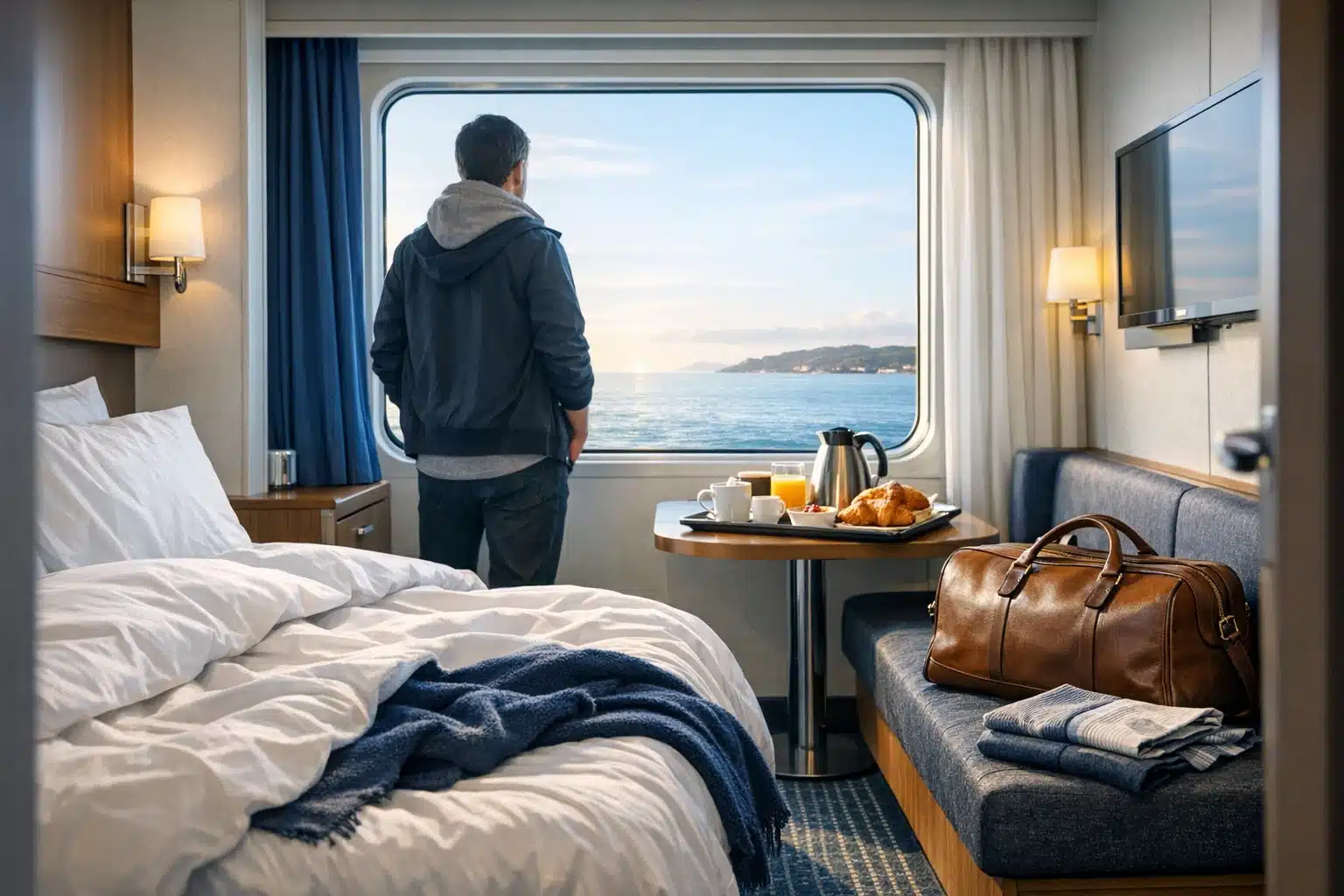
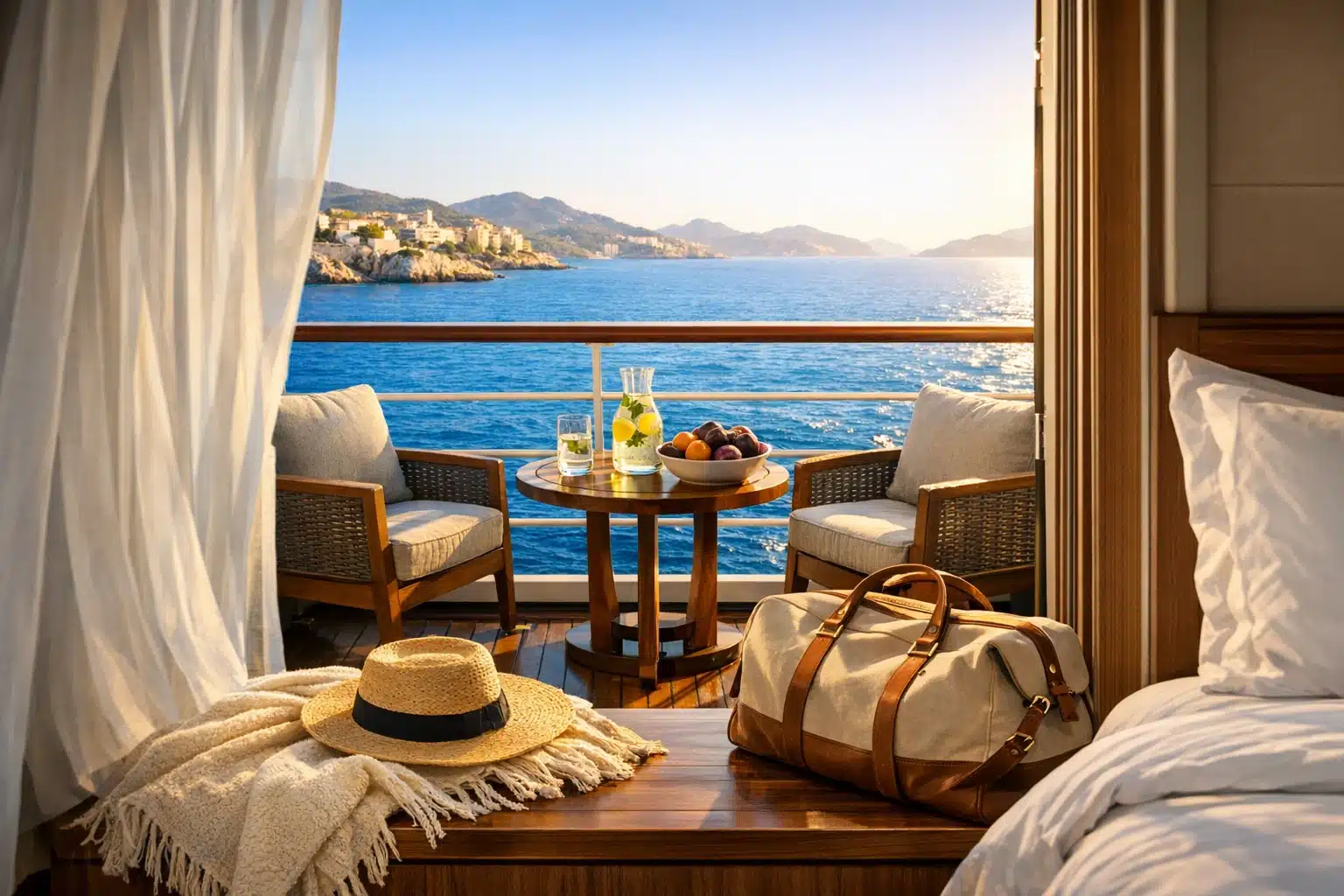
Cabin type is often the biggest planning decision. Inside cabins are usually the lowest-priced option and can make excellent sense for travelers who treat the room as a place to sleep and shower. Ocean-view cabins add natural light, which many people find more important than they expected once the ship is underway. Balcony cabins cost more, but on scenic routes such as the fjords, many passengers consider the premium worthwhile because it gives them private access to the very thing they came to see. Suites add space, better locations, and sometimes extra perks, but they are best viewed as a lifestyle upgrade rather than a necessity on a one-week trip.
A practical way to think about cost is to divide it into three layers:
• Fixed costs before departure: cruise fare, travel insurance, transport to Southampton, parking or a hotel
• Likely onboard costs: gratuities, drinks beyond basic options, internet access, and optional dining
• Variable trip costs: excursions, souvenirs, café stops in port, and last-minute add-ons
Excursions deserve special attention. Ship-organized tours are convenient and usually come with the reassurance that the vessel will wait or arrange alternatives if the trip runs late. Independent touring can be cheaper and more flexible, especially in ports with easy rail or shuttle connections. For example, Bruges from Zeebrugge or Amsterdam from nearby docking areas may be accessible without a fully escorted tour, depending on the exact berth. Still, independent plans require time awareness, transport research, and a buffer for delays.
Season also changes value. School holiday periods tend to bring higher fares and fuller ships. Shoulder-season sailings can offer lower prices and a calmer atmosphere, though the weather may be cooler and daylight shorter. Booking early often gives the best cabin choice, while late deals can suit flexible travelers willing to accept limited room selection.
The cheapest cruise is not always the best buy, and the highest fare is not automatically the best experience. The strongest value usually comes from aligning the route, cabin, and extras with the way you genuinely travel, not with the way brochures tempt you to imagine you might.
Travel Tips and Final Thoughts: How to Get the Most From a 7-Night Cruise From Southampton
The most useful travel tips for a Southampton cruise are rarely glamorous, but they often shape the trip more than any single port stop. Start with timing. If you live far from the port, arriving in Southampton the night before can reduce stress significantly, especially in winter or during busy holiday periods. A pre-cruise hotel stay costs extra, yet it can transform embarkation day from a tense dash into a calm start. Southampton has hotels across different price bands, and many travelers choose one that offers parking packages or a short taxi ride to the terminal.
Packing for a 7-night cruise is easier when you build around layers rather than outfits. Weather in Northern Europe can change quickly, and a warm morning in port may turn into a windy sail-away later in the day. Good walking shoes matter more than many first-time cruisers expect. A light waterproof jacket, a small day bag, charging cables, any medication you need, and printed or downloaded travel documents should all be near the top of your list. If you are prone to motion discomfort, bring remedies before boarding rather than hoping the ship shop has your preferred option.
A few practical habits make the week run more smoothly:
• Check passport and entry requirements well in advance, even for close-to-home itineraries
• Complete online check-in early to secure a convenient arrival window
• Keep valuables and first-day essentials in your hand luggage, not your checked case
• Review whether gratuities are included in your fare before you budget
• Look at port maps ahead of time so you know whether independent exploring is realistic
Onboard, pace yourself. Many first-time cruisers try to do everything at once: every quiz, every show, every trivia session, every dessert counter, every shore excursion. The result can feel oddly rushed on a holiday designed to reduce friction. Choose a few priorities and let the rest remain optional. Some of the best cruise moments are unplanned: a quiet deck at dusk, a harbor arrival seen from a stairwell window, or the simple pleasure of returning to the same cabin after a full day ashore.
For the target audience considering this trip, the final question is straightforward: is a 7-night cruise from Southampton the right fit? If you want an accessible holiday with a clear structure, a manageable duration, and the chance to sample several destinations without constant repacking, the answer is often yes. It works especially well for first-time cruisers, busy professionals, couples seeking an easy week away, and UK-based travelers who would rather start the holiday at the port than at a departure gate. In short, this kind of cruise succeeds not because it tries to do everything, but because it offers a well-balanced week in which transport, accommodation, dining, and discovery move together with very little friction.