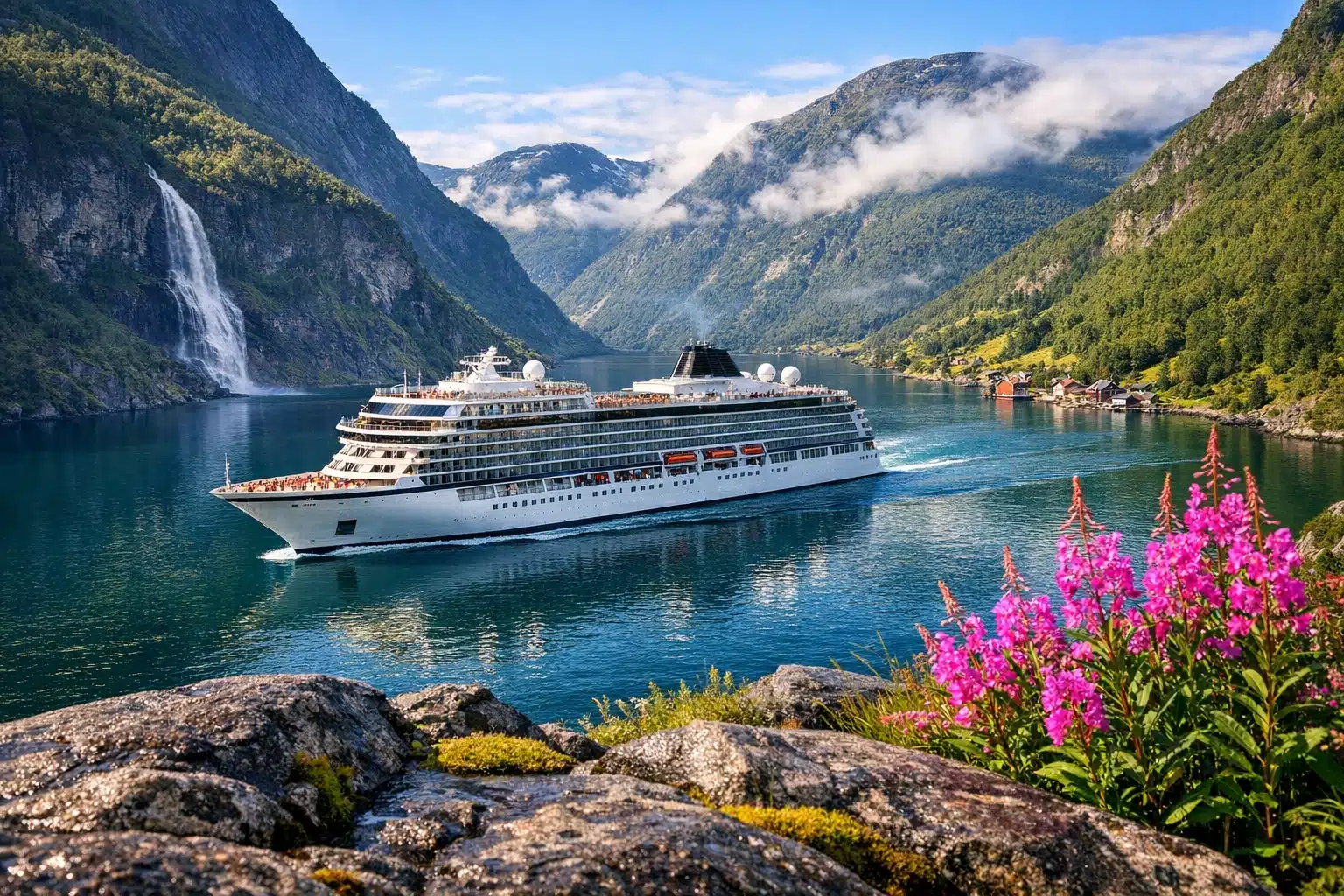
 Artificially generated image
 8-Night Cruise From Newcastle: Itinerary and Travel Tips
An 8-night cruise from Newcastle appeals to travellers who want the ease of a local departure and the variety of a multi-country trip. Instead of juggling airport queues, rail changes, and several hotel check-ins, you unpack once and let the route come to you. In just over a week, a well-planned sailing can blend North Sea drama, compact old towns, and long summer evenings into one smooth holiday rhythm. That mix of convenience and discovery is exactly why this format keeps attracting first-time cruisers and seasoned repeat guests.
This article is organised as a practical outline followed by detailed guidance, so you can move from the broad shape of the holiday to the finer details that often decide whether a trip feels effortless or hurried.
- Section 1 explains a typical 8-night itinerary from Newcastle and compares common route styles.
- Section 2 covers embarkation, transport, and what to expect before the ship even sails.
- Section 3 looks at port days in more depth and compares independent touring with cruise line excursions.
- Section 4 focuses on packing, budgeting, cabin choice, and onboard planning.
- Section 5 sums up who this cruise suits best and offers final advice for making the most of it.
1. A Typical 8-Night Itinerary From Newcastle and Why the Route Matters
An 8-night cruise from Newcastle usually starts at the Port of Tyne, the main cruise gateway for the city, located a short distance east of the centre. While exact schedules vary by cruise line and season, most sailings in this length fall into one of two patterns: a Norway-focused itinerary built around scenery and fjords, or a North Sea city route mixing cultural stops such as Amsterdam, Hamburg, Bruges or Copenhagen with one or two sea days. Both options work well in eight nights, but they create very different holidays.
A typical scenic itinerary might look like this:
- Day 1: Embark at Newcastle and depart in the late afternoon or evening
- Day 2: At sea, crossing the North Sea
- Day 3: Stavanger
- Day 4: Flåm or Olden
- Day 5: Bergen
- Day 6: At sea
- Day 7: Amsterdam or IJmuiden for Amsterdam
- Day 8: Final sea day with return sailing
- Day 9: Arrive back near Newcastle and disembark
This kind of route offers a particularly strong balance. Norway brings the cinematic moments: steep-sided fjords, waterfalls that seem to appear out of cloud, and villages that look as though they were assembled for a postcard and then forgotten by time. The later Dutch stop adds an urban contrast, with canals, museums, cycling culture and easier shopping. For travellers who dislike feeling pinned to a timetable, this blend works well because the scenic days are naturally slower and the city day brings a livelier pace.
By comparison, an itinerary focused more heavily on European city ports can feel busier. It often gives you longer coach transfers, more walking on hard streets, and less of the “wake up and stare at mountains” magic that makes northern cruising memorable. On the other hand, city-heavy routes are excellent for travellers who prioritise architecture, food halls, galleries, and Christmas market departures in colder months. If your ideal day includes tram networks, cathedral squares and café-hopping, that style may suit you better than a fjord itinerary.
The length of eight nights is one of the format’s greatest strengths. It is long enough to settle into shipboard life, but short enough to fit around work, school holidays or a limited annual leave allowance. You get time to learn the rhythm of sea days, find your favourite deck, and stop checking the clock every ten minutes. In practical terms, that matters. Cruises shorter than a week can feel rushed, while longer voyages are not always easy for first-timers to commit to. Eight nights lands neatly in the middle: substantial, manageable, and varied enough to feel like a proper journey rather than a quick sample.
2. Getting to the Port, Boarding Smoothly, and Starting the Trip Well
One of the biggest advantages of cruising from Newcastle is that the holiday begins without the friction that often comes with international departures. For travellers in the North East, this can mean leaving home after breakfast and being checked in by lunchtime. Even for guests arriving from elsewhere in the UK, Newcastle is a relatively straightforward embarkation point. Newcastle Central Station connects well by rail, and Newcastle International Airport is compact enough to feel manageable rather than exhausting. From central Newcastle to the Port of Tyne area, a taxi journey is often around 20 to 30 minutes depending on traffic, while airport transfers can take roughly 30 to 40 minutes.
That convenience shapes the entire mood of the trip. When the departure process is calmer, people board in a better frame of mind. You are less likely to arrive already tired, overpacked, and silently annoyed at the world. Instead, there is time to look around the terminal, double-check documents, and enjoy the small thrill of seeing your ship at close range for the first time.
Still, easy does not mean automatic. Good preparation matters, and the most reliable cruise travellers tend to follow a simple checklist:
- Complete online check-in in advance if your cruise line offers it
- Keep passports, boarding documents and travel insurance details together
- Attach luggage tags securely before reaching the terminal
- Pack medication, chargers, valuables and one change of clothes in hand luggage
- Arrive within the recommended boarding window rather than too early
If you live several hours away, staying in Newcastle the night before is often worth the cost. It reduces the risk of motorway delays, rail disruption or weather issues, and it gives the first day a more relaxed start. A same-day drive can work perfectly well, but it does place more pressure on the morning. For older travellers, families, or anyone anxious about timetables, a hotel near the city centre or port area can be a very sensible buffer.
Once at the terminal, the process usually follows a predictable sequence: baggage drop, document check, security screening, then waiting to board. After embarkation, cabins may not be immediately ready, so it helps to keep essentials with you. Most passengers head first to a buffet or lounge, but a more strategic move is to confirm dining arrangements, inspect the daily programme, and complete the mandatory safety drill. That early hour sets the tone for the voyage. It is the difference between wandering aimlessly and beginning with a sense of direction.
There is also a financial angle to embarkation planning. Port parking, taxis, pre-cruise hotels and transfer services can affect the overall cost more than people expect. A cruise fare may look competitive, but the total trip budget needs to include the land side as well. The good news is that Newcastle departures are often still cost-effective compared with flying to a Mediterranean embarkation port, especially when airport extras, baggage fees and overseas hotel stays are factored in. For many UK travellers, that is one of the strongest reasons to choose this kind of sailing in the first place.
3. Port Days in Practice: How to Explore Well Without Feeling Rushed
The most memorable part of an 8-night cruise from Newcastle is usually not only where the ship goes, but how you use the limited hours in each port. A well-chosen shore plan can make a stop feel rich and satisfying. A poor one can leave you with sore feet, rushed photographs and a vague memory of queueing for toilets in the rain. Because port times are fixed, the smartest travellers do not try to do everything. They decide what kind of day they want and build around that.
Take Stavanger, for example. It is compact, attractive and relatively easy to explore independently. The old town’s white wooden houses, harbourfront cafés and nearby viewpoints make it well suited to a self-guided day. If, however, you are hoping to reach Preikestolen, or Pulpit Rock, that becomes a much more complex outing involving transfers, walking time and weather judgment. For active travellers it can be rewarding, but it is not a casual stroll. In that case, a ship-organised excursion can reduce uncertainty, even if it costs more.
Flåm presents a different calculation. The village itself is tiny and peaceful, but the famous Flåm Railway is the star attraction. It climbs from sea level to around 867 metres over roughly 20 kilometres, which is why tickets often sell quickly. Independent booking may save money, yet cruise line excursions can protect you from timing risks if the ship’s stay is short. Bergen, by contrast, works beautifully as a flexible port. Bryggen, the historic wharf area and a UNESCO-listed site, is close enough to absorb on foot, while the funicular to Mount Fløyen adds a simple scenic option without demanding the whole day.
Amsterdam-linked calls require another kind of planning altogether because some ships dock at IJmuiden rather than the city centre. That often means a transfer of around 30 to 45 minutes each way. It is still very doable, but the transfer time trims the hours available in the city. If Amsterdam is your main reason for booking, check the actual port and shuttle details before you commit.
When choosing between independent touring and cruise excursions, use this practical comparison:
- Independent exploration is usually cheaper and more flexible
- Cruise excursions are often easier for distant attractions or ports with complex transport
- Private tours can be an excellent middle ground for small groups
- Walkable ports reward simple planning and early starts
- Weather-sensitive destinations benefit from backup options
One of the best habits on a northern cruise is to avoid overstuffing every port day. Leave room for serendipity. Sit by the harbour with coffee. Wander into a bakery. Watch bicycles, gulls, market stalls and ferry traffic without treating the day like a timed exam. Cruises can accidentally turn people into collectors of landmarks, ticking boxes with grim efficiency. The better approach is gentler: pick one major aim, one secondary idea, and one easy fallback. That structure keeps the day purposeful while leaving space for pleasure, which is what travel is meant to deliver in the first place.
4. Packing, Budgeting, Cabin Choice, and Onboard Strategy for a Better Voyage
Northern Europe rewards sensible packing far more than glamorous packing. Even in late spring and summer, temperatures can shift quickly between cool mornings, sunny afternoons and windy evenings. Depending on the month and port, daytime conditions may range from roughly 8°C to 20°C, and exposed decks can feel colder when the ship is moving. That means layers matter. A lightweight waterproof jacket, comfortable walking shoes with grip, a warm mid-layer, and a small day bag are more useful than a suitcase full of “just in case” formalwear.
If you are debating cabin type, the decision should match both your budget and your travel style. Inside cabins are often the best value and can be surprisingly restful because they are dark and quiet. Ocean-view cabins add natural light and a stronger sense of connection to the voyage. Balcony cabins cost more, but on scenic routes they can feel worth it, especially in fjord regions where the view changes hour by hour. That said, many passengers pay for a balcony and then spend most of their time on public decks, lounges or in port. If price matters, it is sensible to ask yourself how often you realistically use private outdoor space at home or in hotels.
For travellers worried about motion, midship cabins on lower to middle decks are usually a practical choice because they tend to feel more stable. The North Sea is not always rough, but it can be livelier than sheltered Mediterranean waters. If you are prone to seasickness, prepare before departure rather than waiting until the ship starts moving. Common options include wristbands, over-the-counter remedies and advice from a pharmacist. It is much easier to prevent discomfort than to recover from it once nausea arrives.
Budgeting deserves equal attention because cruise pricing can appear simpler than it really is. The fare usually covers accommodation, meals in main venues and entertainment, but many extras are optional rather than included. Typical add-on costs may include:
- Shore excursions, often ranging from moderate city tours to premium scenic trips
- Drinks packages or pay-as-you-go beverages
- Specialty dining
- Wi-Fi packages
- Service charges or gratuities, depending on cruise line policy
- Port shuttles and transport in cities
It is also wise to think about spending priorities in advance. Some travellers get real value from excursions and skip premium dining. Others prefer to walk independently in port and spend more on a balcony or a drinks package. There is no universal best choice, only the combination that fits your habits. A quiet but important tip: check mobile phone roaming rules and maritime network charges. Using your phone at sea without a plan can become an expensive surprise.
Onboard strategy matters too. Sea days are not empty days; they are recovery days, observation days, and part of the holiday’s rhythm. Use them well. Explore the ship early, attend a talk if it interests you, book dining times before slots disappear, and do not feel obliged to join every activity. Sometimes the finest hour of a cruise is simply standing at the rail with a mug of tea, watching the horizon look enormous and unbothered.
5. Conclusion: Who an 8-Night Cruise From Newcastle Suits Best and Final Travel Tips
An 8-night cruise from Newcastle suits a wide range of travellers, but it is particularly attractive for people who want meaningful variety without overcomplicating the journey. Couples often enjoy the balance between quiet sea days and shared port experiences. Older travellers may appreciate the convenience of a UK departure and the chance to avoid airport stress. First-time cruisers benefit from a voyage that feels substantial without committing them to two weeks at sea. Even multi-generational groups can find it workable because everyone can shape the holiday differently: one person heads for museums, another chooses a scenic rail journey, and someone else is perfectly happy with coffee and a view.
The key to enjoying this kind of trip is matching expectations to reality. An 8-night cruise is not a deep immersion in every destination. It is a sampler, a moving hotel, and a very efficient way to compare places that may later deserve a longer land-based visit. If you accept that from the start, the experience becomes much more satisfying. You stop trying to “complete” Amsterdam in a day or pretend a short Norwegian call is the same as a full hiking holiday. Instead, you enjoy what cruise travel does best: giving you a sequence of vivid introductions stitched together by comfortable evenings and simple logistics.
Before booking, it helps to ask a few direct questions:
- Do you want scenery, city culture, or a mix of both?
- Would you rather spend more on the cabin or on port experiences?
- Are you happy planning independently, or do you prefer pre-arranged excursions?
- How comfortable are you with cooler weather and the possibility of wind or rain?
- Would a pre-cruise overnight stay reduce stress?
If the answers lean toward convenience, variety, and manageable pacing, this format is likely a strong fit. The departure from Newcastle is part of the appeal, not just a starting point on a map. It removes friction from the opening and closing stages of the holiday, which means more of your energy goes into the trip itself. That is a practical advantage, but it is also an emotional one. A smoother start often leads to a better journey.
For the target reader considering this holiday, the smartest final advice is simple. Choose an itinerary based on what excites you most, not what looks longest on a list of ports. Build in a little breathing room on shore days. Pack for changing weather rather than ideal weather. Keep a close eye on total costs, not only the headline fare. Do those things, and an 8-night cruise from Newcastle can deliver exactly what many travellers are searching for: an accessible escape that feels both easy to manage and genuinely memorable.