8-Night Cruise From London: Itinerary and Travel Tips
Why an 8-Night Cruise From London Appeals to So Many Travelers
An 8-night cruise from London sits in a sweet spot for travelers who want more than a weekend escape but less complexity than a long-haul holiday. In just over a week, you can leave the city skyline behind, settle into a floating routine, and wake up near canal-lined Dutch ports, Belgian medieval streets, or the French coast. That balance of convenience, variety, and manageable planning is exactly why this cruise length keeps attracting first-time and repeat passengers alike.
One reason these cruises remain popular is geography. London is well connected to several departure points, with Tilbury traditionally the most direct “London” cruise port and Southampton often marketed to London-based travelers because it is easy to reach by train or private transfer. For visitors already staying in the capital, that means a cruise can begin without an internal flight, which reduces both cost and stress. Compared with Mediterranean sailings that may require airport transfers, extra hotel nights, and stricter baggage timing, a London departure can feel refreshingly straightforward.
The 8-night format also works well for a wide range of travelers. It is long enough for passengers to enjoy sea days, sample the entertainment, and avoid the rushed feeling that sometimes comes with shorter itineraries. At the same time, it is less demanding than a 12- to 14-night voyage, which can be harder to fit around work schedules, school breaks, or budget limits. This makes it especially attractive to couples, solo travelers, retired passengers, and multigenerational families looking for a balanced trip.
This article is organized to help you move from curiosity to planning with a clear structure:
• Section 1 explains why this cruise length works so well and sets the framework for planning.
• Section 2 walks through a realistic sample itinerary from London, with port-by-port guidance and route comparisons.
• Section 3 looks at how to choose the right ship, cabin, and onboard experience for your travel style.
• Section 4 focuses on practical preparation, including transport, documents, packing, and weather.
• Section 5 covers budgeting, excursions, and final advice for getting the most value from the trip.
If a cruise is a moving city, then an 8-night voyage is just enough time to learn its streets without feeling that you have signed a lease. That is the charm of this travel format: it gives you structure, variety, and breathing room, all from a departure point that many travelers already know well.
A Realistic 8-Night Cruise Itinerary From London and How Routes Can Differ
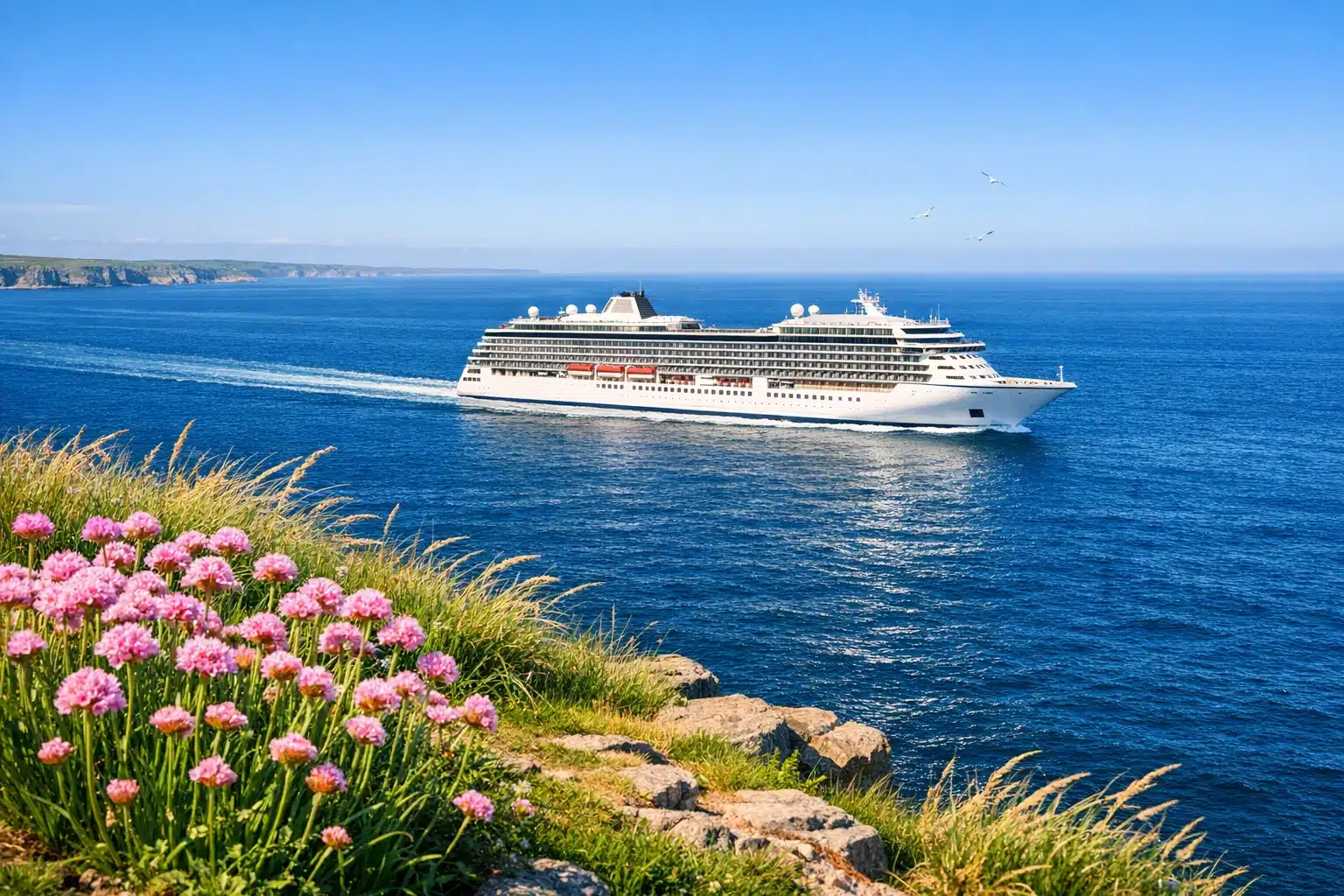
Most 8-night cruises from London or the greater London area focus on Northern Europe, the Low Countries, the Channel coast, or short scenic combinations that mix cities with sea days. A practical sample itinerary often looks something like this: Day 1 embarkation at Tilbury or transfer departure from London to Southampton, Day 2 at sea, Day 3 Amsterdam or IJmuiden, Day 4 Zeebrugge for Bruges, Day 5 Le Havre for Normandy or Paris, Day 6 Honfleur or a second French port, Day 7 at sea, Day 8 a southern English or Channel Islands stop, and Day 9 disembarkation. Cruise lines vary the order depending on tides, berth availability, and fuel-efficient routing, but this pattern is common because it keeps sailing distances reasonable.
Amsterdam-related calls are usually a favorite. They offer a strong contrast to London without requiring an exhausting travel day. Passengers can spend time in canal districts, major museums, or compact neighborhoods that are easy to explore independently. Zeebrugge works differently: the port itself is functional rather than picturesque, but it serves as a gateway to Bruges, one of the most atmospheric short-distance excursions in the region. Cobbled streets, stepped gables, and market squares make it a classic “camera down, look around” stop. French ports such as Le Havre or Honfleur then add another layer, from Normandy history tours to seafood-focused day trips.
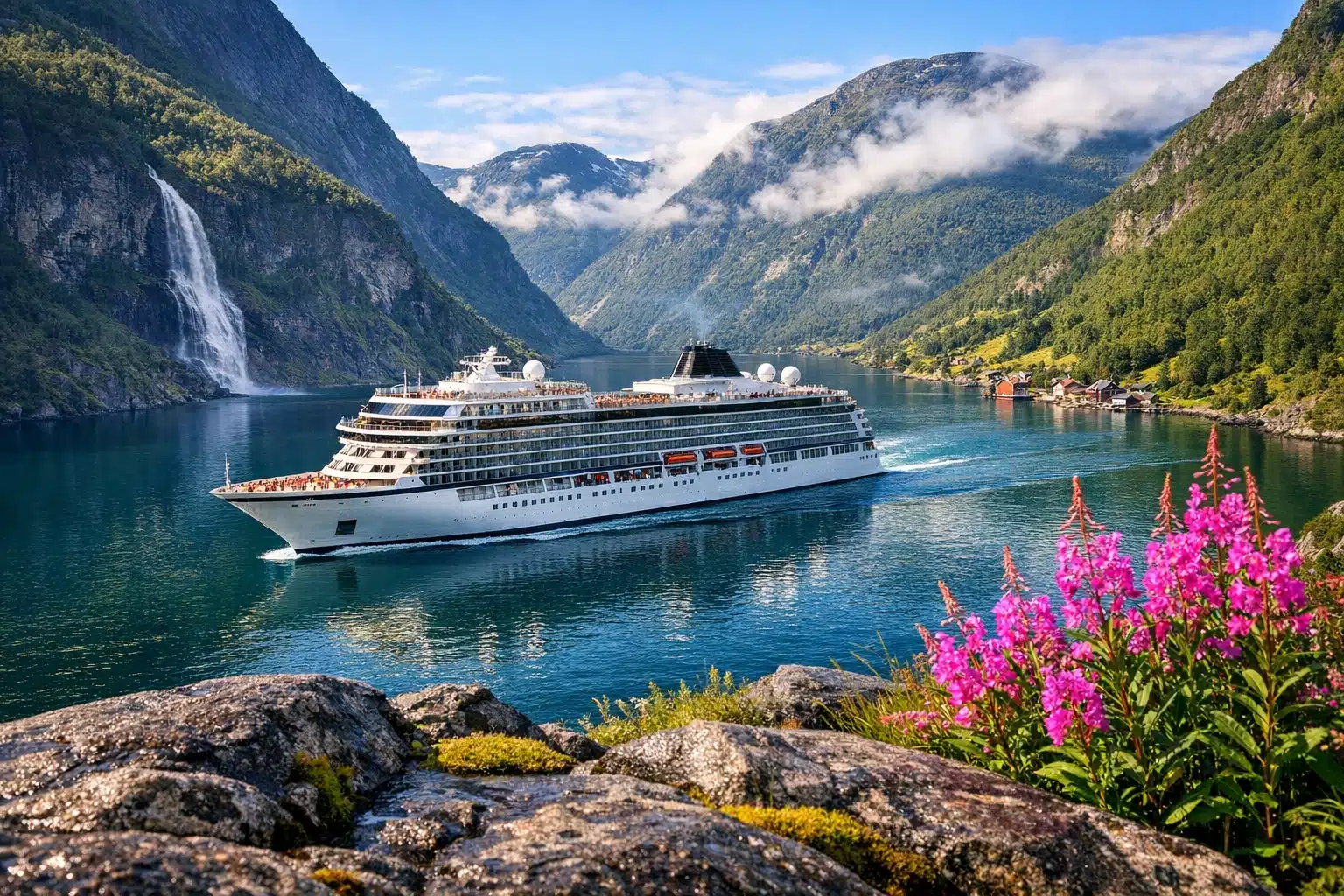
There are also alternative 8-night routes worth comparing. Some ships head north toward Norway for a fjord sampler, while others lean more heavily into the British Isles. The main differences usually come down to weather, scenery, and pace:
• Low Countries and Channel itineraries tend to offer shorter sailing legs, more urban sightseeing, and easier independent exploration.
• Norway-focused sailings emphasize landscapes, longer scenic cruising periods, and cooler temperatures.
• British Isles routes often feature tender ports, smaller historic towns, and a more weather-dependent experience.
If this is your first cruise from London, an itinerary centered on Amsterdam, Bruges, and the French coast is often the easiest introduction. Distances are moderate, ports are familiar to cruise operators, and excursion choices are broad. It also creates a satisfying rhythm: one day you are gliding out of England, the next you are eating waffles near a Belgian square, and soon after that you are choosing between a Normandy tour and a slow lunch beside a French harbor. That variety is the real strength of an 8-night voyage: it feels full without becoming frantic.
Choosing the Right Ship, Cabin, and Onboard Experience for This Cruise Length
Not every 8-night cruise feels the same, even when the ports are similar. The ship itself shapes the trip as much as the itinerary, which is why booking the right vessel matters. On a route from London to nearby European destinations, you are rarely choosing based on distance alone. Instead, you are deciding what kind of holiday mood you want: quiet and traditional, lively and entertainment-heavy, or somewhere in the middle. An itinerary can be elegant on paper, but if the onboard atmosphere does not suit you, the voyage may feel oddly mismatched.
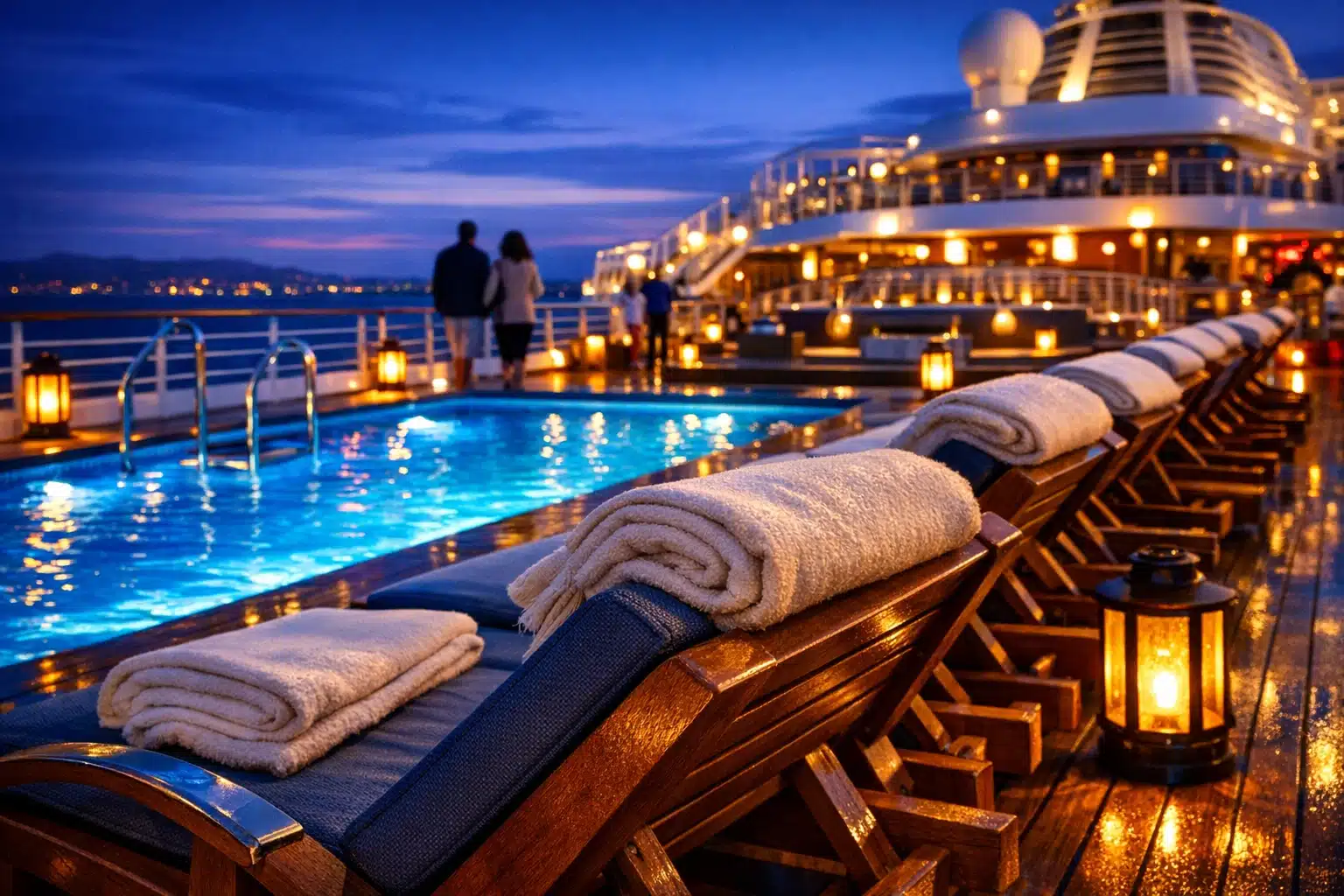
Smaller and mid-sized ships often work especially well for Northern European itineraries. They can feel calmer, boarding is usually simpler, and getting on and off at ports tends to be more efficient. Larger ships, on the other hand, may offer more restaurants, bigger theaters, family facilities, and a wider range of cabin categories. For some travelers, that abundance is part of the fun. For others, it means longer waits, more crowded pool decks, and a schedule that feels closer to a resort than a voyage. Neither style is automatically better; it depends on whether you value scale or ease.
Cabin choice deserves more attention than many first-time cruisers give it. On an 8-night trip, your room is not just a place to sleep. It becomes your reset point between shore days, evening shows, and sea-day hours. Typical choices include:
• Interior cabins: usually the lowest-cost option and ideal for travelers who mainly use the room for sleeping and changing.
• Ocean-view cabins: good for passengers who want natural light without paying balcony prices.
• Balcony cabins: often worthwhile on scenic sailings or for travelers who enjoy private outdoor space, breakfast with a view, or quiet evening air.
• Suites: best suited to those prioritizing extra space, premium services, or longer in-cabin downtime.
For an 8-night London cruise, a balcony can be particularly attractive if your route includes scenic arrivals, cool but crisp sea days, or early-morning port approaches. Still, it is not essential. Some travelers save money on the cabin and spend more on excursions, specialty dining, or a drinks package. That can be a smarter trade if you plan to be out exploring most of the time.
Also check what is included. Cruise fares may differ not just by cabin, but by perks such as gratuities, Wi-Fi, beverage packages, or shuttle services. A slightly higher fare can offer better overall value if it covers costs you would otherwise add later. Think of the ship as both transport and hotel: comfort matters, but fit matters more. The best choice is the one that supports the way you actually travel, not the way brochures imagine you will.
Practical Travel Tips Before You Sail: Ports, Documents, Packing, and Timing
Good cruise planning begins before embarkation day. One of the most useful things to understand is that “from London” can mean different operational realities. Some cruises genuinely depart from Tilbury, which is the closest traditional cruise port to central London. Others leave from Southampton but are marketed to London travelers because the transport links are strong. From central London, Tilbury can often be reached in roughly 45 to 60 minutes by train plus transfer, while Southampton usually takes around 80 to 120 minutes depending on rail schedules or road traffic. That difference is important when deciding whether to travel on the same day or arrive the night before.
If your embarkation port is Tilbury, same-day travel is often feasible for domestic travelers, though leaving margin for delays is still wise. If your ship sails from Southampton and you are flying into the UK or carrying a lot of luggage, an overnight stay near the port can make the first day feel much smoother. Cruise terminals move efficiently, but the calmest passengers are usually the ones who avoided a rushed start.
Documents are equally important. Requirements vary by nationality and itinerary, so always check with the cruise line and official government sources, but the standard checklist usually includes a valid passport, boarding documents, travel insurance details, and any destination-specific entry requirements. It is also sensible to carry both digital and printed copies of key bookings in case mobile data becomes unreliable at the terminal.
Packing for an 8-night Northern Europe cruise means preparing for variety rather than extremes. Weather can shift quickly, even in late spring and summer. Typical daytime temperatures may range from about 10 to 18 degrees Celsius in spring or autumn, and from roughly 18 to 24 degrees Celsius in summer, but wind on deck can make it feel cooler. A flexible packing strategy works best:
• Light layers for changing temperatures.
• A waterproof jacket or compact rain shell.
• Comfortable walking shoes with good grip.
• One smarter outfit if your cruise line has dressier evenings.
• A small day bag for port visits.
• Basic medication, chargers, and a universal travel adapter if needed.
Finally, pay attention to timing. Arrive at the terminal within your assigned boarding window, but do not turn up far too early unless instructed. Cruise embarkation is smoother when passengers follow the schedule. Think of the first day as a handoff between land and sea: the more calmly you manage that handoff, the faster the holiday feeling takes over.
Budgeting, Excursions, and Final Advice for Getting the Most From the Voyage
One of the biggest planning mistakes travelers make is focusing only on the base fare. An 8-night cruise from London can look inexpensive at first glance, especially in an interior cabin, but the real cost depends on what you add. As a broad planning range, budget-conscious fares might begin around £700 to £1,200 per person for an interior cabin on selected dates, while balcony cabins often move into the £1,200 to £2,000-plus range depending on line, season, and inclusions. That does not mean the more expensive option is automatically poor value. Sometimes the higher fare includes drinks, gratuities, or Wi-Fi, which can narrow the gap quickly.
Excursions are the next major variable. Cruise-line shore tours are convenient and usually offer strong logistical protection, especially on long transfer days such as Paris from Le Havre or Bruges from Zeebrugge. Independent exploration can be cheaper and more flexible, but it requires confidence with local transport, timing, and return planning. A practical mixed approach often works best: book ship excursions for complex ports, then explore independently in compact, walkable destinations. That keeps costs under control without turning every stop into a self-managed logistics exercise.
Useful spending categories to review before you sail include:
• Shore excursions, which often range from about £40 for simple transfers to £150 or more for full-day specialty tours.
• Drinks packages, sometimes priced around £30 to £70 per day depending on line and inclusions.
• Specialty dining, which may add a premium if you want alternatives to the main dining room.
• Gratuities, if they are not already included in your fare.
• Transport to the port, pre-cruise hotel stays, and travel insurance.
To get better value, prioritize what matters most to you instead of buying every add-on. If you care deeply about port visits, save money on cabin category and put more toward excursions. If you expect to spend long stretches on board reading, watching the sea, and enjoying room service breakfast, a balcony may justify its price. The smartest cruise budget is rarely the cheapest one; it is the one aligned with your habits.
For most travelers, an 8-night cruise from London is ideal when they want a manageable escape with genuine variety. It suits first-time cruisers who need a forgiving introduction, experienced passengers who enjoy short Northern European routes, and London visitors looking to extend a city stay into a broader journey. If you plan carefully, choose a ship that matches your style, and keep your schedule realistic, this kind of voyage can deliver an excellent blend of convenience, scenery, and cultural contrast. In short, it is not just an easy cruise to book; it is a smart one to enjoy well.