8-Night Cruise From Hull: Itinerary and Travel Tips
An 8-night cruise from Hull offers a refreshing alternative to airport-heavy holidays, especially for travellers who prefer a simpler start and a steadier pace. Instead of juggling flights, transfers, and hotel changes, you board once and let the ship do the travelling while you sleep. That convenience matters even more on Northern Europe routes, where several cultures, ports, and landscapes can fit into one compact trip. Knowing how the itinerary works, what to pack, and where costs hide can turn a pleasant break into a genuinely smooth one.
Article outline
- Why Hull is a practical departure port for an 8-night sailing
- A realistic sample itinerary and what each day can feel like
- How to choose the right cabin, season, and fare type
- Travel tips for embarkation, packing, sea days, and port visits
- How to assess value, manage spending, and decide whether this trip suits you
Why an 8-Night Cruise From Hull Appeals to So Many Travellers
Hull is not the first port that comes to mind in every cruise conversation, yet that is part of its advantage. For many people in Yorkshire, Lincolnshire, the Humber region, and parts of the North, it can be easier to reach than major southern ports or a large international airport. That changes the mood of the trip from the beginning. Instead of a dawn alarm, baggage limits, and a queue at security, there is often a more direct path from home to terminal. For travellers who dislike the stress that sometimes shadows air travel, this can be a decisive benefit.
An 8-night itinerary also sits in a useful middle ground. It is longer than a quick mini-break, so it gives you time to settle into shipboard routines, but it is shorter than a two-week sailing that may require more annual leave or a larger budget. That balance makes it appealing to several groups:
- first-time cruisers who want a meaningful introduction without committing to a very long voyage
- couples looking for a low-friction holiday with evenings built in
- older travellers who value convenience and fewer hotel changes
- families or multi-generational groups who want shared time without planning every meal and transfer separately
Compared with a city-hopping land holiday, a cruise from Hull can feel remarkably efficient. You unpack once, your room travels with you, and meals are usually included in the fare. Compared with flying to a Mediterranean embarkation port, the weather may be cooler and the sea a little livelier, but the trade-off is often a calmer logistics chain and a more local start. That difference matters more than glossy brochures sometimes admit.
There is also a particular charm to sailing out through the Humber and into the North Sea. The holiday does not begin at the first foreign stop; it begins as the shoreline softens, the wind sharpens, and daily life starts to feel smaller. On a good evening, the deck seems to hold two clocks at once: the practical one that keeps track of dinner and muster drill, and the gentler one that says you have already left your usual pace behind.
Most 8-night cruises from Hull focus on Northern Europe because the port provides straightforward access to the North Sea. Common themes include Dutch, Belgian, German, French, or Scandinavian ports, often mixed with one or two sea days. Actual routing depends on the operator, tides, berth availability, and weather, so flexibility is wise. Think of the itinerary as a framework rather than a contract carved in stone. Travellers who accept that idea usually enjoy the trip more, because they treat changes as part of maritime travel rather than as a personal inconvenience.
Sample 8-Night Itinerary From Hull: What the Journey Can Look Like
While exact routes vary by season and cruise line, a representative 8-night sailing from Hull often concentrates on compact Northern European port calls linked by comfortable sea days. The pattern below is not a fixed schedule for every departure, but it reflects the kind of rhythm many travellers can expect: an embarkation day, several well-chosen continental stops, and enough time on board to enjoy the ship rather than race through it.
- Day 1: Embarkation in Hull
- Day 2: At sea across the North Sea
- Day 3: Rotterdam or a nearby Dutch port
- Day 4: Zeebrugge for Bruges, or another Belgian call
- Day 5: Northern France or a similar cultural stop
- Day 6: At sea
- Day 7: Hamburg or another major German port
- Day 8: At sea with final onboard events
- Day 9: Return to Hull and disembarkation
Embarkation day is usually a blend of practicalities and anticipation. You check in, locate your cabin, complete any required safety procedures, and begin learning the ship’s layout. This is not the best day to overplan. A relaxed lunch, a walk on deck, and an early look at the dining arrangements often produce a smoother start than rushing to do everything at once.
The first sea day matters more than newcomers expect. It gives your body time to adjust to the ship’s movement and gives you space to understand the pace of the voyage. Use it to test what kind of cruiser you are. Some people love lectures, quizzes, and afternoon tea; others are happiest with a book, a window, and a cup of coffee while the horizon turns slowly like a page. Sea days are not empty time. They are part of the product you are paying for.
A Dutch stop such as Rotterdam usually offers contrast: sleek architecture, practical public transport, and easy access to museums, canals, or nearby towns. It tends to suit travellers who like modern cities and efficient sightseeing. A Belgian port call, especially one used for visiting Bruges, often brings a different mood: medieval streets, market squares, and a more romantic visual texture. The comparison is useful because it shows how one cruise can combine distinct cultural experiences without repeated packing and transit.
A French or similar cultural port adds another layer. Depending on the berth and excursion options, this could mean a smaller historic town, a food-oriented outing, or a broader coach tour inland. Then comes another sea day, which acts as a buffer rather than a gap. By this point, most passengers have settled into routines and can enjoy the ship with less of the first-day learning curve.
A major German port such as Hamburg can become a highlight because it blends maritime heritage, urban energy, and strong transport links. It is often a good place for travellers who enjoy architecture, waterside districts, and independent wandering. The final sea day then works as a gentle landing strip for the end of the holiday. You revisit favourite lounges, perhaps buy the photo you swore you did not need, and start thinking about home without fully returning to it yet. By the time Hull reappears, the route has usually delivered something valuable: not just multiple destinations, but a coherent travel tempo that would be harder to recreate on land in the same time frame.
Choosing the Best Sailing: Season, Cabin Type, and Fare Structure
Booking an 8-night cruise from Hull is not only about finding a date that fits your calendar. The real quality of the trip often depends on three choices that shape the experience more than brochures suggest: when you sail, where you sleep, and what kind of fare you buy. Get those right, and the cruise can feel effortless. Get them wrong, and small irritations can follow you from port to port.
Season matters because Northern Europe behaves differently from warmer cruise regions. Summer generally offers longer daylight hours and a better chance of mild sightseeing weather, but it can also bring busier ports and higher fares. Spring and early autumn often provide cooler temperatures, potentially sharper winds, and fewer crowds. For some travellers that is a drawback; for others it is exactly the appeal. A canal-side walk in bright autumn light can feel far more atmospheric than a packed midsummer square. The key is to match the season to your preferences rather than to an abstract idea of the “best” month.
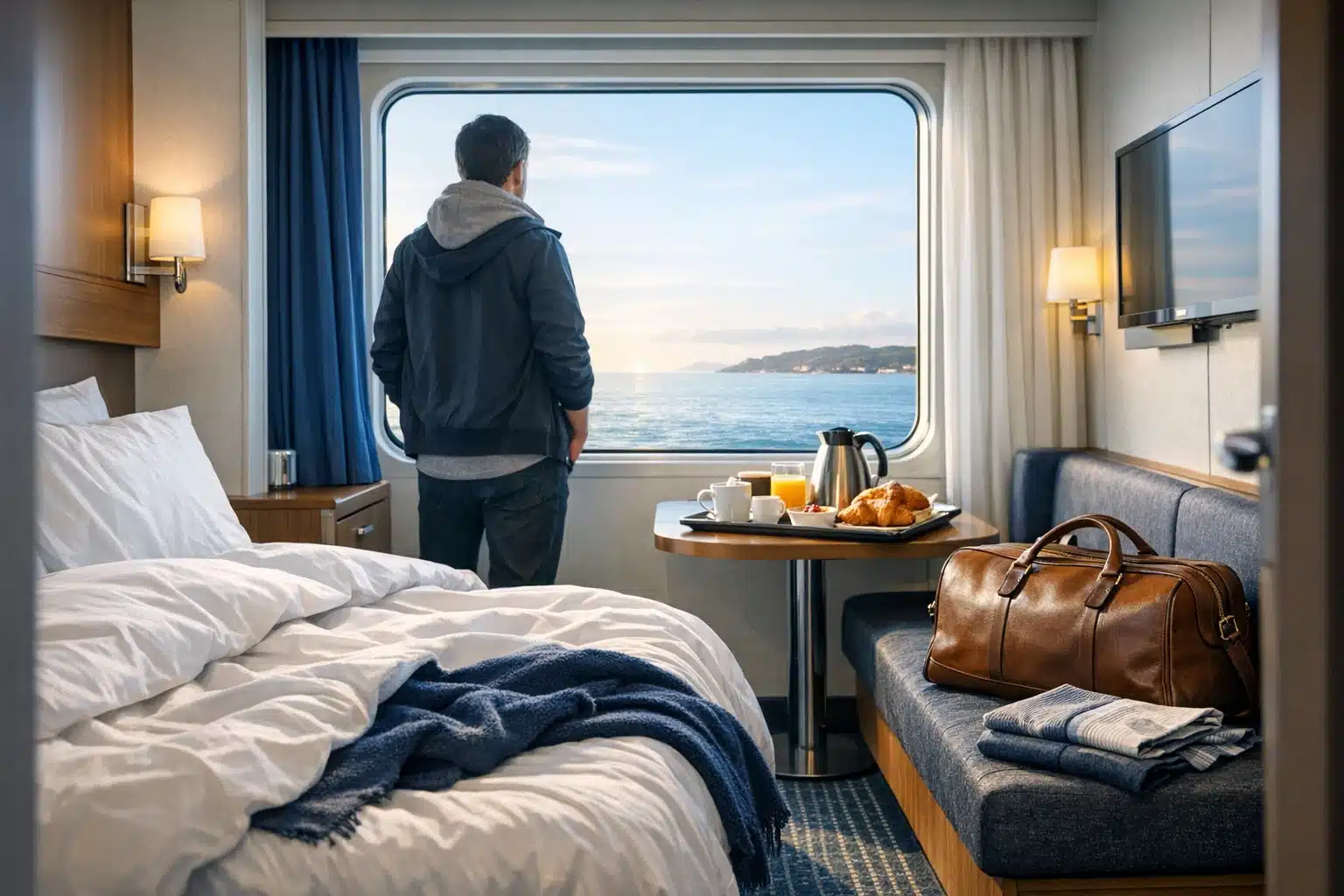
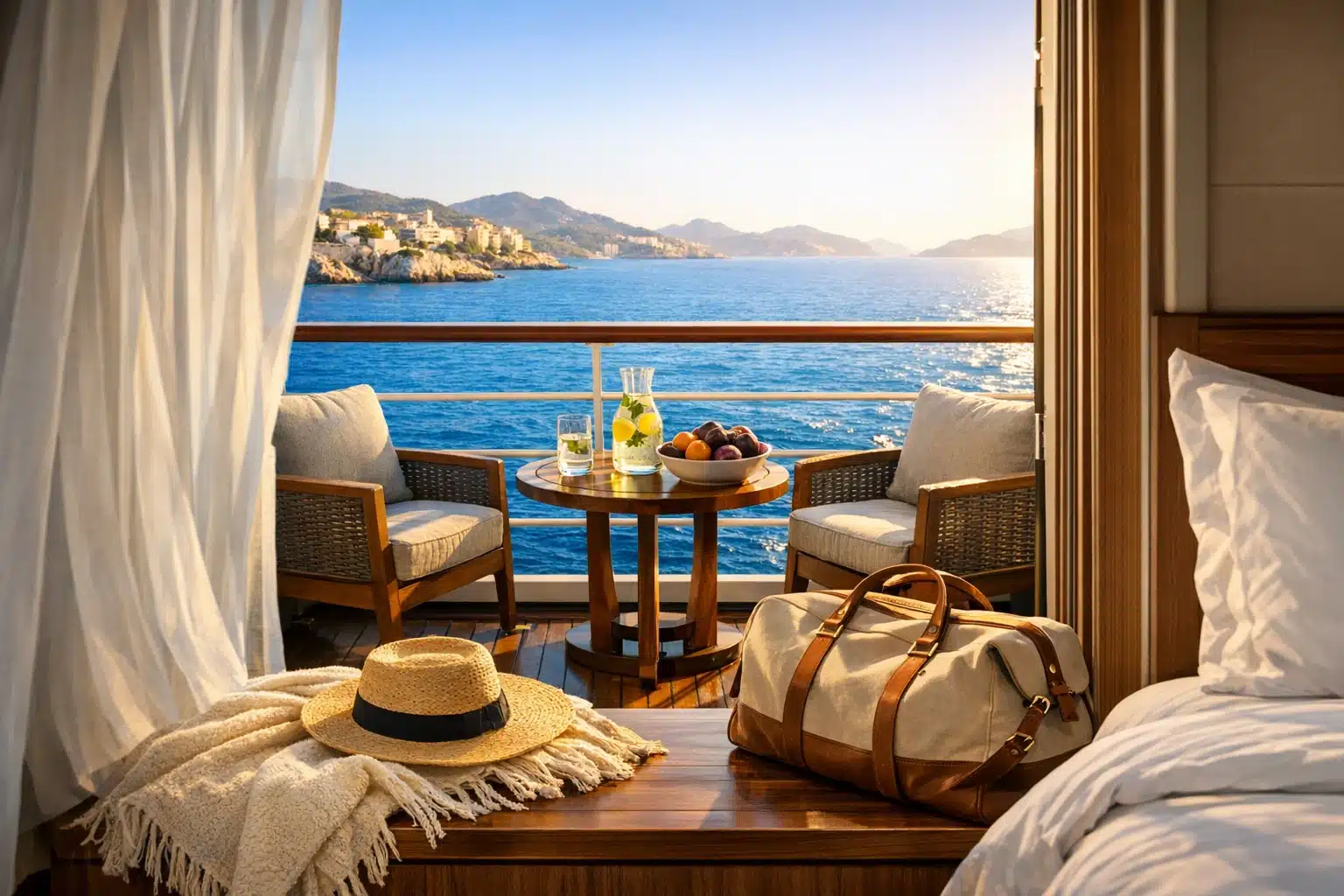
Cabin choice is equally important. Inside cabins are usually the most economical and can be excellent for travellers who mainly use the room for sleeping and dressing. Ocean-view cabins bring natural light, which many people find improves comfort on sea days. Balcony cabins add private outdoor space, but whether they are worth the premium depends on how much time you genuinely expect to spend there. On North Sea routes, wind and cooler temperatures can reduce balcony use, especially outside peak summer. In practical terms:
- choose an inside cabin if budget control matters most
- choose an ocean-view cabin if daylight helps you feel more settled
- choose a balcony if private space is central to your holiday style, not just a nice idea in theory
Location on the ship is another overlooked factor. Midship cabins on lower or middle decks are often preferred by travellers concerned about motion, because they can feel steadier than cabins at the very front or back. If you are sensitive to sound, avoid rooms directly under late-night venues, the gym, or service areas where early-morning activity begins before you do.
Then there is the fare itself. Cruise pricing is rarely as simple as the headline number. Some fares include gratuities, selected drinks, shuttle buses, or excursion credit, while others do not. A cheaper base fare may become less attractive once you add parking, specialty dining, internet access, and tours. Ask clear questions before booking:
- What is included in the advertised price?
- Are gratuities automatic or optional?
- Is there a drinks package, and would you actually use it enough?
- What are the cancellation terms?
- Does the fare include coach transfers from remote berths to city centres?
Travellers who compare total trip cost rather than cabin price alone usually make better decisions. Think beyond the brochure image of a balcony at sunset. The wiser question is simpler: which combination of sailing date, cabin type, and fare structure will help you enjoy eight nights without paying for features you will barely touch?
Travel Tips for Embarkation, Packing, Sea Days, and Time Ashore
Preparation does not have to be complicated, but it does need to be thoughtful. An 8-night cruise from Hull is long enough for changing weather, different dress expectations, and the occasional surprise in port. The most useful approach is to plan for flexibility rather than perfection. Northern Europe can shift quickly from mild sunshine to breezy drizzle, and a ship has its own routines that reward travellers who stay organised.
Start with embarkation. Arrive in Hull with time to spare, but not absurdly early if your operator uses staggered check-in slots. Keep essential items in a day bag rather than in your main suitcase, because checked luggage may reach your cabin later than you do. Useful hand-carry items include:
- passport and boarding documents
- medication and basic remedies for motion discomfort
- phone charger and travel adaptor if required
- a light layer for deck time
- any valuables or fragile items you do not want separated from
Packing is where many first-time cruisers overdo it. The better strategy is to build around layers. A waterproof outer layer, a warm mid-layer, comfortable walking shoes, and a small day bag will serve you in most Northern European ports. Formal dress expectations vary by line, so check the guidance rather than relying on old assumptions about cruising. Many ships now lean toward smart-casual practicality, with one or two evenings where passengers choose to dress up a bit more if they wish.
Sea days deserve their own strategy. If you are prone to motion sensitivity, start preventative measures before symptoms begin. Cabin location helps, but so do hydration, light meals, fresh air, and not staring at a screen for long periods when the ship is moving more noticeably. The North Sea is not always rough, yet it is sensible to prepare as though one windy evening may arrive. Better to pack a remedy and not need it than to discover the ship’s shop has sold out of the one product you trust.
When it comes to port days, independent exploration and organised excursions both have strengths. Ship excursions are often more expensive, but they provide logistical simplicity and usually come with the reassurance that the vessel will account for official tour delays. Independent travel can be cheaper and more flexible, especially in cities with strong public transport, but it demands closer attention to timing. Working ports such as Rotterdam or Hamburg sometimes require a transfer before you reach the city centre, so do not assume you will step directly into the old town the moment you disembark.
A few habits can improve every stop. Check the all-aboard time twice. Carry local currency only if needed, since cards are widely accepted in many Northern European destinations, but always verify. Screenshot directions in case mobile data fails. Leave some unscheduled space instead of chasing every sight on a list. Very often the best hour ashore is not the one spent ticking landmarks off a map, but the one spent in a square with a coffee, watching a city reveal its ordinary rhythm. That slower pace is one of cruising’s hidden strengths: you are travelling through places, not trying to conquer them.
Budget, Overall Value, and Who Will Benefit Most From This Kind of Cruise
An 8-night cruise from Hull can represent solid value, but only if you judge the holiday by its total structure rather than by the headline fare alone. A cruise bundles transport, accommodation, entertainment, and a substantial share of meals into one purchase. That can compare favourably with a land-based trip covering several European cities, where you would otherwise pay separately for trains or flights, hotels, restaurants, and the hidden friction of constant check-ins and checkouts. Still, the phrase “all-inclusive” is often used loosely in travel marketing, so it helps to look at the cost in layers.
The fare itself is only the first layer. Beyond that, common extras may include:
- travel insurance
- parking or rail travel to Hull
- gratuities, if not already included
- drinks outside standard dining options
- specialty restaurants
- internet packages
- shore excursions and port shuttles
- onboard purchases such as photos, spa treatments, or laundry
This does not mean cruising is poor value. It means the best deals are the ones you can actually use. A drinks package may suit travellers who spend long evenings in bars and lounges, while others would spend less paying as they go. An excursion bundle can be sensible for people who want low-effort sightseeing, yet independent walkers may prefer to keep that money for cafés, museums, and local transport. The clever traveller does not buy every upgrade. The clever traveller buys the upgrades that remove real friction.
In terms of audience, this type of cruise is especially well suited to people who want variety without constant disruption. If you enjoy waking up in a new place but dislike dragging a suitcase through stations, it makes strong sense. If you are a first-time cruiser, eight nights is long enough to understand whether the format genuinely suits you. If you are an experienced traveller who has become weary of airport schedules, Hull offers a different kind of departure: less theatrical, perhaps, but often more practical.
It may be less ideal for travellers who want intense nightlife in every destination, guaranteed hot weather, or very long stays in port. Cruise timing is structured, and shipboard life asks for a degree of acceptance. You trade total spontaneity for convenience and continuity. For many people, that is a good bargain.
For the target audience, the final question is simple. Do you want a holiday that combines movement with ease, several destinations with one unpacking, and a gentler start than the usual airport routine? If the answer is yes, an 8-night cruise from Hull is worth serious consideration. Go in with realistic expectations, a well-chosen cabin, and a practical packing list, and the trip can feel less like a compromise and more like a very sensible luxury.