8 Night Cruise From Dover: Itinerary and Travel Tips
Few travel formats balance convenience and variety as neatly as an 8-night cruise from Dover. You unpack once, settle into a steady rhythm, and let the ship connect lively ports, coastal towns, and restorative sea days that would be awkward to combine by rail or air. For UK travelers, sailing from Dover also trims airport hassle. Whether you want fjord views or a compact taste of continental Europe, understanding the route shape helps you plan better and start the trip with confidence.
Outline
- Why Dover is a practical departure port and which 8-night routes are most common.
- A sample port-by-port itinerary showing how an 8-night sailing can unfold.
- How to reach Dover, board efficiently, and pack for changeable North Sea weather.
- How to budget for cabins, excursions, dining, and the extras that often surprise first-time cruisers.
- Final advice on who this holiday suits best and how to avoid the most common mistakes.
Why Choose an 8-Night Cruise From Dover?
An 8-night cruise from Dover sits in a useful middle ground. It is longer than a quick weekend taster, yet shorter and often more affordable than a grand two-week itinerary. That makes it attractive for travelers who want enough time to settle into ship life without using a large share of their annual leave. Dover itself adds to that appeal. Located on the southeast coast of England, it is a well-established cruise departure point with good road access and rail links from London. For many UK-based passengers, that means less stress, fewer baggage rules than a short-haul flight, and a simpler start to the holiday.
Most 8-night itineraries from Dover fall into a few broad patterns. One popular option is the Norwegian fjords, which usually combines dramatic scenery, two or three coastal ports, and a couple of sea days. Another common format is a Northern Europe sampler, calling at places such as Rotterdam, Zeebrugge, Hamburg, or Le Havre. The choice often comes down to what kind of trip you want. Fjord cruises tend to feel more scenic and nature-led, with long sail-ins through mountain-lined waterways. Continental city itineraries, by contrast, are more urban and museum-friendly, often suiting travelers who enjoy architecture, food stops, and easy independent walking tours.
There is also a practical reason this length works well. On an 8-night sailing, cruise lines can include ports that feel substantial without turning the voyage into a blur of constant movement. You may get a pattern like port, port, sea day, port, sea day, and return. That spacing matters. A sequence of uninterrupted early mornings can become tiring, especially for families with children, older travelers, or anyone using the trip as a genuine break rather than a sightseeing sprint.
When comparing Dover departures with fly-cruises, a few advantages stand out:
- No airport security liquids routine at the start of the trip.
- More generous luggage freedom in practice, especially for bulky coats and walking shoes.
- Easier access for travelers who prefer rail or car travel.
- A familiar home-port ending, which can make disembarkation feel calmer.
Of course, Dover sailings are not automatically better for everyone. If your priority is guaranteed heat, the North Sea is not the place for it. Weather can shift quickly, and even summer mornings may be cool on deck. Yet that same climate is part of the charm. There is something memorable about watching the White Cliffs fade behind you, tea or coffee in hand, as the ship points toward open water. It feels less like rushing away and more like easing into a journey with character.
A Sample 8-Night Itinerary From Dover
Exact schedules vary by cruise line and season, but a representative 8-night route from Dover often follows a pattern similar to a Norwegian fjords voyage. This type of itinerary is popular because it balances scenic sailing with manageable port days. A sample schedule might look like this: Day 1 embark in Dover, Day 2 at sea, Day 3 Stavanger, Day 4 Olden, Day 5 Flåm, Day 6 at sea, Day 7 Kristiansand, Day 8 at sea, and Day 9 disembark in Dover. On paper it looks simple. In practice, it offers a nice shift in tempo from embarkation buzz to full immersion in the landscape.
Embarkation day in Dover is usually more about logistics than exploration. You check in, hand over luggage, complete security, and begin learning the ship’s layout. The first evening has its own mood: people test the buffet, inspect the promenade deck, and stand outside to watch departure. Day 2 at sea is not filler. It gives you time to book spa slots, settle dining arrangements, attend a destination talk, and adjust to the ship’s schedule before the first port. If you are prone to motion sensitivity, this is also the day to work out which areas of the vessel feel most stable.
Stavanger often serves as the first real taste of Norway. It is compact and attractive, with a waterfront area, white wooden houses in Old Stavanger, and access to excursions like Lysefjord cruises or the hike toward Pulpit Rock. Olden usually brings a different mood, quieter and more dramatic, with glacier country nearby. Excursions here often focus on landscape rather than city landmarks. Flåm is the cinematic stop, the one many travelers remember first when they look back. The famous railway, steep valley scenery, and mirror-still water create exactly the sort of views people imagine when they book a fjords sailing.
Kristiansand, often near the end of the route, feels gentler and easier. It is a convenient port for strolling, shopping, or simply enjoying a final relaxed day ashore before the return crossing. Sea days on either side help pace the trip and make the arrival back in Dover feel orderly rather than abrupt.
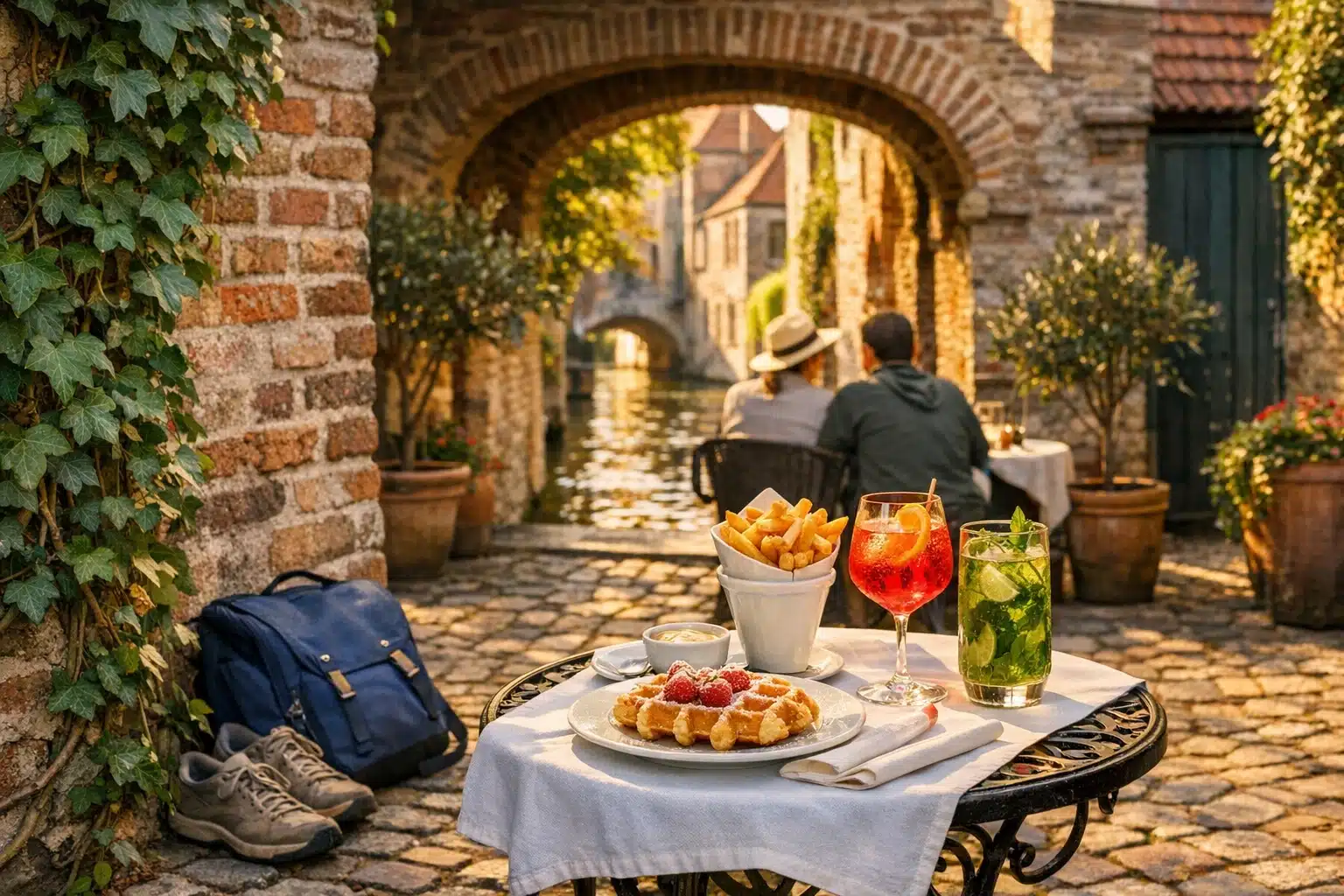
If your sailing is not fjord-focused, an 8-night continental itinerary may include ports such as Rotterdam, Zeebrugge, or Le Havre instead. Those routes favor galleries, canal cities, and day trips to places like Bruges, Amsterdam, or Paris-region highlights. In other words, the ship length remains the same, but the tone changes. One itinerary is all cliffs, waterfalls, and wide decks; the other leans toward cobbled streets, pastries, and museum maps folded into coat pockets.
Getting to Dover, Boarding Smoothly, and Packing Smart
Good cruises often begin with dull but important decisions made well. Getting to Dover is one of them. If you are traveling from London, rail services to Dover Priory usually take a little over an hour, though timing varies by route and engineering works. From the station, the cruise terminal is a short taxi ride. Driving is another common choice, especially for families or travelers carrying heavier luggage. Dover has cruise parking options, but it is worth reserving in advance, particularly in busy periods. If you live far from Kent, arriving the night before is often wiser than attempting a same-day journey. A modest hotel stay can be cheaper than the stress of wondering whether traffic, rail delays, or weather will affect embarkation.
Boarding itself is usually straightforward, but first-time cruisers often underestimate how long the full process can take. You may be given an arrival slot, and it is worth respecting it. Turning up too early can mean waiting, while arriving too late compresses everything from safety drills to dinner. Keep travel documents, luggage tags, medication, and valuables in your hand baggage rather than your checked suitcase. Cabin luggage can take time to appear after boarding, so anything you need in the first few hours should stay with you.
A practical pre-boarding checklist helps:
- Passport and any required visas or travel authorizations.
- Cruise documents and boarding information.
- Travel insurance details, including emergency numbers.
- Prescription medication in original packaging.
- A light jacket, chargers, and one change of clothes in carry-on baggage.
Packing for an 8-night Dover cruise means preparing for contrast. Even in summer, departure from southern England can feel cool and windy, while a sheltered fjord afternoon might be mild and bright. Layers work better than bulky single-purpose clothing. Waterproof outerwear is particularly useful in Northern Europe, where weather can turn from blue sky to drizzle within the same excursion window. Footwear matters more than many new cruisers expect. Port towns may involve cobbles, gangways can be slick after rain, and scenic excursions often include uneven surfaces.
It is also sensible to think about what your cruise line does and does not provide. Some lines are formal on a few evenings; others are much more relaxed. Some include tea, coffee, and standard dining in the fare, while others encourage specialty upgrades. If you use a phone heavily, check roaming rules and onboard internet pricing before departure. Mobile data can jump between countries and networks, and ship Wi-Fi is rarely something to sort out casually after boarding. The smoother approach is simple: travel to Dover with time in hand, board with essentials accessible, and pack for comfort rather than fantasy versions of the weather.
Budgeting, Cabin Choices, Excursions, and Onboard Decisions
The cruise fare is only the starting figure, not the final bill. That is not a complaint, just a planning reality. An 8-night cruise from Dover can represent strong value because accommodation, transport between destinations, and much of your food are already bundled together. Still, total cost depends on the cabin you choose, how often you go ashore, and whether you buy extras such as drinks packages, specialty dining, spa treatments, or internet access. The smartest budgeting habit is to separate your spending into two columns before you book: essentials and preferences. Essentials include travel to Dover, parking or rail fares, insurance, gratuities if not included, and likely excursion costs. Preferences cover the items that improve the holiday but are not required.
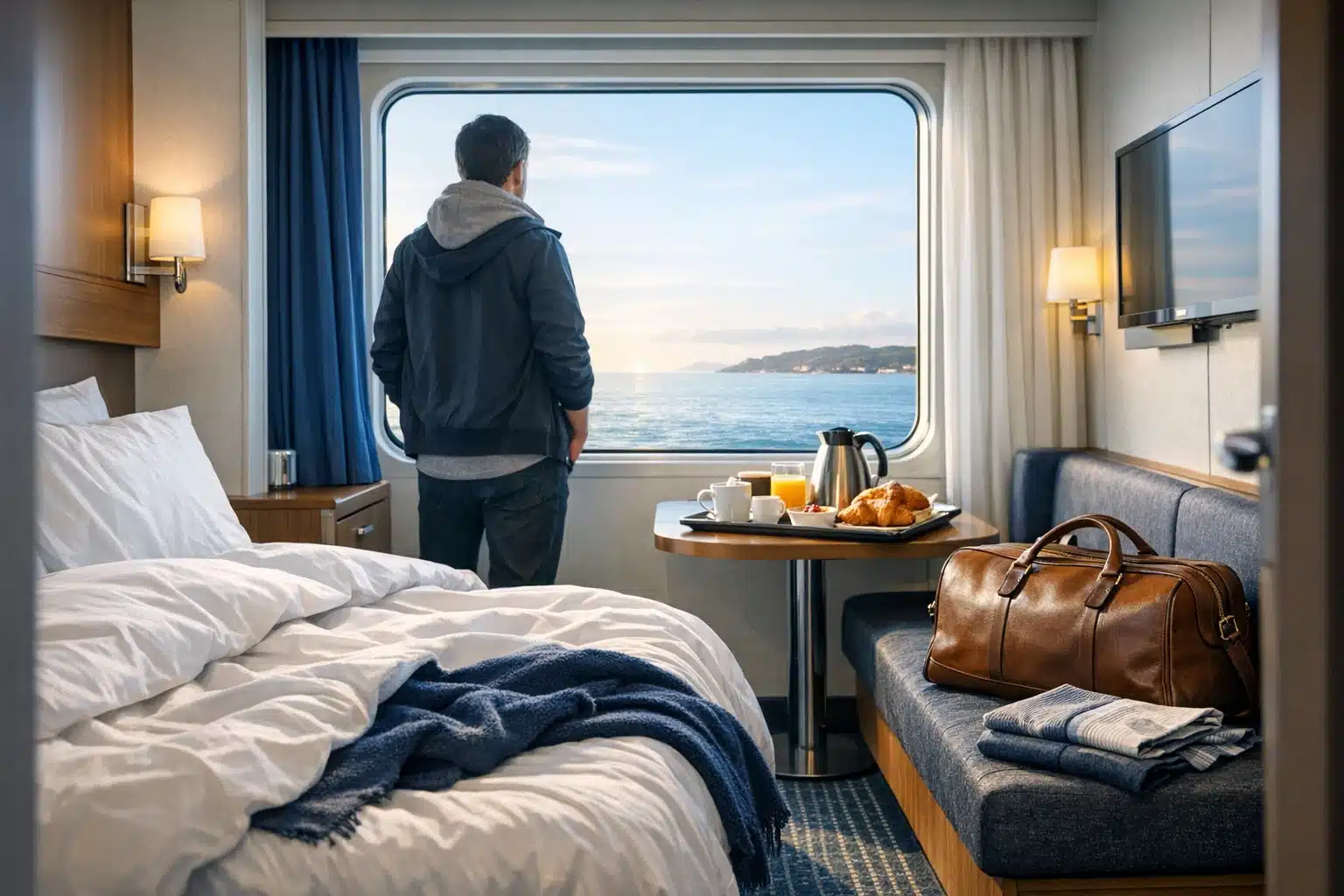
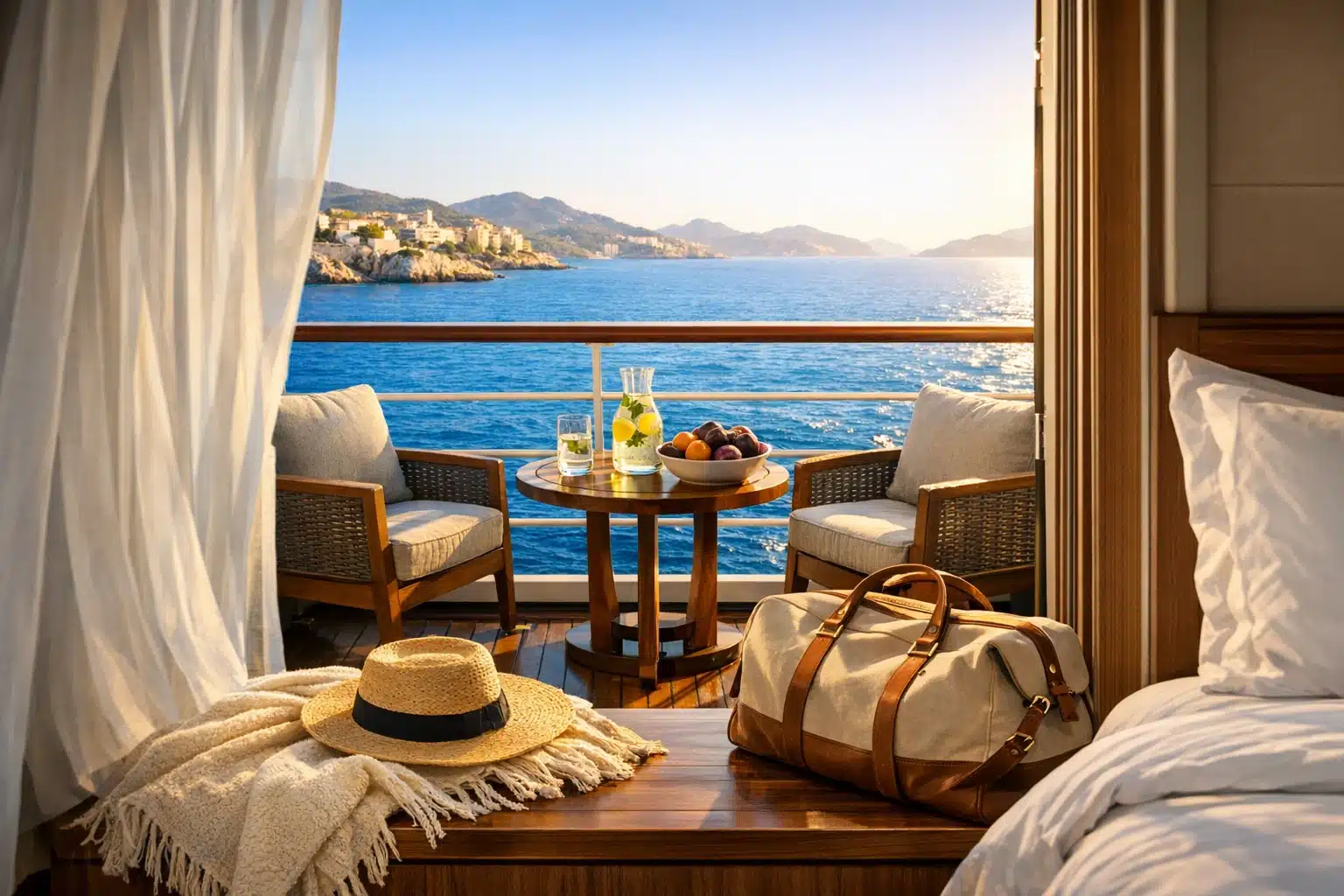
Cabin choice deserves more thought than many travelers give it. Interior cabins are usually the cheapest and can be excellent value if you spend most of the day on deck or ashore. Oceanview cabins offer natural light, which some people find helpful on northern routes where weather shapes the mood of the day. Balconies are the premium option and can be especially tempting on scenic cruises, but they are not automatically necessary. If your ship has generous public viewing decks or a covered promenade, you may get plenty of scenery without paying the highest supplement. On the other hand, couples who value quiet private mornings often find a balcony worthwhile on fjord routes.
Excursions are another area where comparison pays off. Ship-organized tours are usually simpler logistically and offer reassurance that the vessel will wait for officially booked groups delayed by the excursion itself. Independent touring can be cheaper and more flexible, especially in walkable ports. The right choice depends on the stop. In a compact place like Kristiansand or Rotterdam, independent exploration may be easy. In a port where the headline attraction is farther away, the organized option may save time and uncertainty.
Consider these common spending points before sailing:
- Shuttle buses from industrial ports to town centers.
- Drinks outside the standard package.
- Specialty restaurants and coffee bars.
- Photos, laundry, and spa access.
- Last-minute excursion bookings once onboard.
A calm rule of thumb is this: do not pay extra for habits you will not realistically use. A premium drinks package may look attractive, but it is often poor value for travelers who mainly drink water, tea, or one glass of wine with dinner. Likewise, a high-cost panoramic excursion every day can leave you tired and oddly detached from the places you came to enjoy. The best budgets are not the strictest. They are the most honest about your travel style.
Conclusion: Who This Cruise Suits and How to Get the Most From It
An 8-night cruise from Dover suits travelers who want a trip with structure but not rigidity. It works particularly well for UK-based passengers who would rather avoid airports, for couples wanting an easy multi-stop holiday, and for first-time cruisers who need enough days to understand the rhythm of life onboard. It can also be a comfortable choice for multigenerational groups, because everyone shares the same floating base while still being free to choose different shore activities. Grandparents can take a panoramic coach tour, teenagers can enjoy the ship’s entertainment, and keen walkers can head out for longer excursions without the whole group having to match one pace.
The most successful Dover cruises usually come down to expectation management. If you book a northern route hoping for nonstop sunbathing weather, the experience may feel underwhelming. If you book it for scenery, convenience, and the pleasure of waking up somewhere new without repacking, it can feel unusually rewarding. Seasonal timing matters too. Late spring and summer often offer longer daylight and greener landscapes, while shoulder months may bring lower fares and quieter ships but cooler conditions. Neither is automatically better. It depends on whether you value price, atmosphere, daylight, or outdoor comfort most.
A few final habits make a real difference:
- Arrive in Dover the night before if your journey is long or time-sensitive.
- Read the daily schedule each evening so port mornings feel easy.
- Book only the excursions that genuinely match your energy level.
- Carry a light waterproof layer even when the forecast looks kind.
- Leave room in the plan for small pleasures, not just headline attractions.
That last point matters. Some of the best moments on a cruise are not the obvious ones. They happen between ports: a quiet breakfast as the coastline appears, the unexpected satisfaction of finding your favorite deck chair, the low silver light on the water after dinner. For travelers who want variety without constant logistical effort, an 8-night cruise from Dover is a strong option. It offers movement without chaos, comfort without being static, and just enough time to feel that you have gone somewhere rather than merely passed through it.