7-Night Cruise From Newcastle: Itinerary and Travel Tips
A 7-night cruise from Newcastle is one of those holidays that feels practical and exciting at the same time, especially for travellers who want a straightforward UK departure without a long-haul flight. In a single week, you can swap motorway miles and airport queues for sea views, organised dining, and a changing backdrop of northern European ports. That mix of convenience and variety is exactly why this route appeals to first-time cruisers, busy couples, and families who want a trip that starts easily and still feels like a real escape. This guide maps out the typical itinerary, costs, planning choices, and on-the-ground tips that help the journey run smoothly.
Outline: this article begins with why Newcastle is such a useful embarkation point and the kinds of 7-night routes usually available. It then moves into a realistic day-by-day itinerary, followed by budgeting and cabin advice, practical packing and embarkation tips, and a final summary aimed at helping different types of travellers decide whether this cruise style suits them.
Why Newcastle Is a Strong Departure Point for a 7-Night Cruise
A cruise from Newcastle works well because it removes one of the most tiring parts of travel before the holiday has even begun: the complicated journey to the ship. Most departures use the Port of Tyne International Passenger Terminal, which is typically reached from central Newcastle in roughly 20 to 30 minutes by car, depending on traffic. For travellers in the North East, Yorkshire, Scotland, or parts of the Midlands, that can feel far more manageable than travelling south for a sailing from Southampton or flying to a European embarkation port. Less time in transit often means lower stress, fewer chances of baggage disruption, and a holiday that starts with a shorter to-do list.
The other advantage is route variety. A 7-night sailing from Newcastle is long enough to feel substantial, but short enough to fit into work schedules and school breaks. Cruise lines commonly use this duration for northern European itineraries, especially Norwegian fjords, the Low Countries, or a mix of scenic cruising and one or two cultural ports. These itineraries appeal to travellers who want dramatic landscapes without extreme travel times. Instead of spending days getting to the destination, the journey itself becomes part of the attraction. One evening you are watching the Tyne fade behind the ship; a day later you may be looking at steep fjord walls, orderly waterfront towns, or broad North Sea skies that make the whole trip feel quietly cinematic.
There is also a practical value argument. A cruise bundles transport, accommodation, some food, and onboard entertainment into one booking, which can make planning easier than a multi-city land trip. For families, that means fewer hotel check-ins and less luggage moving. For couples, it often means a better balance between ease and atmosphere. For solo travellers, it can provide a structured environment with built-in dining and activity options. Common reasons people choose a Newcastle sailing include:
• easier access from northern parts of the UK
• no need to coordinate flights and ship departure times
• a compact 7-night format that suits first-time cruisers
• strong scenery on many northern Europe routes
• a good mix of sea days and port visits
Compared with a fly-cruise in the Mediterranean, a Newcastle departure usually offers cooler weather, greener landscapes, and a less rushed start. Compared with a shorter mini-cruise, it gives enough time to settle into ship life and still enjoy meaningful time ashore. That combination of convenience and substance is what makes this format so relevant for modern travellers who want the holiday to begin before they are already exhausted.
A Realistic 7-Night Itinerary: What the Week Often Looks Like
There is no single fixed 7-night cruise from Newcastle, because routes change by cruise line, season, and weather planning. Still, an illustrative itinerary helps show how the week tends to unfold. One of the most popular patterns is a Norwegian fjords sailing, and it is easy to see why. The schedule usually balances one embarkation day, two sea days, and several scenic ports where the attraction is as much the approach by ship as the time spent on land. That rhythm matters: unlike a city break with constant packing and transport, a cruise gives the week a natural pulse. Busy day, quiet evening, new view, repeat.
Day 1 is embarkation at the Port of Tyne. You check in, drop luggage, explore the ship, and watch the coast slip away as the voyage begins. Day 2 is often a sea day across the North Sea. This is not dead time; it is your adjustment day. You learn the layout, settle into dining patterns, and perhaps decide whether you are the type who joins trivia quizzes or the type who claims a quiet window seat and watches the horizon. Day 3 may bring Stavanger, a classic Norwegian stop known for its old wooden streets, easy harbour access, and gateway appeal for excursions. Day 4 might be Olden or a similar fjord village, where the scenery becomes the headline: waterfalls, green slopes, and excursion choices that range from glacier viewpoints to gentle local walks.
Day 5 often combines scenic cruising with a port such as Flåm or another fjord settlement. This is where the trip often reaches its most memorable visual point. Ships move slowly through narrow waterways, and even passengers who swore they were not “view people” suddenly appear on deck in a jacket at 7 a.m. with a coffee in hand. Day 6 may feature Bergen or another larger coastal city, giving you a different tone: more urban history, museums, shopping streets, and cafés. Day 7 is usually another sea day, which lets the trip exhale before arrival. Day 8 returns you to Newcastle.
That pattern differs sharply from a northern Europe city itinerary, which may include ports such as Amsterdam-area terminals, Belgium, or Germany. Those sailings often prioritise museums, architecture, and shopping over raw scenery. The fjords route tends to suit travellers who want landscape and atmosphere, while continental city routes fit those who prefer urban exploration. Before booking, ask yourself a simple question: do you want your best photos to be of streets and skylines, or cliffs and water? The answer often points you to the right 7-night cruise.
Budgeting, Cabin Choices, and What Is Really Included
One reason cruises appeal to practical travellers is that many major costs are grouped together. Even so, the advertised fare is rarely the whole story, and understanding the cost structure is one of the smartest travel tips for a Newcastle departure. Your base fare commonly covers the cabin, transport between ports, main dining, buffet meals, and a range of onboard entertainment. What may not be included are drinks beyond basics, specialty dining, gratuities on some lines, Wi-Fi, spa treatments, casino spending, premium activities, and most shore excursions. If you book based only on the headline fare, the final bill can feel surprisingly larger by the end of the week.
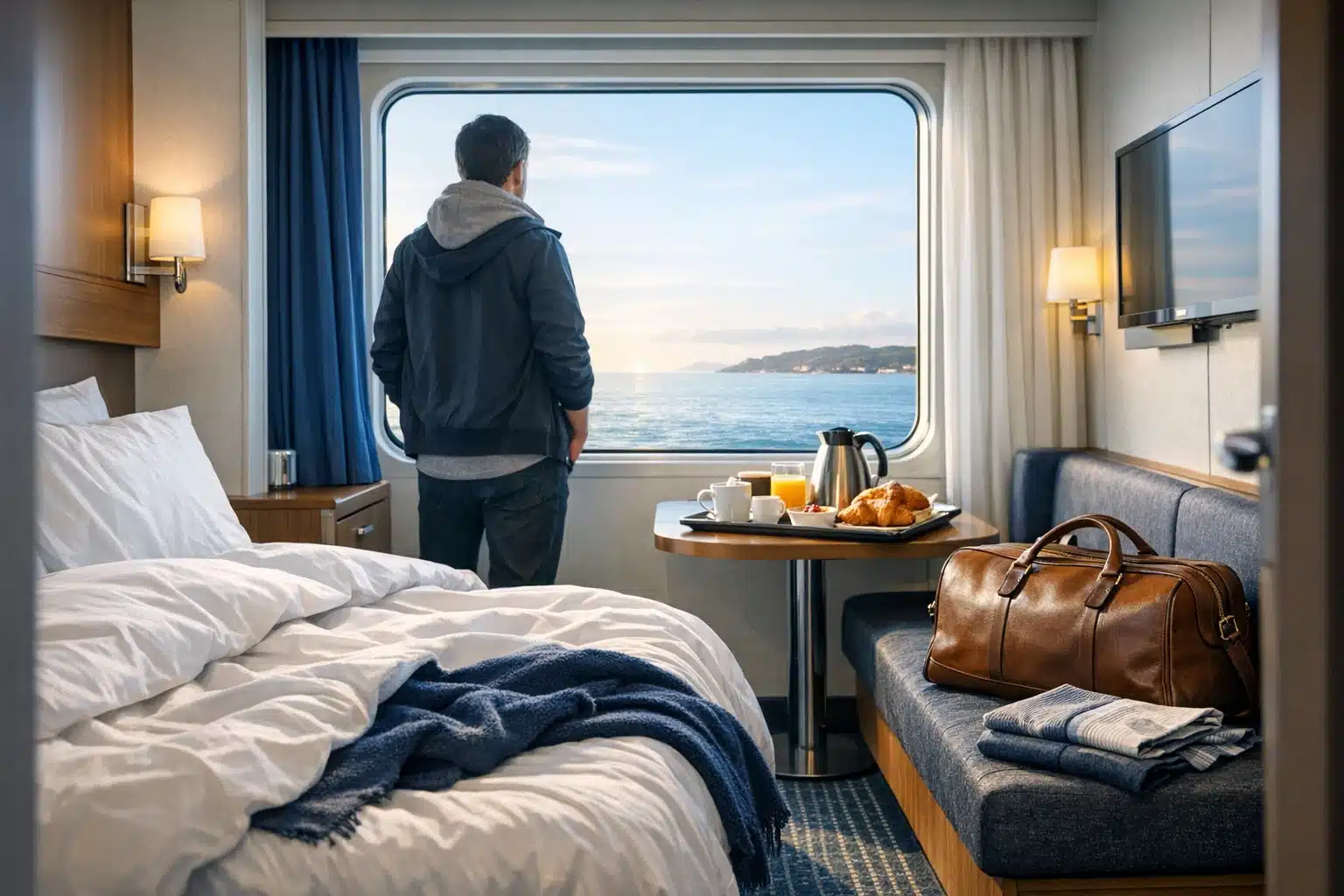
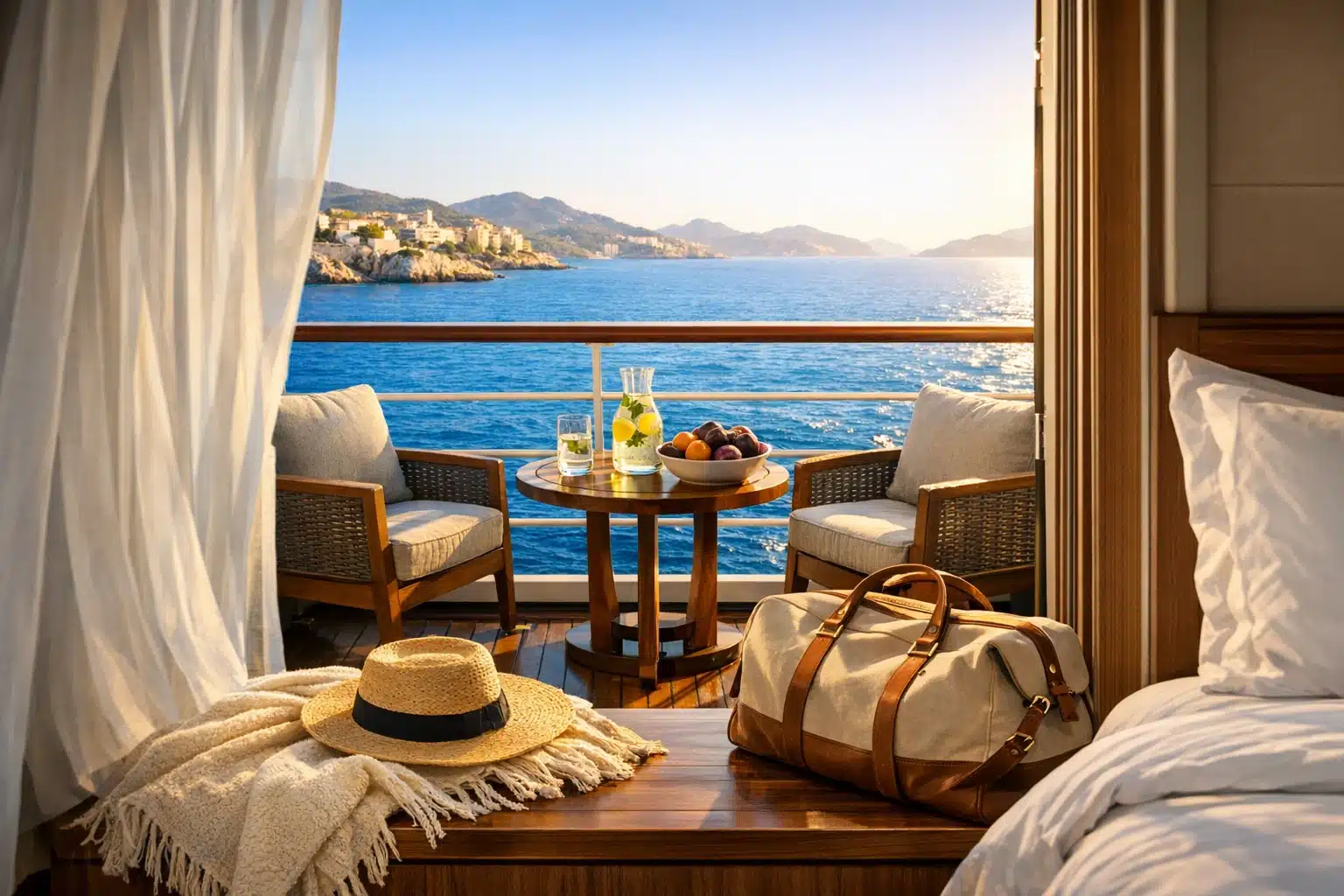
Cabin selection plays a major role in value. Inside cabins are usually the cheapest option and work well for travellers who treat the room as a place to sleep and shower. Ocean-view cabins add natural light, which many people appreciate on northern sailings where weather can shift quickly and mornings feel calmer with a real horizon in sight. Balcony cabins are often the dream choice on fjord routes because they let you enjoy scenic cruising without leaving your room, but they can cost several hundred pounds more than inside cabins on the same sailing. Suites add space and extra perks, yet for a 7-night itinerary, many travellers find that a well-located standard cabin gives the best balance of price and comfort.
When comparing fares, focus on total trip cost rather than cabin cost alone. A slightly higher fare that includes drinks or parking may be better value than a cheaper fare with many add-ons. Build a rough budget around these categories:
• cruise fare
• travel to the Port of Tyne and parking or transfers
• travel insurance
• gratuities if not prepaid
• shore excursions or independent port spending
• drinks, specialty dining, and Wi-Fi
• pre-cruise hotel if you prefer arriving the night before
Families should compare the value of sharing one cabin versus booking two smaller cabins, especially if privacy matters. Couples often get the most benefit from balcony upgrades on scenic routes, while solo travellers should look out for reduced single supplements or dedicated solo cabins when available. It is also worth checking cancellation terms, because cheaper cruise fares sometimes come with more restrictive conditions. Think of the booking process like packing a suitcase: the smartest version is not the one with the most items, but the one where everything you need is already in the right place. A cruise budget works the same way.
Packing, Weather, Embarkation, and Shore-Day Travel Tips
A 7-night cruise from Newcastle rewards good preparation more than heroic spontaneity. Northern European weather can be highly changeable, even in late spring and summer, so packing for layers is far smarter than packing for a single forecast. You may board in mild weather, spend a windy sea day in the North Sea, and then step ashore in a fjord port where the air feels cool and sharp despite clear skies. Lightweight base layers, a warmer mid-layer, and a waterproof outer shell usually work better than one heavy coat. Comfortable walking shoes are essential, and if your itinerary includes nature-focused ports, shoes with decent grip are worth bringing.
Embarkation day runs more smoothly when you treat it like a timed journey rather than a casual stroll. Keep documents, luggage tags, medication, and valuables in your hand luggage. Check your cruise line’s latest boarding requirements before travel, especially passport validity rules and any destination-specific entry requirements, because these can change. Arriving in Newcastle the night before can be a wise choice for travellers coming from far away or relying on rail connections. It adds one extra booking, but it reduces the risk of missing the ship due to delays. In practical terms, that single decision can be the difference between a calm start and a very expensive problem.
Packing priorities for this type of cruise often include:
• passport and travel insurance documents
• any required medications in original packaging
• a small day bag for port visits
• waterproof jacket and layered clothing
• plug adapters if your ship uses mixed socket types
• motion-sickness remedies if you are sensitive to ship movement
• swimwear for the spa or pool, even on cooler itineraries
Once onboard, use the first afternoon to make key reservations, check the daily programme, and understand how port days work. On shore, do not overbook yourself. Fjord ports often reward unhurried sightseeing, while city calls may need more structured timing if you plan museums or rail trips. Always leave a time buffer before all-aboard, especially if exploring independently rather than on a ship excursion. The ship will wait for its own organised tours in certain situations; it will not necessarily wait for passengers delayed by a long lunch ashore.
Finally, respect the sea days. They are not filler. They are where you rest, adjust, and enjoy the comfort that makes cruising distinctive. Read, sit by a window, try a lecture, or simply do nothing with unusual commitment. A well-paced cruise is rarely about cramming more into each hour. It is about allowing the ship, the weather, and the landscape to set a gentler rhythm than daily life usually permits.
Who This Cruise Suits Best: Final Advice and Summary for Travellers
A 7-night cruise from Newcastle is particularly well suited to travellers who want a holiday that is logistically simple but still rich in variety. If you are new to cruising, this duration is long enough to understand the format without committing to a long voyage. You get time to learn the ship, enjoy a few proper port calls, and decide which parts of cruise life suit you most, whether that is scenic deck time, structured entertainment, or the easy comfort of having your room move with you from destination to destination. For many first-timers, seven nights is the sweet spot between curiosity and commitment.
Couples often enjoy this sailing because it combines ease with a sense of occasion. You can have calm mornings, dressed-up dinners, and a changing view outside the cabin without the friction of constant repacking. Families may appreciate the built-in entertainment and the simple fact that meals, sleeping arrangements, and transport are all anchored in one place. Older travellers often value the manageable departure process from the North of England and the possibility of seeing dramatic scenery without demanding physical exertion. Solo travellers, meanwhile, may find the cruise environment easier to navigate than a fully independent multi-stop trip, especially on ships with social events or solo-friendly dining options.
If you are deciding whether to book, ask yourself three practical questions. First, do you value convenience enough for a UK departure to outweigh the glamour of flying farther afield? Second, are you more interested in variety and comfort than in spending many hours in one destination? Third, does the idea of sea days feel restful rather than restrictive? If the answer is yes to most of these, a Newcastle cruise is likely a strong fit. If you prefer total independence, late-night city exploration, or intense destination immersion, a land-based itinerary may suit you better.
For the right traveller, though, this trip has a special kind of appeal. It begins close to home, unfolds with reassuring structure, and still manages to feel expansive once the coast falls away and the sea opens up. That is the real strength of a 7-night cruise from Newcastle: it offers a practical route into a memorable week, where the planning can stay sensible and the experience still feels larger than ordinary life. Choose your itinerary carefully, budget with your eyes open, pack for shifting weather, and the journey is likely to reward you from the first departure announcement to the final morning back on the Tyne.