6-Night Cruise From Southampton: Itinerary and Travel Tips
Introduction and Article Outline
A 6-night cruise from Southampton sits in a sweet spot between a weekend break and a longer voyage, giving travelers enough time to enjoy sea days, test life on board, and still visit several ports without using too much annual leave. It is especially relevant for UK-based passengers who want simple departures, lighter flight costs, and flexible choices ranging from the Channel Islands to northern France, Belgium, or the Netherlands. This article begins with a clear outline and then expands each point into practical, usable advice.
Southampton has become one of Europe’s best-known cruise departure ports for good reason. It is well connected by rail and road, it handles a large volume of sailings across different price points, and it offers a practical starting point for travelers who prefer not to add airports, baggage transfers, or overnight flights to their holiday. For many people, a 6-night cruise is also a low-risk way to decide whether cruising suits them. It is long enough to sample multiple restaurants, entertainment venues, and shore days, yet short enough that the commitment feels manageable.
This article is structured to help readers move from curiosity to confident planning. The outline is simple:
– first, understand why a 6-night sailing from Southampton is popular and what kind of traveler it suits;
– second, compare the most common itinerary patterns and see how port choices affect the pace of the trip;
– third, learn how to book well, choose the right cabin, and prepare for embarkation day;
– fourth, break down onboard costs, daily routines, and ways to get better value;
– fifth, finish with packing advice, port-day strategies, and a conclusion aimed at travelers deciding whether this cruise length is the right fit.
There is also a practical reason this topic matters now. Shorter cruises have become increasingly attractive to travelers who want flexible breaks, controlled spending, and easier planning. A six-night itinerary can work for couples wanting a compact escape, families testing cruise travel before committing to a longer voyage, solo travelers looking for a structured trip, and retirees who enjoy the convenience of sailing from a domestic port. Like a neatly packed suitcase, this type of holiday rewards thoughtful choices. The details matter: departure month, cabin type, tender ports, transfer times, dining style, and the difference between a relaxing break and one that feels too rushed. That is exactly what the rest of this guide is designed to clarify.
Typical 6-Night Itineraries From Southampton and How They Compare
A 6-night cruise from Southampton usually falls into one of several broad patterns. The most common routes focus on nearby European destinations, because the schedule needs to balance port variety with realistic sailing times. In practical terms, this often means combinations involving the Channel Islands, northern France, Belgium, or the Netherlands, with one or two sea days built in. Some itineraries lean toward easy sightseeing and shorter transfer times, while others look glamorous on paper but involve long coach journeys from port to city center.
One popular pattern is a northern France and Belgium itinerary. A sample schedule might look like this:
– Day 1: Southampton embarkation;
– Day 2: at sea;
– Day 3: Le Havre, often used for Normandy or Paris excursions;
– Day 4: Zeebrugge, a gateway for Bruges and sometimes Brussels;
– Day 5: Rotterdam or IJmuiden for Dutch city access;
– Day 6: at sea;
– Day 7: Southampton disembarkation.
This kind of route suits travelers who want classic city breaks wrapped into one cruise. The trade-off is that port names can be deceptive. For example, Le Havre to Paris is a long journey, often around 2.5 to 3 hours each way by coach, which can turn a romantic day in Paris into a very long excursion. Bruges, by contrast, is much more accessible from Zeebrugge and is often a better-value day out in terms of time on the ground.
Another common pattern includes the Channel Islands and northern France. Guernsey appears on some 6-night sailings, and it adds a different mood entirely. Instead of large-city energy, you get a gentler, stone-harbored feel with coastal walks, tidy streets, and a more compact destination. The drawback is that Guernsey is often a tender port, meaning passengers may need to travel from ship to shore by smaller boat. Tender operations are weather dependent, so flexibility matters. When conditions are good, the stop can feel like stepping into a calmer chapter of the trip.
A third pattern emphasizes sea days and onboard enjoyment more than intensive sightseeing. These cruises may feature two or three ports with generous onboard time, which appeals to travelers who want a blend of spa visits, late breakfasts, deck time, and casual exploration ashore. That can be a smart choice for first-time cruisers. It allows them to learn the rhythm of ship life without the pressure of waking early for an excursion every morning. If your priority is seeing as many famous cities as possible, pick a port-heavy route. If your goal is a balanced holiday where the ship is part of the destination, choose an itinerary with more sea time. On a 6-night cruise, that distinction matters more than many first-time bookers realize.
Booking Smart: Choosing the Right Cabin, Season, and Departure Plan
Booking a 6-night cruise well is less about chasing the lowest headline fare and more about understanding the total experience. Two cruises can look similar in price but feel very different once you factor in cabin location, included dining, drinks, Wi-Fi, gratuities, and port convenience. Start by deciding what kind of break you want. If this is your first cruise, a mid-ship cabin on a lower or middle deck is often a sensible choice because it can feel more stable in rougher water. If the cruise is mainly about relaxation and private downtime, a balcony may add value, especially on sea days, but it is not essential for everyone.
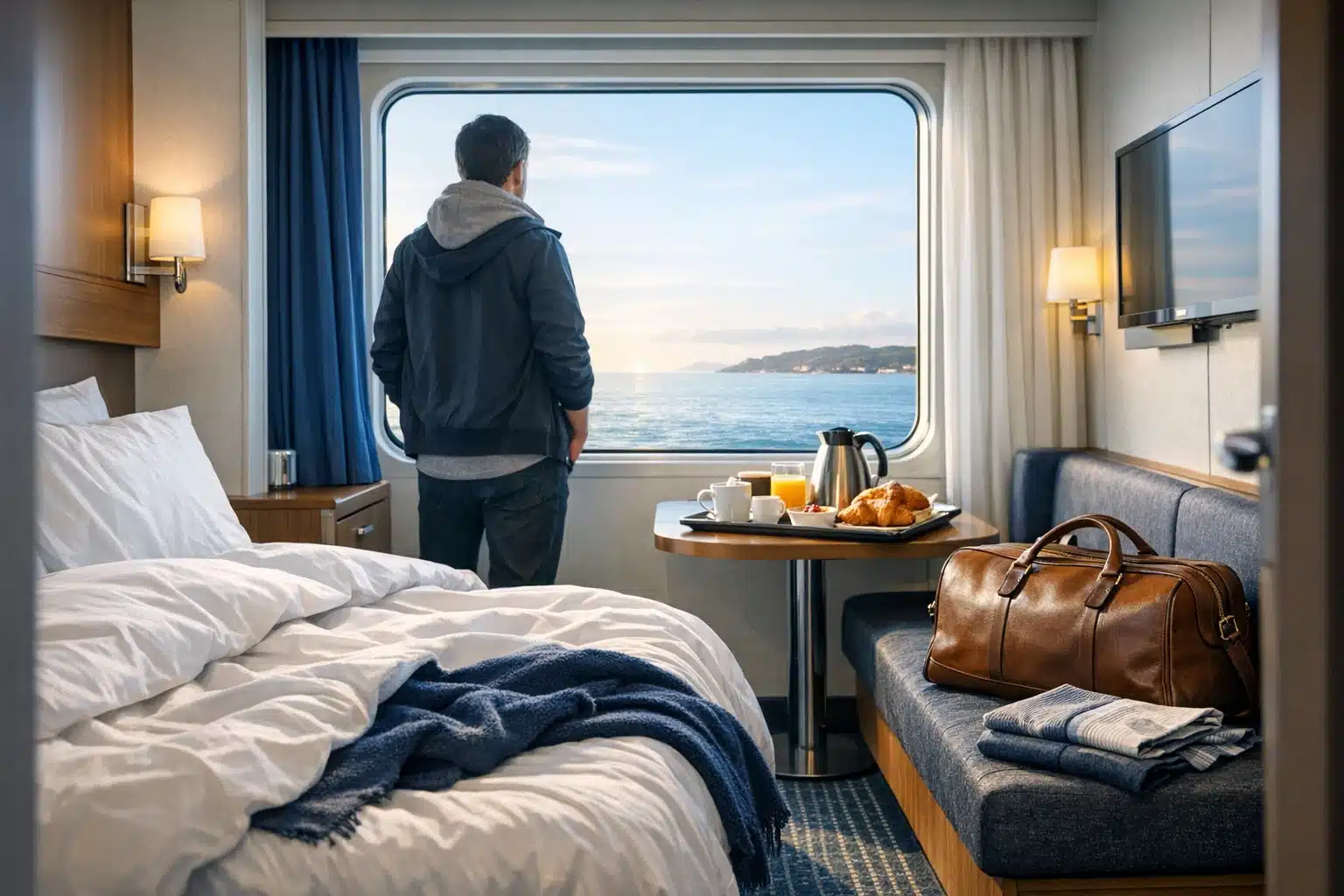
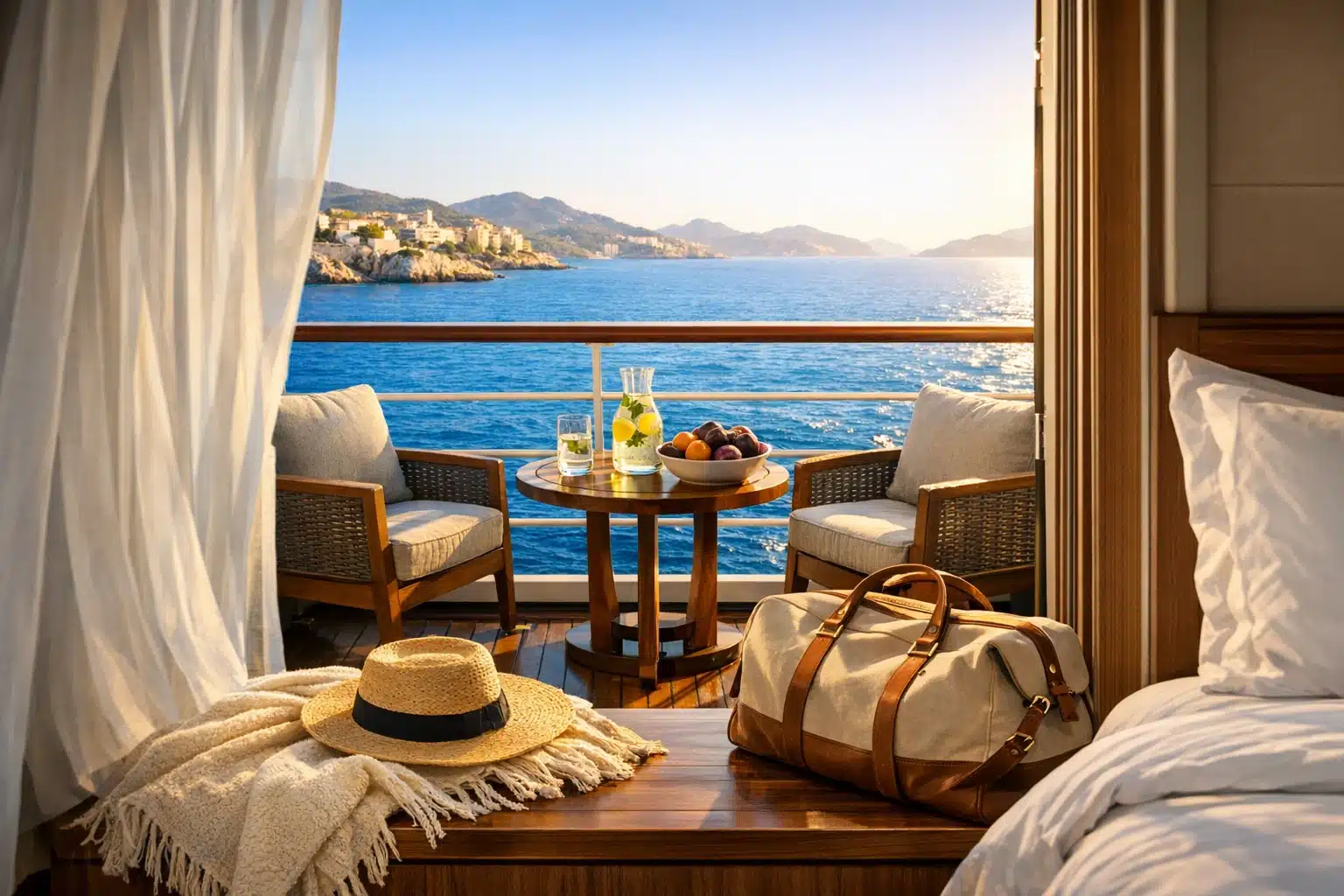
Cabin type matters more on shorter itineraries than many people expect. On a 6-night sailing, you do not have endless time to recover from a poor sleep setup. Inside cabins are usually the most affordable and can be excellent for travelers who spend most of the day around the ship or ashore. Ocean-view cabins bring natural light, which some guests find helpful for adjusting to the rhythm of sea days. Balcony cabins are popular for couples, but their value depends on weather, route, and personal habits. If you are the type who will be out on deck, at shows, in lounges, and in ports all day, that extra spend may not improve the trip enough to justify it.
Season also shapes the experience. Most Southampton cruise departures peak from spring into early autumn. Late spring and early summer often offer a nice balance of milder weather and active port towns. July and August can be busy, with higher demand and school-holiday crowds. Early autumn can be attractive for pricing and atmosphere, though weather becomes a little less predictable. This does not mean poor conditions, only that layering clothes and planning for rain make more sense. Northern European routes are famous for shifting skies, where a bright morning can turn breezy by afternoon.
Transport planning is equally important. Southampton is roughly 80 miles, or about 130 kilometers, from London, and direct trains from London Waterloo often take around 1 hour 20 minutes to 1 hour 40 minutes, depending on the service. Many experienced cruisers arrive the night before rather than traveling on embarkation morning, especially if they are coming from farther away in the UK. That extra night reduces stress, gives you a buffer against rail or road delays, and turns departure day into part of the holiday rather than an anxious race against the clock. Before sailing, make sure you have your passport, cruise documents, travel insurance, luggage labels, and any visa information relevant to your route. A short cruise can feel beautifully simple, but only if the admin is handled before the ship’s horn sounds and the adventure actually begins.
Life On Board: Budgeting, Dining, Entertainment, and Daily Rhythm
One reason 6-night cruises from Southampton appeal to such a wide audience is that they combine destination travel with a controlled, almost self-contained holiday rhythm. Once you step on board, much of the logistics disappear. Meals are available, entertainment is scheduled, and your room moves with you while you sleep. That convenience is real, but so is the need to understand what is included and what may cost extra. Cruise lines differ substantially here. Some fares are quite bare-bones, while others bundle drinks, tips, or specialty dining in promotions. Comparing only the base fare can lead to misleading conclusions.
A realistic budget should include more than the cabin price. Common extras may include:
– gratuities or service charges, if not prepaid;
– alcoholic drinks, soft drinks beyond basic stations, or specialty coffee;
– Wi-Fi packages;
– specialty restaurants;
– shore excursions;
– spa treatments;
– photos, casino spending, and onboard shopping.
For some travelers, these extras are minimal. For others, they significantly change the final cost of the trip. A drinks package can make sense if you know you will use it, but on a 6-night itinerary it is worth doing the math instead of buying automatically. The same is true for specialty dining. If the main dining room and buffet already suit your tastes, you may not need to add much at all.
Sea days often reveal whether a cruise line matches your style. Some ships lean toward lively entertainment, game shows, production performances, themed bars, and family-friendly activity. Others create a quieter atmosphere with enrichment talks, reading spaces, smaller musical sets, and a calmer pace. Neither is better in absolute terms; the right choice depends on what feels restful or enjoyable to you. First-time cruisers sometimes underestimate how much they will appreciate this difference. A ship can be beautifully designed, yet still feel mismatched if its social energy is not what you wanted.
It also helps to understand the daily rhythm. Mornings in port can start early. Breakfast may be followed by an excursion, a walk into town, or a shuttle ride. Back on board, afternoons often slow into coffee, a shower, and a bit of sea-gazing from the deck. Evenings bring one of cruising’s quiet pleasures: there is always something happening, but very little you are forced to do. You might dress up for dinner, watch a show, listen to live music, or simply stand outside and feel the cool air fold over the water. On a good 6-night cruise, the onboard life does not compete with the itinerary; it stitches the whole journey together. Budgeting for it wisely means you get the experience you want without that unpleasant last-day surprise when the account statement arrives.
Port-Day Strategy, Packing Advice, and Final Thoughts for Travelers
Port days on a 6-night cruise move quickly, so a smart plan matters more than on longer voyages. You usually have enough time to see a destination, but not enough to recover from poor choices. Start by asking a simple question for each stop: do you want a landmark-heavy day, a relaxed local wander, or a scenic overview? In ports with long transfer times, trying to do everything often results in seeing very little well. A measured day is frequently more rewarding. For example, in a port that serves as a gateway to a bigger city, staying closer to the port area can save time, money, and stress while still giving you a satisfying shore experience.
Packing for these sailings is best approached with flexibility rather than volume. Weather on northern European routes can change within hours, and even summer departures may feel cool on deck in the morning or evening. A practical packing list often includes:
– a lightweight waterproof jacket;
– comfortable walking shoes with decent grip;
– layers such as T-shirts, a long-sleeve top, and a sweater;
– a small day bag for passports, medication, and essentials;
– a power bank, if allowed by the cruise line’s rules;
– any motion sickness remedies you trust;
– smart-casual evening wear, plus formalwear only if your sailing calls for it.
There is no prize for overpacking on a 6-night trip. The goal is to be ready, not overloaded.
Another useful habit is to treat each port as a separate mini-plan. Check whether the ship docks directly in town, uses a shuttle, or requires tendering. Research whether local cards are widely accepted, what opening hours look like, and how much walking is involved. If you book independent exploration, always leave a generous buffer before all-aboard time. Cruise ships wait for their own official excursions if delays occur, but they are generally not obliged to wait for passengers traveling independently. That distinction is one of the most important practical points for first-time cruisers.
For the target audience of this guide, the final takeaway is straightforward. A 6-night cruise from Southampton is ideal for travelers who want convenience, variety, and a manageable first or second cruise without committing to a full-length voyage. It suits people who value easy UK departures, enjoy a mix of structured and flexible time, and want the comfort of unpacking once while still waking up near a new destination. If you choose the itinerary carefully, budget honestly, and prepare for the realities of northern European weather and port logistics, this type of cruise can feel less like a compromise and more like a very clever use of six nights. Short does not have to mean shallow. With the right expectations, it can be exactly the right length to leave you rested, better informed, and quietly tempted to plan the next sailing before you have even left the terminal.