6-Night Cruise From Dover: Itinerary and Travel Tips
A 6-night cruise from Dover sits in a useful middle ground: long enough to feel like a real holiday, short enough to fit around work, school breaks, or a first try at sea. Because Dover is an easy departure point for many UK travelers, it can cut out airport stress while still opening the door to ports in Northern Europe and the nearby continent. The result is a trip that blends convenience, changing scenery, and a steady rhythm of sea days and city stops. This guide explains how a typical itinerary works and how to plan the small details that make the journey more enjoyable.
Outline: this article first explains why a 6-night sailing from Dover is such a popular format, then walks through a sample day-by-day itinerary, compares booking choices and onboard costs, shares practical travel-day and shore-excursion advice, and closes with guidance on who will get the most value from this style of cruise.
Why a 6-Night Cruise From Dover Works So Well
A short cruise from Dover appeals to travelers for one simple reason: it removes friction. You do not have to build the holiday around a flight, an airport hotel, baggage rules, or long transfer chains. For many people in England, Dover is reachable by car or rail in manageable time, and that convenience changes the mood of the trip before it even starts. Instead of beginning with a queue under fluorescent lights, you can begin with the white cliffs, the harbor, and the small thrill of boarding a ship that will move your hotel from country to country while you unpack only once.
The six-night format is also a smart compromise. A two- or three-night mini-cruise can feel like a quick sample rather than a satisfying break, while a 10- to 14-night voyage asks for more budget, more annual leave, and more stamina. Six nights gives enough room for a pair of sea days, several port calls, and a real sense of routine onboard. By the third day, travelers usually know the ship’s layout, favorite coffee spot, dinner rhythm, and whether they prefer morning deck walks or late shows. That familiarity is part of the pleasure.
There is also flexibility in the routes. Depending on season and operator, a 6-night cruise from Dover may focus on nearby continental ports such as Rotterdam, Zeebrugge, or Le Havre, or it may lean north toward scenery-heavy sailings with longer daylight hours in late spring and summer. Each version offers a different balance. City-focused itineraries are better for museum visits, canal districts, market squares, and easy independent exploring. Northern scenic routes often feel calmer and more atmospheric, with more time spent admiring coastlines, weather shifts, and long evening light.
A useful planning lens is to think in three layers:
• convenience of departure
• pace of itinerary
• total trip cost after extras
That last point matters. A cruise fare can look straightforward, but the real value depends on what is included, how many excursions you add, and whether you enjoy a ship enough to treat sea days as part of the holiday rather than downtime between stops. For first-time cruisers especially, a six-night Dover departure is often the most sensible entry point because it offers enough variety to show what cruising does well without demanding a major commitment. It is not merely transport with meals; at its best, it becomes a moving base that lets you sample several places while keeping logistics surprisingly light.
A Sample 6-Night Itinerary From Dover
Exact routes vary, but a representative 6-night cruise from Dover often follows a pattern that mixes one embarkation day, two sea days, and three port calls. A classic example is a Northern Europe sampler: Dover, a day at sea, Rotterdam, Zeebrugge for Bruges, Le Havre for Normandy or Paris-linked excursions, another partial sea day, and then a return to Dover. Think of this not as the only possible schedule, but as a useful framework for understanding how these cruises are structured and why they appeal to travelers who want variety without constant packing and repacking.
Day 1 is embarkation in Dover. Most passengers arrive late morning or early afternoon, drop checked luggage, complete terminal formalities, and board in time to explore the ship before sailaway. The atmosphere is part logistics, part anticipation. Cabins may not be ready immediately, so a carry-on with medication, travel documents, valuables, and a light layer is a good idea. As the ship leaves port, the cliffs often provide a memorable opening scene.
Day 2 is commonly a sea day. This is not dead time; it is orientation time. You can learn the ship’s layout, book any last-minute spa appointment or excursion, attend a destination talk, and settle into the rhythm of meals and entertainment. Travelers who are always in a rush on land often discover that a sea day slows them down in a useful way. It turns the voyage itself into part of the holiday, not simply the space between destinations.
Day 3 might be Rotterdam, a practical gateway to a city with bold modern architecture, efficient transport, and easy walking zones. Day 4 is often Zeebrugge, where many passengers head for Bruges, with its canals, stepped gables, and compact historic center. Day 5 could be Le Havre, sometimes used for trips to Honfleur, Normandy sites, or longer excursions depending on timing. Day 6 frequently brings a final stretch at sea, which gives everyone time to rest, organize purchases, and enjoy the ship before disembarkation on Day 7.
A simple sample rhythm looks like this:
• Day 1: Dover embarkation
• Day 2: Sea day
• Day 3: Rotterdam
• Day 4: Zeebrugge or Bruges access
• Day 5: Le Havre or a Normandy gateway
• Day 6: Sea day
• Day 7: Dover disembarkation
Compared with a Mediterranean cruise, port distances here are shorter and temperatures are often cooler. Compared with a fjords itinerary, this route is more city-forward and less about pure scenery. That distinction matters when choosing the trip. If you want museums, cobbled lanes, cafés, and flexible sightseeing, the classic continental circuit is usually the better match. If you want dramatic landscapes and long views from deck, choose a route designed around scenery rather than urban stopovers.
Booking Smart: Cabins, Costs, and What the Fare Really Means
Choosing the right 6-night cruise from Dover is not only about the destination list. In practice, your experience is shaped just as strongly by cabin type, deck position, dining style, and the extras that do or do not sit inside the headline fare. The cheapest option is not always poor value, and the highest category is not always necessary. What matters is matching the booking to the way you travel.
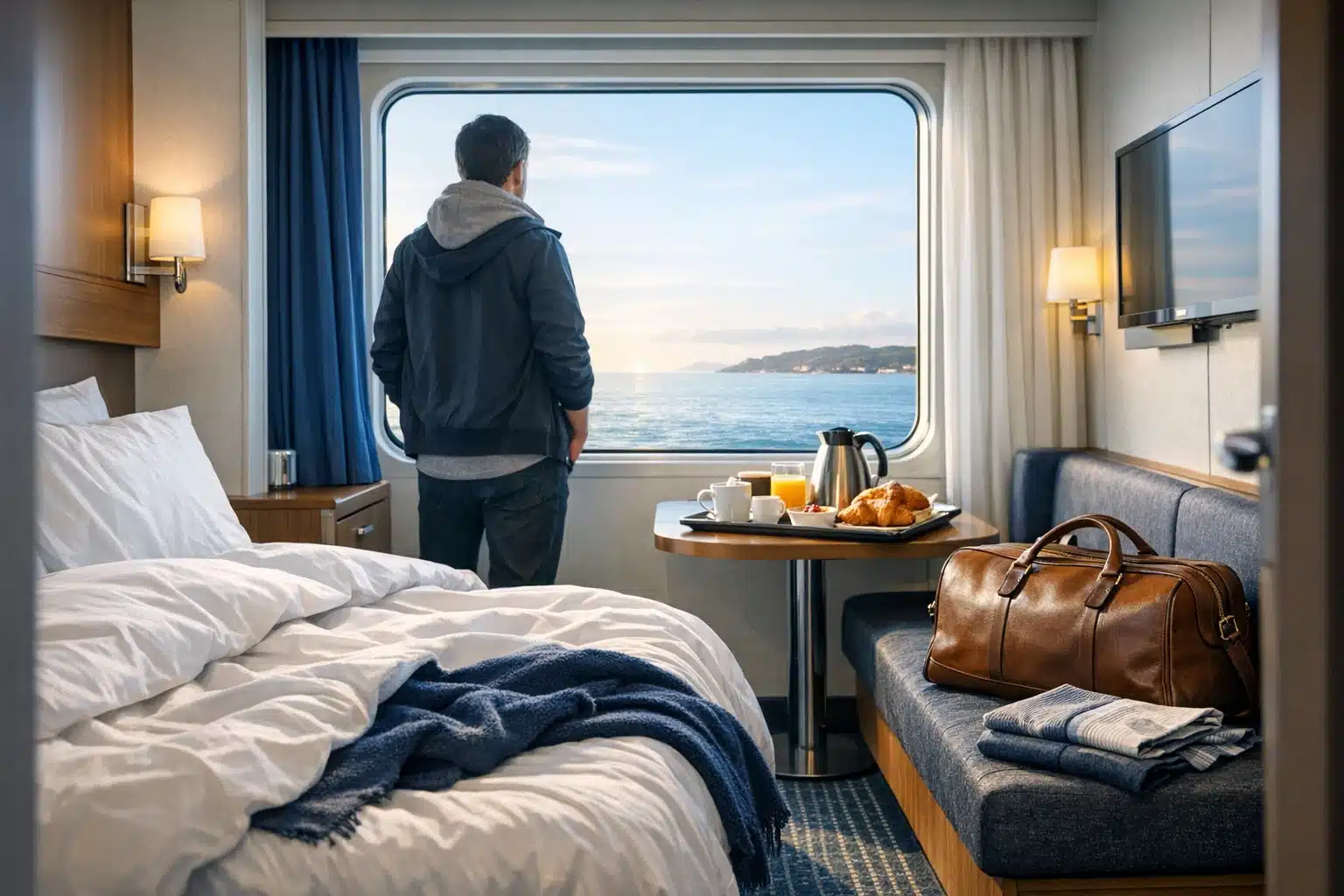
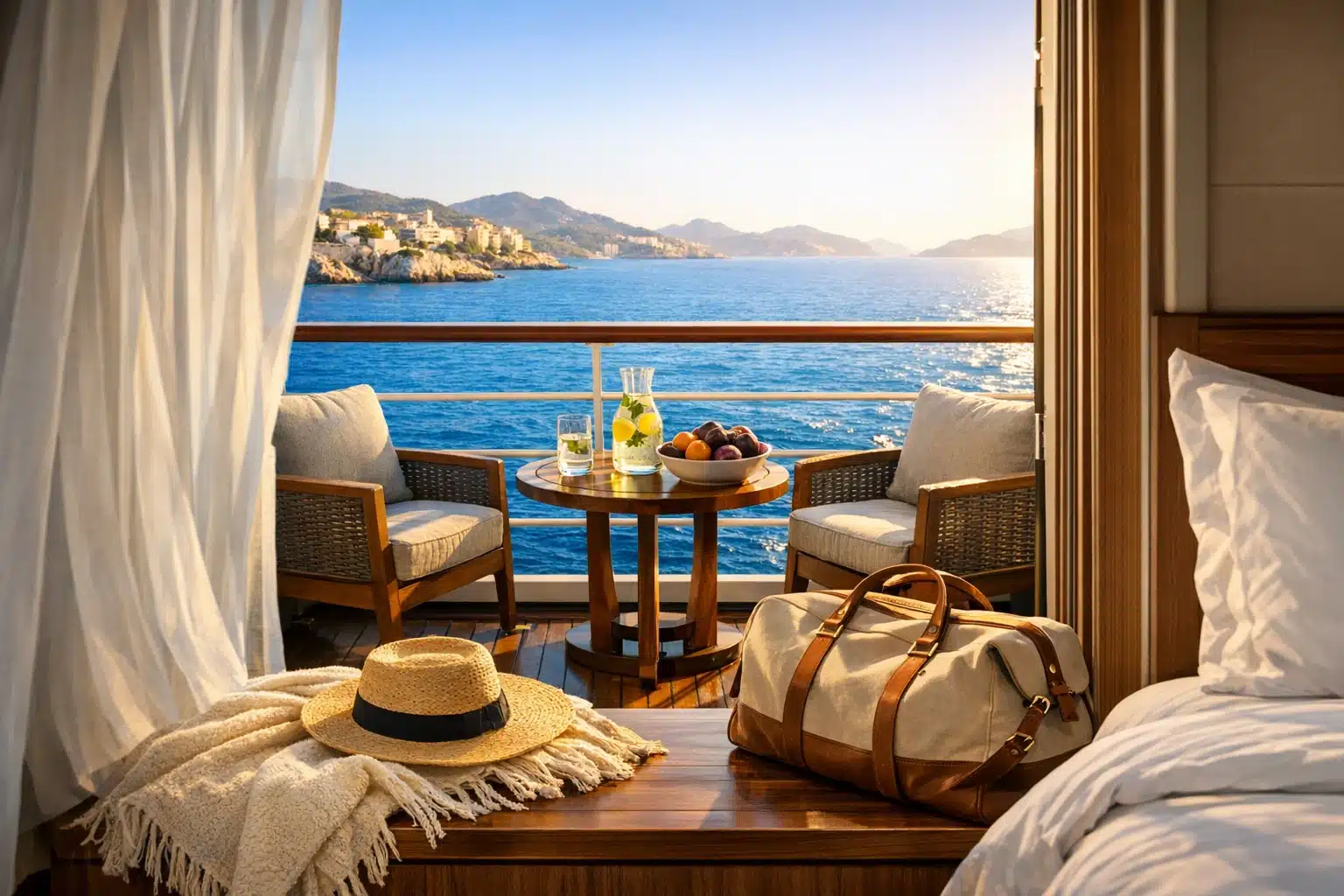
Cabin choice is the first major fork in the road. An interior cabin is usually the lowest-cost option and can work very well on a port-heavy trip where you mainly use the room for sleeping and showering. Oceanview cabins add natural light and can help some travelers feel less closed in. Balconies cost more, but on a route with scenic sailaways or cool, crisp mornings at sea, that extra private space can make the trip feel calmer and more personal. Suites offer more room and often additional perks, though on a six-night cruise many travelers decide that the premium is better spent on excursions, specialty dining, or a future trip.
Then comes the budget reality. A base fare may cover accommodation, standard meals, entertainment, and transport between ports, but several common items often sit outside the advertised price. These can include:
• gratuities or service charges
• drinks beyond basic options
• Wi-Fi packages
• specialty restaurants
• shore excursions
• port parking or rail transfers
• travel insurance
That is why comparison shopping matters. A slightly more expensive fare that includes drinks, tips, or parking can be better value than a bargain lead-in rate that grows steadily after booking. Families should also look closely at cabin occupancy rules and whether children’s fares are genuinely reduced once taxes and fees are added. Couples may find shoulder-season sailings, especially outside school holidays, offer quieter ships and better pricing.
Another smart move is to compare itinerary intensity. A cruise with more port calls may sound better on paper, but if every stop demands early starts, coach transfers, and extra spending, a schedule with one additional sea day can feel more relaxed and cost less overall. The right question is not only “How many places do I visit?” but also “How do I want these six nights to feel?” Some people want constant motion. Others want a gentle blend of exploration and downtime.
Finally, read the practical details before paying the balance. Check dining times, passport validity guidance for your nationality, cancellation rules, and final boarding deadlines. Missing the ship because you arrived too late is a costly way to learn that cruise travel runs on firm schedules. Good planning is not glamorous, but it is often the difference between a holiday that feels smooth and one that starts with avoidable stress.
Travel Day, Packing, and Shore Excursion Tips That Make the Trip Easier
Embarkation day sets the tone, so the smartest travelers treat it as a logistics exercise rather than a race. Aim to arrive in Dover with margin, not drama. Traffic delays, rail disruptions, and weather interruptions do happen, and cruise ships work to boarding windows, not wishful thinking. If you are traveling from farther away in the UK, an overnight stay near Dover can be worth the added cost because it reduces the risk of a same-day delay. For those coming from London or the southeast, public transport can be convenient, but it still pays to check schedules closely and allow for station-to-port transfer time.
Packing for a six-night northern European cruise is more about versatility than volume. Weather can shift from bright sun to brisk wind in a single afternoon, especially on deck. Layers are more useful than one heavy item, and comfortable footwear matters more than many first-time cruisers expect. Historic port towns often mean cobbles, uneven pavements, and more walking than the brochure photos suggest.
A practical packing list usually includes:
• passport and travel insurance details
• any visas or entry documents required for your nationality
• medications in hand luggage
• a light waterproof jacket
• one smarter outfit if the ship has dressier evenings
• plug adapters if needed
• a day bag for port visits
• motion-sickness remedies if you are unsure how you handle the sea
Shore planning is another area where small choices matter. Booking excursions through the cruise line can be more expensive, but it often provides convenience and a degree of schedule protection if a tour runs late. Exploring independently may save money and allow more freedom, especially in ports with good train connections or walkable centers. The best option depends on the port. Bruges, for example, is often visited through Zeebrugge and may require transport planning. Rotterdam is easier for travelers who enjoy navigating a modern city on their own. In places where the main attraction is farther from the dock, an organized tour can remove guesswork.
Onboard timing matters too. Return to the ship well before the all-aboard time, not at the last dramatic minute. Keep an eye on local currency needs, though cards are widely accepted in many ports. Download maps before leaving the ship in case mobile signal is patchy. If you want a quieter day, remember that you do not have to leave the ship in every port. A half-empty pool deck while everyone else goes ashore can feel like a secret. Travel is not a competition, and the best cruise days are not always the busiest ones.
Conclusion: Who Should Choose a 6-Night Cruise From Dover?
A 6-night cruise from Dover is especially well suited to travelers who want a manageable break with enough variety to feel rewarding. First-time cruisers are perhaps the clearest match. The trip is long enough to understand how cruise travel works, but short enough that small inconveniences do not dominate the holiday. You can test whether you enjoy sea days, shared dining spaces, evening shows, and the rhythm of waking up in a new place without committing to a long-haul voyage.
Couples often find this format attractive because it combines ease and choice. One partner can spend a morning in a museum while the other lingers in a café or browses local shops, and the ship reunites everyone for dinner without any debate about hotels or trains. Multigenerational families can also benefit, since a cruise simplifies the practical side of travel for groups with different ages and energy levels. Grandparents may appreciate reduced airport hassle, while younger travelers enjoy the mix of ports and onboard entertainment.
It can also suit travelers who are budget-conscious, provided they book with a clear eye on extras. Dover departures can reduce transport costs for UK-based passengers, and six nights limits spending exposure compared with longer sailings. The key is to price the whole trip rather than the headline fare alone. Once you account for gratuities, drinks, excursions, and transport to port, the value becomes easier to judge fairly.
If you are wondering whether this is the right holiday for you, ask a few direct questions:
• Do I want several destinations without changing hotels?
• Am I happy with a structured timetable for boarding and return times?
• Would I enjoy time onboard as much as time ashore?
• Do I prefer practical convenience over long-distance travel complexity?
If the answer to most of those is yes, a six-night sailing from Dover is a strong option. It offers a neat blend of comfort, movement, and discovery. You get the satisfaction of crossing water, the pleasure of arriving somewhere new over breakfast, and the relief of knowing your room stays exactly where you left it. For travelers who want a holiday that feels both efficient and atmospheric, it is a compelling way to spend a week.