5-Night Cruise from London: Itinerary and Travel Tips
A 5-night cruise from London sits in a sweet spot between a weekend escape and a full holiday, giving travelers enough time to enjoy life at sea without committing to a long voyage. These short sailings appeal to first-time cruisers, busy professionals, couples, and families who want a structured break with several destinations wrapped into one booking. With London-area departures offering easy access to Northern Europe, this format feels practical, scenic, and refreshingly efficient.
Article Outline
- Why a 5-night cruise from London is popular and who it suits best
- A realistic day-by-day itinerary for a typical short Northern Europe sailing
- How to compare fares, cabin types, and extra costs before booking
- Embarkation, packing, and onboard planning tips that reduce stress
- How to use limited port time wisely and decide whether this cruise style fits your travel goals
Why a 5-Night Cruise from London Appeals to So Many Travelers
A short cruise from London works because it combines convenience with variety. Instead of spending long hours in airports, travelers can often reach the departure port by train, car, or transfer from the city. Most cruises marketed as departures from London use London Tilbury on the River Thames, a practical embarkation point roughly east of central London. That matters more than it may seem. When the journey to the ship is simple, the holiday begins with less friction, and for a trip of only five nights, cutting out wasted travel time adds real value.
This cruise length is especially attractive for first-time passengers. A 10- or 14-night voyage can feel like a big leap if you are unsure how much you will enjoy sea days, fixed dining times, or life in a cabin. Five nights offers a useful trial run. You get enough time to experience embarkation, entertainment, port calls, dining routines, and at least one stretch of open water, yet the commitment stays manageable. If you discover you love the quiet of an early deck walk or the gentle ritual of afternoon tea after a shore excursion, you can book something longer later with far more confidence.
There is also a budget advantage. While prices vary by cruise line, season, cabin category, and how early you book, shorter sailings usually have a lower headline fare than week-long or two-week itineraries. That does not automatically make them cheap, because drinks, gratuities, excursions, and transport to the port can still add up, but the overall cost is often easier to justify for travelers who want a break without using too many holiday days from work.
- Ideal for first-time cruisers testing the format
- Useful for couples wanting a short celebration trip
- Well suited to travelers based in London or southeast England
- Appealing for people who prefer nearby European ports over long flights
Another reason these cruises remain popular is itinerary design. In five nights, cruise lines can usually include two or three ports in Northern Europe, sometimes mixing one sea day with compact city visits. That creates a satisfying rhythm: leave the Thames behind, settle into the ship, wake up near a new coastline, and return before the trip loses momentum. It is the travel equivalent of a well-edited film, not an epic saga. You do not see everything, but you rarely feel bored. For many modern travelers, that balance is exactly the point.
A Typical 5-Night Itinerary from London, Day by Day
Actual routes vary by cruise line and season, but many 5-night departures from the London area focus on nearby Northern European ports. Common examples include Amsterdam via IJmuiden, Bruges via Zeebrugge, Rotterdam, and Le Havre for Normandy or Paris excursions. The key thing to understand is that a 5-night cruise usually spans six calendar days. You sleep on board for five nights, then disembark on the sixth morning. That structure makes the trip feel fuller than the number alone suggests.
A realistic sample itinerary might look like this:
- Day 1: Embark at London Tilbury and sail down the Thames
- Day 2: Sea day or late arrival into the first port
- Day 3: Amsterdam or Rotterdam
- Day 4: Zeebrugge for Bruges
- Day 5: Le Havre or a final sea day
- Day 6: Return to Tilbury and disembark
Day 1 is more important than many travelers expect. After check-in, security, and boarding formalities, you need time to locate your cabin, complete the safety drill, and get a feel for the ship’s layout. Then comes one of the most memorable moments of a London departure: the sailaway. Watching the river widen as industrial wharves give way to open water has a quiet drama to it. It is not the same as leaving a tropical harbor under blazing sun; it is moodier and, in its own way, more cinematic. The ship glides past working landscapes, and the holiday shifts from idea to reality.
Day 2 often functions as a transition day. If it is a sea day, use it wisely. Explore the deck plan, sample the dining venues, attend a talk, or simply learn how the ship moves through your day. Short cruises pass quickly, and people who spend the first 48 hours “settling in” can feel they lost precious time. If your sailing reaches a port on Day 2, the pace becomes more energetic, so pre-booked plans matter even more.
Amsterdam and Rotterdam each offer a different flavor. Amsterdam attracts travelers with canals, museums, and easy visual charm, while Rotterdam feels more modern, architectural, and fast-moving. Bruges, usually reached from Zeebrugge, is one of the classic short-cruise stops because it delivers a postcard setting in a compact area. Cobbled lanes, market squares, and low brick façades make even a half-day visit feel atmospheric. Le Havre, meanwhile, can serve as a gateway to Normandy, and on some sailings it is simply a practical final stop before the return journey.
The final full day can either be another port call or a sea day, depending on route planning and tides. If it is a sea day, treat it as part of the holiday rather than empty transit. Book a slower breakfast, take photos on deck, and settle any onboard account issues before the last evening becomes busy. By Day 6, disembarkation is usually efficient, but it starts early. In other words, a 5-night cruise is short, though it is not rushed if you understand the rhythm from the start.
Comparing Fares, Cabins, and the Extra Costs That Matter
The headline cruise fare is only the beginning of the booking decision. A short sailing can look attractively priced, yet two nearly identical listings may deliver very different overall value once you compare what is included. Some cruise lines package gratuities, selected drinks, or Wi-Fi into the fare, while others keep the base price lower and let guests add extras later. That is why the better question is not “Which cruise is cheapest?” but “Which cruise gives me the best fit for the way I travel?”
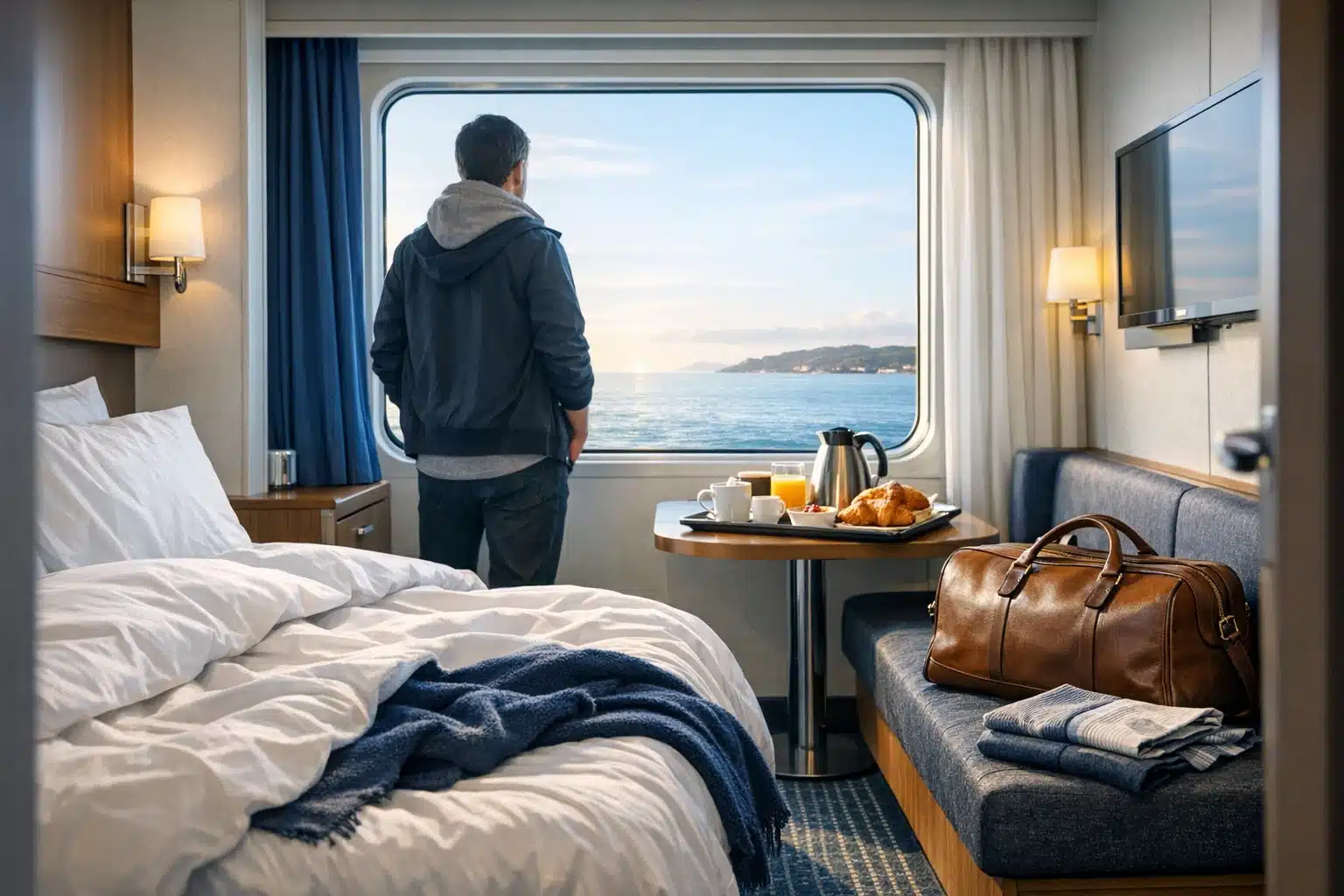
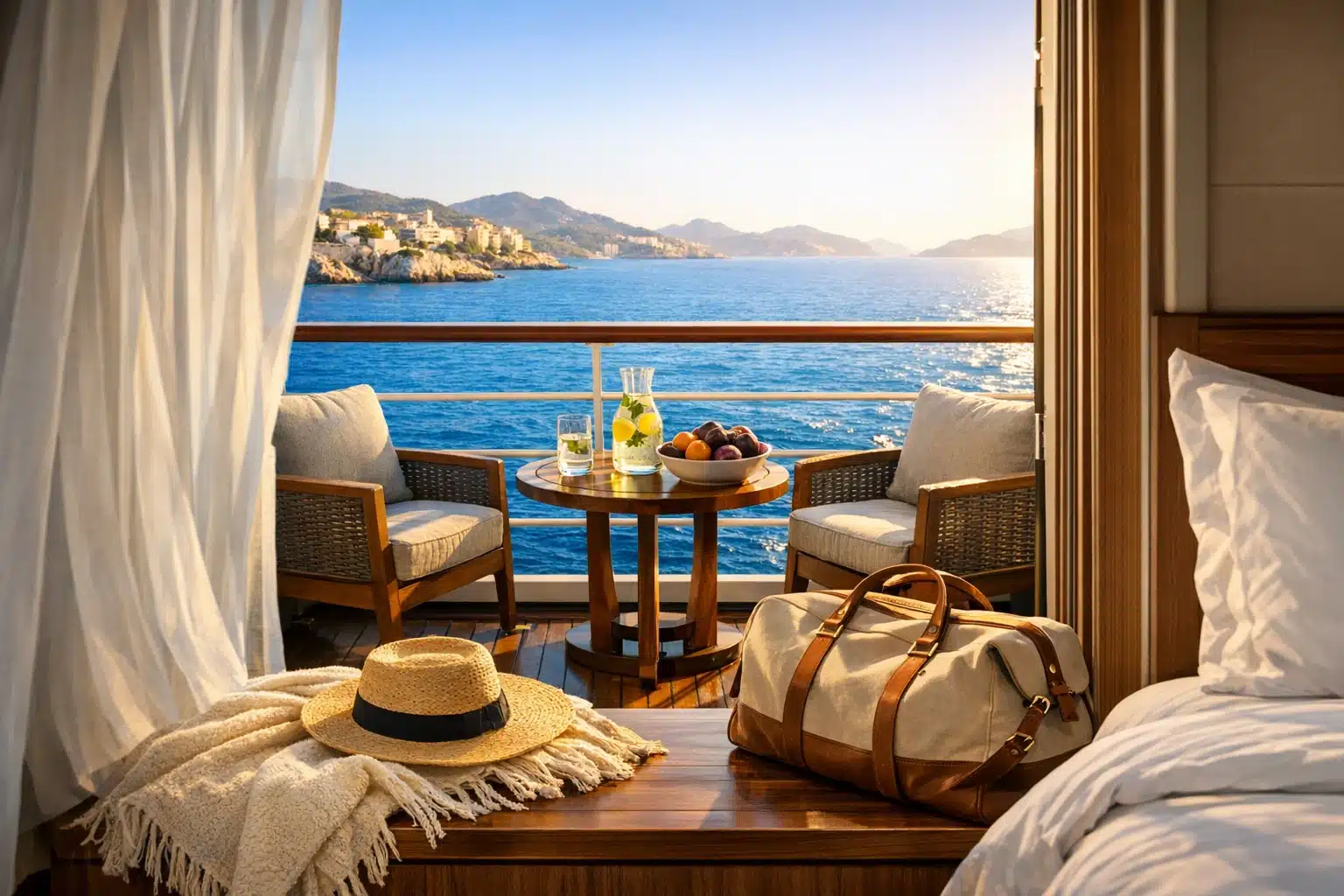
Start with cabin type. On a 5-night itinerary, many travelers can happily manage an inside cabin, especially if they plan to be out exploring the ship or going ashore. An ocean-view cabin gives natural light, which some people find useful on Northern European sailings where the weather can be grey and daylight helps orient the day. A balcony can be wonderful if you value private outdoor space, but on a short itinerary it is often a luxury rather than a necessity. The premium may be worth paying for couples treating the trip as a special occasion, though budget-focused travelers often get better value by using that money for excursions or a more flexible dining package.
- Inside cabin: usually the best value for short, port-heavy cruises
- Ocean-view cabin: a middle option with daylight and a sense of openness
- Balcony cabin: best for travelers who want privacy and quiet sea views
Then look closely at the extras. Common additional costs include:
- Port transfers or parking
- Gratuities or service charges
- Alcoholic drinks, specialty coffee, or bottled water
- Specialty dining
- Wi-Fi packages
- Shore excursions
- Travel insurance
Shore excursions deserve special attention because they can reshape the budget fast. A cruise line tour is often more expensive than arranging transport independently, but it offers useful protection: if the tour is delayed, the ship is responsible for getting you back. On a short cruise with limited time in port, that reassurance can be worth the premium. Independent exploration, on the other hand, works well in ports where transport is straightforward and the city center is easy to reach.
Booking timing also affects price. Early bookers tend to get the best cabin selection and more package choices, while last-minute deals can be attractive if you are flexible on cabin location and itinerary. The trade-off is uncertainty. If you need specific dates, want adjacent cabins, or plan to travel during school holidays, early booking is usually the safer strategy. Think of it this way: on a five-night sailing, every choice has a higher proportionate impact. A poor cabin location, an overpriced drinks package, or a missed transfer is not spread over two weeks. It is felt immediately. Good comparisons made before payment save more than money; they protect the quality of the whole trip.
Embarkation, Packing, and Onboard Planning for a Smoother Trip
Short cruises reward organized travelers. Because the voyage is compact, delays and forgotten items take up a larger share of the holiday than they would on a longer trip. Begin with embarkation logistics. If your cruise departs from Tilbury, decide early whether you are arriving by car, train, hotel transfer, or private taxi. Rail connections can be convenient, but they may involve a local transfer from the nearest station to the terminal. Driving gives more control over timing, though parking adds cost. Whichever option you choose, aim to arrive within your assigned check-in window rather than exceptionally early, since terminals work best when passengers flow in stages.
Documents are equally important. Passport requirements depend on nationality and itinerary, and post-Brexit travel rules for European ports can differ from what some UK travelers remember from previous years. Check official guidance well before departure, including visa rules if they apply to your citizenship. Keep printed or downloadable copies of boarding documents, travel insurance details, and any health or emergency contact information. It may feel old-fashioned, but paper backups are useful if phone batteries fade or mobile data becomes unreliable in transit.
Packing for five nights is less about volume and more about balance. Northern Europe weather can shift quickly, even in late spring and summer. A bright departure morning can turn into a windy deck evening, so layers matter more than dramatic outfit changes.
- Pack a waterproof jacket or compact rain shell
- Choose comfortable walking shoes for port days
- Bring one smarter outfit if your cruise has dressier evenings
- Add any motion-sickness remedies you trust before sailing
- Carry medications and valuables in hand luggage, not checked bags
Once on board, do a quick orientation. Find the buffet, main dining room, theater, guest services desk, and the outdoor decks you are most likely to use. Download the cruise line app if available, since many ships use it for daily schedules, dining reservations, and account tracking. Short cruises can feel busy because people try to experience everything at once. A better approach is selective planning. Pick one or two evening shows, one specialty meal if it matters to you, and one or two quiet rituals, such as coffee on deck or a late-night walk after the theater. Those repeated moments give the trip shape.
If you are worried about seasickness, midship cabins on lower or middle decks tend to feel more stable than forward cabins high up. The North Sea is not always rough, but it can be lively. That is not a reason to avoid the cruise; it is simply a reason to prepare. A little planning turns uncertainty into confidence, and confidence makes the ship feel less like a floating puzzle and more like a temporary home.
Making the Most of Port Days on a Short Northern Europe Cruise
The biggest mistake on a 5-night cruise is trying to do too much in each port. When travelers see only a few hours available, they often react by overloading the day with museums, transfers, lunch bookings, shopping lists, and photo stops. The result is not efficiency; it is fatigue. Short cruises work best when each port has one clear theme. In Amsterdam that might mean canals and a relaxed neighborhood walk. In Bruges it could be the historic center and one leisurely café stop. In Le Havre, perhaps a focused Normandy excursion or a waterfront stroll, depending on how long the ship remains in port.
Start by checking the real distance between ship and city. This matters enormously in Northern Europe. Bruges is not directly at the cruise pier, because ships usually dock in Zeebrugge. Amsterdam calls may involve docking at IJmuiden rather than in the center. Le Havre is its own city, while Paris is much farther away and only practical as a long excursion. That is why marketing descriptions can be misleading if you do not read them carefully. The name on the itinerary is sometimes the region, not the exact berth location.
A useful method is to divide each port day into three layers:
- One must-do activity you would regret missing
- One flexible option if timing allows
- One simple fallback plan if weather or queues disrupt the day
This structure prevents the day from collapsing when something shifts. Ferries run late, shuttle buses fill, and museum lines move slower than expected. A flexible plan keeps the mood intact. On a short cruise, mood matters. You are not just collecting places; you are managing energy across consecutive days. Returning to the ship tired but satisfied is ideal. Returning stressed, wet, and annoyed because you tried to fit an eight-hour land itinerary into five hours is a different story entirely.
Budgeting time for the return journey is essential. Independent travelers should aim to be back at the port well before all-aboard time, not merely before the gangway closes. Cruise ships operate to strict schedules, and the romance of the sea does not extend to waiting for late passengers. If you prefer less risk, ship-run excursions provide a buffer and can be sensible in ports with longer transfer distances.
The best port days on a 5-night cruise often feel surprisingly modest: a good walk, one memorable view, a local pastry, a canal reflected in soft afternoon light, and enough spare time to return without rushing. That is not underselling the trip. It is understanding its scale. A short cruise is not meant to replace a week in Amsterdam or a deep tour of Belgium. It is meant to offer a carefully sampled route through several places, with the ship tying the whole experience together each evening like a moving hotel with a steady horizon.
Conclusion: Is a 5-Night Cruise from London Right for You?
If you want a travel break that feels fuller than a city weekend but lighter than a long holiday, a 5-night cruise from London is a strong option. It suits first-time cruisers, busy workers with limited leave, couples looking for a compact escape, and travelers who value simple access to nearby European ports. The key is to book with clear expectations: compare inclusions carefully, treat embarkation and port logistics seriously, and resist the urge to overschedule every hour. Done well, this kind of sailing offers an appealing mix of structure, scenery, and ease, with just enough sea air to make everyday routines feel very far away.