5 Night Cruise From Hull: Itinerary and Travel Tips
A 5-night cruise from Hull offers something many short holidays struggle to balance: easy departure from northern England, time at sea that feels like a real escape, and enough room in the schedule to enjoy continental cities without rushing every hour. For couples, friends, and first-time cruisers alike, it can be a practical alternative to flying and a more atmospheric option than a standard city break. This guide maps out a sensible outline, a sample itinerary, and the travel tips that make the journey smoother.
Outline: first, it helps to understand what a five-night sailing from Hull usually includes and how it differs from a large ocean cruise. Next comes a sample day-by-day itinerary, followed by a close look at life on board. After that, practical planning matters such as transport, packing, and budgeting deserve attention. The article closes with advice on who this kind of holiday suits best and how to decide whether it matches your travel style.
What a 5-Night Cruise From Hull Usually Means
When people picture a cruise, they often imagine a vast floating resort gliding between multiple ports in the Mediterranean or Caribbean. A 5-night trip from Hull is usually a different style of experience, and that difference matters. In most cases, departures from Hull are closer to a short sea holiday or ferry-cruise break, often built around an overnight North Sea crossing to the Netherlands and a few days of city exploration before the return sailing. That makes the format especially attractive to travelers in Yorkshire, Lincolnshire, the North East, and the East Midlands who want international travel without the added time and cost of getting to a southern airport or a large cruise port.
The crossing from Hull to Rotterdam Europoort typically takes around 11 to 12 hours overnight, depending on conditions and schedule. In practice, that means your travel time becomes part of the holiday rather than a chore to endure. You board in the evening, settle into your cabin, have dinner, maybe step onto deck for a breath of cold salt air, and wake up on the continental side of the North Sea. There is a quiet appeal in that rhythm. Instead of sprinting through a terminal with a coffee in one hand and a passport in the other, you ease into the trip.
It is also worth understanding what these packages often include:
• overnight sailings in each direction
• an en suite cabin
• coach transfers or rail links from the port area
• a hotel stay or city-break element on land
• optional excursions to places such as Rotterdam, Amsterdam, Delft, The Hague, or Bruges, depending on the operator
Compared with flying, this type of break often feels less compressed. Compared with a longer cruise, it is more destination-focused and less about endless onboard facilities. You are unlikely to find a dozen pools or a theatre programme that runs all day, but you may gain a calmer, easier start to a European short break. For travelers who value convenience, scenery, and a different pace, that trade can be a very good one.
Sample 5-Night Itinerary: A Practical Day-by-Day View
Because operators package these trips in different ways, there is no single fixed itinerary that every 5-night cruise from Hull follows. Still, a common structure can help you picture how the holiday works. The example below reflects a realistic pattern: two nights at sea, three nights based around the Netherlands or nearby cities, and six calendar days from departure to return.
Day 1 usually begins in Hull with late-afternoon or early-evening check-in. After boarding, you have time to find your cabin, explore the ship, and settle into the slower tempo of sea travel. Dinner is often the first small pleasure of the trip. By the time the ship pulls away, the city lights have softened behind you and the journey starts to feel properly underway.
Day 2 is typically arrival morning at Rotterdam Europoort. From there, passengers may transfer into Rotterdam itself or continue onward to another base. Rotterdam suits travelers who enjoy modern architecture, food halls, waterfront views, and a city that feels contemporary rather than postcard-pretty. Others head to Amsterdam for canals, museums, and a more classic first-time-in-Europe atmosphere. If your package includes a hotel stay, this is usually when you check in and spend your first evening ashore.
Day 3 is often your fullest sightseeing day. In Amsterdam, that might mean a canal cruise, the Rijksmuseum area, Jordaan streets, or a market visit. In Rotterdam, many travelers explore the Markthal, cube houses, riverfront, or a day trip to Delft or The Hague. This is where the trip starts to show its value: you are no longer in transit, yet the holiday still feels compact and manageable.
Day 4 can be shaped in two ways. Some travelers keep it flexible and stay local, choosing cafés, shopping streets, and slower wandering. Others book an organized excursion. Depending on the package, possible options may include:
• Delft for ceramics and a smaller historic feel
• The Hague for art and government landmarks
• Amsterdam from Rotterdam, or the reverse
• Bruges on selected longer coach excursions
Day 5 is usually your final full day on land, followed by evening re-embarkation at Europoort. This is the day to avoid overcommitting. A missed transfer can turn a relaxed holiday into a stressful one, so keeping the schedule realistic matters. Day 6 brings morning arrival back in Hull. It is a gentle ending: one last breakfast on board, bags collected, and then homeward travel with a passport full of fresh stamps in spirit, if not always in ink.
Life On Board: Cabins, Dining, Comfort, and the North Sea Mood
A short cruise from Hull asks you to think about the ship in a slightly different way from a traditional week-long voyage. Here, the vessel is both transport and atmosphere. You are not living on board for an extended period, but the quality of your cabin, meals, and evening spaces still shapes the holiday more than many first-time bookers expect. Choosing well can make the difference between a functional crossing and a genuinely enjoyable one.
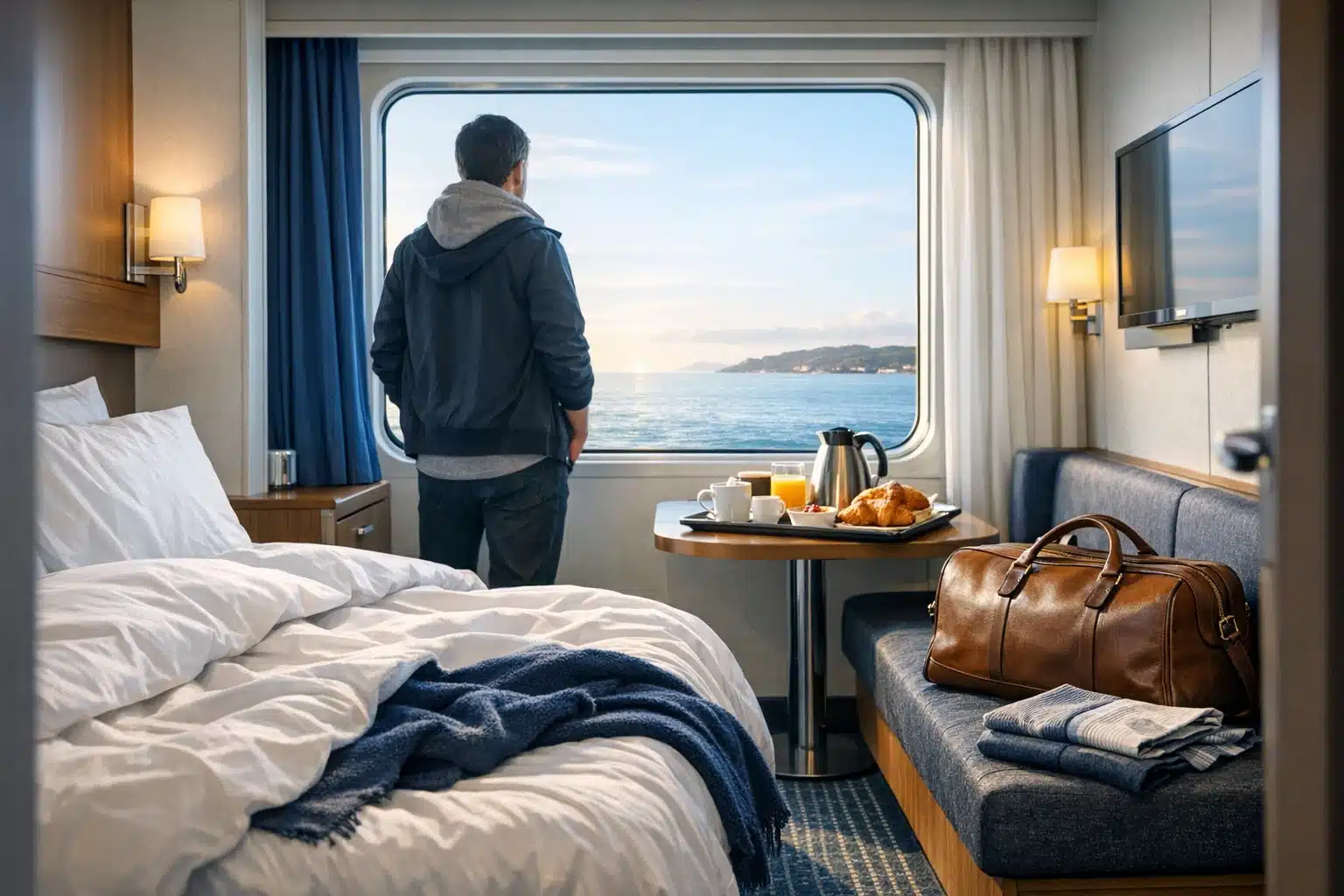
Cabins on North Sea ships are usually practical rather than extravagant. Standard inside cabins often offer the best value for travelers who mainly want a clean place to sleep and shower. Sea-view cabins can feel more open, especially on a winter or shoulder-season sailing when daylight is limited and a window adds character. Premium rooms or club-style cabins may include extra space, priority services, or upgraded dining, which can be worthwhile for couples celebrating a special occasion or anyone who prefers a quieter experience. If you are sensitive to motion, a lower-deck midship cabin is often considered steadier than one at the forward or aft ends.
Dining also deserves more thought than many people give it. Most short sailings offer a choice between casual self-service options and more structured restaurants. If you board hungry and leave dinner arrangements to chance, the first evening can feel disorganized. Pre-booking meals often reduces hassle and helps set the tone. The same logic applies to breakfast on arrival morning, when everyone is preparing to disembark and time feels tighter.
Onboard entertainment tends to be modest but pleasant: bars, lounges, small live music performances, cinemas on some ships, gaming areas, and duty-free shopping. The experience is less about constant stimulation and more about atmosphere. There is something timeless about watching the dark sea through a lounge window while the ship hums forward. Even a simple drink can feel oddly memorable when the horizon has disappeared into night.
One honest note: the North Sea can be lively. In calm weather, the crossing feels smooth enough for most travelers. In rougher conditions, motion can be noticeable. That does not mean the trip is unsuitable, only that preparation matters. Pack any remedies you trust, avoid very heavy meals if you are prone to seasickness, and remember that a little planning protects comfort more effectively than optimism alone.
How to Plan Well: Getting to Hull, Packing Smart, and Budgeting Without Surprises
Practical planning is where a good short break becomes an easy one. Hull is well placed for many parts of northern England, but the smartest approach depends on where you are starting. Travelers with a car often appreciate the straightforward drive and the flexibility of arriving with luggage that would feel cumbersome on a train. Rail passengers, meanwhile, can benefit from avoiding parking costs, though they should allow generous time for connections and local transfers to the ferry terminal. If you are traveling from farther away, arriving in Hull the night before can be a sensible choice, especially during winter, rail disruption periods, or holiday weekends.
Documents should be checked early rather than the week before departure. Since travel rules change, especially for UK passengers heading to the EU, confirm passport validity requirements and any current travel authorization rules directly with the operator and official government guidance. Travel insurance remains important even on a short itinerary. Medical issues, missed departures, and lost belongings do not become cheaper just because the holiday is brief. If your itinerary includes hotel nights ashore, check whether local city taxes are payable separately, as that can catch travelers off guard.
Packing for this trip is part coastal break, part city escape. Layers are better than bulky single garments because the weather can shift sharply between the ship, the port, and urban sightseeing. A useful packing mix often includes:
• comfortable walking shoes
• a wind-resistant jacket
• one smarter outfit for dinner if desired
• chargers and a power adapter if needed ashore
• a day bag for excursions
• any regular medication, plus seasickness remedies if relevant
Budgeting should cover more than the ticket price. A package that looks inexpensive at first glance can climb once cabin upgrades, meals, transfers, drinks, excursions, parking, and travel to Hull are added. On the other hand, comparing total cost rather than headline price often reveals why these trips appeal to many people. Flying may seem cheaper until baggage fees, airport transfers, and hotel add-ons are counted. A Hull departure can represent good value when convenience matters as much as raw cost.
One final planning point: build in margin. Do not schedule your outward journey to arrive moments before check-in closes, and do not cram your final day ashore with one last ambitious detour. Short trips reward realism. When the structure is simple, the whole holiday feels lighter, and you actually notice the details you came for in the first place.
Who This Holiday Suits Best and Final Advice for First-Time Bookers
A 5-night cruise from Hull is especially well suited to travelers who want a manageable international break without the choreography of flying. Couples often enjoy the built-in romance of overnight sailings and city evenings ashore. Friends may like the social side of bars, shared meals, and easy day trips. Older travelers frequently appreciate the straightforward logistics and the absence of airport pressure. For first-time cruise bookers, this format can also work as a useful introduction to sea travel because the commitment is short and the itinerary remains familiar and practical.
That said, it will not suit everybody equally. If your ideal holiday means nonstop sunshine, multiple glamorous ports, and resort-style ship facilities, a North Sea departure may feel too restrained. If you are highly sensitive to motion and dislike overnight travel, you may prefer rail- or air-based city breaks. Families can certainly enjoy this style of trip, but they should check onboard entertainment, cabin size, and excursion pacing carefully before booking. In other words, the success of the holiday depends less on chasing a universal idea of the perfect break and more on matching the format to your own habits.
For the right traveler, the benefits are clear:
• departure from a northern port can save time and energy
• the journey itself feels memorable, not merely functional
• luggage handling is often simpler than on budget flights
• the mix of sea travel and city time creates variety in a short window
• the overall pace can feel calmer than a rushed fly-and-go itinerary
The best advice is to book with clear expectations. Think of the trip as a compact European escape with a nautical frame, not as a giant floating resort. Choose your cabin with care, leave breathing room in your schedule, and decide early whether you prefer guided excursions or independent exploring. If you do that, the holiday can feel wonderfully balanced: enough movement to stay exciting, enough structure to stay easy, and enough atmosphere to linger after you are home. For travelers based in or near northern England who want a short break with character, a 5-night cruise from Hull remains a practical and appealing option.