4-Night Mini Cruise from Portsmouth to Hamburg: Itinerary and Travel Tips
A 4-night mini cruise from Portsmouth to Hamburg offers more than a practical way to travel between southern England and northern Germany. It turns the crossing into a short holiday, mixing unhurried sea days with the pleasure of arriving by water in a city shaped by trade, culture, and maritime history. For travelers who want a compact escape without the usual airport rhythm, this route feels efficient yet surprisingly atmospheric. The guide below covers the outline, likely itinerary, and the practical choices that can make the trip smoother from embarkation to arrival.
Outline: 1. Why this mini cruise appeals and what kind of trip it offers. 2. A typical day-by-day itinerary from Portsmouth to Hamburg. 3. How to book well, choose a cabin, pack wisely, and manage costs. 4. What to do onboard during a short sailing and how to enjoy sea days. 5. Arrival in Hamburg, onward planning, and final advice for the travelers most likely to enjoy this route.
Why a 4-Night Mini Cruise from Portsmouth to Hamburg Is Worth Considering
A short cruise between Portsmouth and Hamburg sits in an appealing middle ground between transport and holiday. It is not as long or as expensive as a week-long itinerary around the Norwegian fjords or the western Mediterranean, yet it feels more substantial than a simple overnight ferry crossing. That balance is exactly why mini cruises have become attractive to travelers who want a break that feels different without needing a long period of annual leave. In practical terms, four nights can be enough time to settle into the ship, enjoy the atmosphere, and still reach your destination refreshed rather than hurried.
One of the strongest advantages of this route is the departure point. Portsmouth is one of the UK’s best-known maritime cities, with strong rail and road links from London, the South Coast, and much of southern England. For many travelers, reaching the port is simpler than navigating a major airport, especially when baggage limits and check-in stress are taken into account. Cruise check-in still requires planning, of course, but the overall pace is usually gentler. Instead of rushing from security to boarding gate, you move from terminal to ship and begin the trip with a clearer sense of transition.
There is also the question of the journey itself. Flying from southern England to Hamburg is certainly faster in pure travel time, but it compresses everything into one functional experience. A mini cruise stretches the distance in a more memorable way. You leave the Solent behind, move through the English Channel and North Sea, and eventually approach Germany through the Elbe. That gradual change of scenery gives the route a narrative quality. It is the difference between seeing a city appear suddenly on an arrivals board and watching it emerge at the end of a maritime approach.
For many people, the best comparison is not between cruise and luxury travel, but between cruise and fragmented travel. On a ship, accommodation, dining, entertainment, and transport are bundled into one setting. That can make budgeting and planning easier, especially for couples, older travelers, and first-time cruisers who do not want to coordinate multiple hotel nights and separate transfers. A mini cruise can suit several types of traveler:
– couples looking for a short romantic break
– friends wanting a compact city-and-sea trip
– first-time cruisers testing whether they enjoy life onboard
– travelers continuing into Germany or mainland Europe after arrival
The route also has emotional appeal. There is something quietly cinematic about leaving Portsmouth, a city tied so deeply to British naval history, and sailing toward Hamburg, a city whose identity is inseparable from ships, trade, music, and water. Even if your practical reason for booking is convenience, the experience often feels richer than the timetable suggests. That is what makes this kind of sailing relevant today: it offers a slower, more connected form of travel in an age when many journeys are designed only for speed.
Typical Itinerary: What Each Day Usually Looks Like
Exact schedules vary by cruise line, season, weather conditions, and port traffic, so the smartest approach is to treat any published plan as a working framework rather than a rigid script. Still, most 4-night mini cruises from Portsmouth to Hamburg follow a fairly logical pattern. You board in Portsmouth on day one, spend much of the next two days at sea, enjoy the changing approach toward northern Germany, and arrive in Hamburg on the morning of day five. It is a short itinerary, but it has enough shape to feel like a real voyage rather than a simple transfer.
Day one usually centers on embarkation. After arriving at Portsmouth International Port, you check in, hand over luggage, and go through the required document and security procedures. Boarding times are normally allocated in advance, and arriving too early does not always help. Once onboard, the first few hours pass quickly: finding your cabin, exploring decks, locating restaurants, and taking part in the safety drill. Departure itself is often one of the most memorable moments. As the ship pulls away, the shoreline begins to recede, and the trip suddenly becomes real. The first evening is usually best spent keeping things simple: have dinner, learn the layout, and avoid over-scheduling.
Day two is often the first full sea day. This is when the ship begins to feel less like transport and more like a floating hotel. Depending on the vessel, you may find lounges, casual dining venues, specialty restaurants, a gym, a spa, bars, live music, quizzes, talks, or small-scale theatre performances. A short cruise rewards moderation. On a longer itinerary, travelers may spread activities across a week, but on a four-night trip it helps to choose a few experiences that match your pace rather than trying to sample everything. Sea days are also ideal for reading, walking on deck, and simply watching the horizon, which remains one of cruising’s most underrated pleasures.
Day three often continues the North Sea crossing. This part of the journey can feel especially atmospheric because the ship is fully in rhythm by then. Weather may influence how calm or lively the sea feels, and this is where cabin location starts to matter more. If conditions are brisk, indoor lounges become busy and inviting; if skies are clear, upper decks can be excellent places to watch marine traffic and coastline transitions. Some itineraries may include scenic moments announced by the crew, while others keep the emphasis on onboard relaxation. Either way, this is usually the day when passengers stop thinking about schedules and start settling into the voyage.
Day four often brings the approach toward Hamburg, or at least the anticipation of it. One of the distinct pleasures of reaching Hamburg by ship is that arrival feels layered. You are not simply dropped into a city; you enter through its maritime identity. The transition from open water toward the Elbe and then into port is part of the experience. On some sailings, passengers wake early to watch the changing landscape, while others take a slower route to breakfast and enjoy the view from indoor observation spaces. By day five, disembarkation usually takes place after breakfast, with passengers leaving according to luggage tags or allocated groups. In a compact itinerary, timing matters, so it is wise to review final-night instructions carefully:
– confirm luggage collection rules
– check disembarkation time slots
– keep passports, medicines, chargers, and valuables in a hand bag
– allow margin for trains, hotels, or onward connections in Hamburg
Booking, Budgeting, Cabins, and Packing for a Smoother Trip
A short cruise can look straightforward on paper, but the booking decisions still shape the experience in a big way. The first question is value rather than headline price. A low fare may seem attractive, yet mini cruise costs often shift once you add cabin grade, drinks, specialty dining, parking, rail tickets to Portsmouth, travel insurance, and onboard spending. That does not make the trip expensive by default, but it does mean travelers should compare the total package instead of judging only the initial fare. In many cases, a slightly higher cabin category or an included dining option offers better overall value than the cheapest entry point.
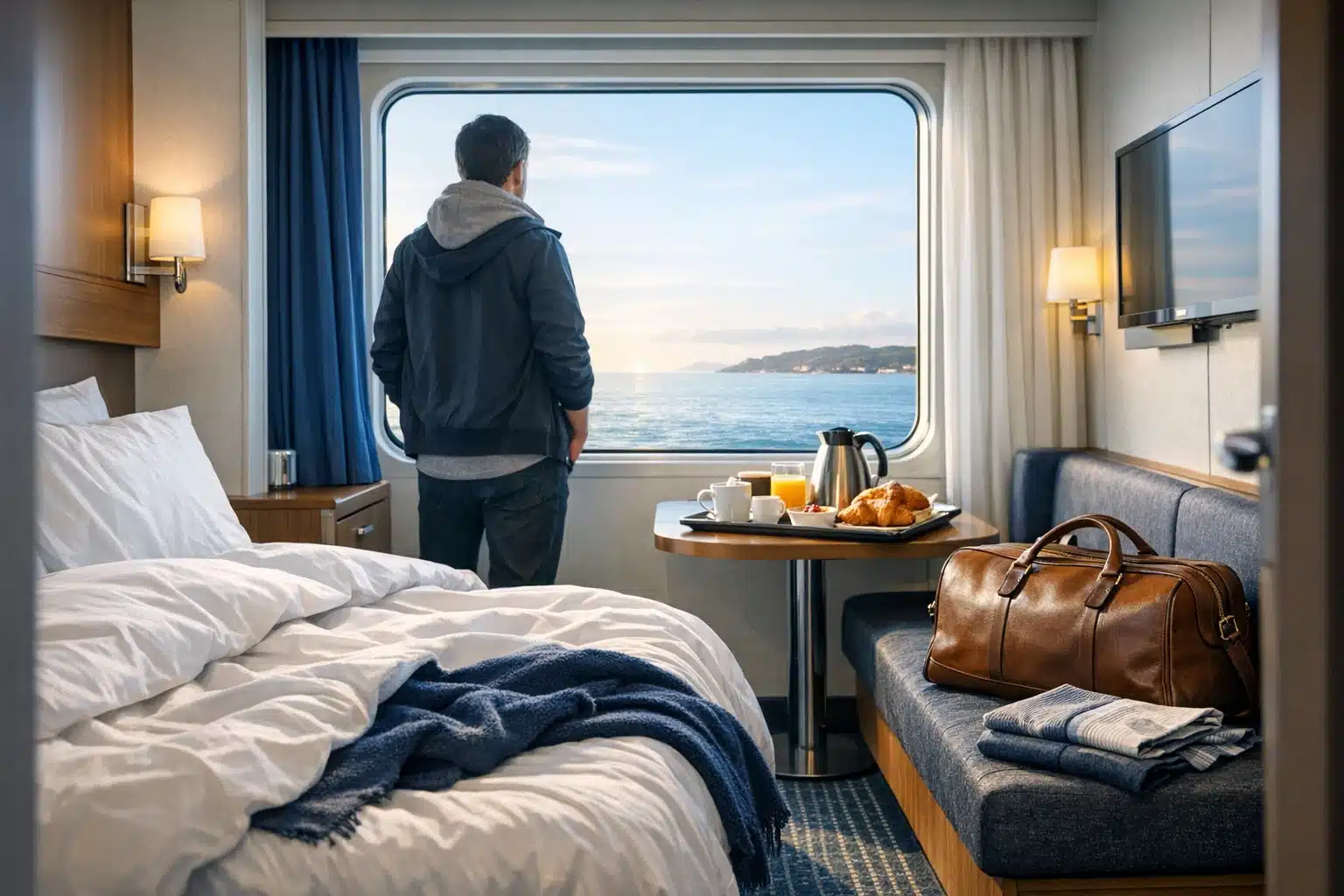
Cabin choice matters more than some first-time cruisers expect. On a four-night sailing, you do not need a huge suite to be comfortable, but you do need a cabin that suits your habits. Inside cabins are often the most budget-friendly and can be perfectly practical for travelers who plan to spend most of their time in public spaces. Ocean-view cabins add natural light, which many people appreciate on a route defined by sea scenery. Balcony cabins can be lovely, especially if weather is mild, though on a short northern sailing their value depends on how much private outdoor time you realistically expect to use. If you are prone to motion discomfort, midship cabins on lower to middle decks are usually a sensible choice because movement can feel less pronounced there.
Timing your booking can also help. Peak summer sailings may offer the warmest weather and longest daylight, but shoulder-season departures often provide a calmer atmosphere and better pricing. Late spring and early autumn can be especially appealing for travelers who care more about comfort and fewer crowds than maximum heat. Families with school-age children tend to travel during holiday periods, while couples and retired travelers often prefer quieter departures outside school breaks. If flexibility is possible, comparing several dates rather than focusing on one weekend can reveal better deals.
Documentation is another area where small mistakes create large stress. Since this is international travel, passengers should check passport validity rules well in advance and review any visa requirements that apply to their nationality. Travel insurance is strongly recommended, even for a short sailing, because medical issues, cancellations, and missed connections can quickly become costly. A few practical booking and pre-trip checks are worth doing early:
– verify what is included in the fare and what is extra
– check dining times and whether reservations are needed
– review luggage guidance and any formal or smart-casual dress expectations
– confirm transfer options in both Portsmouth and Hamburg
– save digital and printed copies of key documents
Packing for a mini cruise is less about quantity and more about versatility. Think in layers. The weather on the South Coast, the North Sea, and in Hamburg can shift quickly, even within the same trip. A waterproof jacket, comfortable walking shoes, a smarter outfit for dinner if desired, and a small day bag will cover most situations. It is also wise to pack essentials in carry-on luggage because checked bags may arrive at your cabin later than you do. Include medicines, chargers, travel papers, and anything you would need for the first few hours onboard. The ideal packing mindset is simple: take what supports comfort, not everything that might fill a suitcase.
Making the Most of Life Onboard During a Short Mini Cruise
The greatest mistake on a 4-night mini cruise is treating it like a longer voyage compressed into fewer days. On a week-long itinerary, you can wander, postpone, and experiment without much consequence. On a short sailing, time feels different. The trip moves quickly, so the key is to be selective. Rather than trying every restaurant, every show, and every onboard activity, focus on the experiences that make the crossing feel distinctive. In many cases, those are not the loudest or most heavily promoted moments, but the ones that let you enjoy the ship’s rhythm: a quiet coffee at sea, a walk on deck at sunset, or an unhurried breakfast while watching the coastline shift.
One of the best strategies is to use the first evening as an orientation period. Learn where the main dining room is, identify your preferred quiet lounge, find the open deck areas with the best views, and look through the daily program without feeling obliged to fill every slot. Cruise lines are skilled at offering options, but abundance can become noise if you do not filter it. Ask yourself what kind of short break you actually wanted when you booked. If the answer is rest, protect downtime. If it is entertainment, reserve key shows early if the ship’s system requires it. If it is a social break, head to shared spaces where conversation starts naturally.
Dining is often central to the onboard experience, and mini cruises are ideal for enjoying it without overcomplicating things. A steady approach usually works better than an indulgent sprint. Try one meal that feels special, one casual venue you can rely on, and a breakfast routine that suits your pace. If drinks packages are available, compare them carefully with your usual habits. On a four-night sailing, they are not automatically good value for everyone. Travelers who drink modestly may spend less by paying as they go, while those who enjoy cocktails, wine with dinner, and specialty coffees throughout the day may find a package worthwhile.
Entertainment on short sailings is usually designed to be accessible rather than overwhelming. You may find live music, trivia, production shows, cinema screenings, deck games, wellness sessions, and destination talks. Use these as anchors rather than obligations. A mini cruise becomes more enjoyable when you leave room for spontaneous pleasures:
– watching departure from an open deck
– reading in a lounge while the sea changes color
– taking photos at different times of day instead of only once
– waking early for the ship’s approach into port
– trying one onboard activity you would normally ignore
It is also worth speaking honestly about motion and weather. The English Channel and North Sea can be calm, but they can also be lively. If you are sensitive to movement, bring appropriate remedies and start using them according to instructions rather than waiting until discomfort begins. Hydration, fresh air, and avoiding very heavy meals can help. Equally, do not let the possibility of rougher weather overshadow the trip. Ships operating these routes are built for such conditions, and many passengers are pleasantly surprised by how manageable the crossing feels. A little preparation turns uncertainty into confidence, and confidence leaves more room for enjoyment.
Arriving in Hamburg: Disembarkation, City Planning, and Final Advice for Travelers
Arriving in Hamburg by ship gives the city a dramatic introduction that many visitors miss when they come by air or rail. Hamburg is Germany’s largest port and one of Europe’s most commercially and culturally significant maritime centers, so the route into the city is part of the story. Warehouses, cranes, waterfront districts, ferries, bridges, and modern terminals all contribute to an arrival that feels active and lived-in rather than purely scenic. Depending on the ship and schedule, you may berth at terminals such as Altona, HafenCity, or Steinwerder. The exact location matters because onward transport options differ, so it is sensible to check your terminal before arrival day rather than after you step ashore with luggage in hand.
Disembarkation is usually organized and fairly efficient, but the morning can still feel brisk because many passengers have trains, flights, hotels, or onward travel plans. Listen to the final-night announcements, check the written instructions left in your cabin, and avoid assumptions. Some travelers carry off all their own luggage for a faster exit, while others place larger bags outside the cabin the night before for collection in the terminal. Neither method is inherently better; it depends on mobility, schedule, and comfort. If you have a tightly timed train, build in a buffer anyway. Ports, traffic, and immigration or document checks can all affect timing, even when things run well.
Once in Hamburg, your next step depends on whether the cruise was the destination or the gateway. If you plan to stay in the city, even one extra night can be rewarding. Hamburg offers a mix of maritime heritage, architecture, music, food, and neighborhood character that works well for short visits. The Speicherstadt warehouse district, the Elbphilharmonie area, harbor boat services, and central shopping streets can all be reached with a little planning. If you are continuing elsewhere in Germany, Hamburg’s rail connections make onward travel straightforward, especially to cities such as Berlin, Bremen, and Hanover. This is one reason the route appeals to travelers who want the cruise experience without being locked into a round-trip format.
For first-time visitors, a few practical habits make arrival day easier:
– download local maps before leaving the ship
– keep some mobile battery in reserve for tickets and navigation
– know whether your hotel is closer to a station, ferry stop, or taxi rank
– check Sunday and holiday opening patterns if shopping matters to you
– leave room in your schedule for delays rather than planning every hour tightly
Conclusion: Who This Mini Cruise Suits Best
A 4-night mini cruise from Portsmouth to Hamburg is especially well suited to travelers who value the journey as much as the destination. It works for people who want a short break with atmosphere, couples looking for an easy change of scene, and first-time cruisers who want a manageable introduction to life at sea. It also suits practical travelers heading into Germany who would rather combine transport, accommodation, and downtime in one booking. If you approach it with realistic expectations, thoughtful planning, and enough flexibility to enjoy the sea rather than race through it, this route can feel far bigger than four nights suggest.