4-Night Mini Cruise from Newcastle to Dublin: Itinerary and Travel Tips
A 4-night mini cruise from Newcastle to Dublin offers a rare mix of convenience, coastal scenery, and city-break energy without demanding a long holiday. For travellers in northern England, it can feel like an overseas escape with less planning than a fly-and-stay break. The format suits couples, solo passengers, and first-time cruisers who want a manageable taste of life at sea. Understanding the schedule, onboard rhythm, and port logistics can turn a short trip into a smooth and memorable one.
This article begins with a practical outline and then expands each point in detail, so you can move from broad planning to confident booking.
- How the route typically works and why a 4-night cruise appeals to short-break travellers
- A realistic day-by-day itinerary from embarkation in Newcastle to disembarkation
- What to expect onboard, including cabins, dining, entertainment, and sea-day pacing
- How to make the most of your Dublin stop with efficient transport and time-saving choices
- Travel tips on budgeting, packing, booking, and deciding whether this mini cruise suits you
Understanding the Route and Why This Short Cruise Appeals
A 4-night mini cruise from Newcastle to Dublin sits in a sweet spot between a city break and a traditional cruise. It is long enough to feel like a genuine holiday, yet short enough to fit into a busy calendar. That balance explains much of its appeal. Many travellers want the atmosphere of a ship, the ritual of embarkation, the sea air on deck, and a change of country, but they do not always want a seven-night commitment or the hassle of airports. This type of sailing answers that need neatly.
One practical point matters from the start: cruises marketed as departing from Newcastle usually mean embarkation at the Port of Tyne in North Shields rather than central Newcastle itself. That detail affects how you plan trains, taxis, parking, or hotel stays the night before. It is a small distinction, but it can save unnecessary stress on departure day. If you are arriving from elsewhere in the UK, booking a nearby overnight stay can be wise, especially in winter or during rail disruption.
The route is especially attractive for travellers in northern England and Scotland because it reduces the friction of international travel. There is no airport security queue in the usual sense, no strict cabin bag battle at the gate, and no need to rush from an airport bus into a city centre hotel. Instead, once you are checked in and settled, the holiday begins to unfold around you. There is something pleasantly cinematic about watching the Tyne drift away while lights blink along the river and your ordinary week slips quietly behind.
In broad terms, these mini cruises are ideal for several types of passenger:
- First-time cruisers who want a low-commitment introduction to life at sea
- Couples looking for a compact romantic break with built-in dining and entertainment
- Friends wanting a social trip that mixes nightlife onboard with sightseeing ashore
- Solo travellers who enjoy structured travel and the comfort of a managed itinerary
- Older travellers who prefer a gentler pace than airport-based short-haul trips
Compared with a flight-and-hotel weekend, a mini cruise often offers stronger value in convenience, even if the headline fare is not always lower. Accommodation, transport between destinations, and evening entertainment are folded into a single booking. Of course, exact routes, port times, and onboard inclusions vary by operator and season, so checking the latest schedule is essential. Still, the overall appeal remains consistent: this is a short break that feels bigger than the number of nights suggests.
A Typical 4-Night Itinerary from Newcastle to Dublin
The exact timetable can vary depending on the cruise line, weather conditions, and seasonal scheduling, but most 4-night mini cruises on this route follow a similar rhythm. Thinking of the trip in stages makes it easier to plan expectations and manage your energy. Unlike a land-based city break, a cruise has its own tempo. Some hours are active and social, while others are intentionally slow, giving you time to read, watch the sea, or simply enjoy not being interrupted.
Day 1: Embarkation at Newcastle. You usually arrive at the terminal in the afternoon, complete check-in, pass through security, and board the ship several hours before departure. This is the right time to explore the deck plan, find your cabin, and book any extras if needed. If the ship has dining reservations, spa appointments, or premium experiences, they can fill quickly on shorter cruises. Sailaway is often one of the highlights of the whole trip. Even seasoned travellers tend to pause for it. There is a special mood to departure: coats zipped against the breeze, cameras lifted, and that quiet thrill when the ship begins to move.
Day 2: At sea. This is your adjustment day. Rather than rushing between attractions, you settle into the ship’s routine. Breakfast stretches longer than usual. Lounges begin to feel familiar. You notice which deck catches the morning sun and where the quieter corners are. Typical sea-day activities might include quizzes, talks, live music, spa treatments, afternoon tea, or simply walking the outer decks. If the Irish Sea is lively, motion may be more noticeable than on larger ocean itineraries, so it is sensible to pack any remedies you normally use for travel sickness.
Day 3: Dublin. This is usually the focal point of the cruise and the reason many people book. A port day in Dublin works best when approached with realism. You probably will not see everything, but you can see enough to feel the city’s character. Depending on docking time, shore excursions may begin fairly early. Independent travellers often head into the centre for a walking route that covers Georgian streets, Trinity College, Grafton Street, Temple Bar, or the riverfront. Others choose a single anchor activity, such as the Guinness Storehouse, EPIC The Irish Emigration Museum, or a hop-on hop-off bus.
Day 4: Return sailing. After a city day, the return voyage usually feels more relaxed. This is when many passengers settle into a slower onboard rhythm, review photos, enjoy a formal dinner if one is offered, or spend more time in bars and lounges. Because it is the last full evening, entertainment spaces can feel livelier.
Day 5: Disembarkation. Breakfast is earlier, luggage arrangements matter, and the transition back to land happens quickly. It helps to organise documents, bags, and onward travel the night before. A well-run final morning can mean being home by lunchtime, which is one of the hidden strengths of a short cruise.
Life On Board: Cabins, Dining, Entertainment, and What the Experience Feels Like
Mini cruises are short, but the onboard experience still shapes the whole trip. In fact, because the sailing lasts only four nights, every choice feels more important. The cabin you pick, the dining style you prefer, and the way you spend your sea time will have a noticeable effect on overall value. This is where travellers can either create a smooth, easy break or accidentally book against their own habits.
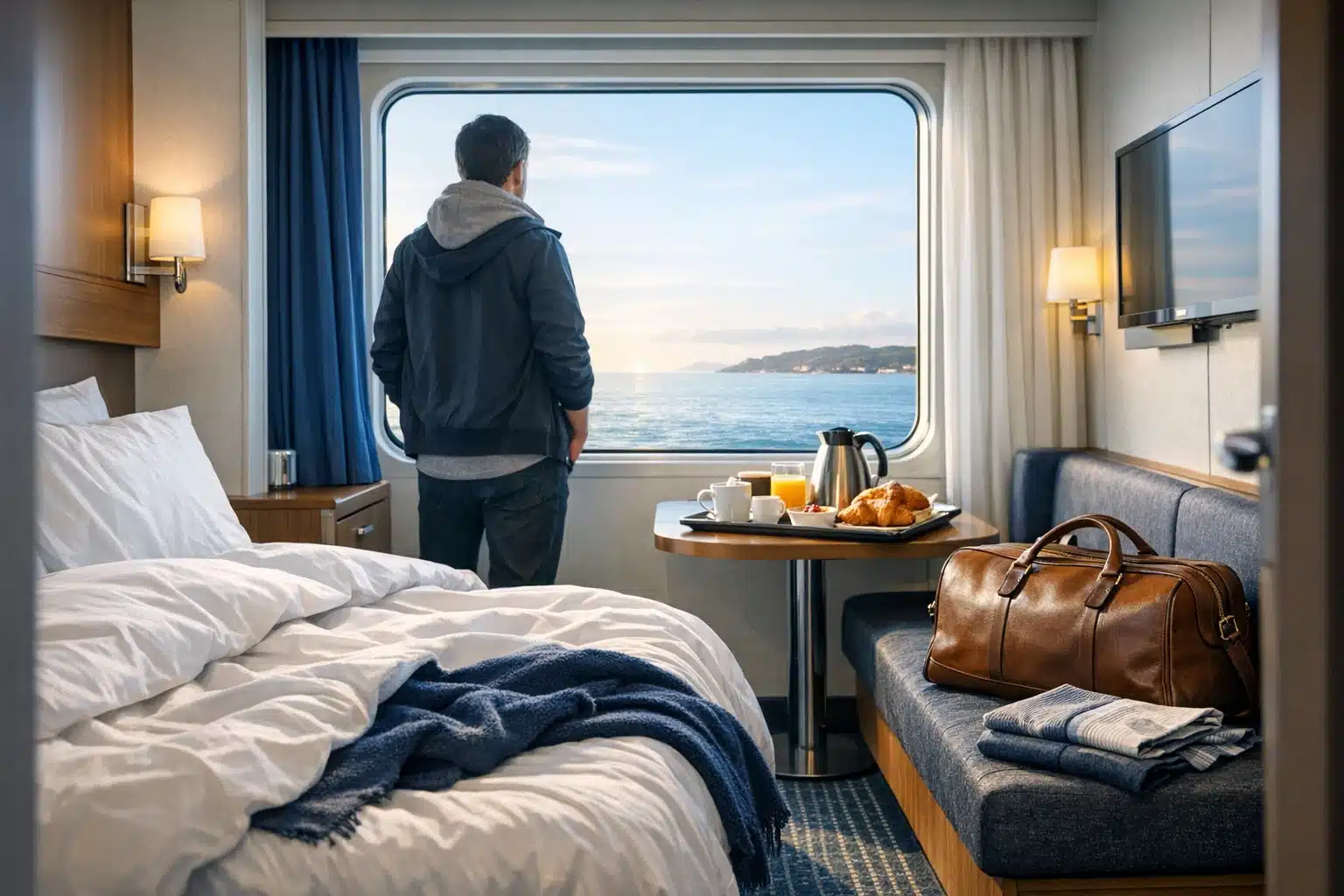
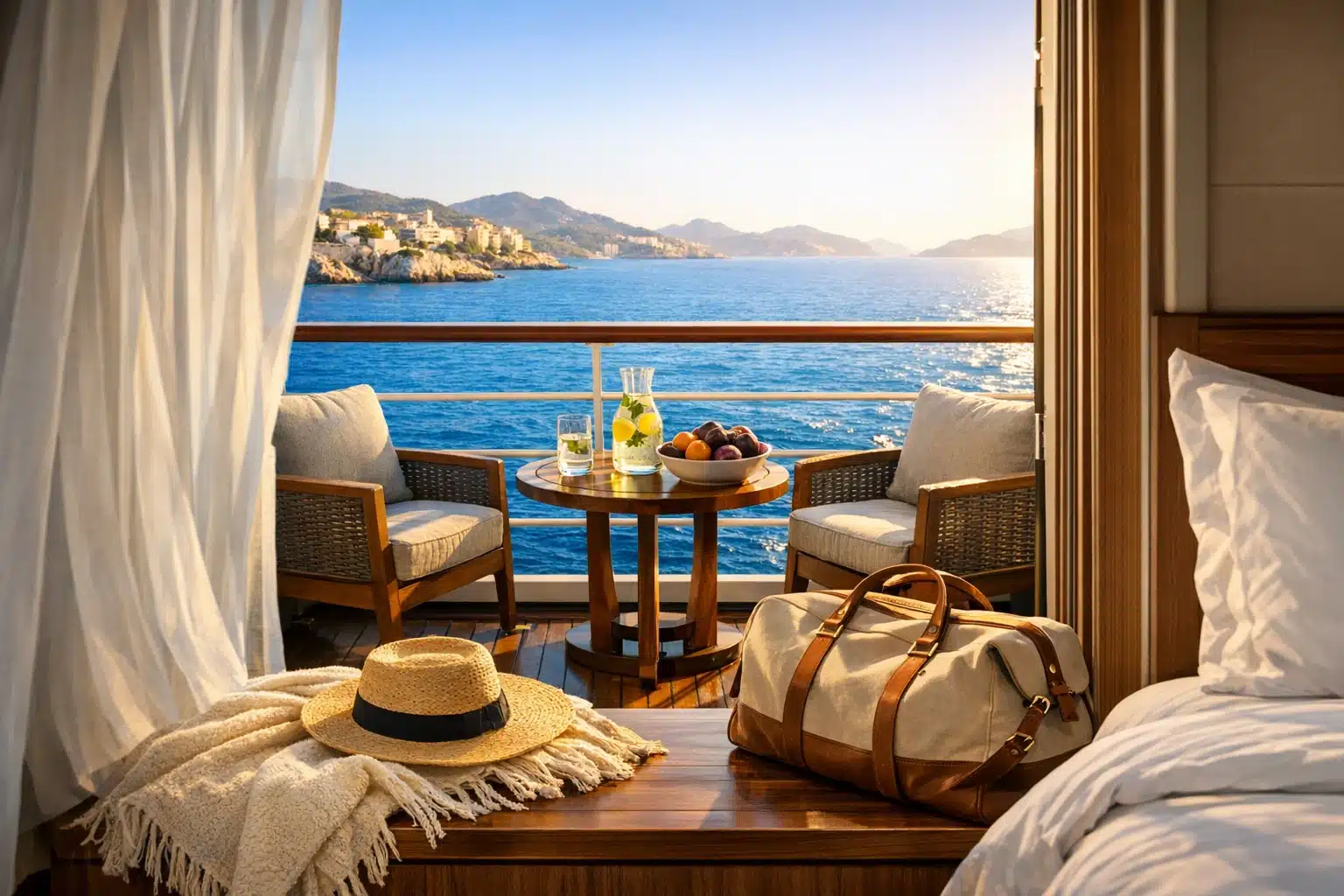
Cabin choice is the first major decision. An inside cabin is often the most economical and can be perfectly fine for passengers who treat the room as a place to sleep and shower. It is usually darker and quieter, which some people genuinely prefer. An ocean-view cabin gives you natural light and a stronger sense of connection to the journey, which matters more than many first-time cruisers expect. On a short route with lots of open sea, being able to glance out at changing weather and water colour can make the trip feel richer. Balcony cabins, where available, offer extra comfort and privacy, but they are best value for travellers who know they will actually use the space.
Dining varies by ship, yet most mini cruises include a mix of casual and more structured options. A buffet is practical when you want flexibility, especially on port mornings. Main dining rooms tend to feel more like an event and suit travellers who enjoy the classic cruise atmosphere. On a four-night sailing, my strongest advice is to mix both. Use casual dining when time matters, then choose at least one slower evening meal to enjoy the social side of the voyage.
Common onboard features often include:
- Buffet and main dining venues
- Bars, lounges, and coffee spots
- Live music, quizzes, or cabaret-style shows
- Spa, gym, and walking decks
- Shops and photography services
Entertainment on a mini cruise is not always about scale. It is more about mood. Large resort-style ships may offer bigger productions, but smaller or mid-sized vessels can feel warmer and easier to navigate. You spend less time getting lost and more time actually enjoying the ship. For many passengers, that is an advantage, not a compromise.
A few practical tips can improve onboard comfort significantly:
- Pack one smart-casual outfit in case the evening dress code is slightly dressier than daytime wear
- Carry essential medication in your hand luggage, not in checked bags
- Download entertainment, maps, and booking confirmations before departure in case Wi-Fi is limited or paid
- Bring layers, because decks can feel windy even when the weather seems mild ashore
At its best, the ship becomes more than transport. It acts as a moving hotel, a social venue, and a buffer between home and destination. That is why a mini cruise often feels surprisingly restorative. Instead of one city replacing another at speed, the sea gives you a pause in between.
Making the Most of Your Time in Dublin
Dublin is a city that rewards focus. On a mini cruise, you are unlikely to have unlimited hours, so the goal is not to conquer the whole capital. The smarter approach is to choose a style of visit that matches your interests and energy level. Some passengers want landmarks and museums. Others want music, cafés, and a sense of atmosphere. Both approaches can work well, provided you are realistic about travel time between the port and the city centre.
Dublin Port is not the same as stepping straight into a compact old town. You usually need onward transport to reach the central sightseeing areas. Taxis are often the simplest option, while shuttle arrangements or organised shore excursions may also be available depending on the cruise. Travel time into the centre can vary with traffic, but planning on roughly 15 to 25 minutes is a sensible rule of thumb. Build in extra time for your return to the ship. Missing all aboard time is never a clever travel story.
If this is your first visit, a central walking route can offer the best return on limited hours. You might begin around Trinity College, continue through Grafton Street, cross toward Dublin Castle or Christ Church Cathedral, and then decide whether to head toward Temple Bar, St Stephen’s Green, or the quays. If you prefer a structured plan, choose one major attraction and build around it. That avoids the common short-break mistake of spending too much time in transit and too little actually enjoying the city.
Strong options for a cruise day in Dublin include:
- Trinity College and the surrounding historic core for a classic first look
- The Guinness Storehouse if you want a major attraction with city views
- EPIC The Irish Emigration Museum for a modern, story-driven museum visit
- St Stephen’s Green and nearby streets for a more relaxed, low-pressure wander
- A guided panoramic tour if mobility, weather, or time makes independent sightseeing less appealing
Practical details matter too. Ireland uses the euro, so carrying a small amount of cash can be useful, though cards are widely accepted. The plug type is the same as the UK three-pin system, which makes life easier for British travellers. English is widely used, and the time zone matches the UK, so there is no clock adjustment to confuse your return time.
The city itself often leaves the strongest impression in smaller moments: a busker catching a crowd on a street corner, the sudden elegance of Georgian doors, or the warm noise spilling from a pub before evening settles. Even a short call can feel rich if you allow room for atmosphere instead of trying to collect sights like receipts. Dublin is best enjoyed with a little curiosity and a little breathing space.
Travel Tips, Budget Planning, and Final Thoughts for Short-Break Travellers
If you are considering a 4-night mini cruise from Newcastle to Dublin, the smartest planning happens before you ever step on board. Short cruises move quickly, which means small oversights can take up a larger share of the holiday. The good news is that this kind of trip becomes much easier when you simplify your choices: arrive early, pack lightly but thoughtfully, and set a realistic budget for the extras that often sit outside the lead-in fare.
When comparing prices, remember that the cruise fare may include your cabin, standard meals, and basic onboard entertainment, but often not every extra. Drinks packages, speciality dining, excursions, parking, travel insurance, gratuities, and premium Wi-Fi can all affect the true cost. A cruise can still compare very well with a flight-and-hotel break, especially when you factor in baggage and transfer costs, but it pays to price the whole trip rather than just the headline number.
A practical spending checklist might include:
- Port parking or rail and taxi connections to North Shields
- Travel insurance that specifically covers cruise travel
- Shore transport in Dublin if you are not on an organised excursion
- Optional drinks, snacks, and speciality coffee
- A small contingency fund for weather-related changes or last-minute needs
Packing should reflect the route, not just the calendar month. The Irish Sea can be breezy in any season, and conditions can shift quickly. Comfortable walking shoes, a waterproof layer, medications, chargers, and one smarter evening outfit usually cover most needs. Keep passports or required identification, booking documents, and valuables in your hand luggage. If you are prone to motion sickness, prepare before you sail rather than after the ship starts moving.
This type of cruise is especially well suited to travellers who value ease over complexity. It works for people who want a break that feels organised but not rigid, social but not overwhelming, international but not logistically heavy. It may be less ideal for travellers who want several long days in port, constant warm-weather deck time, or the huge onboard feature list of a mega-ship.
For the right passenger, though, this itinerary has real charm. You leave from the northeast of England, trade the motorway and airport routine for a deck view, spend time in a capital city with strong personality, and return without feeling as if you have burned through a week of annual leave. That combination is precisely why mini cruises remain appealing. For couples seeking an easy escape, solo travellers testing cruise life, or busy professionals wanting a compact reset, a 4-night sailing to Dublin can be a smart and memorable choice. Plan carefully, keep expectations realistic, and this short voyage can deliver exactly what many modern travellers want: a break that feels simple to arrange and satisfying to remember.