4-Night Mini Cruise From London to Rotterdam: Itinerary and Travel Tips
There is something quietly satisfying about leaving London in the evening and knowing the North Sea will do the overnight work for you. A 4-night mini cruise to Rotterdam makes the journey part of the escape, which is why it appeals to travelers who want Europe without airport friction. It blends sea views, a compact city break, and a schedule that feels structured but never rushed. For couples, friends, and first-time cruise guests, it is an easy way to turn a few days off into a fuller experience.
This type of trip matters because it answers a very modern travel problem: many people want a short break abroad, but they do not want the stress, cost uncertainty, and time pressure that often come with flying. Rotterdam is especially well suited to this format. It is close enough to reach comfortably by overnight ferry connections from England, large enough to fill two days, and different enough from London to feel like a proper change of scene.
Article outline:
- How a London-to-Rotterdam mini cruise usually works and why travelers choose it
- A realistic 4-night itinerary, including ferry crossings and time ashore
- The best ways to spend limited time in Rotterdam
- Budgeting, cabin choices, packing, and booking strategies
- Practical travel advice, common mistakes to avoid, and who this trip suits best
How the Route Works and Why a 4-Night Mini Cruise Appeals
A 4-night mini cruise from London to Rotterdam is usually better understood as a short sea-and-city break rather than a classic cruise with multiple ports. In practice, most independent travelers leave central London for Harwich International Port in Essex, board an overnight ferry to Hook of Holland, and then continue to Rotterdam by metro or train. That detail matters, because it sets expectations correctly. You are not sailing directly into central Rotterdam on a floating resort ship. Instead, you are combining a comfortable overnight crossing with a well-connected Dutch city stay, which is often a more practical arrangement for a short holiday.
The standard structure is simple: two nights are spent on the ferry, and two nights are spent ashore, usually in Rotterdam. On the calendar, that often looks like five travel days. Night one is your outbound crossing, nights two and three are in the city, and night four is the return sailing back to England. For people who only have a long weekend plus one extra day, that rhythm works surprisingly well. It creates the feeling of a larger trip without requiring a full week off work.
Compared with flying, the main advantage is ease. There is still check-in and passport control, but the overall tone is less frantic. You can settle into a cabin, have dinner, watch the lights fade over the port, and begin the break before you even reach the Netherlands. Compared with a fast rail journey to a closer destination, the ferry is slower, but it offers a different kind of value: you save a hotel night during the crossing, you carry luggage more comfortably, and the travel itself becomes part of the experience.
This format tends to suit:
- couples looking for a low-stress city break
- friends who want a sociable trip with dining and nightlife options
- travelers from London and southeast England who want simple logistics
- first-time ferry passengers who want to test whether sea travel suits them
It may be less ideal for those who dislike overnight transport, want a long list of destinations, or prefer the speed of a one-hour flight. Still, for many travelers, the appeal is exactly in its modest ambition. It is not trying to be the grand voyage of a lifetime. It is a neatly designed escape: dinner at sea, a modern Dutch city by morning, and enough time to return home feeling refreshed instead of exhausted.
A Realistic 4-Night Itinerary From London to Rotterdam
The most useful way to plan this trip is to think in terms of a sample itinerary rather than a rigid script. Sailing schedules, onward transport, and hotel choices vary by season and operator, but the outline below reflects how many 4-night breaks are commonly arranged.
Day 1 begins in London. If you are traveling independently, you will usually head to Harwich in the late afternoon or early evening. Trains from London Liverpool Street to Harwich International often take around 1 hour 20 minutes to 1 hour 30 minutes, which makes the port surprisingly accessible for a continental departure point. After check-in, you board the ferry, settle into your cabin, and have time to explore the public spaces. This is the moment when the trip shifts mood. Instead of counting down to a boarding gate announcement, you can have a proper meal, watch the harbor activity from the deck, and let the city disappear behind you.
Day 2 starts with arrival in Hook of Holland. From there, Rotterdam is easy to reach; the metro connection generally takes roughly 30 to 35 minutes, depending on your final stop. Once in the city, you can drop bags at your hotel and begin with compact, central sights: the Markthal, the Cube Houses, the Old Harbour, and a walk along the waterfront. If energy allows, continue toward Witte de Withstraat for cafés, galleries, and dinner. This first day is best treated as an orientation day rather than a race. Rotterdam reveals itself through districts and atmosphere, not just landmarks.
Day 3 is your full day in the city, and it is where the short break becomes rewarding. You might choose architecture and museums, with stops at the Maritime Museum, Depot Boijmans Van Beuningen, or the Erasmus Bridge area. Another option is to lean into the water-facing identity of the city with a harbor cruise or a visit to Hotel New York on the Kop van Zuid. Travelers who prefer history over skyline can spend time in Delfshaven, one of the few areas that retains an older Dutch streetscape. In the evening, Rotterdam is lively without being overwhelming, which makes it especially pleasant for a second night out.
Day 4 gives you a final half day or longer, depending on ferry timings. This is the perfect window for shopping, a museum you missed, or a slow lunch. Later, you return to Hook of Holland and board the overnight sailing back to England. By Day 5, you arrive in Harwich and continue to London, usually by morning. The result is a short break that contains several textures: departure, crossing, urban exploration, and the small cinematic pleasure of coming home by sea.
What to See and Do in Rotterdam on a Short Stay
Rotterdam works especially well for a mini cruise because it is compact enough for a brief visit but varied enough to avoid feeling shallow. This is not Amsterdam’s canal postcard version of the Netherlands. Rotterdam is a city shaped by rebuilding, trade, design, and movement. Large parts of it were reconstructed after the Second World War, and that history partly explains why the skyline feels so modern. The city is now associated with bold architecture, broad river views, and the practical energy of one of Europe’s most important port regions.
If you only have one full day and part of another, focus on zones rather than trying to cover every major sight. Around Blaak, you can combine several of the city’s most recognizable stops in one walk. The Cube Houses are an obvious draw, not because you need to spend hours there, but because they show Rotterdam’s willingness to experiment. Nearby, the Markthal gives you both a striking interior and an easy lunch stop. The Old Harbour area adds maritime atmosphere and a softer visual contrast to the surrounding modern buildings.
From there, the city opens nicely in different directions:
- For architecture, walk toward the Erasmus Bridge and continue into Kop van Zuid.
- For museums, consider the Maritime Museum or the museum park area.
- For older character, spend time in Delfshaven, where canals and historic buildings offer a different tone.
- For panoramic views, the Euromast is a well-known option when visibility is good.
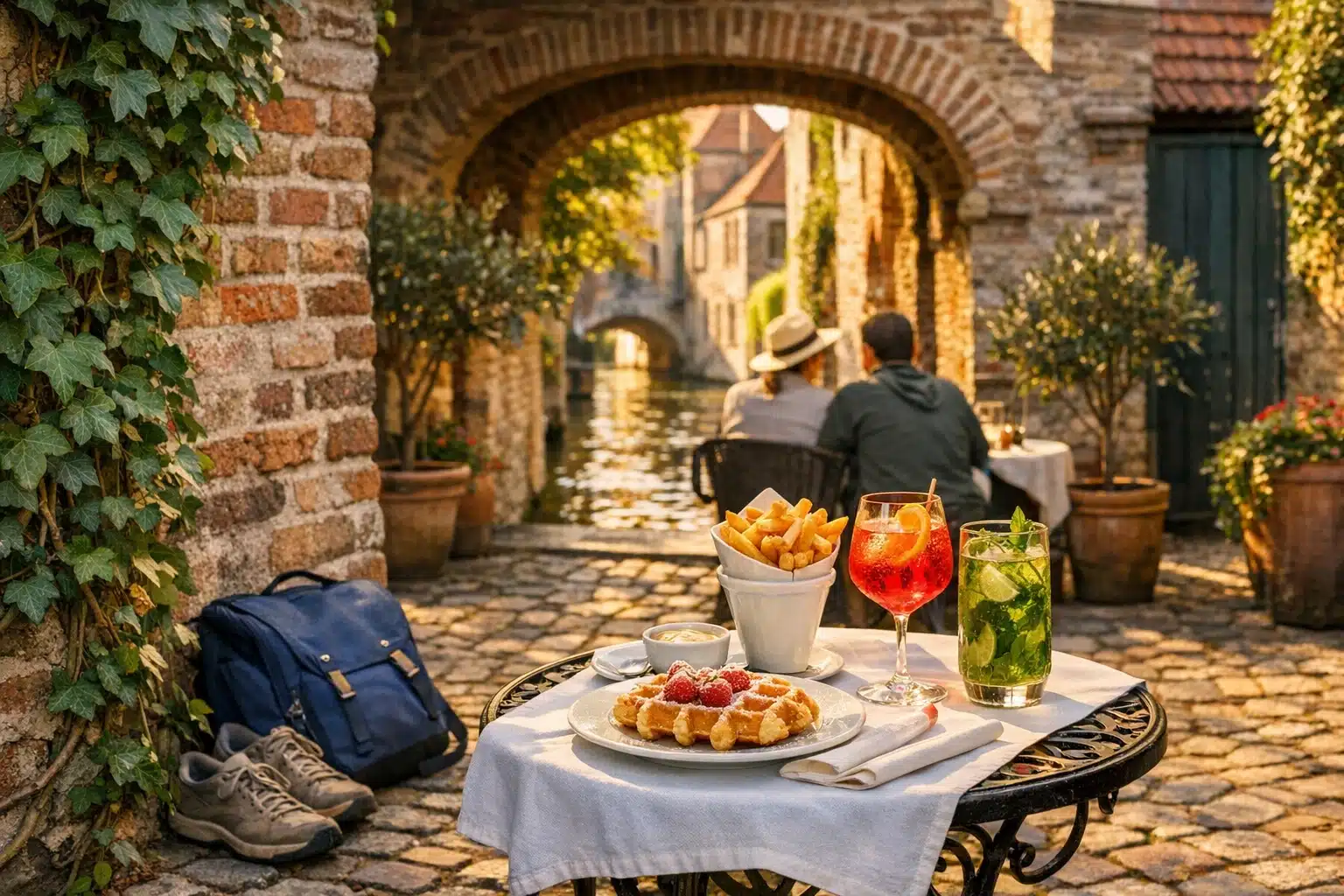
Food is another strength, especially for short-stay visitors who do not want complicated planning. Rotterdam is diverse, and that shows on the plate. You can move from Dutch snacks to Indonesian, Surinamese, Middle Eastern, or contemporary European cooking within a small area. The city also suits casual eating well: market halls, bakeries, waterfront cafés, and neighborhood restaurants make it easy to build your day around appetite rather than strict reservations.
One of the smartest choices for a brief trip is to avoid overcommitting to day trips. Delft, The Hague, and even Amsterdam are all tempting, and Dutch rail connections are excellent, but on a 4-night sea break your time in Rotterdam is already limited. Unless you have a strong reason to leave, staying local usually delivers a better experience. The city rewards wandering. A bridge, a tram, a waterside path, and a late coffee often tell you more than a checklist ever could. In that sense, Rotterdam is ideal for travelers who enjoy a place that feels lived-in rather than staged.
Budgeting, Cabins, Packing, and Booking Smartly
One reason this kind of trip remains popular is that it can be adapted to different budgets. Costs vary by season, cabin type, hotel standard, and how early you book, but the structure is easier to predict than many flight-based breaks. Your biggest expenses are usually the ferry crossing, the cabin, accommodation in Rotterdam, and food. Public transport within the Netherlands is efficient and generally straightforward, so once you arrive, moving around does not need to become a financial headache.
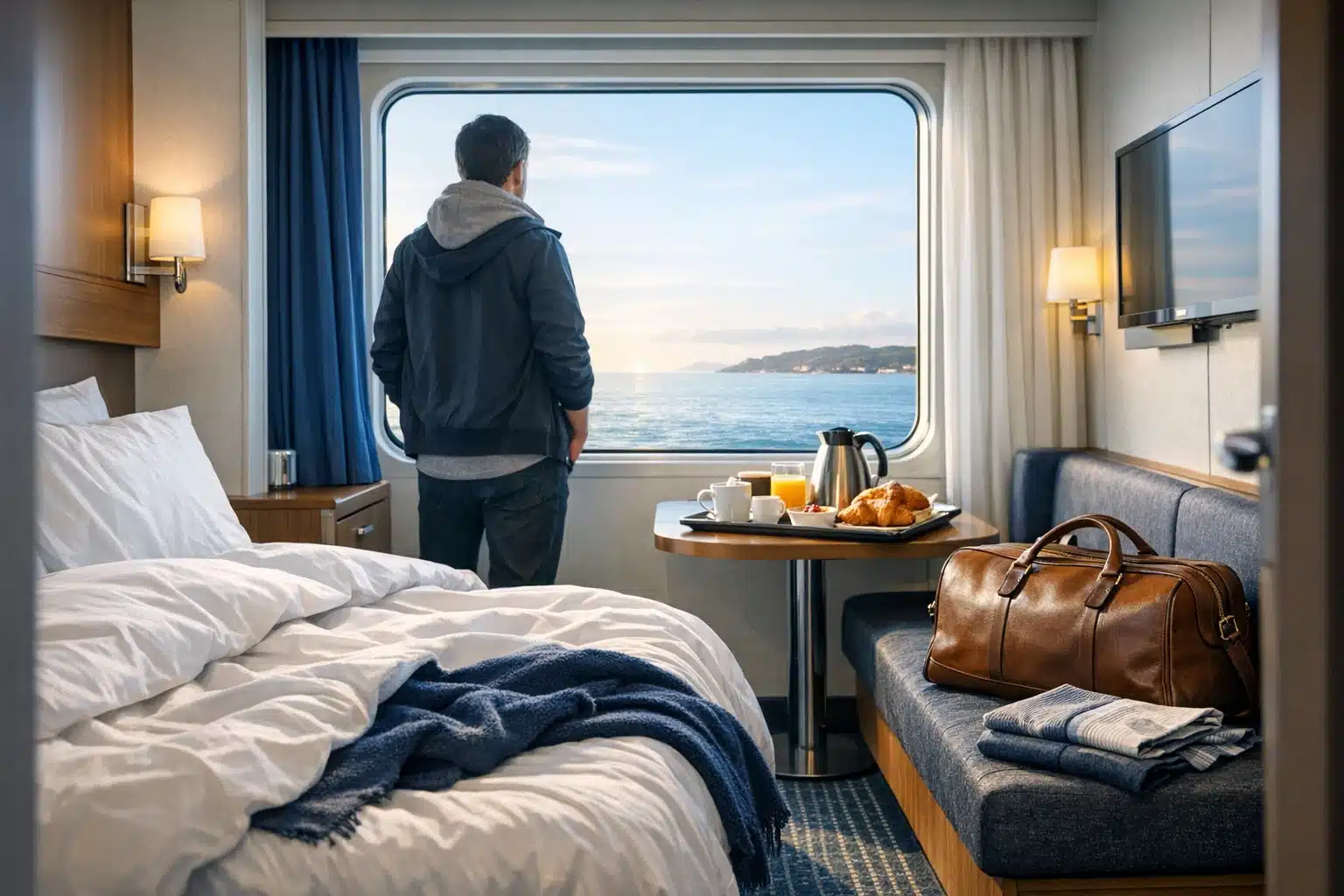
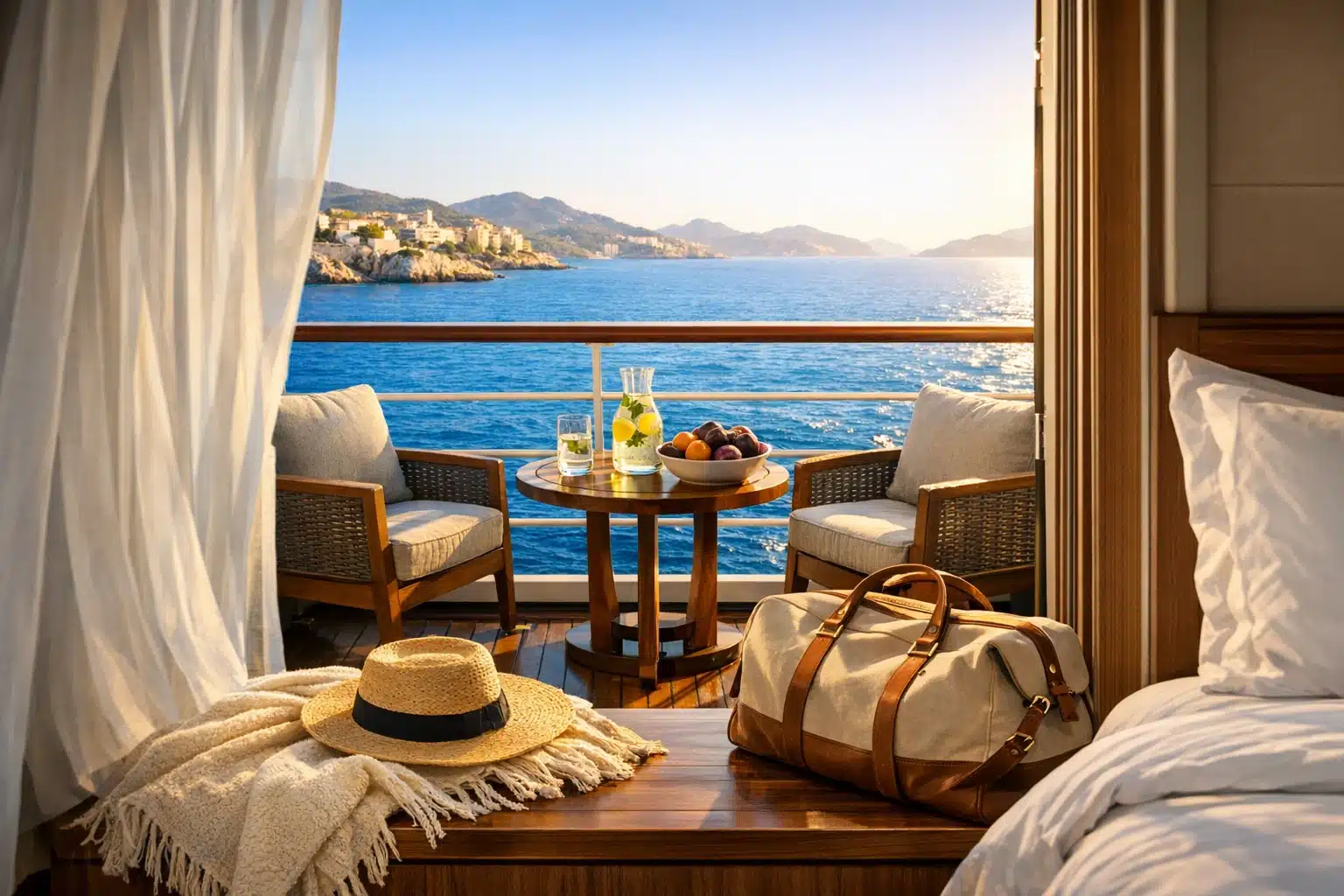
Cabin choice shapes the feel of the crossing more than many first-time travelers expect. An inside cabin is usually the most economical and can be perfectly fine for one night each way, especially if you are mainly interested in sleep. A sea-view cabin costs more, but some travelers enjoy waking to daylight over the water. If you are sensitive to noise or sleep quality matters a lot, paying a little more for a better cabin category can be worthwhile. On a short trip, comfort has a direct effect on how much energy you have in the city.
When planning your budget, think in practical layers:
- transport from London to the departure port and back
- ferry fare and cabin supplement
- one or two hotel nights in Rotterdam, depending on your package style
- meals onboard, which can be more expensive than meals in town
- local transport, museum tickets, and incidental spending
Booking early often gives you the widest choice of sailings and rooms, especially around school holidays, bank holiday weekends, and summer weekends. Midweek departures can sometimes offer better value and a calmer onboard atmosphere. If your dates are flexible, compare two or three travel windows instead of assuming the nearest weekend is the best option.
Packing is refreshingly simple, but smart choices matter. You do not need formal cruisewear. You do need to be ready for changing weather, sea breezes, and urban walking. A useful short-break packing list includes:
- a passport that meets current entry requirements
- comfortable walking shoes
- a light waterproof or wind-resistant jacket
- a portable charger and European plug adapter
- a small day bag for exploring the city
- motion sickness remedies if you are unsure how you handle crossings
For UK travelers, it is also wise to check current border and Schengen entry rules shortly before departure. Requirements can change, and passport validity rules are important. Finally, leave a little spare room in your luggage. Rotterdam is a good city for design shops, food treats, and casual shopping, and it is always nicer to bring something back without having to sit on your suitcase to close it.
Practical Travel Tips, Common Mistakes to Avoid, and Who This Trip Suits Best
The difference between a good short break and a frustrating one often comes down to small decisions. On a 4-night mini cruise, time is limited, so every avoidable delay feels larger. The first tip is simple: do not treat the route as if it were a direct city-center-to-city-center service. Build your plan around the real sequence of travel: London to port, ferry to Hook of Holland, then onward transport to Rotterdam. When that chain is understood from the start, the whole itinerary feels smoother.
Another common mistake is overpacking the schedule ashore. Rotterdam is enjoyable when you leave breathing room between stops. It has a spacious, open character, and much of its appeal lies in how its neighborhoods connect. If you schedule every hour, you risk spending more time checking directions than enjoying the place. A few anchor points, plus free time for walking, usually works better than an aggressive sightseeing list.
Keep these practical tips in mind:
- arrive at the departure port with time to spare rather than aiming for the last possible check-in window
- download offline maps or transport apps before you leave the UK
- carry a payment card that works abroad with low foreign transaction fees if possible
- check restaurant times, especially on quieter evenings or outside peak season
- consider seasickness prevention before the ship moves, not after
Rotterdam itself is traveler-friendly. English is widely understood, signage is generally clear, and public transport is reliable. The metro link from Hook of Holland makes the final leg easy by European standards. That said, keep an eye on practical comfort: weather near the coast can feel cooler than the forecast suggests, and windy conditions on deck are normal even when the city forecast looks mild.
So who is this trip really for? It is ideal for travelers who enjoy the process of travel as much as the destination, who like the idea of falling asleep in one country and waking up near another, and who want a manageable first taste of Dutch city culture. It is especially good for couples, adult friends, and anyone seeking a break that feels more distinctive than a routine weekend flight. Families can enjoy it too, but they should plan around cabin comfort, meal timing, and child-friendly pacing.
For the target audience, the strongest case is this: a 4-night London-to-Rotterdam mini cruise gives you a genuine change of scene without demanding heavy planning or a large block of annual leave. It is short, but not shallow. If you choose realistic timings, stay central in Rotterdam, and let the crossing be part of the pleasure, the trip offers exactly what many busy travelers are after: a compact European escape with enough texture to feel memorable.