4-Night Mini Cruise from London to Bruges: Itinerary and Travel Tips
A 4-night mini cruise from London to Bruges is an easy way to trade a normal week for sea air, medieval streets, and a compact European break. It appeals to first-time cruisers, busy couples, and anyone who wants a change of scene without planning a long holiday. This guide explains the usual itinerary, shore-time strategy, likely costs, and smart travel tips. Keep reading if you want a short trip that feels surprisingly full.
Outline of the Article: What This Mini Cruise Covers and Why It Matters
Before diving into ports, packing lists, and Belgian pastries, it helps to see how this kind of short cruise fits together. A 4-night sailing from London to Bruges is not just a transport link with a cabin attached. It sits somewhere between a city break, a ferry crossing, and a traditional cruise, which is exactly why many travelers find it attractive. You get the rhythm of ship life, the fun of waking up in a new place, and the simplicity of returning to the same room each evening, all without committing to a week or more away.
This article is arranged to answer the questions travelers usually ask before booking. First, it breaks down the typical structure of the cruise itself, because not every “London to Bruges” sailing works in precisely the same way. Some depart from Tilbury, some from Dover, and most actually dock at Zeebrugge, the coastal port used for visiting Bruges. Knowing that difference matters, because it shapes how much time you will have ashore and how independently you can explore.
It then looks at practical travel logistics, including how to get from London to the departure port, what embarkation day feels like, and what you can realistically expect on a short cruise ship itinerary. This is especially useful for first-time cruisers, who often wonder whether a mini cruise feels rushed or relaxed. The answer is that it can be both: brisk in schedule, but easy in effort.
Later sections focus on making the most of Bruges itself, a city that seems designed for postcards but rewards planning. You will find guidance on transport from port to city, smart sightseeing priorities, and simple ways to avoid wasting your limited shore time.
Finally, the article closes with practical advice on value, budgeting, packing, and who this trip suits best. In short, the roadmap looks like this:
• what the itinerary usually looks like
• how to manage departure day and onboard life
• how to spend your hours in Bruges well
• what the real costs and trade-offs are
• whether this cruise style matches your travel habits
If you are curious about a short cruise but not ready for a long sailing, this outline should help frame the rest of the journey clearly.
The Typical 4-Night Itinerary from London to Bruges
One of the most useful things to know at the start is that Bruges is not a seaside port. Cruise ships generally dock at Zeebrugge, the working port on the Belgian coast, and passengers then continue inland to Bruges by shuttle, coach excursion, taxi, or train. The city is roughly 15 to 20 kilometers away, so when cruise lines market a sailing as going “to Bruges,” they mean “to Bruges via Zeebrugge.” That sounds like a small detail, but it affects how you plan your day and how much flexibility you have once ashore.
A common 4-night pattern works like this. On Day 1, you travel from London to the departure port, usually Tilbury or Dover depending on the operator, complete check-in, and board in the afternoon. Once you are on the ship, the mood shifts quickly from practical to pleasant. Bags disappear into cabins, coffee turns into a sailaway drink, and suddenly the city feels far away. By evening, the ship departs, and the first night is usually about settling in: dinner, a walk on deck, maybe a show, and the low, steady hum of engines beneath the fun.
Day 2 is often a sea-focused day or a partial sailing day. On a mini cruise, this is not empty time. It is when travelers discover whether they enjoy ship life: breakfast without hurry, views of the Channel or North Sea, perhaps a quiz, spa visit, or live music before dinner. Because the voyage is short, this sea day is part of the appeal rather than a gap in the schedule. You are not racing between destinations. You are letting the journey do some of the work.
Day 3 is typically the main port day for Bruges. If you book an excursion through the cruise line, transport is organized and predictable, though often less flexible. If you go independently, you may save money and shape the day to your taste, but you must watch the return times carefully. Bruges is compact, which helps. You can see a lot in one day if you move efficiently.
Day 4 usually brings the return sailing. This is a good moment for a slower pace: a late breakfast, a browse through photos, perhaps one more meal that feels slightly more indulgent than it would at home. Day 5 is disembarkation back near London, usually in the morning.
In simple form, the flow often looks like this:
• Day 1: travel to port, board, depart
• Day 2: time at sea
• Day 3: Zeebrugge and Bruges visit
• Day 4: return sailing and onboard leisure
• Day 5: disembark and travel back to London
The format works best when you treat it as a short escape rather than a deep-dive tour of Belgium. It is a sampler, not a grand expedition, and that is part of its charm.
From London to the Ship: Embarkation, Port Transfers, and Life Onboard
Although these sailings are often described as departing from London, the ship itself normally leaves from a port outside the city. That distinction matters on booking day, because your journey starts well before you see the gangway. Tilbury is a common option for London-based departures and is relatively straightforward to reach from the capital by train, taxi, or car. Dover is another regular embarkation port for short Northern European sailings and is farther from central London, though still manageable for a same-day trip if you plan carefully.
As a broad guide, Tilbury can take around 60 to 90 minutes from central London, depending on your start point and the transfer method. Dover often takes around 90 minutes to 2 hours by train from London terminals, with extra time needed for station changes, port transfers, or road traffic if you are driving. Because embarkation slots are timed, it is wise to build in a margin rather than aiming for a just-in-time arrival. Cruise ships are not like trains; if you are late, they do not wait.
Bring the essentials where you can reach them easily:
• passport and travel documents
• cruise confirmation and boarding details
• any required luggage tags
• medications in hand luggage
• a charger, basic toiletries, and one change of clothes in case checked bags arrive later than you do
Embarkation itself usually involves security screening, identity checks, and a short wait before boarding. Once onboard, the most useful mindset is to slow down. A mini cruise has fewer days than a full itinerary, but that does not mean you should treat every hour like a checklist. Explore the ship early, learn where the dining room and buffet are, find your cabin, and confirm any excursion details before you forget.
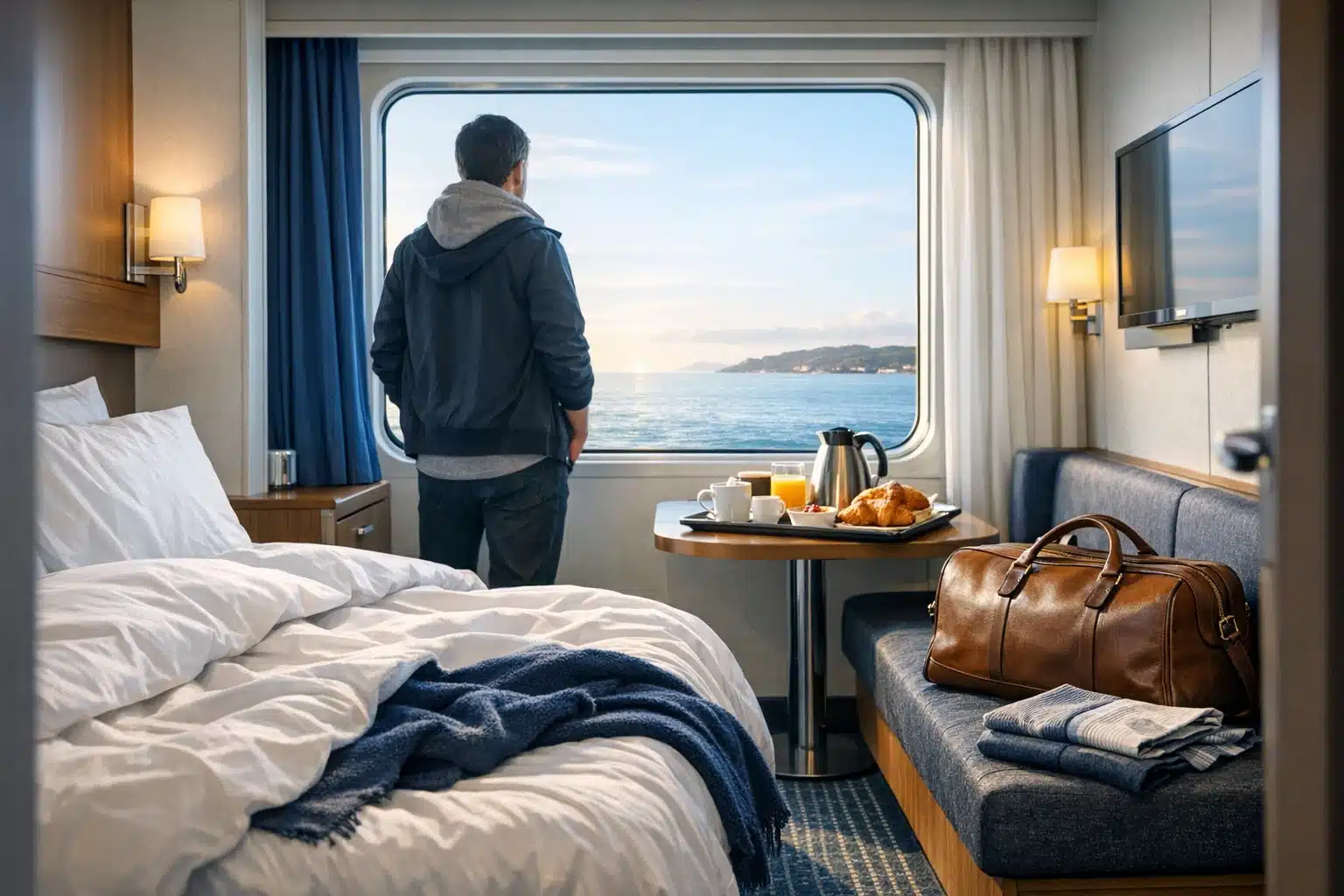
Onboard life on a 4-night sailing is often more casual and sociable than people expect. You may find live music, comedy, quizzes, themed bars, a small spa, a gym, and perhaps a pool depending on the ship. The entertainment is part of the value, especially when compared with a land-based city break where each evening means choosing and paying again. Dining usually ranges from included buffet meals to specialty restaurants that cost extra.
A helpful comparison is this: a short hotel break gives you one destination with fixed surroundings, while a mini cruise acts like a moving hotel with built-in entertainment and meals. The trade-off is cabin size and limited time in port. If you are comfortable with that exchange, the onboard experience can feel pleasantly efficient. You unpack once, watch the horizon slide by, and let the sea create a small pause between ordinary days.
How to Spend Your Day in Bruges: Sights, Food, and Smart Shore Planning
Bruges is one of those cities that looks almost too carefully composed to be real. Gabled houses line the canals, church towers rise above the roofs, and stone lanes curve just enough to tempt you around the next corner. Yet for cruise passengers, the beauty comes with a practical challenge: time. Because you are visiting on a port call rather than staying overnight in the city, every decision matters more. A loose plan will usually serve you better than pure improvisation.
The first step is getting from Zeebrugge into Bruges efficiently. Cruise lines often sell coach transfers or guided excursions, and these are the easiest options for travelers who want minimal stress. Independent visitors may be able to use a port shuttle plus local transport, or take a taxi if traveling as a pair or small group. Travel time into the city is often around 20 to 30 minutes, though this can vary with traffic, transfer arrangements, and where the ship docks in the port area. Whatever method you choose, build in a generous return buffer. The worst souvenir is watching your ship become smaller from the dock.
Once you arrive, Bruges is wonderfully walkable. If you are seeing it for the first time, start in Markt, the main square, where colorful stepped facades set the tone at once. Nearby stands the Belfry, one of the city’s best-known landmarks. If climbing towers is your thing, the view is memorable, though queues can eat into limited shore time. From there, Burg Square brings together civic history and ornate architecture, and the Basilica of the Holy Blood often draws interested visitors for both religious and historical reasons.
A sensible one-day route might look like this:
• begin at Markt and photograph the square early
• walk to Burg Square and nearby historic buildings
• take a canal cruise if the line is short and the weather is kind
• continue toward the Begijnhof and Minnewater area for a quieter mood
• stop for chocolate, fries, waffles, or a sit-down Belgian lunch
• leave enough time to browse lace shops, beer stores, or small side streets before heading back
Canal cruises are a classic choice, and for many visitors they are worth it. They offer a different angle on the city and are efficient for seeing a lot quickly. That said, if the queues are long, you may prefer simply walking. Bruges is small enough that slow wandering can be just as rewarding. The city rewards attention: a carved doorway, a tiny bridge, the reflection of a spire in green water. It is less about racing to monuments than noticing how gracefully everything fits together.
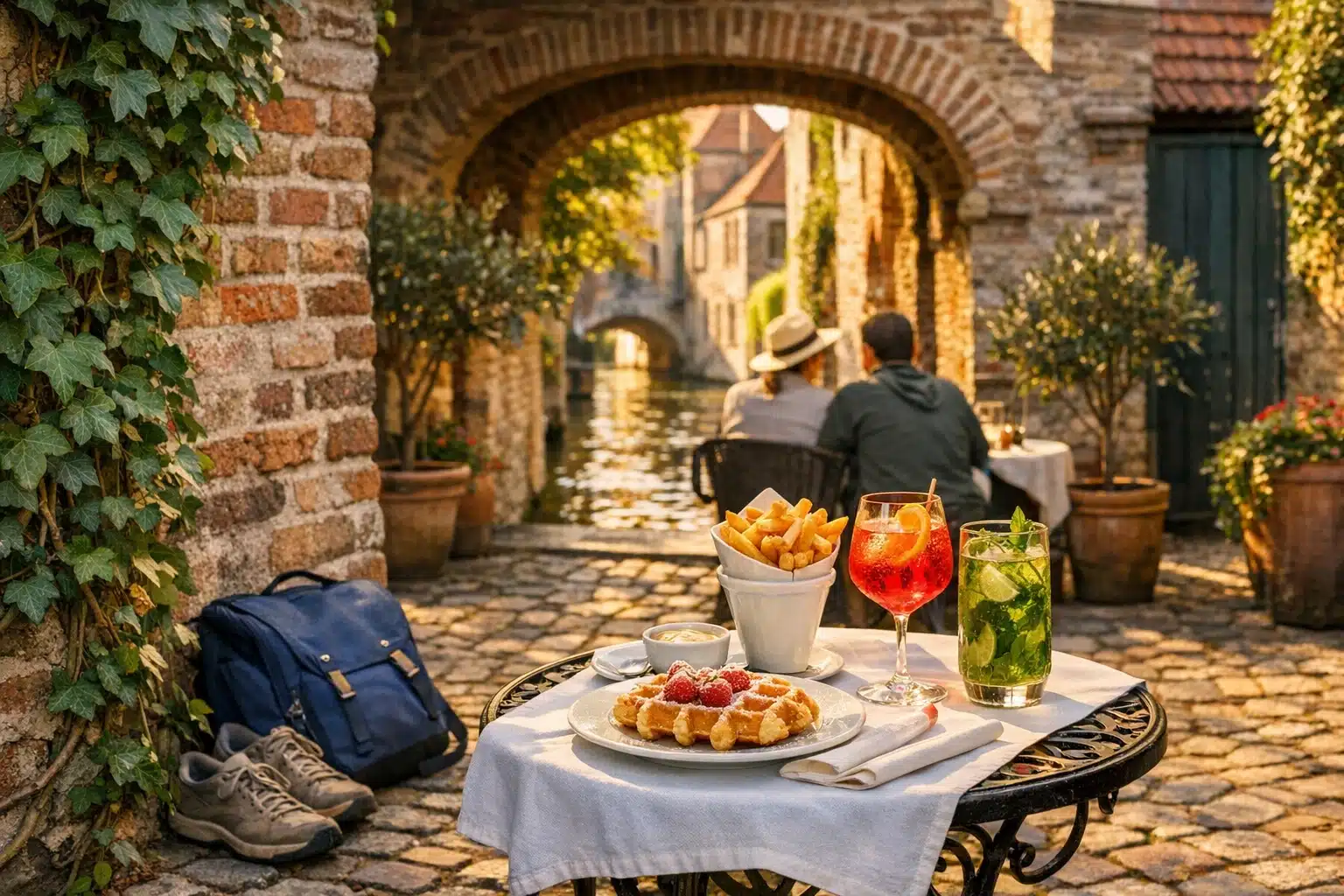
Food is part of the appeal too. Belgian waffles are the obvious treat, but not the only one. Good fries, rich hot chocolate, local beers, hearty stews, and pralines all compete for your attention. If you want a more relaxed meal, avoid the busiest square-side places at peak lunch hour and head one or two streets away. Prices can soften, and the atmosphere often improves.
If you are choosing between a guided excursion and an independent visit, the best option depends on your travel style. Guided trips remove uncertainty and may include commentary that adds context. Independent touring gives you freedom, lower costs in some cases, and the chance to follow your own pace. For confident travelers, Bruges is a manageable DIY port day. For nervous first-timers, an organized transfer can be worth the premium for peace of mind alone.
Budget, Packing, and Final Advice for First-Time Mini-Cruise Travelers
A 4-night mini cruise to Bruges often looks affordable at first glance, and sometimes it genuinely is. Short sailings can offer attractive headline fares, especially outside school holidays or when booked as a spontaneous shoulder-season break. Still, the base price rarely tells the full story. To judge value properly, think in layers rather than a single number. Your total cost may include travel from London to the port, drinks beyond included options, specialty dining, Wi-Fi, gratuities depending on the cruise line, shore excursions, snacks in Bruges, and perhaps travel insurance or parking.
A practical way to budget is to separate the essentials from the enhancements. Essentials usually include:
• cruise fare
• transport to and from the embarkation port
• passport and travel document readiness
• basic spending money for the day ashore
Enhancements are where costs rise:
• upgraded cabin categories
• alcoholic drinks and coffee packages
• shipboard spa treatments
• paid excursions
• premium dining venues
• souvenirs, chocolate, and local food stops in Bruges
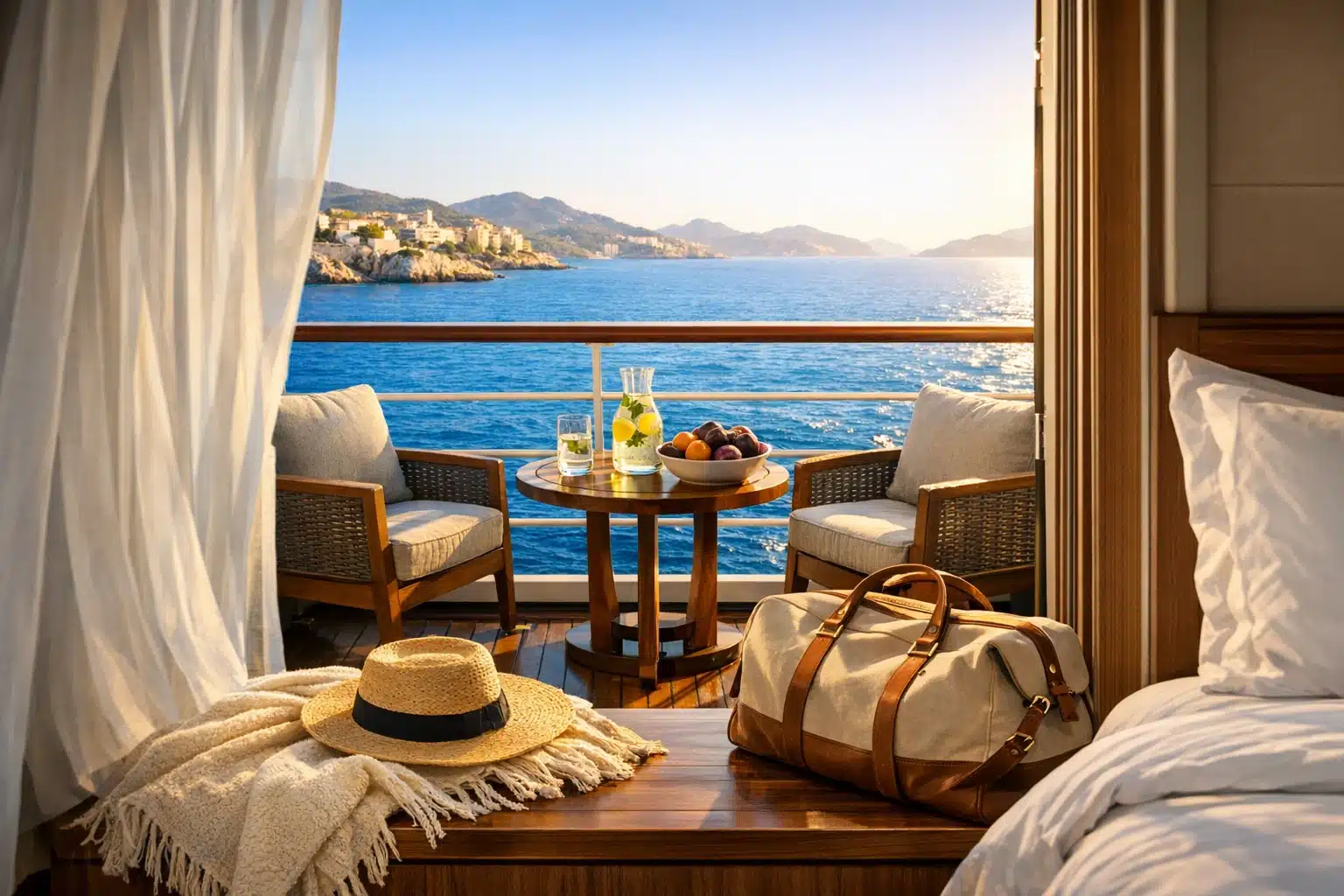
For many travelers, the best-value version of this trip is simple: choose an inside or standard outside cabin, use included dining, explore Bruges independently, and treat extras as selective rather than automatic. By contrast, if you enjoy balcony time, drinks packages, and guided tours, the total can rise quickly. Neither approach is wrong; they just produce very different price points.
Packing for a mini cruise is more about judgment than volume. Northern European weather can shift fast, especially near the coast, so layers matter more than bulky outfits. Comfortable walking shoes are essential for Bruges, where cobbled streets can punish stylish but impractical choices. A compact waterproof jacket, portable charger, reusable water bottle where appropriate, and a small day bag will make shore time easier. If you are sensitive to motion, seasickness remedies are worth packing even if the forecast looks calm. Better to carry them and not need them than the other way around.
This kind of trip suits a specific audience particularly well. It is ideal for first-time cruisers who want to test the experience without committing to a full week. It works for couples who want a low-planning break with a little romance and a little novelty. It also suits friends or solo travelers who enjoy having structure without feeling locked into a rigid tour.
Where it may not be the perfect fit is for travelers who want deep cultural immersion, multiple days in one city, or total freedom over transport and meal choices. A mini cruise gives you convenience, atmosphere, and a snapshot of Bruges, not an exhaustive Belgian journey.
For the right traveler, that is exactly the point. You leave London with one bag, wake to a new horizon, spend a day among canals and medieval squares, and return before the week has fully caught up with you. If you want a short escape that feels organized without feeling dull, this route is a smart and enjoyable place to start.