4 Night Mini Cruise From Dover to Rotterdam: Itinerary and Travel Tips
Outline and Why a 4 Night Mini Cruise Makes Sense
A 4 night mini cruise from Dover to Rotterdam appeals to travelers who want the feel of an international break without the planning load of a longer holiday. In less than a week, you can combine sea views, easy onboard downtime, and time in one of Europe’s most modern port cities. That makes it relevant for couples, first-time cruisers, and busy travelers looking for a compact but memorable trip. It is also a practical way to test cruise travel before committing to a longer voyage.
Short cruises have grown in popularity because they sit neatly between a ferry crossing, a classic city break, and a full cruise holiday. You still get the small rituals people enjoy about sea travel, such as embarkation, deck walks, evening entertainment, and the satisfying sense of waking up somewhere else. At the same time, you avoid the heavier planning that comes with a seven to fourteen night voyage. For travelers departing from southeast England, Dover is a familiar gateway, and Rotterdam is an excellent destination for a brief urban stop because it is compact enough to explore in a day yet varied enough to reward a longer stay.
This article follows a clear structure so you can plan without guesswork:
- What a typical four night schedule from Dover to Rotterdam looks like
- How embarkation, sea days, and port time usually flow together
- Which Rotterdam sights work best when time is limited
- How costs compare with flying for a short European break
- What to pack, book, and check before departure
One reason this topic matters is value. A mini cruise often bundles transport, accommodation, and some onboard entertainment into one fare, which can make budgeting feel simpler than a pieced-together flight-and-hotel weekend. Another reason is convenience. Instead of navigating airports, baggage rules, and city transfers at both ends, you often move your suitcase once, settle into your cabin, and let the ship do the traveling while you sleep.
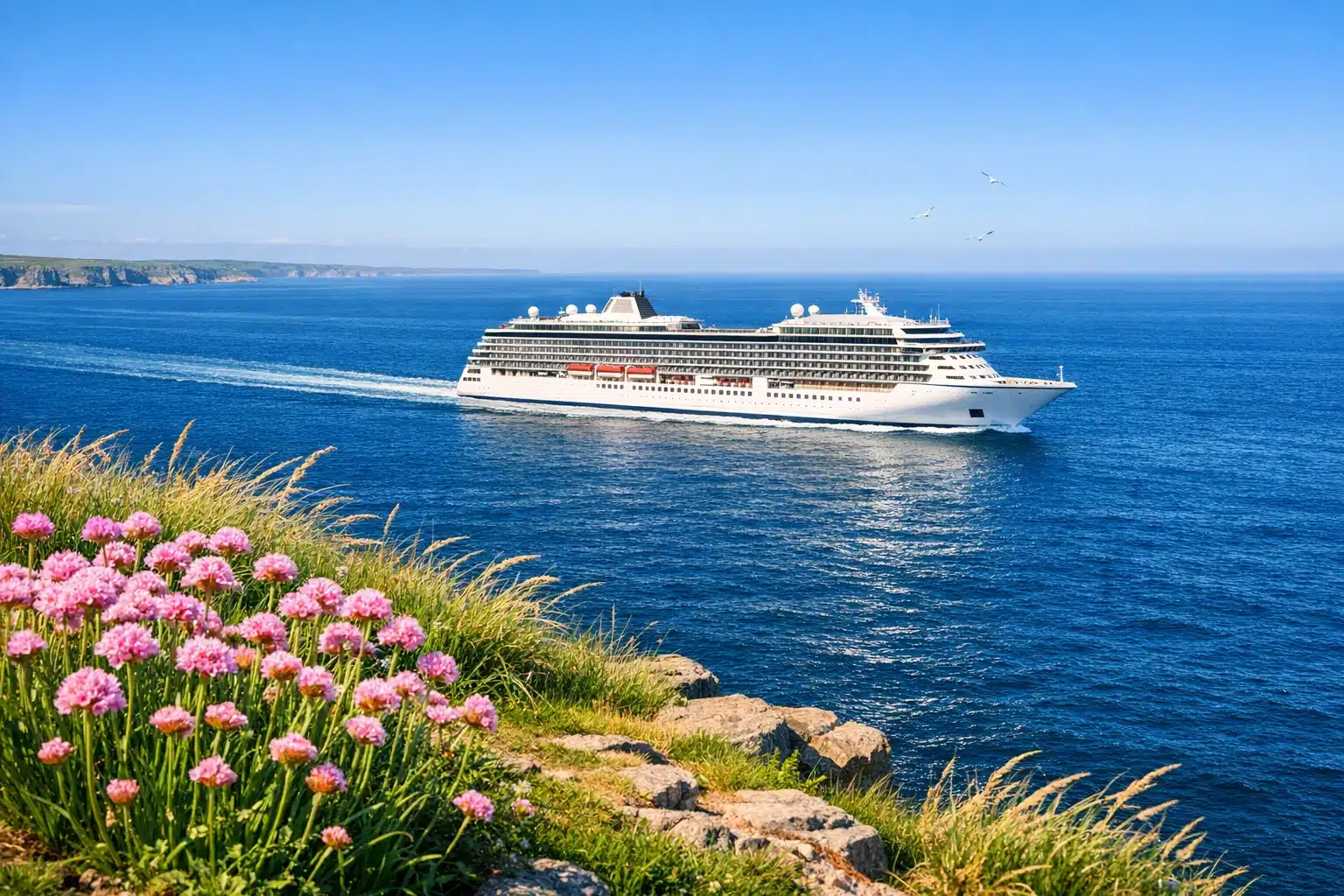
There is also a mood factor that standard travel guides sometimes miss. A short cruise can feel cinematic in a quiet way: the white cliffs fading behind you, the North Sea turning steel blue in the evening, the city skyline appearing the next morning like a set change. That atmosphere is part of the appeal, especially for travelers who want the journey itself to count as holiday time. Still, it helps to approach the trip with realistic expectations. A four night itinerary is not about seeing everything. It is about trading depth for ease, variety, and a refreshing change of pace.
If you plan well, this type of break can suit several audiences. Couples often like the built-in mix of relaxed travel and urban exploration. Friends appreciate the social side of dining and drinks on board. Solo travelers can find it less logistically demanding than a multi-stop tour. Even experienced travelers use mini cruises as a low-effort reset when they want something more interesting than a hotel weekend but less demanding than a long-haul holiday.
A Typical 4 Night Itinerary From Dover to Rotterdam
Although exact timings depend on the operator, season, and port scheduling, most four night Dover to Rotterdam mini cruises follow a predictable rhythm: embarkation, an overnight sailing, time in or near Rotterdam, and a return crossing that gives you a second block of onboard leisure. That structure is part of the charm. The trip feels layered without becoming rushed.
Day 1 usually begins with arrival in Dover for check-in and boarding. Travelers often underestimate how much easier the trip feels if they treat embarkation as part of the holiday rather than a hurdle to clear. Arrive with time to spare, keep passports and booking documents accessible, and pack one small bag with evening essentials so you do not need to unpack everything straight away. Once on board, the afternoon tends to move quickly. You find your cabin, explore the public decks, perhaps book a dining slot, and then watch the coastline recede as the ship leaves port. There is a subtle thrill in that first departure. Even a short route can make ordinary time feel newly arranged.
Night 1 is usually about settling in. Depending on the ship, you may find:
- Buffet and restaurant dining options
- Lounges, bars, and live music
- A small cinema, quiz events, or family entertainment
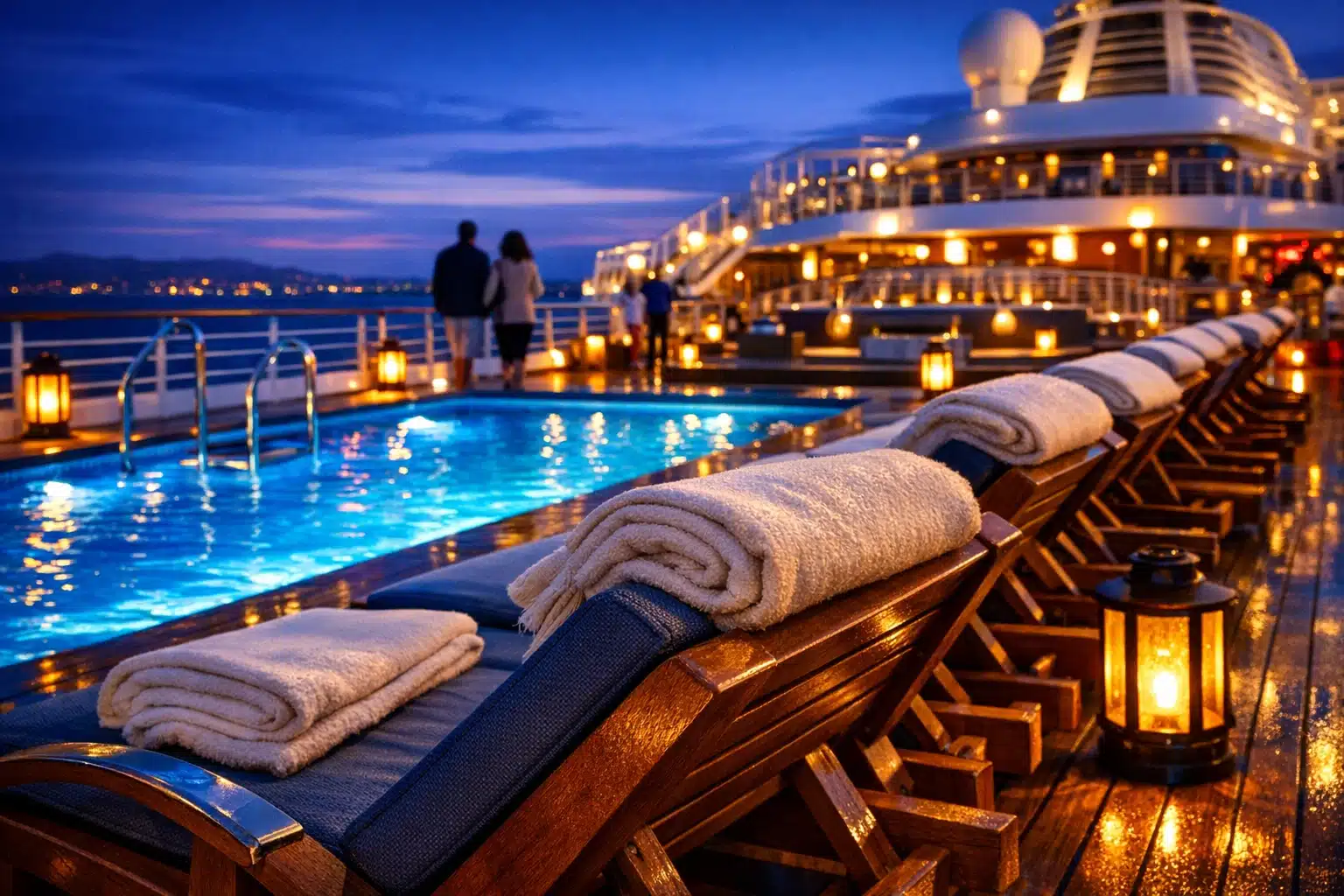
- Open deck space for evening views
Day 2 often brings arrival in Rotterdam or a nearby Dutch arrival point with onward transfer arrangements, depending on the package. This is the most valuable planning window of the whole trip because your time ashore is limited. Some passengers take an organized excursion, which reduces navigation stress and helps first-time visitors see key highlights quickly. Others prefer independent exploration, especially if they want to linger in architectural districts, museums, or food halls at their own pace.
Day 3 may continue your stay pattern depending on the schedule, or it may involve another overnight leg after a substantial port visit. On many mini cruises, this middle portion is where you choose your style of travel. A structured excursion can help you maximize landmarks, while a flexible approach makes room for café stops, riverfront walks, and photography. Rotterdam rewards both methods because its layout is modern, navigable, and visually distinct.
Day 4 generally shifts the focus back to shipboard life. This is not dead time if you use it well. It is an opportunity to rest after sightseeing, enjoy a slower breakfast, browse duty-free shopping where available, or simply sit by a window with a book while the sea changes color through the afternoon. For many travelers, this return leg is where the mini cruise proves its worth. Flying gets you there faster, but it rarely gives you a full moving hotel with ocean views and built-in downtime.
Arrival back in Dover is usually on Day 5, often in the morning. Disembarkation tends to be more efficient when you have packed the night before, settled your onboard account early if needed, and kept a realistic schedule for onward travel. The best way to view this itinerary is not as a race but as a compact loop: depart, decompress, explore, drift home. That rhythm is why mini cruises remain appealing even in an era obsessed with speed.
How to Spend Limited Time in Rotterdam Well
Rotterdam is one of the best short-stay cities in the Netherlands because it offers a very different atmosphere from Amsterdam. Where Amsterdam is defined by canals, historic façades, and a dense old-world texture, Rotterdam feels broader, more experimental, and shaped by modern design. Much of the city was rebuilt after the Second World War, and today it is widely known for bold architecture, efficient transport, and the scale of its maritime identity. That matters for mini-cruise passengers because a city with strong visual landmarks and good local movement is easier to enjoy in a limited window.
If this is your first visit, the most practical approach is to organize the day around a few anchor stops rather than trying to cover everything. Rotterdam is not a city you “finish” in one call, but it is a city you can sample intelligently. A balanced first-time route might include architecture, waterfront views, and one food-focused stop. Popular choices often include:
- Markthal for casual dining, snacks, and a lively indoor market atmosphere
- Cube Houses for one of the city’s most recognizable design landmarks
- Erasmus Bridge and the riverfront for photos and a sense of scale
- Witte de Withstraat for cafés, galleries, and a more local urban feel
- The Maritime Museum area for travelers interested in port history
One strong argument for independent sightseeing is flexibility. You can move at your own pace, focus on neighborhoods that match your interests, and avoid spending too much of a short port day in transit. On the other hand, organized excursions make sense if you want transport simplicity and expert context. That can be especially useful for travelers who are new to Dutch cities, traveling with children, or simply unwilling to spend valuable hours figuring out routes.
Rotterdam also suits travelers who enjoy contemporary culture more than postcard nostalgia. The city’s skyline, bridges, waterfront redevelopment, and modern public spaces create a very different feeling from a traditional European old town. Some visitors love that immediately; others need an hour or two before the place clicks. Then it usually does. You start noticing how the city uses open space, how water and architecture interact, and how easy it is to turn an ordinary walk into a sequence of striking views.
If food is part of your travel memory, build time for it. A mini cruise can involve plenty of onboard eating, but Rotterdam gives you a different culinary note: market bites, Dutch bakery stops, casual global food, and coffee breaks that help structure the day. This is especially useful on a short trip because meals can double as rest points. Rather than treating lunch as a rushed necessity, use it to reset your pace and decide whether the afternoon should be museum-heavy or more scenic.
Time management is the real secret. Pick one major sight, two medium stops, and one relaxed wandering zone. That formula is often better than a frantic checklist. If your ship or package includes transfers, leave a margin for return times and do not cut things too fine. A mini cruise rewards curiosity, but it punishes overconfidence. Rotterdam is best enjoyed when you allow enough space to notice it rather than merely passing through it with a phone map in one hand and the clock in the other.
Cabins, Dining, Budget, and Onboard Choices That Shape the Trip
The success of a four night mini cruise is not determined only by the destination. It depends heavily on how you book the onboard experience. Cabin type, dining plans, drink habits, and excursion choices can turn a seemingly inexpensive fare into either very good value or a slightly messy budget surprise. That is why practical comparisons matter before you travel.
Start with the cabin. On short sailings, some travelers assume any cabin will do because they will spend little time there. That is partly true, but sleep quality matters more than people expect, especially on the North Sea where conditions can sometimes be lively. An inside cabin is usually the most affordable option and can be perfectly comfortable if you mainly want a dark, quiet place to sleep. An outside cabin offers natural light and a better sense of time, which some passengers find worth the extra cost. Suites or premium categories make less financial sense on a short itinerary unless the trip itself is the celebration.
Dining is the next budget lever. Many mini cruise fares include core food options, but specialty restaurants, drinks, snacks, and premium add-ons may cost extra. A sensible strategy is to decide in advance what kind of trip you want. If you see the mini cruise as a relaxed bargain break, stick to included dining and perhaps one paid treat. If you view it as a short indulgence, budget openly for better meals and a few drinks rather than pretending those costs will not appear.
Common onboard spending areas include:
- Upgraded dining venues
- Alcohol, coffees, and soft drinks outside included options
- Wi-Fi packages if available
- Duty-free or onboard shopping
- Spa treatments, gaming areas, or premium entertainment
- Organized shore excursions
Compared with a flight-based city break, a mini cruise often wins on bundled convenience but not always on absolute cheapest possible price. Low-cost airlines can undercut sea travel if you travel light, book far ahead, and accept awkward schedules. However, a cruise package can compare well once you count hotel nights, airport transfers, and the value of having transport and accommodation merged into one experience. The financial sweet spot is usually for travelers who want simplicity, are happy to spend time on the ship, and do not plan to add too many extras.
There are also non-financial choices that affect value. If you are prone to motion sickness, it may be worth paying for a more central cabin on a lower deck, where movement can feel gentler. If you enjoy evening atmosphere, look at whether the ship offers live music, cinema screenings, or quiet lounges rather than assuming all vessels feel the same. Some short cruises lean more functional, while others create a fuller leisure environment.
Packing decisions tie directly into comfort. Bring layers for wind on deck, comfortable walking shoes for Rotterdam, travel adapters if required, and a compact waterproof jacket because North Sea weather can shift quickly. A day bag is useful for port time, and motion-sickness remedies are worth packing even if you are only mildly sensitive. The smart traveler treats this not as a glamorous overpacked voyage but as a neat, efficient hybrid between a city break and a sea escape. That mindset usually leads to better choices, lighter luggage, and fewer unnecessary charges.
Travel Tips and Conclusion for First-Time Mini Cruise Bookers
If you are considering a 4 night mini cruise from Dover to Rotterdam, the best advice is simple: plan the details early so the trip can feel easy later. Short cruises leave less room for correction than longer holidays. If you forget a document, choose an inconvenient transfer, or waste half your port time deciding what to do, a large share of the trip is already gone. Good preparation does not make the experience rigid. It gives you room to enjoy it.
Begin with documents and timing. Passport validity rules, visa requirements, and border procedures can change, so check current guidance from the cruise operator and official government sources before departure. Do not rely on old travel habits or assumptions. If you are driving to Dover, pre-book parking where possible and allow for traffic delays. If you are arriving by rail or coach, build in a buffer because missed embarkation is far more serious than missing a dinner reservation.
Next, think about comfort over image. Mini cruises are easier when your choices are practical:
- Pack one small carry-on with medication, documents, chargers, and nightwear
- Wear layers instead of relying on one heavy coat
- Download maps or save offline directions for Rotterdam
- Check whether your mobile provider charges extra for roaming
- Set a rough port-day plan before you board
- Take seasickness prevention seriously if you are unsure how you will react
There is also a psychological trick to enjoying a short cruise: do not compare it with a long voyage or a deep city stay. It is not meant to replace either. Its value lies in compression. In a few days, you can leave England by sea, sleep on the water, spend time in one of Europe’s major port cities, and return with the satisfying feeling that you have actually gone somewhere, not merely spent a weekend shopping in a familiar street. That is a modest promise, but it is a reliable one.
For first-time cruisers, this route can be an especially useful test. You learn how you feel about cabins, embarkation routines, shipboard evenings, and overnight sailings without committing to a long itinerary. For experienced travelers, it works as a compact reset: less admin than a full touring holiday, more atmosphere than a basic hotel break. For couples, it offers an easy mix of scenery and shared downtime. For friends, it creates a social format with built-in structure. For solo travelers, it can be manageable because accommodation and transport are packaged together.
In conclusion, a 4 night mini cruise from Dover to Rotterdam is best for travelers who value convenience, variety, and a clear sense of journey. It gives you a taste of cruise life, a practical introduction to Rotterdam, and a chance to travel at a pace that feels slower than flying without demanding a long absence from home. Book with realistic expectations, budget for the extras you genuinely want, and plan your time ashore with intention. Do that, and this short North Sea break can feel far richer than its calendar length suggests.