4-Night Mini Cruise from Dover to Paris: Itinerary and Travel Tips
Short cruises have become a practical way to fit a proper break into a busy calendar, and the Dover to Paris route is one of the most appealing examples. In just four nights, travellers can combine the rhythm of life at sea with the excitement of stepping into one of Europe’s most visited capitals. The format is especially relevant for first-time cruisers, couples, and families testing whether a longer voyage would suit them. With limited time and plenty of choices, good planning makes the difference between a pleasant sampler and a smooth, memorable escape.
Article Outline and Why This Mini Cruise Appeals to So Many Travellers
Before diving into the day-by-day details, it helps to understand what a 4-night mini cruise from Dover to Paris really is. This type of holiday is usually designed as a compact introduction to cruising rather than a slow, deep exploration of France. You board in Dover, settle into ship life, enjoy entertainment and dining on board, and then use one port call as your gateway to Paris. That gateway is important: in many cases, cruise operators market the itinerary as “Paris,” but the ship may actually dock at a port such as Le Havre or, less commonly, Rouen, with onward travel into the capital by coach or train. That does not make the trip misleading, but it does mean expectations matter.
A useful outline for the article looks like this:
- What the mini-cruise format includes and how it differs from a ferry or city break
- A typical 4-night itinerary from embarkation to return
- How the Paris visit usually works in practice
- Booking, budgeting, cabins, packing, and key logistics
- Travel tips, common mistakes, and who this trip suits best
The appeal of the route is easy to understand. Dover is one of the UK’s most convenient cruise departure points for travellers from southern England and London, and it removes the airport element that many people find tiring. Instead of the familiar routine of security queues, baggage rules, and rushed boarding gates, you arrive at the port, check in, and begin the holiday almost immediately. There is something quietly satisfying about watching the White Cliffs fade behind you while your weekend bag sits in the cabin and dinner is already waiting somewhere on deck.
This kind of cruise also works well for comparison shoppers. If you are choosing between a direct Paris city break and a mini cruise, the cruise offers more atmosphere, entertainment, and built-in convenience. If you are comparing it with a longer voyage, the mini version is less expensive in overall time commitment and often easier to fit around work or school schedules. The trade-off is depth: you get a sample platter, not a five-course meal. Paris will likely be a highlight rather than the whole story.
For first-time cruisers, that is often a strength. You can test how you feel about cabins, dining schedules, sea motion, dress codes, and organised excursions without committing to seven or fourteen nights. For experienced cruisers, the route can function as an easy reset: a few days of sea air, a European day ashore, and enough change of scenery to make Monday feel pleasantly far away.
Typical 4-Night Itinerary from Dover to the Paris Gateway Port and Back
Although exact schedules vary by cruise line and season, most 4-night mini cruises from Dover follow a familiar pattern. Understanding that pattern helps you make smarter decisions before you even book. A typical itinerary begins with embarkation in Dover on Day 1. Boarding often starts in the late morning or early afternoon, and ships usually depart later that day. This is not just a transport day; it is the first chance to explore the vessel, complete the mandatory safety drill, check dining times, and get your bearings. Travellers who arrive too late often lose some of the easiest, most enjoyable hours of the trip.
Day 2 is often spent at sea or in transit. On a longer voyage, a sea day can feel routine. On a short cruise, it becomes part of the attraction. You can watch the Channel shift from steel grey to silver-blue, try the buffet without guilt, attend a quiz, use the spa, or simply learn how the ship moves through the day. Mini cruises are excellent at turning ordinary things into travel memories: coffee on deck, the low hum of engines, and that brief moment at dusk when everyone becomes a photographer.
Day 3 is usually the headline stop. The ship arrives at the French port that serves as the jumping-off point for Paris. If the port is Le Havre, the onward journey to central Paris generally takes around two to three hours each way by coach, depending on traffic and the exact drop-off point. That means your time in Paris may be exciting but carefully structured. Some itineraries offer a full-day shore excursion with a panoramic tour and free time near major landmarks. Others allow independent exploration, though that requires confidence, strict timekeeping, and awareness of return deadlines.
Day 4 may be another sea day, a shorter port stop, or the return crossing depending on the cruise line. This is often the most underrated part of the itinerary because by then you know where everything is on board. You no longer move like a new arrival reading every sign; you move like someone who already belongs there. It is a good day for relaxed meals, photos, and the final bits of shipboard entertainment you skipped earlier.
Day 5 is disembarkation in Dover. Most passengers leave the ship in the morning. Compared with flying home from a European city, the process can feel straightforward, especially if you have arranged parking, rail connections, or a pickup in advance. Overall, the mini cruise balances travel time and leisure better than many quick breaks, but it rewards those who accept one basic truth: this is a brisk introduction, not a slow-motion grand tour.
What a Paris Visit Really Looks Like on a Mini Cruise
Paris is the name that sells the itinerary, but the practical reality of visiting the city from a cruise ship deserves honest explanation. Most passengers will not wake up floating beside the Eiffel Tower. In many cases, the ship docks at Le Havre on the Normandy coast, and Paris is reached by organised transfer. That means the city visit can be memorable, but it is not the same as staying in a hotel near the Seine and wandering out for midnight views of the bridges. The cruise version is more curated, more time-sensitive, and often more tiring than the brochure photos suggest.
That said, a well-planned shore day can still be excellent. If you book the ship’s official Paris excursion, the biggest advantage is security. The operator manages the coach, route, meeting point, and return schedule, and the ship will expect that organised group back. This is usually the safest option for first-time visitors, families, and anyone who dislikes transport logistics in a foreign country. Independent travel offers more freedom, but it also comes with more moving parts: local rail or coach connections, station timing, traffic uncertainty, and the responsibility of returning to port without delay. Missing the ship is not a dramatic movie scene; it is an expensive, deeply unglamorous problem.
Because time is limited, most visitors should avoid trying to “do Paris” as though they had three full days. A more realistic plan is to choose one area or one style of experience. Good options include:
- A classic landmarks route focused on the Eiffel Tower, the Seine, and the Champs-Élysées
- A museum-based day built around the Louvre or Musée d’Orsay, but not both
- A scenic stroll through central districts with a café stop and river views
- A guided panoramic tour for travellers who want to see more and walk less
In comparison with a dedicated Paris city break, the cruise stop gives breadth rather than depth. You may see the city’s famous silhouettes, feel its pace, and collect that first sharp impression of Parisian grandeur, but you will not fully sink into neighbourhood life. Still, there is value in first impressions. For many travellers, this quick encounter becomes a useful preview for a future, longer visit. You learn which sights matter to you, which areas feel crowded, and whether you prefer structured touring or independent wandering.
If you want the day to feel rewarding rather than rushed, keep your priorities modest. One iconic view, one satisfying meal, and one uninterrupted stretch of time to simply look around can be enough. Paris does not always need to be conquered; sometimes it only needs to be glimpsed, like a famous melody heard through an open window as your journey moves on.
Booking, Budgeting, Cabins, Packing, and Other Practical Decisions
The success of a 4-night mini cruise often depends less on the ship itself and more on the choices you make before boarding. Short cruises can look inexpensive at first glance, yet the final cost may rise once you add parking, drinks, specialty dining, Wi-Fi, gratuities, and the Paris excursion. For that reason, travellers should compare the total trip cost rather than the headline fare alone. A mini cruise can still offer good value, but only when you understand what is included and what is extra.
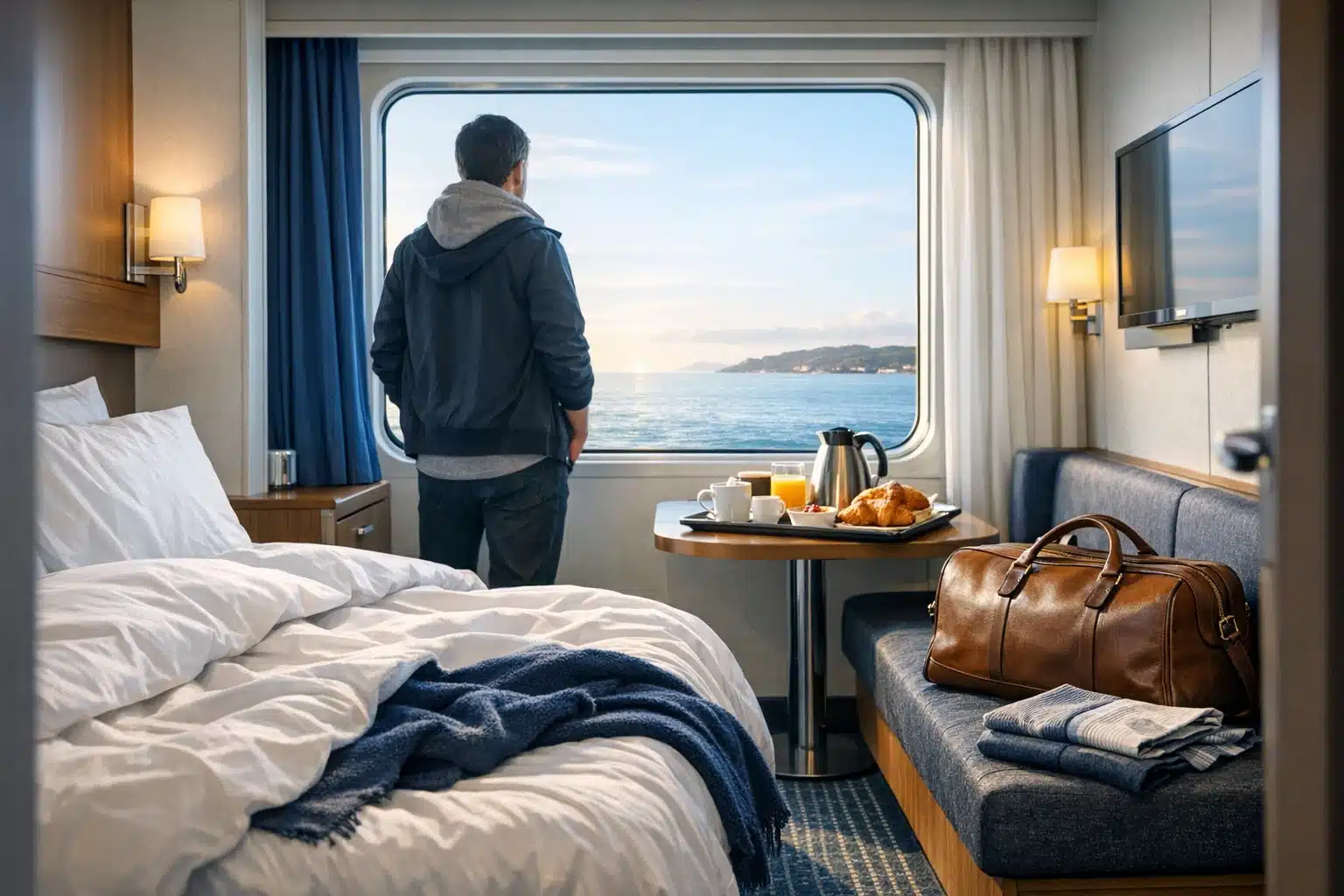
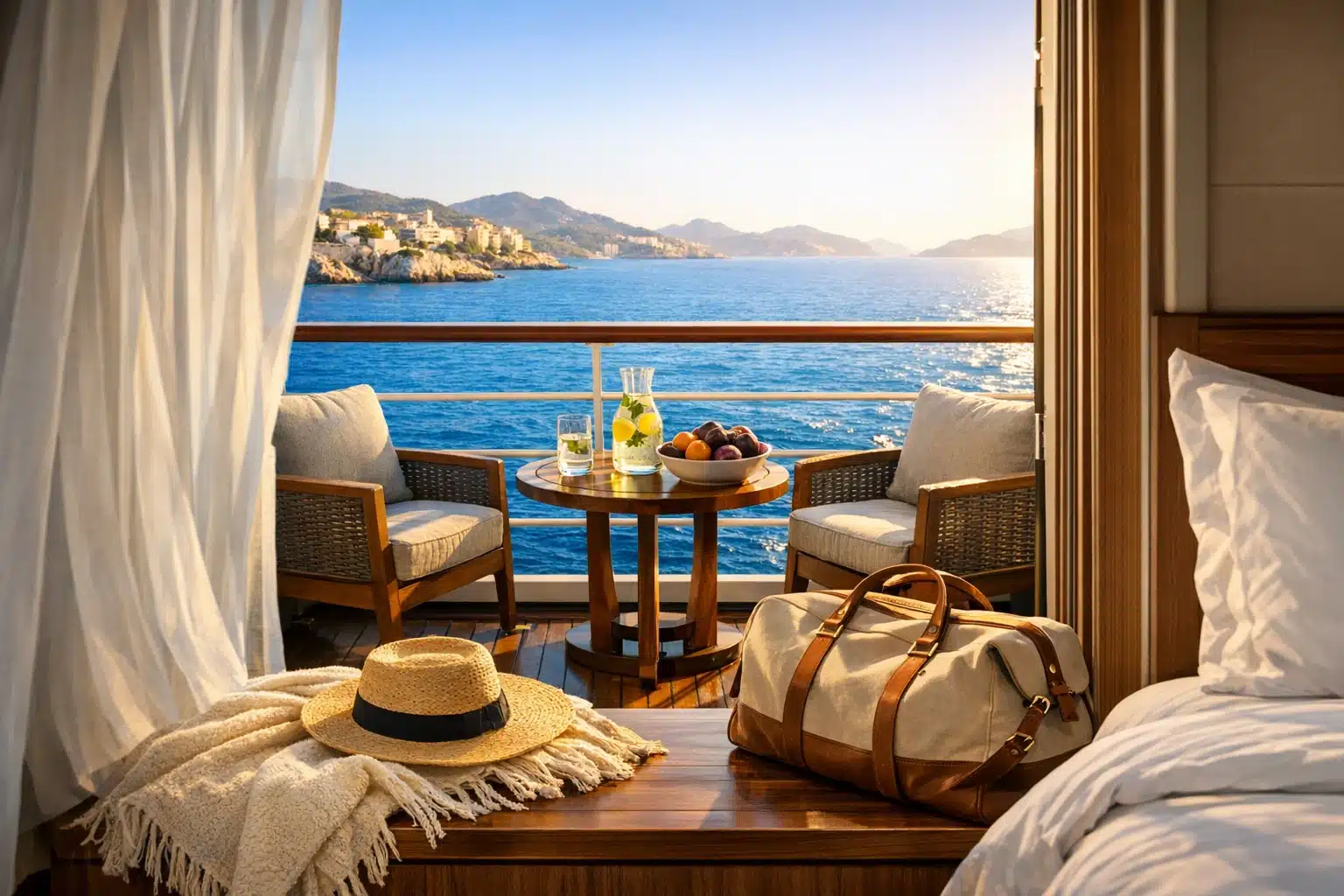
Cabin choice is one of the most common dilemmas. On a four-night sailing, an inside cabin is often perfectly reasonable if budget is the priority, especially for passengers who expect to spend little time in the room. Oceanview cabins offer natural light and can make the trip feel more spacious, while balcony cabins add a quiet private retreat that many couples appreciate. The question is not which cabin is “best” in general, but which one fits the purpose of this particular trip. If Paris is your focus and you only want a comfortable base, an inside or oceanview cabin may be enough. If the cruise experience itself is part of the treat, a balcony can add a little theatre to your mornings and evenings.
When budgeting, remember to check these items carefully:
- Port fees and taxes
- Coach transfer or shore excursion costs for Paris
- Dining upgrades and drinks packages
- Travel insurance that covers cruising
- Transport to and from Dover, including parking or rail fares
- Passport validity and any current entry requirements
Packing for a mini cruise is simpler than packing for a week away, but it still deserves thought. Layers are useful because weather around Dover, the Channel, and northern France can shift quickly. Comfortable shoes are essential, especially if your Paris day includes a lot of walking on pavements, station platforms, or cobbled areas. Bring a small day bag for ashore, a portable charger, any medication in original packaging, and a printed or saved copy of boarding information. Smart-casual eveningwear is often enough unless your cruise line specifies a dressier night.
Another practical point is embarkation timing. Arriving in Dover too close to check-in can turn the start of the holiday into a tense scramble. Aim for a smooth arrival window, not a heroic last-minute dash. If you live far from the port, staying nearby the night before may be worth the extra cost. In short, the smartest travellers treat the mini cruise like a compact project: a few good decisions upfront save hours of stress later, and on a short itinerary every saved hour matters.
Travel Tips, Common Mistakes to Avoid, and Final Thoughts for First-Time Bookers
If you are considering this itinerary, the most useful advice is to match your expectations to the scale of the trip. A 4-night mini cruise from Dover to Paris is not a substitute for a week in France, and it is not meant to be. It is a compact travel experience built around ease, variety, and a well-paced sample of cruising. Travellers who understand that usually enjoy it far more than those who expect a deep cultural immersion in every stop.
Several common mistakes can reduce the pleasure of the voyage. The first is overplanning the Paris day. Trying to fit in the Eiffel Tower, Louvre, Notre-Dame area, Montmartre, a river cruise, and a long lunch is a recipe for frustration. The second is underestimating transfer times. Roads, stations, queues, and meeting points all take longer than they seem on a map. The third is ignoring the on-board side of the trip. Some passengers focus so heavily on the port stop that they forget the ship is part of the holiday. On a mini cruise, the entertainment, sea views, and relaxed meals are not filler; they are half the appeal.
Here are a few final tips that genuinely help:
- Book shore excursions early if Paris is your priority, as popular departures can fill up
- Carry local payment options and a backup card, even on a mostly prepaid trip
- Set your watch and phone correctly for ship time and double-check all-aboard deadlines
- Choose one major Paris goal and treat anything else as a bonus
- Use the sea day to explore the ship instead of leaving everything until the final evening
This trip suits several types of travellers particularly well. First-time cruisers can test whether they enjoy life at sea without a long commitment. Couples looking for a short break get a mix of romance, convenience, and movement. Busy professionals can fit it into a long weekend or a few days off. Families with older children may appreciate the balance between structured travel and enough on-board activity to keep everyone occupied.
For that audience, the real value of the cruise is flexibility of experience. You get departure-day excitement, a taste of shipboard living, a European city visit, and a surprisingly restorative pause from everyday routine. The journey may be brief, but it can still feel layered. If you plan with realism, pack lightly, and resist the urge to turn every hour into a checklist, this mini cruise can be exactly what it promises to be: a smart, enjoyable gateway to both cruising and Paris, with just enough glamour to make you start wondering where the next ship might take you.