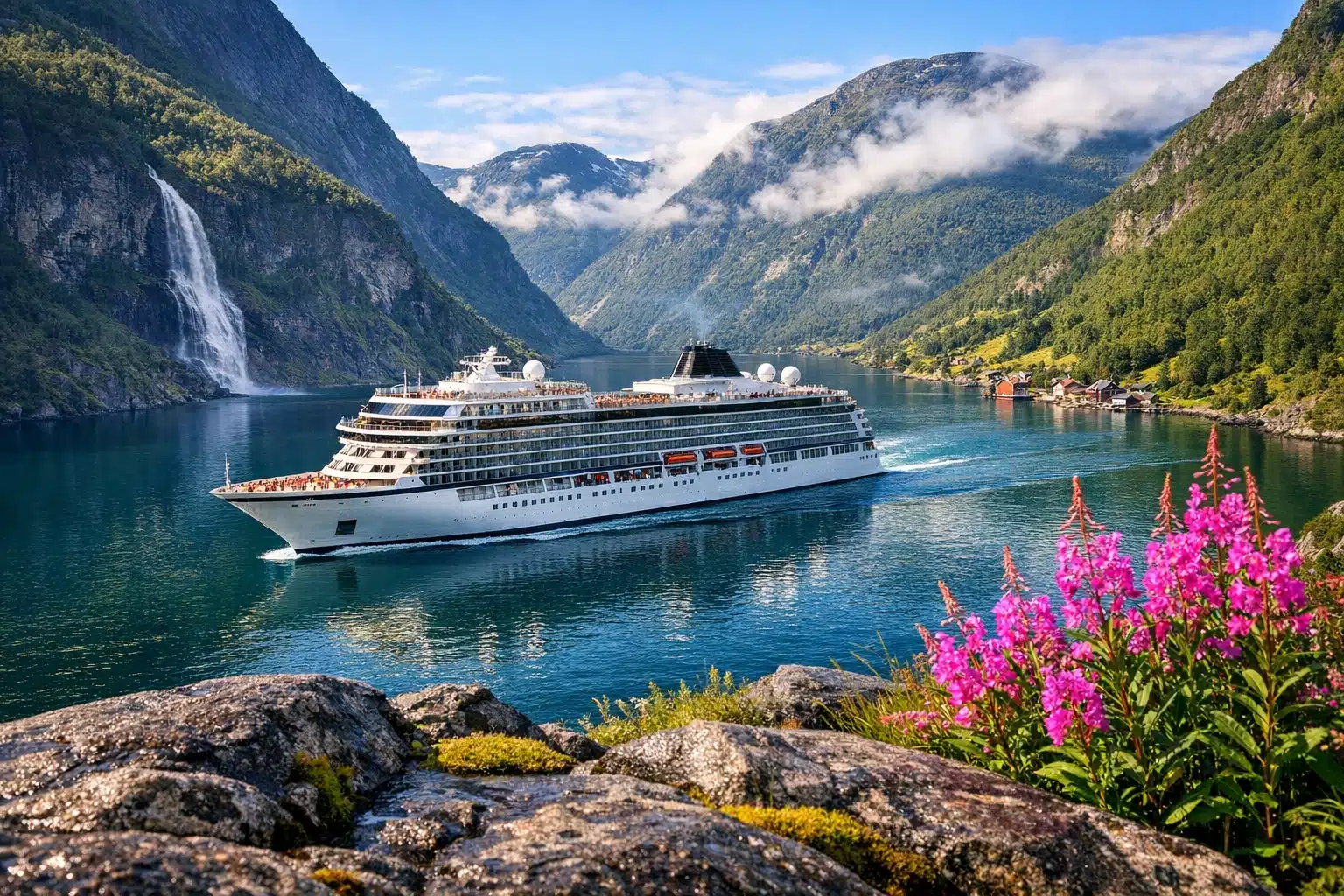
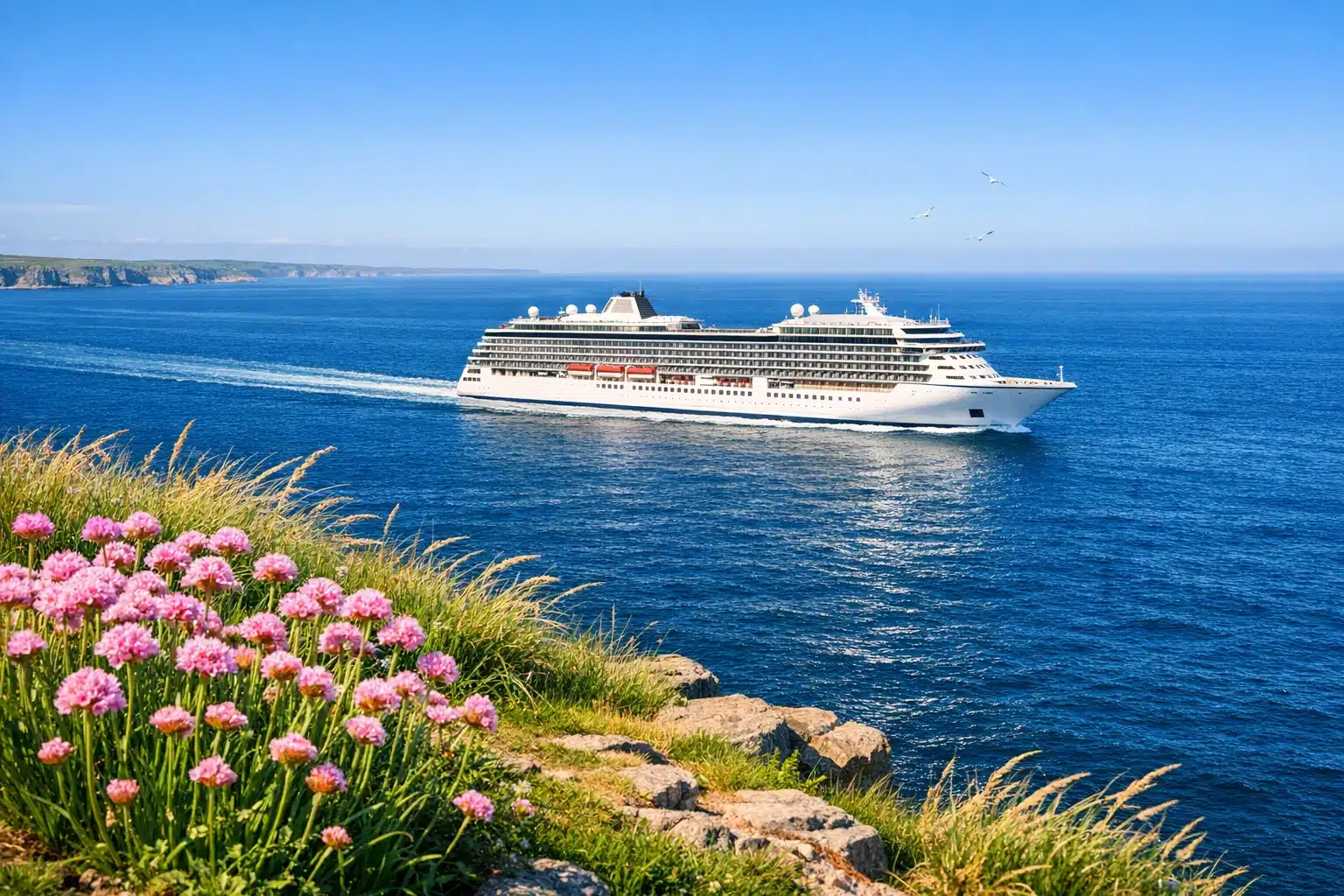
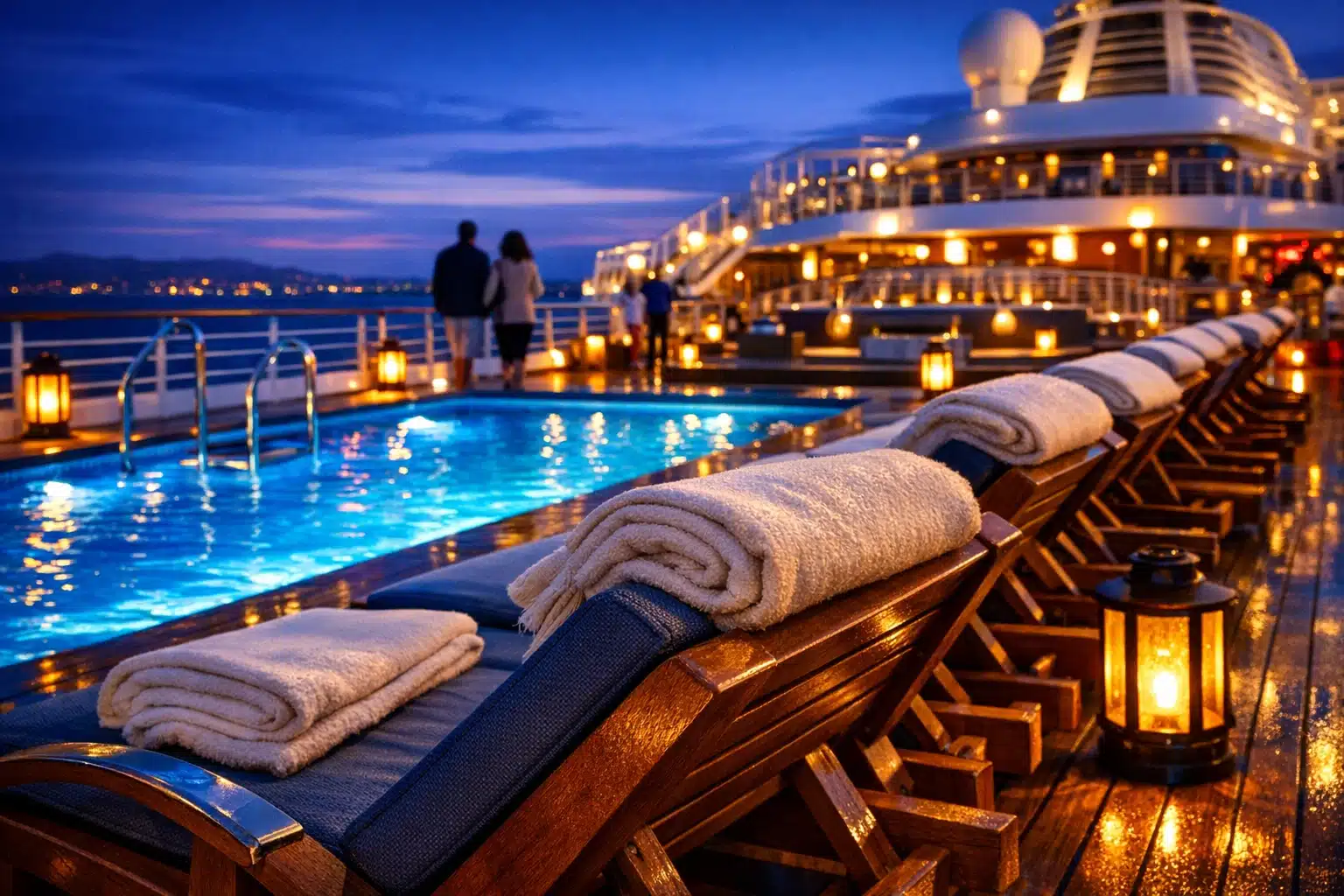
4-Night Mini Cruise from Dover to Amsterdam: Itinerary and Travel Tips
Introduction and Outline: Why a 4-Night Mini Cruise Works
A 4-night mini cruise from Dover to Amsterdam sits in a sweet spot between a weekend break and a longer voyage, giving travelers enough time to enjoy the rhythm of life at sea without using a large chunk of annual leave. For first-time cruisers, it is a practical way to test the experience; for seasoned travelers, it offers an easy city escape with little planning strain. Add the convenience of sailing from the UK and the appeal becomes obvious.
Short cruises have grown in popularity because they solve a familiar travel problem: people want a real break, but not everyone can spare a full week. Flying to a city for two nights can feel rushed, especially when airport transfers, security queues, and hotel check-in eat into the schedule. A mini cruise changes that pattern. You board once, settle into your cabin, enjoy restaurants and entertainment on board, and wake up closer to your destination. The trip itself becomes part of the holiday rather than dead time between two places.
For travelers leaving from southeast England, Dover is a practical departure port with rail and road connections from London and beyond. Amsterdam, meanwhile, remains one of Europe’s most approachable city-break destinations. It offers walkable neighborhoods, major museums, canal views, compact sightseeing routes, and a mix of culture and casual fun that works well even within a limited visit. The pairing makes sense: one side gives you maritime ease, the other gives you urban variety.
This article is organized to help you plan the journey from start to finish. The outline below shows the key topics covered in the rest of the guide.
- The usual 4-night itinerary from embarkation in Dover to return disembarkation
- What life on board is really like, including cabin choices, dining, and extra costs
- How to handle the Amsterdam stop, especially when ships use the wider port area rather than the city center
- Packing, budgeting, and timing advice for couples, solo travelers, friends, and first-timers
- A final summary focused on getting good value without turning a short break into a rushed one
Think of this kind of cruise as a sampler platter rather than a grand expedition. It gives you a taste of the sea, a change of scenery, and enough structure to feel easy without becoming dull. When planned well, it can be one of the most efficient short holidays available from the UK.
Typical 4-Night Itinerary from Dover to Amsterdam
The exact schedule varies by cruise line, season, and port availability, but most 4-night mini cruises from Dover follow a similar rhythm. You usually embark in Dover on day one, spend part of the next day at sea, visit the Amsterdam area on day three, sail back overnight or through the following day, and disembark in Dover on the morning of day five. That structure matters because it shapes your expectations. This is not a long cruise with multiple stops; it is a compact loop built around one destination and the onboard experience.
Day one is normally about embarkation. Check-in often opens in the early or mid-afternoon, with final boarding taking place a few hours before departure. Once on board, most passengers explore the ship, locate their cabin, book any specialty dining they want, and attend the safety drill. The departure itself is often one of the most memorable moments. Watching the White Cliffs fade into the distance gives the trip an immediate sense of occasion, and even travelers who planned the break mainly for Amsterdam often find that this first evening is when the cruise starts to feel real.
Day two typically includes a sea day or a substantial stretch of sailing. On a mini cruise, this is not wasted time. It is when you discover whether you enjoy the pace of cruising. Breakfast can be slow and easy, public decks become viewing platforms over the North Sea, and onboard activities begin to fill the schedule. Depending on the line, these may include live music, quizzes, spa appointments, shopping, talks, cinema screenings, or family entertainment. By the time the coast of the Netherlands is near, many passengers have already settled into a pleasant routine.
Day three is usually the key port day, though “Amsterdam” deserves a practical note. Some ships dock in or near Amsterdam, while others use IJmuiden or another nearby port facility, with coach transfers into the city. Travel time from port to central Amsterdam can be roughly 30 to 45 minutes, sometimes longer depending on traffic and the exact berth. That means your sightseeing window may be shorter than the headline destination suggests, so planning matters. Still, a focused day can easily cover a canal district stroll, a museum visit, lunch, and one or two major sights.
Days four and five bring the return crossing and disembarkation. The last full day usually feels more relaxed than the outward journey because the ship is familiar by then. People revisit favorite lounges, take final photos on deck, or simply enjoy a coffee while the sea turns silver under the wind. Compared with a flight-based city break, the main advantage is continuity: you do not keep switching airports, hotels, and transport links. Compared with a ferry plus hotel arrangement, the cruise often offers more entertainment, more dining choice, and a stronger sense of occasion.
Onboard Experience: Cabins, Dining, Entertainment, and Costs
One of the biggest questions travelers ask before booking a mini cruise is whether the onboard side of the trip will feel too brief to enjoy properly. In practice, four nights is enough to sample most of what matters, especially if you understand how cruise pricing and cabin choices work. For many people, the best way to look at this trip is as a hybrid: part transport, part hotel, part entertainment venue. That is why cost comparisons with flights and city hotels are useful, but never perfectly one-to-one.
Cabin selection is the first major decision. Inside cabins are usually the lowest-priced option and can make sense on a short itinerary because you may spend limited waking time in the room. Ocean-view cabins offer natural light and a stronger sense of being at sea, which some travelers find worth the extra cost. Balcony cabins, if available on your sailing, bring a more private experience but are not always essential on a short North Sea route where weather can be chilly or windy. If value is the priority, an inside or ocean-view cabin is often enough. If the cruise itself is the main event, upgrading can be more rewarding.
Dining is another area where expectations should be realistic. Most mini cruises include main dining rooms, buffet options, and casual snack spots in the fare, while specialty restaurants usually cost extra. On a 4-night trip, you may not need to pay for every premium option. Many travelers book one upgraded meal and use included venues for the rest. That approach keeps spending under control without making the holiday feel stripped down. Drinks packages can be worth considering if you know your habits, but buying them automatically is not always the smartest move on a short sailing.
- Included costs often cover accommodation, standard meals, entertainment, and port taxes
- Common extras include alcoholic drinks, specialty coffee, Wi-Fi, spa treatments, and premium restaurants
- Shore transfers may or may not be included, so always check before booking
Entertainment on mini cruises can be lively, especially on weekend-heavy departures. Some sailings attract groups celebrating birthdays, anniversaries, or short social getaways, which can create a more energetic atmosphere than longer cruises. Midweek sailings sometimes feel calmer. Neither mood is inherently better, but knowing the likely crowd helps you choose the right date. Families may prefer school-holiday sailings with broader daytime programming, while couples often like shoulder-season departures with a more relaxed pace.
In pure budget terms, a mini cruise can compare favorably with a short city break once you bundle accommodation, evening entertainment, and transport. It may not always be the cheapest option, but it often delivers strong value for travelers who want simplicity. The trick is to notice the extras before they notice your wallet.
Amsterdam Arrival: Port Logistics, Time Ashore, and Smart Sightseeing
The most important travel tip for this route is also the one that surprises first-time passengers most often: a cruise advertised as going to Amsterdam does not always place you directly in the historic center. Depending on the ship and berth allocation, you may arrive at IJmuiden or another nearby port area and then continue by coach or arranged transfer. That does not make the trip less worthwhile, but it changes how you should plan the day. A compact itinerary works better than an overstuffed wish list.
If your ship offers official transfers, they are often the simplest option, especially when time ashore is limited. Independent transport can save money, but only if you are confident with local connections and return timing. Missing a train on a regular land holiday is annoying; missing the ship is far more serious. For that reason, many experienced cruisers choose a cautious mix: use the ship transfer into town, then explore independently once in Amsterdam.
Because your visit is likely measured in hours rather than days, Amsterdam rewards focus. The city’s central canal belt, museum quarter, and compact shopping streets make it possible to enjoy a lot without constant transit. Instead of trying to see everything, choose one anchor activity and build the rest of the day around it. That could be a canal cruise, a museum, a neighborhood walk, or a food-led afternoon. If you book major museums, reserve timed tickets in advance where possible. Popular attractions can fill quickly, especially in spring and summer.
- Best for first visits: canal cruise, Dam Square area, Jordaan walk, or Rijksmuseum district
- Best for relaxed pacing: café stop, local bakery, canal-side wandering, and one major attraction
- Best avoided on a short call: long cross-city detours and tightly stacked museum schedules
Amsterdam is also a city where practical details matter. Contactless card payments are common, but it is still wise to carry a small backup payment method. Comfortable shoes are essential because the city is best enjoyed on foot. Watch for bicycle lanes, which are not decorative strips of pavement but fast-moving transport corridors. Weather can change quickly, and even mild days may feel cooler near the water, so a light waterproof layer is often more useful than a bulky coat.
There is a particular pleasure in arriving by sea and then stepping into a city shaped by water at every turn. Bridges, boats, and reflections seem to repeat the voyage in miniature. Still, the smartest shore day is rarely the busiest one. On a mini cruise, success usually means returning to the ship feeling pleasantly full of impressions rather than exhausted, late, and staring at a map like it has personally betrayed you.
Conclusion: Packing, Timing, and Tips for Different Types of Travelers
A 4-night mini cruise from Dover to Amsterdam works best when travelers treat it as a short, well-shaped escape rather than a race to extract every possible minute of value. Packing should reflect that mindset. You do not need a sprawling wardrobe, but you do need layers, comfortable walking shoes, travel documents, a small day bag, and clothing that suits both sea breezes and city streets. Evening dress codes vary by line, and many mini cruises are fairly relaxed, so it is better to check the operator’s guidance than to overpack “just in case.”
Timing is another major factor. Spring and early autumn often offer a strong balance of manageable crowds and moderate temperatures, while summer brings longer daylight and busier tourist spots. Winter sailings can feel atmospheric, especially when city lights reflect on dark canals, but weather disruption is more likely and deck time can be limited. Booking earlier usually gives you better cabin choice, while late deals can be attractive if your dates are flexible and you do not mind accepting what is left.
Different types of travelers will get different benefits from this route. Couples often enjoy the built-in blend of downtime and sightseeing. Groups of friends may like the social energy, bars, live entertainment, and compact commitment. First-time cruisers can treat the trip as a test case before booking a longer voyage. Older travelers who prefer lower-hassle holidays may appreciate unpacking once and letting the itinerary come to them. Families can enjoy it too, though they should look closely at sailing dates, kids’ facilities, and the amount of time ashore before deciding.
To avoid common mistakes, keep these points in mind:
- Arrive in Dover with time to spare rather than planning a last-minute dash to the terminal
- Check whether Amsterdam access is direct or via transfer from IJmuiden
- Pre-book any must-see attraction in Amsterdam instead of hoping for same-day entry
- Review onboard extras early so your final bill does not come as an unwelcome surprise
- Leave breathing room in your shore plan, because short trips feel better when they are not over-scripted
For the target audience of this trip, namely travelers who want a manageable break with a sense of occasion, the route delivers well. It offers an accessible departure from the UK, a recognizable and rewarding destination, and enough onboard time to make the crossing enjoyable rather than merely functional. If you want a short holiday that combines practical ease with a touch of maritime drama, this mini cruise is not just convenient; it is genuinely satisfying when planned with realistic expectations.