4 Night Mini Cruise From Belfast To Rotterdam: Itinerary and Travel Tips
A 4-night mini cruise from Belfast to Rotterdam offers a neat middle ground between a weekend break and a full holiday, combining the ease of unpacking once with the pleasure of waking up somewhere new. It matters because many travelers want a short escape that still feels substantial, especially when flight hassles, baggage rules, and airport transfers can drain time and energy. With Rotterdam’s striking modern skyline and Belfast’s convenient departure point, this route can be both a relaxing sea journey and a smart introduction to European cruising.
Outline:
- The usual shape of a 4-night Belfast to Rotterdam mini cruise
- What to expect on board, from cabins to dining and extra costs
- How to use limited time in Rotterdam well
- Documents, packing, weather, and comfort tips before departure
- Who this trip suits best, and how it compares with other short breaks
1. Typical Itinerary: What a 4-Night Mini Cruise Usually Looks Like
Exact schedules vary by operator, season, and port traffic, so it helps to think in terms of a travel pattern rather than a fixed timetable. Most 4-night mini cruises associated with Belfast and Rotterdam are built around a simple structure: embark in Belfast, enjoy time at sea, spend a day in Rotterdam, then return on the homeward sailing. That rhythm is one reason these trips are so appealing. You board once, settle into a cabin, and let the ship handle the distance while your holiday begins almost immediately.
The first day is usually about transition. You arrive at the port, complete check-in, pass through security, and hand over larger bags before boarding. Travelers who reach the terminal early often start the trip in a better mood because they avoid the busiest queues and have time to learn the layout of the ship. Once on board, the practical tasks are easy to overlook but worth doing straight away: confirm dining arrangements, note the location of your cabin, check any entertainment schedule, and look at deck plans. If you want a moment of quiet excitement, head to an outside deck for departure. When the shoreline begins to drift away and the city shrinks into the distance, the trip suddenly feels real.
The second day is usually an outward sea passage or a day with most waking hours spent on board. Some travelers worry that a sea day means there is “nothing happening,” but the opposite can be true. Mini cruises are often chosen precisely because they include unstructured time. Instead of racing between airports, hotels, and transport links, you have room to slow down. Depending on the ship, that might mean breakfast with a view, live music in a lounge, a quiet coffee, a casual quiz, a cinema screening, or simply watching the changing weather over open water. For first-time cruisers, this part of the trip is especially helpful because it lets you understand the pace of life at sea before the port day begins.
The third day is usually the Rotterdam highlight. Rotterdam is not a city that depends on old-world postcard charm alone. It is dynamic, modern, and practical, with bold architecture, strong maritime identity, and a reputation for design and trade. It is also home to Europe’s largest seaport, which gives the whole visit a sense of scale and movement. If your ship is on a short port call, advance planning matters. This is not the kind of stop where you casually decide everything after breakfast and still cover the essentials.
The fourth night and following day are often dedicated to the return crossing. This is a good time to use anything you skipped on the outward journey, from a specialty meal to a walk on deck at sunset. Then comes disembarkation back in Belfast, usually on the fifth morning. The larger point is simple: a mini cruise succeeds when you accept its limits. It is not a grand tour of Europe. It is a compact, efficient escape that gives you movement, atmosphere, and one strong city experience in a short window.
2. On Board the Ship: Cabins, Dining, Entertainment, and Where the Budget Goes
A short cruise can feel luxurious or merely convenient depending on how well you match your booking choices to your own travel style. The good news is that a 4-night sailing does not demand perfection. You only need a cabin that helps you sleep well, food arrangements that suit your routine, and a realistic idea of which extras matter to you. Many first-time passengers assume they need to upgrade everything to enjoy the experience, but that is rarely true.
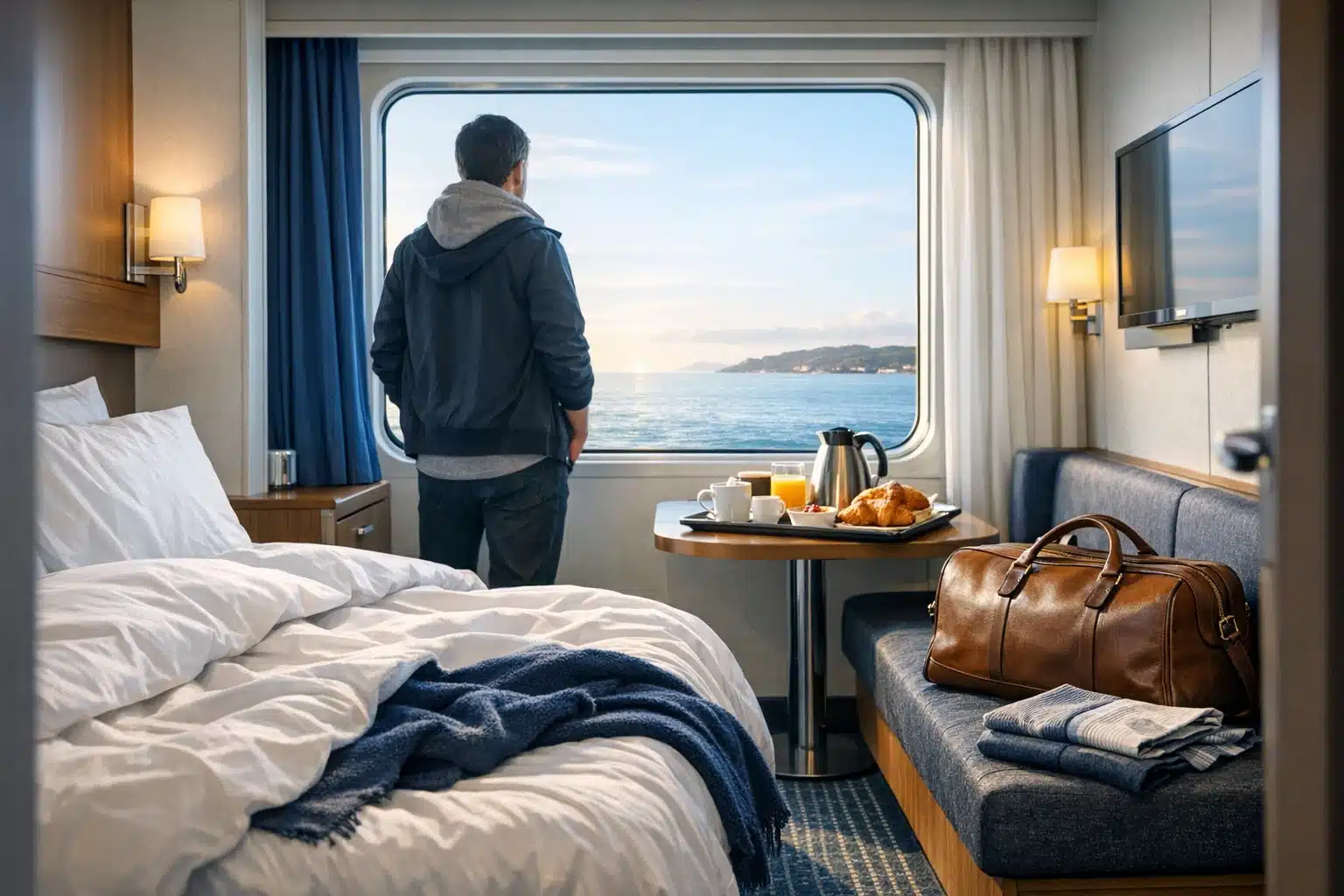
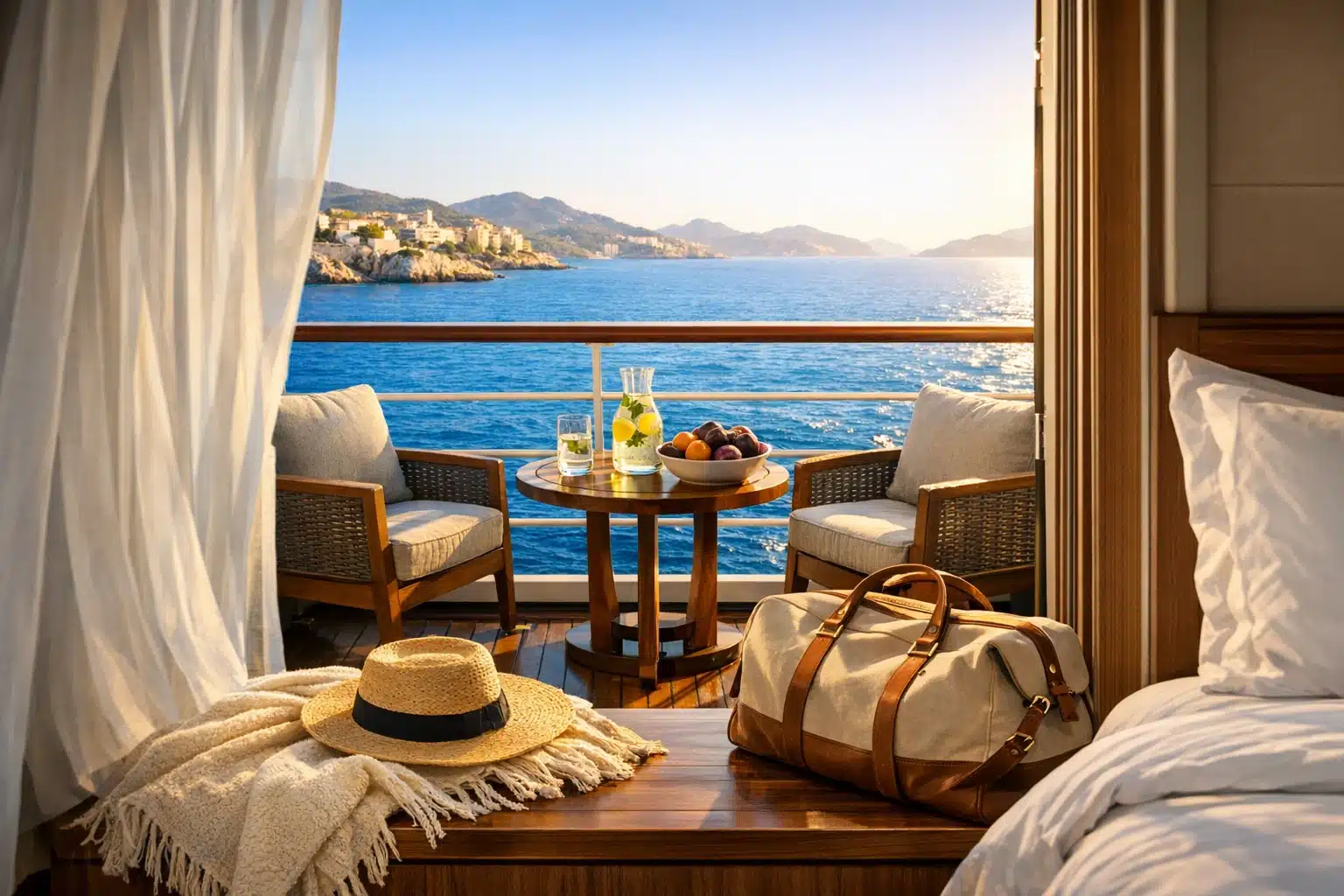
Cabin choice is the clearest example. If you mainly want a clean, quiet base and expect to spend most of your time in public areas or ashore, an inside cabin can offer solid value. If natural light affects your mood, or if you are prone to feeling closed in, a sea-view cabin may be worth the extra cost. Travelers concerned about motion often prefer cabins on lower or midship decks, where movement can feel less noticeable than at the front or very high up. Balcony cabins are attractive, but on a 4-night itinerary their value depends on weather, season, and how much time you plan to spend in the room.
Food is another area where expectations matter. Most mini cruises include access to standard dining venues, but specialty restaurants, drinks packages, upgraded coffee, and snacks outside set offerings may cost extra. Before sailing, check what your fare includes rather than guessing. This simple step prevents the classic “it was affordable until I got on board” moment. A useful budget breakdown often looks like this:
- Base fare and cabin category
- Parking or transfers to the port
- Travel insurance
- Drinks, specialty dining, and snacks not included in the fare
- Wi-Fi, if needed for work or messaging
- Shore excursions or local transport in Rotterdam
- Small daily spending on coffee, souvenirs, or photos
Entertainment on short cruises is usually designed to be easy to join without much planning. Expect a mix of bars, lounges, music, light game shows, family-friendly activities, and possibly cinema or theater-style performances depending on the ship. The best approach is not to schedule every hour. Leave some white space. A mini cruise works well because it gives structure without pressure. One evening might suit a show and a drink; another might be better spent walking the deck under cold sea air and city lights fading behind you.
There are also practical comfort choices that pay off. Pack one layer warmer than you think you need for outdoor decks. Bring any motion-sickness remedies you trust rather than hoping the onboard shop stocks your preferred option. If sleep matters, check whether your cabin is close to lifts, nightlife venues, or service areas. These details sound minor, but on a short trip they can shape the entire experience. In simple terms, good planning on board is less about spending more and more about spending selectively.
3. Rotterdam in a Day: Best Ways to Use Limited Time Ashore
Rotterdam rewards focused sightseeing. It is the Netherlands’ second-largest city and one of Europe’s most significant maritime hubs, yet it feels different from Amsterdam, Utrecht, or other Dutch destinations that lean more heavily on historic charm. Much of central Rotterdam was rebuilt after the Second World War, so the city is known for bold modern architecture, broad streets, strong design culture, and a practical layout that often suits day visitors well. If your mini cruise gives you only one day in port, that modern compactness can work in your favor.
The first rule is to understand your real time ashore. A port call may sound generous on paper, but once you account for disembarkation, transfers, queues, and the need to return to the ship with a safety margin, your sightseeing window becomes smaller. That is why trying to “do Rotterdam and a major day trip” can backfire. For most travelers, the better strategy is to choose one of three approaches: a central city walk, a museum-and-food day, or a single landmark plus relaxed wandering.
A strong self-guided route often includes the following highlights:
- The Erasmus Bridge area for skyline views and river atmosphere
- Markthal for architecture and an easy food stop
- The Cube Houses for one of Rotterdam’s most recognizable sights
- Old Harbour for waterside views and a sense of the city’s trading character
- Witte de Withstraat or nearby central streets for cafes and contemporary city life
If you enjoy museums, the Maritime Museum is especially relevant on this trip because it connects neatly with the cruise experience itself. You arrive by sea and then step into a city shaped by shipping, logistics, and trade. That continuity makes Rotterdam more than just a pretty stop; it becomes part of a larger story about movement, industry, and the role ports play in European travel and commerce.
Food lovers should keep expectations realistic and simple. A short port call is rarely the moment for an elaborate multi-stop dining plan. Instead, aim for one memorable meal or a good grazing stop. Markthal is useful for this because it combines convenience, atmosphere, and variety. If you prefer a more relaxed pace, pick a waterside cafe, enjoy the contrast between working port energy and modern city design, and leave room to walk.
Some passengers are tempted by excursions beyond central Rotterdam, especially to places such as Kinderdijk or Delft. These can be excellent choices, but they work best when booked as organized shore excursions or when transport logistics are fully understood in advance. Independent travel can be rewarding, yet a mini cruise is unforgiving if trains are delayed or you misjudge distance. The safest rule is simple: do less, but do it well. Rotterdam is a city that reveals itself through clean lines, river space, and confident architecture. You do not need to conquer it to enjoy it.
4. Travel Tips Before You Sail: Documents, Packing, Timing, and Comfort
The difference between a smooth mini cruise and a stressful one is often decided before you even leave home. Because the trip is short, small mistakes feel larger. Forget a document on a two-week holiday and you may recover. Forget a document on a 4-night sailing and you may miss the trip entirely. Start with the basics: confirm passport validity, check any visa or entry requirements that apply to your nationality, and review the cruise operator’s booking notes rather than relying on generic travel assumptions. Rules can change, and port-based travel may have different procedures from air travel.
Insurance is another item travelers sometimes skip because the journey feels brief. That is a false economy. Even a short cruise can be disrupted by illness, rough weather, transport delays on the way to the port, or unexpected cancellation issues. A practical policy should cover medical treatment, cancellation, baggage, and missed departure scenarios. If you are bringing medication, pack it in original packaging where possible and keep essentials in your hand luggage rather than your main case.
Packing for the Belfast to Rotterdam route is mostly about layers and footwear. The sea can be windy even when the forecast looks mild, and public areas on ships vary in temperature. Rotterdam itself is easy to explore on foot, so shoes matter more than many travelers expect. A good packing list usually includes:
- Passport, tickets, insurance details, and any booking confirmations
- One warmer layer for decks and evening sailings
- Comfortable walking shoes suitable for city pavements
- A small day bag for Rotterdam
- Phone charger and, if needed, a power adapter after checking the ship’s socket type
- Motion-sickness remedies, pain relief, and basic personal medication
- A reusable water bottle if permitted and practical for your day ashore
Arrival timing is often underestimated. Aim to reach the port with enough margin for traffic, parking, coach drop-off, or public transport delays. Belfast departures can be straightforward, but “straightforward” is not the same as “risk-free.” If you are traveling from another city on the same day, build in more buffer time than you think you need. The same logic applies on the return. Do not book tightly timed onward travel unless you are comfortable with the possibility of schedule changes.
Comfort at sea is partly physical and partly psychological. If you are worried about motion, choose a stable-feeling cabin location if possible, keep hydrated, avoid arriving overtired, and spend time looking at the horizon if movement bothers you. If you are worried about boredom, plan one or two small rituals: morning coffee on deck, an evening walk, a notebook, a downloaded film, or a list of ship spaces you want to try. Short cruises are not only about transport. They are about creating a pocket of time that feels separate from routine, and that feeling is much easier to enjoy when the practical side is handled well.
5. Who This Mini Cruise Suits Best, How It Compares, and Final Thoughts
A 4-night mini cruise from Belfast to Rotterdam is not the right trip for everyone, but it suits more travelers than people sometimes expect. It works especially well for first-time cruisers who want to test the experience without committing to a week or more at sea. It also suits couples looking for a short break, friends planning a social getaway, and travelers who like the romance of departure and arrival as much as the destination itself. For some families, it can be a manageable introduction to cruise travel because the duration is short enough to feel low-risk while still long enough to create a sense of occasion.
Compared with a city break by air, the biggest advantage is continuity. You are not packing and unpacking between airport, hotel, and transfer points. Your room moves with you. Baggage rules are often less restrictive than budget airline norms, and the journey itself becomes part of the holiday rather than a hurdle to be endured. That said, flying usually wins on pure speed. If your only goal is maximum hours in Rotterdam, a direct flight and hotel stay may be more efficient. The mini cruise makes a different promise: not more time in the city, but a more atmospheric and self-contained way of getting there.
Compared with a longer cruise, the mini version is cheaper, easier to fit around work, and less demanding for those unsure about seasickness or ship life. The trade-off is obvious: there is less time for immersion. You get a taste of shipboard rhythm, not a deep dive into it. You visit Rotterdam in concentrated form rather than at leisure. For many people, that is a strength rather than a weakness. A short trip with clear limits can feel satisfying because it asks less of your calendar and your budget.
This cruise may be less suitable if you dislike structured timetables, strongly prefer rural or beach destinations, or become frustrated when port time feels compressed. It also demands a flexible mindset. Weather can alter the mood of the voyage, and sea travel always carries an element of unpredictability that air and rail travelers may not be used to in the same way. Yet for the right passenger, that unpredictability is part of the charm. The harbor lights, the hum of the ship at night, the moment Rotterdam’s skyline appears through morning haze, these are not just transport details. They are the texture of the trip.
For the target traveler, the practical conclusion is clear. If you want a short holiday that feels larger than its calendar footprint, this route makes sense. Book it with realistic expectations, plan your Rotterdam day before you sail, and treat the ship as part of the destination rather than a waiting room between places. Do that, and a 4-night mini cruise from Belfast to Rotterdam can become exactly what many short breaks fail to be: easy to organize, varied in experience, and genuinely memorable.