4 Night Mini Cruise From Belfast To Amsterdam: Itinerary and Travel Tips
A 4-night mini cruise from Belfast to Amsterdam packs the pleasure of sea travel and the buzz of a European city break into one easy trip. It suits first-time cruisers, couples, friends, and busy travelers who want a holiday without using too many annual leave days. In just a few nights, you can settle into shipboard routines, wake up to a change of scene, and spend meaningful time in Amsterdam without planning a complex multi-city route. That balance of convenience, atmosphere, and value helps explain why short sailings remain so appealing.
Outline
- What makes a Belfast to Amsterdam mini cruise appealing and how it compares with other short breaks
- A typical 4-night itinerary, including embarkation, sea time, port logistics, and disembarkation
- What to expect on board, from cabin choices to dining, entertainment, and practical routines
- How to use limited time well in Amsterdam, with route ideas, transport tips, and pacing advice
- How to budget, pack, and book wisely so the trip feels smooth rather than rushed
Why a 4-Night Mini Cruise From Belfast Appeals to So Many Travelers
A short cruise from Belfast to Amsterdam sits in a sweet spot between a full holiday and a quick city break. For many people, that is exactly the attraction. You get the sense of departure that comes with boarding a ship, watching the shoreline fade, and settling into a cabin for several nights, but you avoid the longer commitment of a week-long voyage. If you are cruise-curious but not yet ready to invest heavily in a longer sailing, this format works almost like a practical sampler. You can test how you feel about sea days, shared public spaces, dining rotations, and cabin life without committing to a major itinerary.
Compared with flying to Amsterdam, a mini cruise trades speed for atmosphere. A flight may get you there faster, but it usually involves airport queues, baggage rules, security checks, and the need to book city accommodation separately. A cruise bundles transport, accommodation, and a good portion of entertainment into one booking. That does not automatically make it cheaper in every case, yet it can make costs easier to predict. For travelers who prefer a more contained holiday, that matters. You unpack once, learn the layout of the ship, and let the journey itself become part of the experience rather than dead time between destinations.
There is also a psychological difference that regular cruisers often mention: sea travel creates a slower, more deliberate transition into holiday mode. A train or plane tends to move you abruptly from home life into destination mode. A ship, by contrast, gives you an in-between space. You have time to stand on deck, notice the weather, browse the daily schedule, and let your attention loosen. Even on the North Sea, where conditions can be brisk and changeable, there is something memorable about wrapping up in a jacket and watching the horizon open. It feels old-fashioned in the best sense, a little cinematic, like travel before every journey became optimized to the minute.
This route is especially useful for:
- First-time cruisers who want a short introduction
- Travelers based in Northern Ireland seeking a simpler departure point
- Couples wanting a compact romantic break
- Friends planning a social getaway with built-in nightlife and dining
- Busy workers who cannot spare a full week away
Another advantage is that Amsterdam suits limited-time visitors better than many big European cities. Its central area is compact, public transport is reliable, and many famous sights are clustered within manageable distance. Even if your call is shorter than a full land holiday, you can still enjoy canals, museums, historic streets, and café culture in a single well-planned day. That combination of an easy departure, a contained journey, and a highly rewarding port stop is what makes this mini cruise feel larger than its calendar footprint suggests.
Typical 4-Night Itinerary: What Each Day Usually Looks Like
While cruise schedules vary by operator, season, tides, and port arrangements, a 4-night mini cruise from Belfast to Amsterdam usually follows a familiar rhythm. Knowing that rhythm before you travel helps you plan energy, meals, excursions, and expectations. Short cruises move quickly, so a little foresight makes the experience feel relaxed rather than compressed.
Day 1: Embarkation in Belfast. This is the day for check-in, security, cabin access, and first impressions. Most travelers arrive at the port well ahead of the final boarding window, because embarkation tends to be smoother when you are not rushing. After check-in, the pattern is usually similar across cruise lines: locate your cabin, complete the safety drill, explore public areas, and settle into the sailing mood. You might begin with coffee in a lounge, a walk around the outer deck, or a look at the daily planner delivered to your cabin. If departure happens in daylight, the sail-away can be one of the nicest parts of the trip. Watching Belfast recede, with luggage already unpacked and dinner still ahead, has a satisfying “holiday starts now” feeling that a normal departure gate cannot match.
Day 2: At sea. On a short itinerary, the sea day is not filler; it is part of the point. This is when travelers get time to enjoy the ship itself. Expect quizzes, talks, live music, shops, lounges, and dining options depending on the vessel. If weather is kind, outer decks are worth visiting, though the North Sea can be cool even outside winter. Use this day wisely. If you stay up late on embarkation night, a slower morning can help. If you want to maximize Amsterdam, use sea time to review maps, pre-book tickets, or decide whether to prioritize canals, museums, shopping, or food.
Day 3: Amsterdam call. This is the centerpiece of the trip, but it comes with one important practical note: some ships berth close to Amsterdam, while others use nearby port areas such as IJmuiden and then provide transfers or rely on rail and coach links. That detail can affect how many hours you truly have in the city. Always check your cruise documents carefully. In general, organized transport from port to city center is the simplest option if available, while independent travelers may save money by using local transit if timings line up well.
Day 4: Return sailing. The return leg often feels more relaxed. By now you know where your favorite lounge is, which coffee spot works best, and whether you prefer early or late dinner. Many travelers use this day for a gentler pace: a proper breakfast, a show in the evening, maybe a final drink while watching the sea darken.
Day 5: Disembarkation in Belfast. This morning tends to be structured and fairly efficient. Bags may need to be packed the night before, depending on the line’s process. Have travel documents, medications, and essentials easily accessible. The trip ends quickly, but if planned well, it often feels like you squeezed a much longer break into a short window.
Life On Board: Cabins, Dining, Entertainment, and the Practical Side of Short Cruising
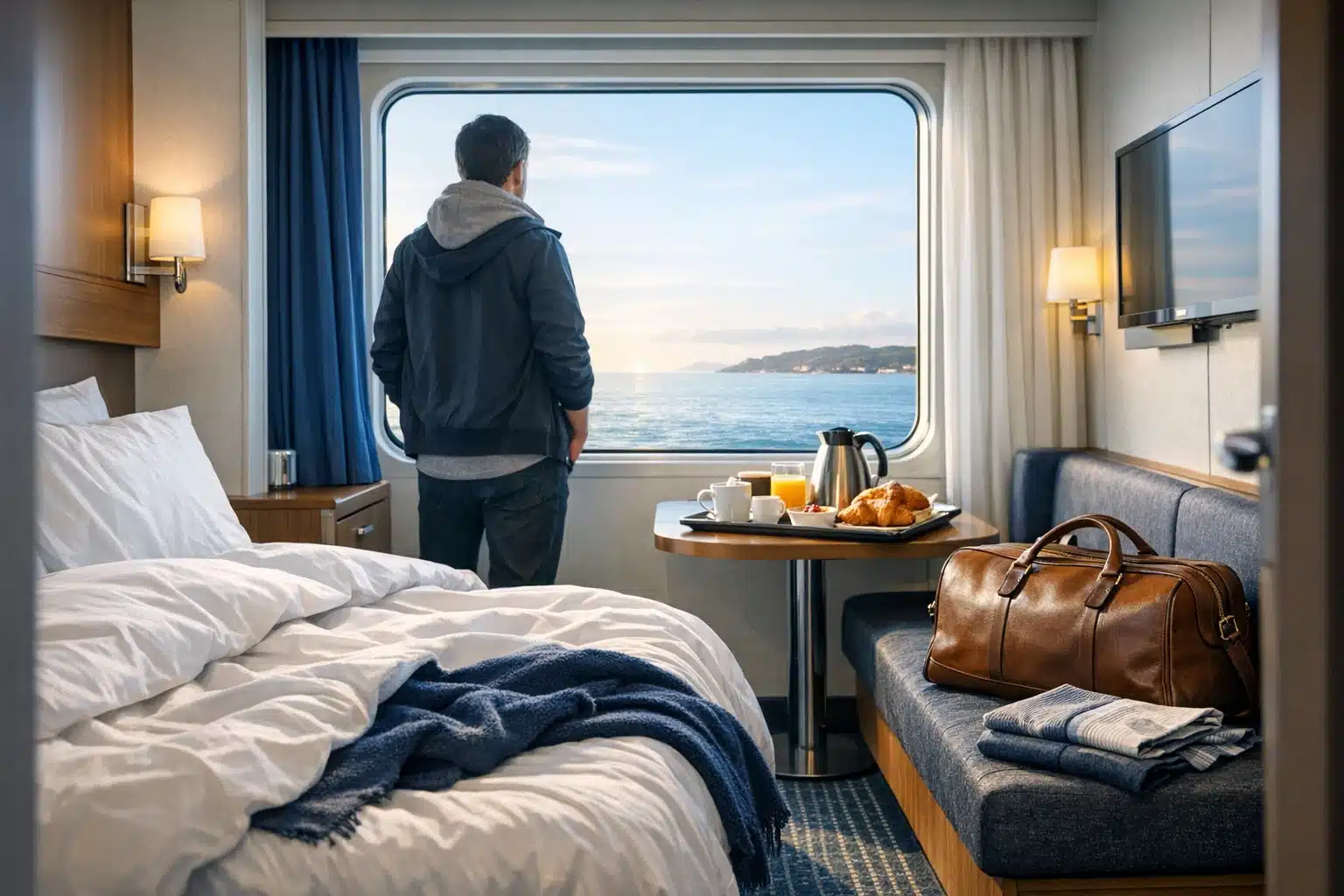
One reason mini cruises work so well is that the ship provides structure without requiring constant decision-making. Still, the more you understand onboard life, the better your experience is likely to be. On a 4-night sailing, small choices can have a noticeable effect because there is not much time to correct a poor setup. Cabin selection is the most obvious example. If budget matters most and you mainly need a place to sleep and shower, an inside cabin can make perfect sense. It is usually the lowest-cost option and often surprisingly comfortable for short trips. If you are prone to feeling enclosed or simply want natural light, an ocean-view cabin may be worth the supplement. A balcony, when offered, can feel luxurious, but on a short North Sea route it is best chosen for personal preference rather than expectation of hours spent sunbathing outside.
For travelers sensitive to motion, midship cabins on lower to middle decks are often preferred because they can feel more stable than cabins at the far front or rear. This is not a guarantee against movement, especially in rougher weather, but it is a common rule of thumb. If you are unsure how you will react, pack any remedies you trust and take a sensible approach to meals and alcohol on the first night. A heavy dinner plus lively seas is not always the smartest opening move.
Dining on short cruises usually falls into two broad categories:
- Main dining rooms with scheduled or semi-scheduled meal service
- Buffet or casual venues that offer more flexibility
Both have advantages. The dining room creates a classic cruise atmosphere, with table service and a more leisurely pace. The buffet is helpful when you want speed, variety, or a late breakfast after an evening show. On short sailings, some travelers try to do too much and forget that the ship itself is part of the break. A better tactic is to pick a few onboard highlights rather than chase every activity in the daily schedule.
Entertainment varies widely by ship, but common offerings include live singers, themed bars, quizzes, comedy, dancing, cinema screenings, and production-style shows. Even if you are not usually drawn to cruise entertainment, it is worth trying at least one event. Short cruises often create a surprisingly sociable atmosphere because many guests are traveling for fun rather than ticking off a large itinerary. There is a cheerful, weekend-away energy on board.
Practical habits also matter. Bring a small day bag, a reusable water bottle if permitted, chargers, travel documents, and layers for deck time. Check whether gratuities, Wi-Fi, drinks packages, and shuttle transfers are included or extra. That is where first-time cruisers most often misjudge the budget. The vessel may feel like a floating hotel, but policies can differ significantly. A little reading before departure will save confusion later and let you spend more of the trip enjoying the voyage rather than studying the fine print.
Making the Most of Amsterdam in Limited Time
Amsterdam rewards focused sightseeing. That is good news for mini-cruise passengers, because your port day is likely to be enjoyable only if you accept one simple truth: you cannot do everything. The city may look compact on a map, but queues, bridges, tram rides, and museum entry times can quietly eat into the day. The best approach is to choose one primary style of visit rather than trying to force five different versions of Amsterdam into a few hours.
If this is your first visit, the classic introduction is hard to beat: canals, the historic center, and one or two major cultural stops. A canal cruise is often an efficient orientation tool because it helps you understand the city’s layout while also giving your feet a short break. After that, a walk through the central canal belt, Dam Square area, or Jordaan district can give you a strong sense of the city’s personality. Slender houses, bikes gliding past, water catching the light under low bridges, and café windows glowing even on grey days create the kind of scenes people remember for years. Amsterdam can feel intimate and lively at the same time, as if a major capital decided to keep the scale of a neighborhood.
If museums matter most to you, advance booking is usually the smarter choice. Popular institutions can sell timed-entry slots, and turning up without one may waste valuable time. Depending on your interests, you might focus on:
- Art and history museums for a more structured cultural visit
- The Anne Frank House area and surrounding neighborhoods for reflective walking
- Canal districts and local cafés for a slower, atmosphere-driven day
- Markets and shopping streets if you prefer browsing to formal sightseeing
Transport planning is equally important. If your ship docks outside the city proper, know exactly how you are getting in and how long the return will take. Build margin into your day. Cruise ships do not wait for independent latecomers in the way a private tour might. Many experienced travelers use a simple rule: aim to be back at the transfer point or station earlier than feels strictly necessary. In a city with crowds, tram delays, and easy-to-lose track of time, that buffer is not wasted time; it is insurance.
Food can be part of the experience without becoming a time trap. A relaxed lunch beside a canal is lovely, but if restaurant service looks slow and you have museum slots ahead, a bakery, food hall, or casual café may serve you better. Remember that short-port travel is about rhythm. You want enough structure to avoid mistakes, but enough looseness to enjoy the place. If you manage that balance, Amsterdam feels generous even in a limited window.
Booking, Budgeting, Packing, and Final Travel Tips for a Smoother Trip
Good planning can make a short cruise feel wonderfully easy; weak planning can make it feel rushed and oddly expensive. Because the trip lasts only four nights, every avoidable hassle takes up a larger share of the holiday. That is why booking and budgeting deserve more attention than many travelers first assume.
Start with the fare structure. The headline cruise price often covers your cabin, core meals, and onboard entertainment, but extras may include drinks, specialty dining, Wi-Fi, gratuities, travel insurance, port transfers, and shore excursions. Before booking, compare packages rather than focusing only on the lowest advertised number. A slightly higher fare that includes parking, drinks, or transfers can represent better value than a cheaper deal loaded with add-ons. This is especially true on mini cruises, where you have less time to “get your money’s worth” from optional packages.
A sensible budget might include:
- Cruise fare and any cabin upgrade
- Transport to and from Belfast port
- Travel insurance and document costs
- Amsterdam transfer or excursion charges
- Meals and drinks not included in the base fare
- Modest daily spending for snacks, museum entry, or souvenirs
Amsterdam itself can be enjoyed on different budgets. A self-guided walking day with one paid attraction is very different from a schedule involving taxis, multiple museums, and long restaurant meals. If you want to keep spending controlled, pre-book one standout activity and leave the rest flexible. That approach usually delivers better value than cramming in several paid experiences simply because you are there for only one day.
Packing for this route is mostly about versatility. The North Sea can be cool, breezy, and damp even when the calendar says spring or summer, while city walking in Amsterdam may leave you warmer than expected. Layers solve most problems. Comfortable shoes are essential, especially if you plan to walk across cobbled streets and bridges. Bring a light waterproof jacket, a compact umbrella if you like, chargers, medications, travel adapters if needed, and a small day bag for port visits. If formal nights exist on your sailing, check the dress guidance in advance rather than overpacking. Many short cruises are more relaxed than first-time travelers imagine.
Finally, two travel habits pay off more than anything else: arrive organized and pace yourself. Keep passports and booking details accessible. Read the daily program early. Do not overschedule the ship and Amsterdam on the same trip; choose your highlights. A mini cruise works best when you let it be what it is: a compact, enjoyable, slightly theatrical break that combines movement, comfort, and discovery. Treat it as a short escape, not a race, and it will often feel richer than many longer holidays.
Conclusion: Is This Mini Cruise Right for You?
If you want a trip that feels varied without becoming complicated, a 4-night mini cruise from Belfast to Amsterdam is a strong option. It suits travelers who enjoy the idea of sea travel, want a practical introduction to cruising, or simply prefer a short break with one memorable destination at its center. The key is realistic planning: understand the port logistics, book a cabin that matches your comfort needs, and give Amsterdam a clear priority rather than an impossible checklist. For first-time cruisers, couples, and anyone craving a change of scene without a long absence from home, this route offers a satisfying mix of ease, atmosphere, and urban discovery.