4-Night Cruises Around the UK: Itineraries and Travel Tips
Introduction and Article Outline
A 4-night cruise around the UK sits neatly between a quick city break and a full holiday, giving travellers enough time to taste coastal scenery, visit one or two ports, and settle into shipboard life without using up a week of leave. That balance matters for first-time cruisers, families with school constraints, and busy workers who want a simple departure from ports such as Southampton, Liverpool, or Newcastle. In a market where longer voyages can feel expensive or intimidating, these short sailings offer a practical, low-friction way to test whether cruising suits your style.
These voyages are increasingly relevant because convenience has become one of the strongest selling points in British travel. A round-trip departure from a domestic port can remove the need for flights, cut airport stress, and make packing less complicated. For travellers who want a break but not a logistical puzzle, that matters. A short cruise can also work as a “trial run” before booking a longer Northern Europe, Mediterranean, or transatlantic itinerary. You learn how you feel about sea days, dining schedules, evening entertainment, cabin size, and the rhythm of arriving in port without having to commit to ten or twelve nights.
This article is structured to help readers move from curiosity to confident planning. It covers:
– what 4-night UK cruise itineraries usually look like
– how routes differ depending on departure port and region
– what kind of traveller each itinerary tends to suit
– how to budget for the real cost, not just the headline fare
– practical travel tips for weather, packing, embarkation, and shore time
Although four nights sounds brief, these cruises can still feel surprisingly full. One evening is shaped by embarkation and safety drills, another may be spent dressing for dinner or watching a live show, and one or two days can involve ports with very different personalities. One morning you may wake up to the urban silhouette of Liverpool; another could begin with mist lifting off a Scottish shoreline, the ship moving quietly as though it does not want to disturb the view. That blend of motion and stillness is part of the appeal.
The key to enjoying a short cruise is to match expectation with itinerary. If you want lots of sightseeing, choose a port-heavy sailing. If you want spa time, sea views, and a gentler pace, pick a route with more time on board. The rest of this guide will help you understand those differences in practical, useful terms.
Typical 4-Night UK Cruise Itineraries and How They Differ
Not all 4-night cruises around the UK are built the same. The shortest sailings usually focus on one of three patterns: a coastal sampler with one or two UK port calls, an Irish Sea loop, or a northern route that blends one destination with scenic sailing. Because the voyage length is limited, cruise lines tend to design these trips around ports that are easy to reach overnight from major embarkation points. That is why departure port matters so much. A ship leaving Southampton has different practical options from one sailing out of Liverpool, Greenock, or Newcastle.
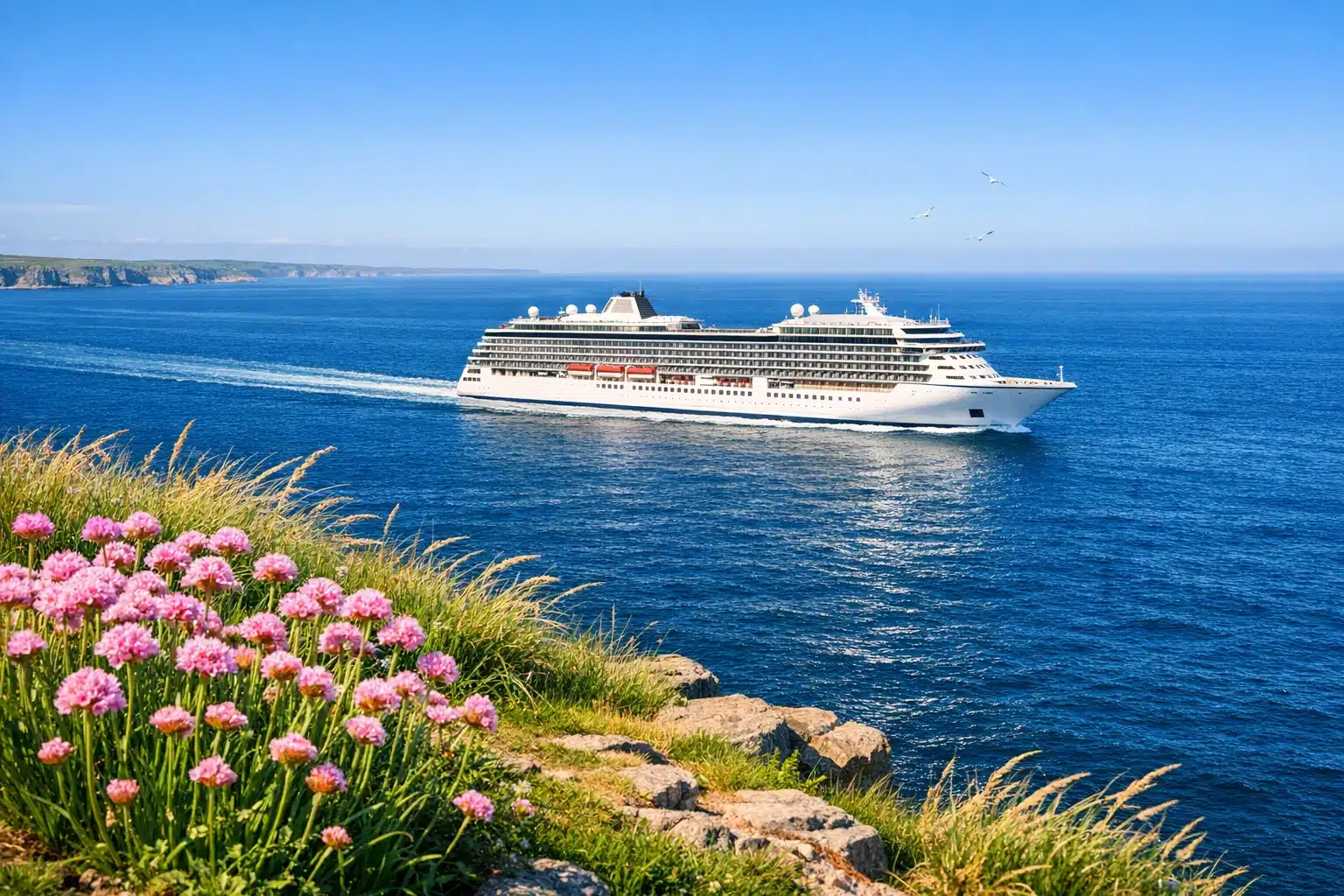
A southern England departure often produces a “gentle introduction” itinerary. From Southampton, some short sailings call at places such as Portland, Falmouth, or Liverpool, depending on vessel speed and scheduling. These routes tend to suit travellers who want a familiar setting, manageable sea time, and easy rail access to the port. The advantage is simplicity. The trade-off is that you may not cover a huge geographic range in just four nights. Think of this style less as a grand circuit and more as a curated coastal break with shipboard comforts built in.
From Liverpool, the Irish Sea becomes the natural playground. Short cruises from here may include Belfast, Greenock for Glasgow, or another nearby port, sometimes with a sea day woven between calls. This style feels more destination-led and can be especially appealing for travellers in northern England or Wales who would rather not travel south before the holiday even begins. Liverpool also offers a strong sail-away experience, with the city skyline giving the first evening real atmosphere. For many passengers, that emotional start matters more than they expect.
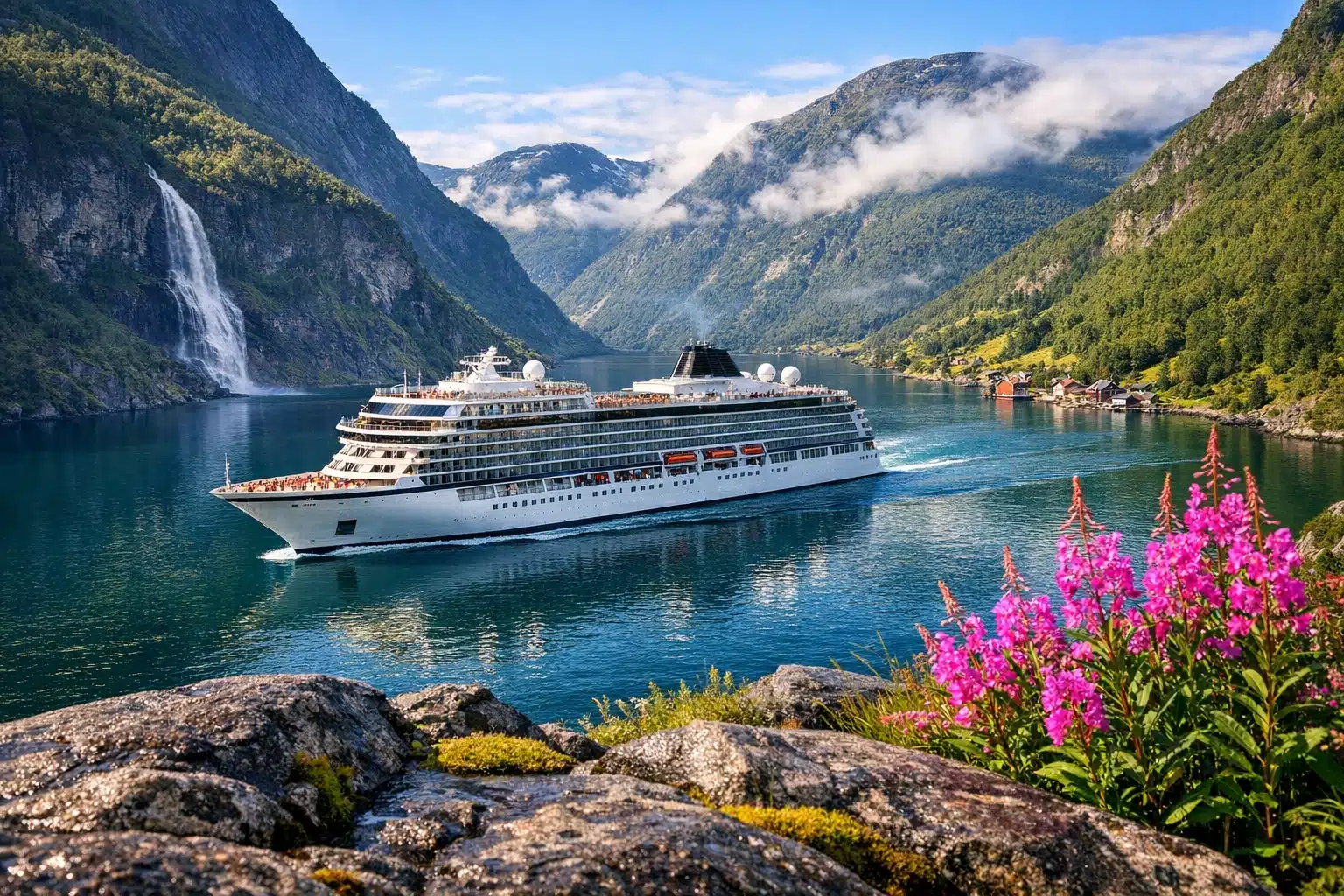
Newcastle or Scottish departures often lean toward northern scenery. A 4-night sailing might include a call such as Invergordon, South Queensferry, or another accessible stop, paired with stretches of open water that showcase the east coast or firth landscapes. These itineraries can feel more dramatic, especially in spring and early autumn when the light is sharp and the sea turns steely blue. However, they may also feel cooler and less predictable in weather terms, so the appeal lies partly in the mood rather than simple checklist sightseeing.
When comparing itineraries, it helps to ask a few grounded questions:
– How many true port hours will I get?
– Is there a tender port involved, which can be weather dependent?
– Do I want more time ashore or more time enjoying the ship?
– Is the route efficient for my home location?
The most important point is that four nights rarely deliver everything at once. A short cruise is either a compact sightseeing trip, a chance to enjoy the ship, or a balanced blend of both. The best itinerary is the one that matches the holiday you actually want, not the one that simply lists the most names on a map.
Choosing the Right Cruise: Port Access, Ship Style, and Traveller Type
Once you understand the basic itinerary patterns, the next step is choosing the sailing that fits you rather than the marketing photo. On a 4-night cruise, small decisions carry more weight because there is less time to recover from a mismatch. A family with energetic children may want a ship packed with pools, casual dining, and live entertainment. A couple looking for a quiet break may prefer an adults-focused vessel, fewer announcements, and a calmer onboard atmosphere. The route matters, but the ship itself shapes the holiday just as strongly.
Departure port is often the most practical filter. Southampton has broad transport links and a high volume of cruise departures, which gives travellers more dates and ship options. Liverpool can be ideal for those in the North West, while Newcastle and Scottish ports reduce pre-cruise travel time for northern passengers. Saving three or four hours on the journey to embarkation can make a short cruise feel genuinely relaxing rather than tightly packed. A common mistake is choosing the “best” fare while ignoring the cost, fatigue, and overnight stay needed to reach the ship.
It also helps to recognise what short cruises are especially good at. They work very well for:
– first-time cruisers who want to try ship life
– couples seeking a manageable mini-break
– multi-generational groups who need easy logistics
– travellers with limited annual leave
– guests celebrating birthdays or anniversaries without planning a long trip
They are less ideal for travellers who dislike structured timings, want immersive cultural touring, or hope to spend full days in several destinations. Port calls on a 4-night voyage can be rewarding, but they are still short compared with a land-based stay. If your priority is deep exploration of one city, a train-and-hotel break may fit better. If your priority is variety, atmosphere, and convenience, cruising starts to look much stronger.
Cabin choice should also be viewed through the lens of trip length. On a four-night sailing, many travellers are comfortable booking an inside cabin because the stay is brief and much of the day is spent elsewhere. Others find that a balcony transforms the experience, especially on scenic northern routes where a private outdoor space lets you enjoy early light, sea air, and coastline without leaving your room. Neither choice is universally right. The smarter question is how you personally spend downtime. If you love reading with a horizon in front of you, a balcony may feel worth the premium. If you treat the cabin mainly as a place to sleep and shower, that extra spend might be better put toward dining, parking, or an excursion.
In short, the right 4-night cruise is a match between geography, onboard style, and your own travel habits. The more honestly you answer those practical questions, the better your short voyage will feel.
Budgeting and Booking Smartly for a Short UK Cruise
A short cruise can look inexpensive at first glance, but the headline fare is only the starting point. To judge real value, travellers need to think in layers: cabin price, transport to the port, parking or pre-cruise hotel costs, drinks, specialty dining, Wi-Fi, excursions, and any service charges that may not be included in the advertised figure. Because the trip is only four nights, some people assume extras will stay small. In practice, short sailings can encourage concentrated spending, especially when guests decide to “treat themselves” because the trip feels manageable.
The best booking approach depends on your flexibility. If you can travel outside peak school holidays and are open to different departure ports, shoulder-season sailings in spring or early autumn often offer stronger value than midsummer departures. Last-minute deals can appear, particularly on short cruises, but they are not guaranteed and can be a poor strategy if you need specific cabin types or accessible rooms. Early booking gives more choice and sometimes better package benefits. Later booking can produce savings, but it demands flexibility and quick decision-making.
Cabin categories deserve closer comparison than many first-time cruisers realise. An inside cabin may deliver the lowest fare, yet an ocean-view room can make a short trip feel much less enclosed. A balcony can be especially attractive when the scenery is part of the point. Instead of asking which category is “best,” compare the price difference with what else that money could buy. For example, the upgrade might equal:
– rail tickets for two to the port
– a night in a hotel before embarkation
– a drinks package
– one or two ship excursions
– onboard spending money for specialty dining and photos
It is also wise to check what the fare includes. Some cruise lines bundle gratuities, basic beverages, or Wi-Fi in certain promotions, while others keep the base price low and add more charges later. Families should look carefully at child pricing, cabin occupancy rules, and whether kids’ clubs operate fully on short sailings. Solo travellers should pay attention to supplements, which can change the value equation dramatically.
For UK departures, ground transport planning matters more than many new cruisers expect. Port parking can be convenient but costly. Rail travel may be cheaper, yet strikes, engineering works, or limited Sunday services can complicate timing. If embarkation starts early, arriving the day before may reduce stress, especially in winter. Travel insurance is another area people sometimes skip on short breaks, even though missed departure, illness, and weather disruption remain real risks regardless of itinerary length.
The smartest budget is not the lowest number on the screen. It is the one that accounts for the whole trip and leaves enough room to enjoy it without second-guessing every extra once you are on board.
Travel Tips, Packing Advice, and Final Guidance for First-Time UK Cruise Guests
The practical side of a 4-night cruise is where good planning turns into a smoother holiday. UK weather is the first thing to respect. Even in summer, conditions can shift quickly from bright sunshine to wind and drizzle, particularly on deck or in northern waters. Packing with layers is more useful than chasing a perfect forecast. A light waterproof jacket, comfortable walking shoes, a warm top for evening deck strolls, and clothing that works both casually and slightly smartly will cover most situations. If your ship has formal or dressier dining nights, check the cruise line’s guidance in advance rather than guessing.
Documents deserve the same level of attention. Requirements vary according to itinerary, cruise line, and nationality, especially when a sailing includes ports such as Belfast or the Republic of Ireland on a broader British Isles route. Always verify the latest rules directly with the operator. It is also sensible to keep medications, chargers, travel documents, and a change of clothes in your hand luggage, since checked luggage may reach your cabin later in the day. That first afternoon can feel surprisingly busy, and having essentials with you makes embarkation easier.
Here are some useful habits that improve short cruises:
– arrive at the port in your allocated check-in window
– complete online check-in as early as the cruise line allows
– book key dining or spa slots before boarding if reservations are available
– download the ship app for schedules, deck plans, and messaging
– take any motion-sickness remedies before you feel unwell, not after
Because time is limited, shore planning should stay realistic. On a 4-night sailing, an overcomplicated port day can create more stress than pleasure. If you are visiting a city independently, know the transfer time from port to centre and leave a generous buffer for returning to the ship. Cruise lines wait for their own excursions more readily than for independent latecomers, so punctuality matters. For tender ports, remember that weather and sea state can affect operations. Flexibility is not a backup plan on a cruise; it is part of the travel style.
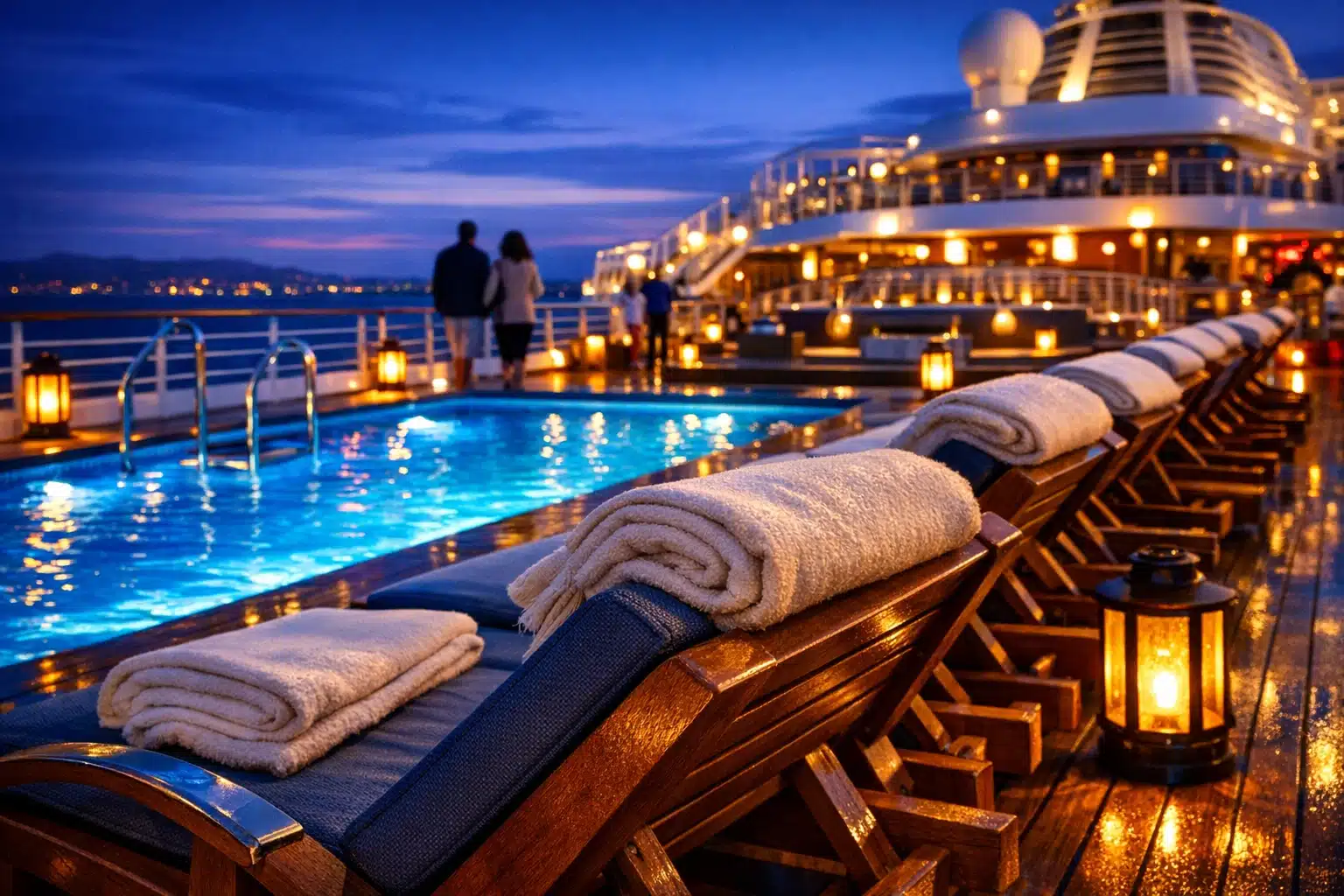
There is also a mindset tip that seasoned passengers learn quickly: do not try to “win” the holiday by doing everything. On a short voyage, one quiet coffee with the sea sliding past the window can be as memorable as a packed schedule. Let the ship do some of the work. Watch sail-away. Try one show. Step onto deck after dark. Notice how a familiar island nation looks different from the water, softer at the edges and somehow more spacious.
Conclusion for short-break travellers: a 4-night cruise around the UK is best suited to people who value convenience, variety, and a manageable commitment. It is ideal for curious first-timers, busy professionals, couples wanting an easy escape, and families who prefer domestic departures over airport queues. If you choose the route carefully, budget beyond the base fare, and pack for mixed conditions, this compact format can deliver far more than its length suggests. It may not replace a long, immersive voyage, but it can absolutely become the most practical and enjoyable way to fit a holiday into real life.