4 Night Cruise From Edinburgh: Itinerary and Travel Tips
Edinburgh sits within easy reach of several cruise departure points, so a short sailing can begin with a train ride, a taxi, or a simple pre-cruise hotel night instead of a complicated flight. That convenience matters on a four-night trip, where every hour counts and small planning mistakes feel bigger. Whether you are testing out cruising for the first time, fitting travel around work, or planning a relaxed escape with someone special, this format offers a useful middle ground. The secret is knowing the route, the port, the weather, and the ship rhythm before embarkation day arrives.
Outline:
• Why a four-night cruise from Edinburgh appeals to different types of travelers
• A realistic day-by-day itinerary and what each stage of the trip feels like
• How to choose shore excursions and use limited port time wisely
• Booking, budget, cabin, and seasonal decisions that affect value
• Final travel tips on packing, weather, boarding, and getting the most from a short sailing
Why a 4-Night Cruise From Edinburgh Is a Smart Short-Break Option
A four-night cruise from Edinburgh works well because it solves a problem many travelers have: wanting a real change of scene without sacrificing a week or more. A city break can be fun, but it usually involves repeated packing, finding restaurants, and managing transport between hotel and attractions. A cruise compresses those logistics into a single booking. Your cabin, meals, entertainment, and transport between destinations are bundled into one moving base, which is a major advantage when time is limited.
Another reason these sailings are appealing is geography. Cruises marketed as departing from Edinburgh often use ports in the wider Firth of Forth area, especially Leith or Rosyth, so it is important to check your documents carefully rather than assume the ship leaves from the city center. For travelers already in Scotland, that can mean a straightforward rail journey or drive. For visitors arriving from elsewhere in the UK, Edinburgh is well connected by train and air, making it a practical embarkation point for a short holiday.
The format suits several kinds of travelers. First-time cruisers like it because four nights are long enough to understand the basics of ship life, cabin comfort, dining schedules, and motion at sea. Couples often choose it for anniversaries or spontaneous breaks because the onboard atmosphere can feel easy and self-contained. Retired travelers may appreciate the reduced travel strain compared with a longer journey. Even seasoned cruise fans book mini itineraries when they want a quick reset without the higher cost of a full-scale voyage.
Typical routes vary. Some focus on Scotland’s own coastline and islands, while others may dip into nearby ports in northern England, Northern Ireland, or, on some schedules, northern Europe. Weather, ship size, and seasonal demand influence what is offered. Spring and early summer often bring longer daylight and greener landscapes, while late summer can feel slightly warmer and more settled, though conditions in the North Sea are never guaranteed.
There are trade-offs, of course. A short cruise has less time for deep exploration, and the schedule can feel brisk if you try to do too much. Still, for many travelers, that is part of the charm. You unpack once, settle into the rhythm of the ship, watch the coastline slide by, and for a few days life becomes pleasantly narrow in the best sense. The sea handles the distance while you handle the difficult question of whether to go to the lounge, the top deck, or dinner first.
Sample 4-Night Itinerary: What the Trip Can Look Like Day by Day
Although no two cruise lines run identical schedules, a typical four-night sailing from the Edinburgh area follows a pattern that balances embarkation, scenic cruising, one or two meaningful port calls, and a return journey that still leaves room for onboard downtime. Thinking about the trip day by day helps set realistic expectations. On a short cruise, the experience is shaped as much by tempo as by destination.
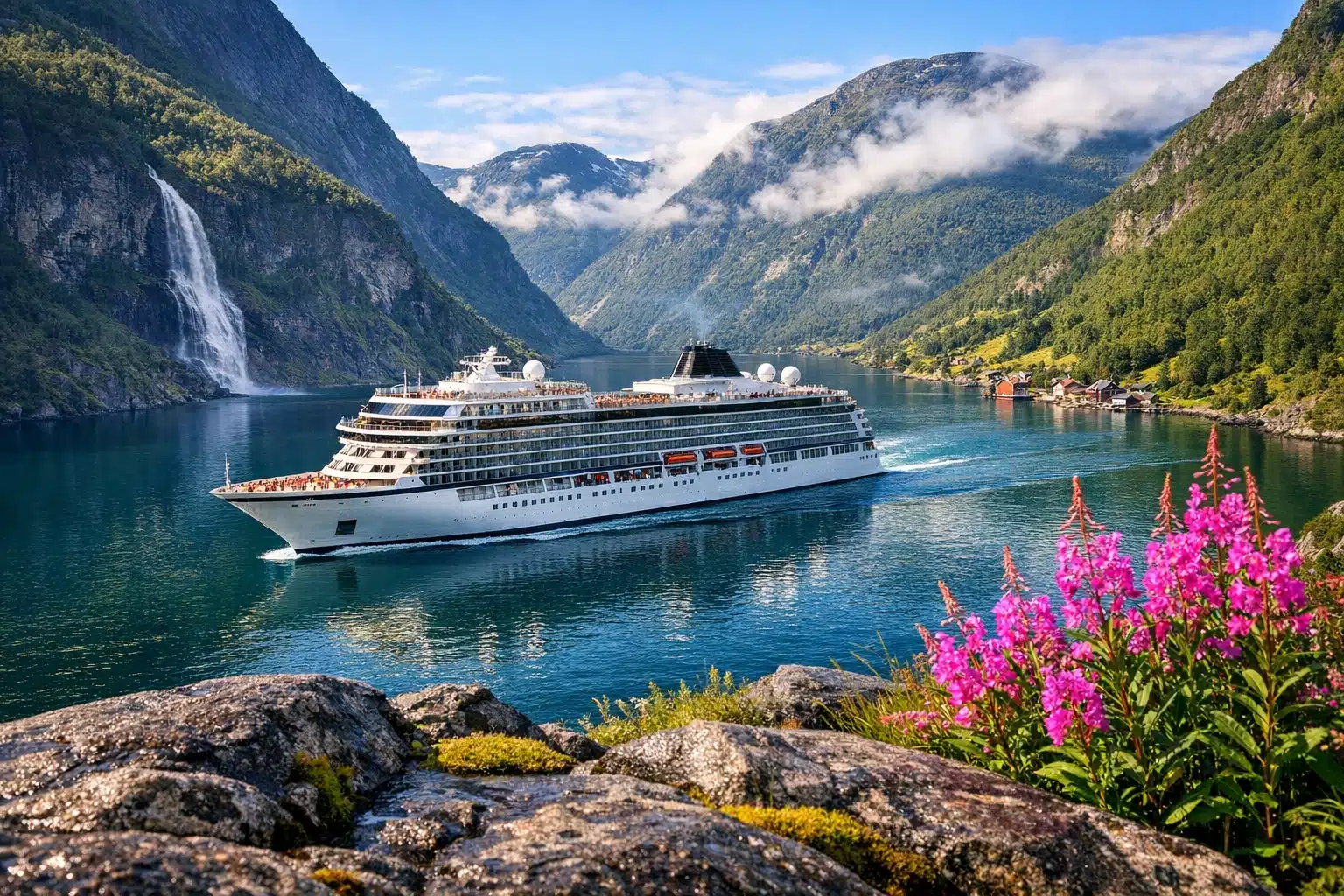
Day 1 usually begins with embarkation in the afternoon. After check-in, security, and boarding, the first few hours tend to disappear quickly. You find your cabin, complete the safety drill, explore the upper decks, and watch the shoreline recede as the ship moves out through the Firth of Forth. If the weather is clear, this departure can be one of the quiet highlights of the whole trip. Bridges, coastal villages, and open water create that unmistakable feeling that ordinary routines have been cut loose.
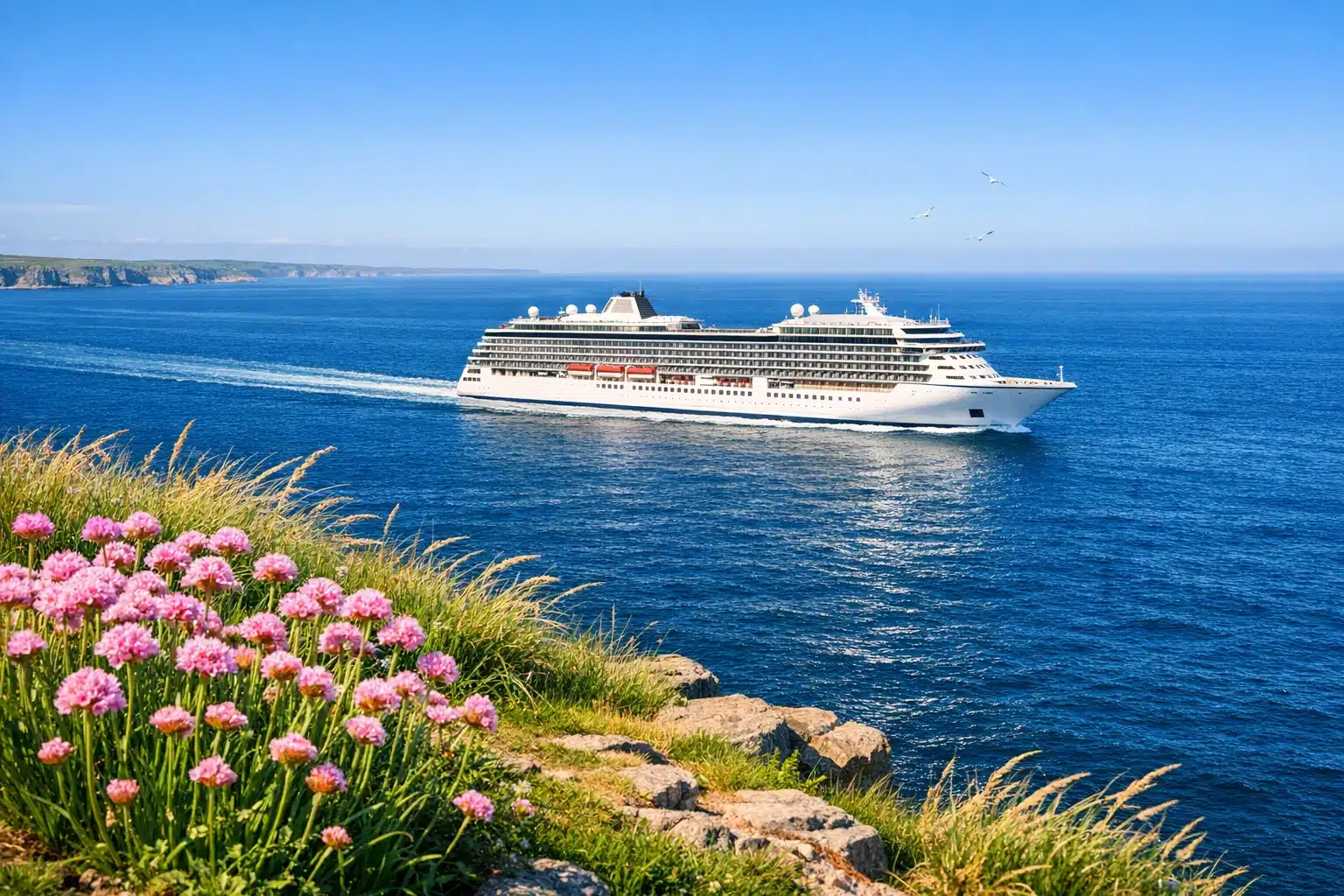
Day 2 is often a sea day or a day with a scenic sail. On a longer cruise, some people treat sea days casually. On a four-night itinerary, they are part of the value. This is when travelers discover whether they actually enjoy ship life. You might have breakfast with a view, attend a talk or tasting session, read in a lounge, or simply spend an hour outside watching changing light move across the water. If the ship is heading north, expect cooler breezes and quick weather shifts. A calm morning can become a windy afternoon with very little warning.
Day 3 might feature a port such as Kirkwall in Orkney or another compact stop where a short visit still feels rewarding. Kirkwall works especially well on mini cruises because the town center is manageable, the harbor setting is memorable, and key sights can be seen without a long transfer. Travelers can visit St Magnus Cathedral, browse local craft shops, or take an excursion to prehistoric sites if time allows.
Day 4 could bring a second port such as Invergordon, a gateway for Highland scenery, castles, and whisky-themed tours. If the itinerary leans south instead, the port may focus on an urban visit rather than a landscape-heavy day. Either way, the final full day usually carries a slightly changed mood. People know the trip is short, so they become better at using the ship: one more good dinner, one more deck walk, one more photograph just before sunset.
Day 5 is disembarkation. It is rarely glamorous, but it does not need to be stressful. Most passengers leave in assigned time windows, and those who packed sensibly the night before usually have a far easier morning. A short cruise ends quickly, yet that is also why it works so well. It gives you the shape of a voyage, not just the idea of one.
Choosing the Best Shore Experience Without Wasting Precious Port Time
On a four-night cruise, shore planning matters more than many people expect. A longer voyage can absorb one sleepy or badly organized port day. A short itinerary cannot. Each stop needs a simple plan, especially if you are visiting places where transport is limited, local weather changes quickly, or excursions leave shortly after arrival. The trick is not to chase everything. It is to choose the version of the day that matches your pace, interests, and confidence level.
Take Kirkwall as an example. It is one of the most rewarding short-stop ports in Scotland because it is rich in character without being overwhelming. Independent travelers can often enjoy it on foot, which is a gift on a cruise with limited hours ashore. The lanes are compact, the cathedral is striking, and small shops give the town personality beyond the usual souvenir circuit. If ancient history is your priority, however, a ship excursion may be the better use of time because reaching sites such as Skara Brae or the Ring of Brodgar requires tighter coordination. When your window ashore is short, convenience has real value.
Invergordon presents a different calculation. The port itself is straightforward, but many of the region’s headline attractions are farther away. Loch Ness, Cawdor Castle, Inverness, and distillery visits can all be tempting, yet trying to improvise local transport on the day may add pressure. That is where cruise-line excursions, though often more expensive, earn their price for some travelers. They are designed around the ship’s schedule, and if traffic or weather causes delays, the ship generally accounts for its own tours. Independent options can cost less and feel more flexible, but they demand tighter timing discipline.
A useful way to think about port days is to choose one of three modes:
• Easy walking day: stay near the port or town center, leave room for coffee, photos, and browsing
• Focused sightseeing day: pick one main attraction and build the schedule around it
• Guided highlight day: book an excursion when the distance or logistics are complicated
Also remember that a short cruise is not a competition. If you are tired, it is perfectly reasonable to spend only a few hours ashore and return to a quieter ship. Some experienced cruisers do this deliberately because onboard spaces are calmer when many passengers are out. That can mean a nearly empty lounge, faster lunch service, or a peaceful stretch of deck with nothing but sea air and gulls for company.
The best shore strategy is the one that leaves you with a strong memory rather than a rushed checklist. A single cathedral, a harbour walk, a local bakery, and an unhurried view over the water can sometimes tell you more about a place than a frantic attempt to conquer it.
Booking, Budget, and Cabin Choices: Where Value Really Comes From
The advertised fare for a four-night cruise can look attractively simple, but good value depends on what is included, what extras you actually want, and how comfortably the cabin fits your travel style. Short cruises are often used by cruise lines to attract first-timers, fill shoulder-season sailings, or promote a ship in a regional market, so lead-in prices can appear very competitive. Even so, the final cost may shift once you add gratuities, drinks, specialty dining, Wi-Fi, parking, or shore excursions.
Cabin choice is one of the biggest practical decisions. On a four-night cruise, an inside cabin can make excellent sense if your priority is price and you expect to spend most of your waking hours elsewhere on the ship. Ocean-view cabins give you natural light, which many travelers find useful on northern itineraries where weather and daylight shape the mood of the trip. Balcony cabins cost more, but on a scenic route from Scotland they can be especially enjoyable for private sail-ins, morning coffee, and quiet evenings when the deck outside feels like a moving front-row seat.
A simple comparison helps:
• Inside cabin: best for budget control and travelers who treat the cabin mainly as a place to sleep
• Ocean-view cabin: a strong middle option for comfort, daylight, and a better sense of place
• Balcony cabin: ideal for scenery lovers, couples, and passengers who value private outdoor space
Timing also affects price. School holidays and peak summer departures often cost more, while early spring or late autumn sailings may offer better fares but bring cooler weather and a higher chance of rougher seas. Booking early can help with cabin choice, especially if you want a specific deck or room location. On the other hand, last-minute deals sometimes appear on short cruises if the line is filling unsold inventory. Those deals reward flexibility, not certainty.
Do not overlook departure logistics when comparing value. A cheaper fare from a ship sailing farther from central Edinburgh may become less attractive once hotel costs, taxis, or parking are added. Likewise, an all-inclusive package may be worth more than a lower base fare if you know you will buy drinks or specialty coffee anyway.
The smartest budget question is not “What is the cheapest cruise?” but “Which booking gives me the smoothest four nights for the money?” On a trip this short, small inconveniences can loom large. A well-located cabin, a sensible transport plan to the port, and one or two carefully chosen extras often create better value than chasing the absolute lowest number on the booking screen.
Final Tips for First-Time Cruisers Leaving Edinburgh
If this will be your first short cruise from Edinburgh, a little preparation goes a remarkably long way. The weather is the first thing to respect. Even in summer, conditions around Scotland can shift quickly from bright and mild to windy, cool, and damp. Pack in layers rather than in rigid outfits. A waterproof jacket, comfortable walking shoes, a warmer top for evenings on deck, and a small day bag for port visits will usually serve you better than overpacking formal or bulky items. Ships are casual in many spaces, though some restaurants or evenings may have a slightly smarter dress expectation, so check your line’s guidance before you leave home.
Arrival timing matters too. For a regional departure, it is tempting to cut things fine, especially if you live nearby. Resist that urge. Traffic, rail disruptions, weather, and port procedures can all add delays. Arriving in the Edinburgh area the night before is often the least stressful option for anyone coming from farther away. If you are sailing from Rosyth or Leith, confirm the exact terminal, luggage instructions, and check-in window in advance. Many passengers assume the city label tells the whole story, then discover the port is not where they casually imagined.
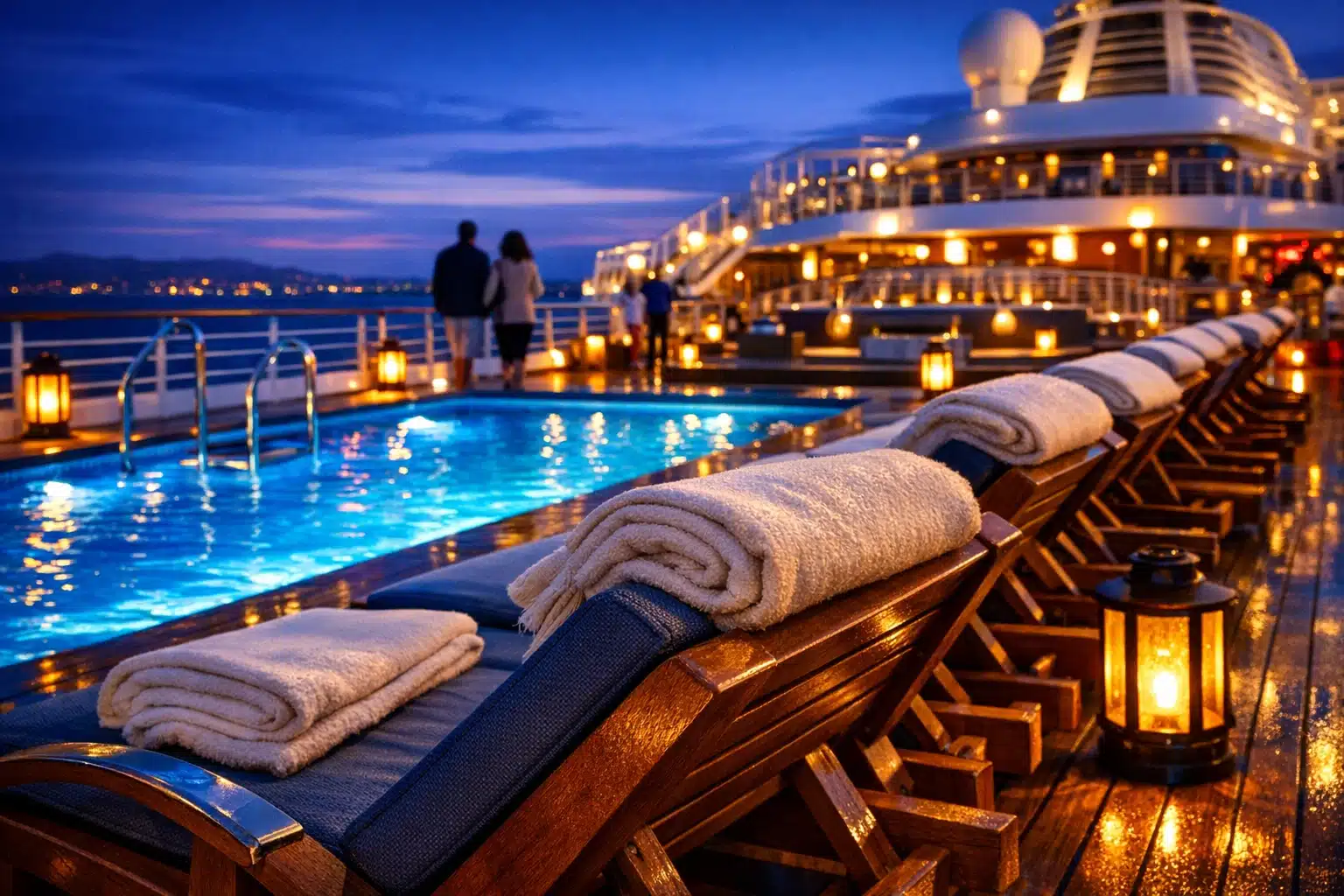
Once on board, do not try to do everything. A four-night cruise rewards selectiveness. Choose a few onboard experiences you genuinely want, whether that is afternoon tea, a show, a spa session, or time on deck at sailaway. Over-scheduling can make a short trip feel oddly busy. Leave some unclaimed space in the day. That is where the cruise atmosphere often becomes memorable: a quiet coffee near a panoramic window, the hum of the ship late at night, or the sight of a grey-blue horizon slowly brightening in the morning.
A practical checklist helps:
• Keep travel documents, medication, chargers, and one change of clothes in your hand luggage
• Download the cruise line’s app if it is used for dining, schedules, or port information
• Check whether gratuities are included before budgeting for onboard spending
• Review excursion meeting times carefully and set your watch or phone to ship time if required
• Pack a basic remedy for motion discomfort if you are unsure how you handle the sea
For travelers considering this kind of break, the biggest takeaway is simple: a four-night cruise from Edinburgh is not a rushed version of a longer holiday when approached well. It is its own style of trip, built around convenience, atmosphere, and compact discovery. If you want a manageable first cruise, a scenic escape without airport fatigue, or a neat pause in the middle of a busy year, it is a very sensible option. Plan the essentials, stay flexible with the weather, and let the sea do what it does best: create distance from routine faster than almost any other kind of travel.