3-Night Mini Cruise from Portsmouth to Rotterdam: Itinerary and Travel Tips
A 3-night mini cruise from Portsmouth to Rotterdam turns a short European break into something more memorable than a simple point-to-point journey. Instead of racing through an airport, you settle into the slower rhythm of the sea and arrive with a sense that the trip has already begun. That mix of convenience, novelty, and limited shore time makes planning especially important. Understanding the itinerary, the port logistics, and the onboard experience can help you squeeze far more value out of just a few nights away.
1. Overview and Article Outline: What Makes This Mini Cruise Worth Considering
A short cruise between southern England and the Netherlands occupies an interesting middle ground between a ferry crossing, a city break, and a traditional cruise. That is exactly why it attracts such a wide mix of travelers. Couples often like it because the trip feels self-contained and easy to organize. Friends enjoy the social atmosphere onboard. Solo travelers sometimes choose it as a low-pressure way to try cruising without booking a week at sea. Even experienced cruise passengers use mini itineraries as a simple reset when they want travel to feel special but do not want to spend too many days away from work or family life.
Before going further, one practical point matters: schedules, operators, and port arrangements can change by season, so it is important to treat any specific timing as typical rather than permanent. Some sailings operate as short-break packages rather than year-round daily services. In many cases, Rotterdam access is via Europoort, the large port area west of the city center, which means the final stretch into central Rotterdam usually requires a shuttle, coach transfer, taxi, or a combination of local transport. That detail shapes how you plan your shore time.
This kind of break is not usually about seeing everything. It is about enjoying the voyage itself while still getting a satisfying taste of Rotterdam. Compared with flying, it removes much of the airport routine and replaces it with cabins, sea views, restaurants, lounges, and a slower departure from daily life. Compared with a full cruise, it is cheaper in time, easier to fit into a normal week, and less demanding if you are simply testing whether life at sea suits you.
To make the article easy to follow, here is the outline it will cover:
• how a typical 3-night mini cruise is structured
• what each day usually looks like
• how to budget for cabins, meals, transport, and extras
• what to expect onboard, including comfort and packing advice
• how to use your limited time in Rotterdam without feeling rushed
In other words, this is a trip where planning improves pleasure. A smart traveler does not just book a cabin and hope for the best. They think about arrival windows, transfer times, what they want from the ship, and whether their shore plan matches the hours actually available. When the preparation is sensible, the experience can feel wonderfully cinematic: Portsmouth fading into evening behind you, the North Sea darkening into silver, and Rotterdam appearing the next day as a modern skyline reached by water rather than runway.
2. A Typical 3-Night Itinerary: From Embarkation in Portsmouth to Return
The exact timetable varies, but a common 3-night mini-cruise pattern follows a simple arc: embark in Portsmouth, sail overnight, spend part of the next day enjoying the ship before arriving in or near Rotterdam, then begin the return voyage and disembark back in England on the final morning. Because operators may adjust departure times, this section works best as a model itinerary rather than a fixed promise. Still, the rhythm is fairly predictable, and once you understand it, the whole trip becomes easier to picture.
Day 1: Embarkation in Portsmouth. Most travelers arrive at the port in the afternoon, allowing time for check-in, security, and boarding. If you are driving, parking arrangements should be booked in advance where possible. If you are arriving by train or coach, allow a buffer for delays because cruise and ferry check-in windows are not endlessly flexible. Once onboard, the first few hours are usually the most exciting. You find your cabin, explore public spaces, watch the port activity from the deck, and settle into the awareness that your trip has genuinely begun. Dinner on the first night often feels like the point where travel flips into holiday mode.
Day 2: Morning at sea, then Rotterdam access. This is where the mini-cruise earns its charm. Instead of losing a day to transfers, you wake up already in transit, with breakfast, open decks, lounges, and sea views available as part of the experience. Depending on the sailing, arrival into the Rotterdam area may be around midday or later. If the ship docks at Europoort, remember that central Rotterdam is not right beside the terminal. The journey into the city can take roughly 45 to 60 minutes, sometimes more depending on the transfer method. That makes pre-planning useful. A traveler who already knows whether they want architecture, museums, food halls, or a riverside walk will use the day much better than someone trying to decide on the spot.
Night 2 and Day 3: Return leg. Some mini cruises allow only a limited visit before passengers reboard and sail back the same evening, while others structure the timing differently. Either way, the return creates a different mood. The outward crossing feels anticipatory; the homeward one feels reflective. It is a good time to enjoy a slower dinner, revisit a lounge, or simply stand outside for a few minutes and let the wind rearrange your thoughts.
Day 4: Arrival back in Portsmouth. Disembarkation is usually efficient but early enough that you should have your onward plan ready. For many people, that final step is what makes mini cruises so attractive: by breakfast you are back in the UK, with the feeling of having left farther behind than the calendar suggests.
3. Booking Smart: Budget, Cabin Choices, Documents, and Timing
A mini cruise can look inexpensive at first glance, but the real cost depends on the details you add around the fare. That does not make it poor value; in fact, it can compare well with a short flight-and-hotel city break when you remember that your crossing, cabin, and some onboard entertainment are bundled together. The key is to understand where the price expands. Travelers who book thoughtfully often feel they got a stylish short holiday for a reasonable total. Travelers who leave everything until the last minute are more likely to overspend on extras they did not initially factor in.
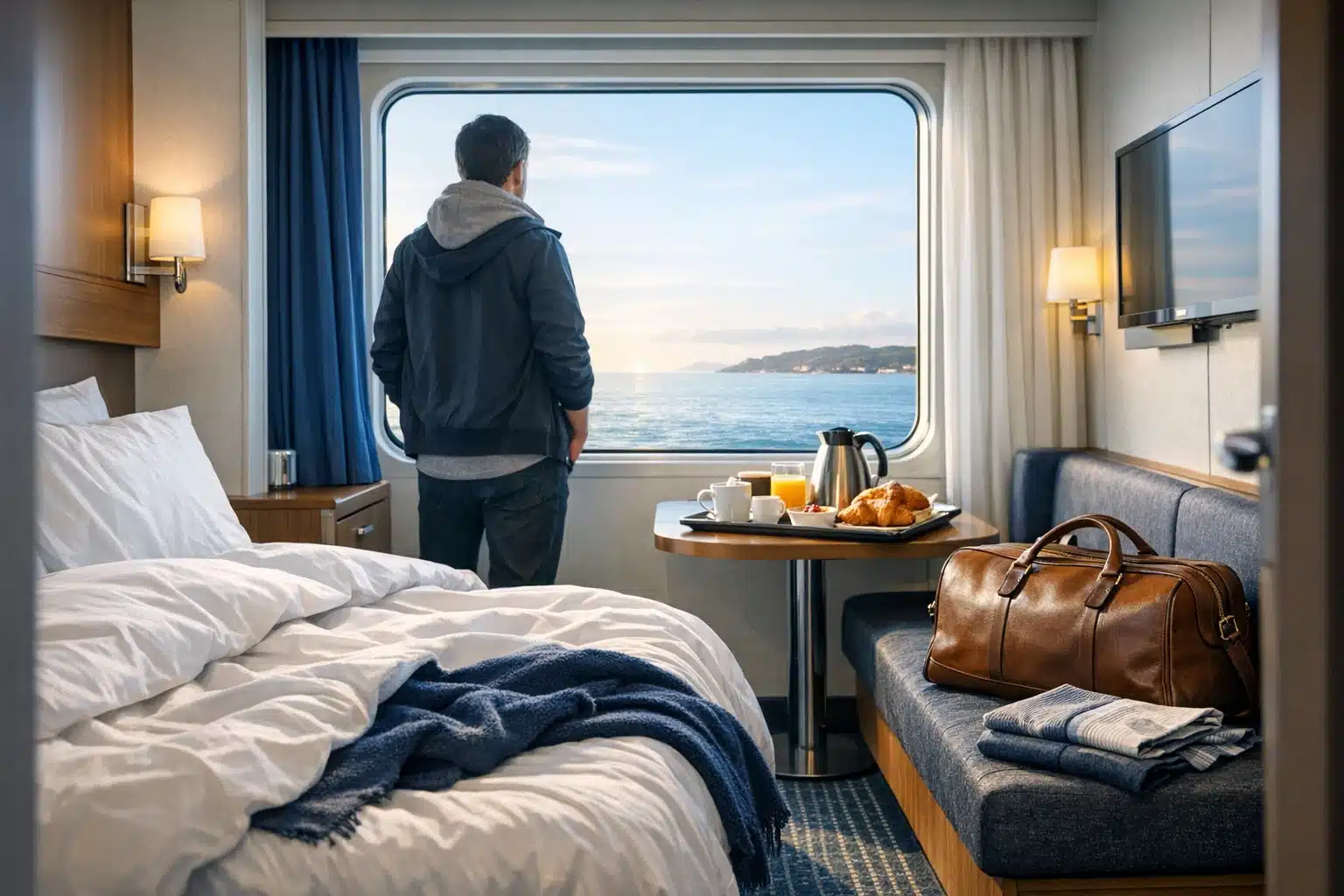
The biggest pricing variables are usually the travel date, cabin type, and whether meals or transport are included. Weekend departures, school holidays, and summer sailings tend to command stronger prices because demand is higher. Midweek sailings can sometimes feel like the sweet spot for value. Cabins matter too. An inside cabin is usually the most economical choice and suits travelers who treat the room mainly as a place to sleep. A sea-view cabin adds atmosphere, especially on a short break where the cabin itself forms part of the experience. If premium options are available, they may offer more space or quieter positioning, but the jump in price is only worthwhile if comfort is central to your trip.
Useful cost areas to consider include:
• cabin grade and any upgrade fees
• dinner, breakfast, or meal package additions
• parking at Portsmouth or transport to the port
• transfers from the Rotterdam-area terminal into the city
• onboard spending such as drinks, snacks, Wi-Fi, and shopping
• travel insurance and any exchange-rate costs
Documentation should never be left to the final week. Check the latest passport validity rules, visa requirements where relevant, and any border-control guidance that applies to your nationality. Because entry procedures can change, the safest approach is always to confirm official requirements shortly before travel. It is also sensible to keep digital and printed copies of your booking, identification details, and emergency contacts.
Timing matters nearly as much as budget. Arrive in Portsmouth with a margin for delays rather than aiming for the last possible check-in moment. If your sailing reaches Europoort, decide ahead of time how you will get into Rotterdam. A pre-booked transfer reduces friction, while local public transport can be more economical if you are comfortable navigating connections. The wider point is simple: a short trip rewards clarity. When the basics are prearranged, the experience feels smooth. When they are not, a three-night break can suddenly feel much shorter than you expected.
4. Life Onboard: Dining, Entertainment, Packing, and Comfort Tips
One of the most common mistakes first-time mini-cruise passengers make is thinking of the ship as merely a way to reach Rotterdam. In reality, onboard life is half the experience. Even on a short sailing, the vessel creates its own atmosphere, with restaurants, bars, observation areas, lounges, and quiet corners that can shape the whole mood of the trip. If you approach the crossing as dead time, you miss much of what makes this style of travel enjoyable. If you treat it as part of the holiday, the journey gains texture and pace.
The onboard routine usually begins to settle after departure. You unpack the essentials, freshen up, and decide whether the evening calls for a relaxed meal, a drink with a sea view, or a wander around the decks. Some travelers like the sociable energy of the public spaces. Others prefer the small drama of the open air: gulls disappearing behind the ship, the shoreline fading, the water gradually taking over the whole frame. There is a particular pleasure in that transition. It feels as though ordinary time has been left on the dock.
Dining options vary, but short cruises often include a mix of casual and more formal choices. Booking popular dinner slots in advance can be a smart move, especially on busy departures. If breakfast is not included automatically, compare the cost of adding it before travel versus paying onboard. Wi-Fi may also be limited or priced separately, and connection quality at sea is not always comparable to land-based service. That is worth remembering if you plan to work remotely or stream heavily.
Packing for a mini cruise should be practical rather than excessive. A useful list often includes:
• passport and booking documents
• a small overnight bag that is easy to handle
• layers, because sea winds can make decks chilly even in mild weather
• comfortable shoes for both the ship and a walking day in Rotterdam
• motion-sickness remedies if you are sensitive to rough water
• a power adapter suitable for European sockets if needed during your trip
The North Sea can be calm, but it can also be lively, especially outside the warmest months. If you are concerned about motion, choose a midship cabin on a lower deck if available, eat lightly before departure, and spend some time looking at the horizon if you start to feel unsettled. None of this is dramatic, but it can make the difference between merely enduring the crossing and genuinely enjoying it. Comfort on a short voyage is cumulative: good shoes, a realistic packing list, a sensible dinner booking, and a willingness to slow down all help turn a simple transit into a small, memorable adventure.
5. Making the Most of Rotterdam and Final Thoughts for Short-Break Travelers
Rotterdam rewards travelers who arrive with a plan. Unlike some compact historic cities where wandering aimlessly works from the first minute, Rotterdam is broader in feel and more modern in personality. Its appeal lies in architecture, waterfront spaces, design-minded public areas, food culture, and a sense of reinvention. Because much of the city was rebuilt after the Second World War, it looks and feels different from Amsterdam, Utrecht, or Delft. That contrast can be refreshing, especially for visitors who want something contemporary rather than postcard-traditional.
If your docking point is Europoort, remember that your real city visit begins only after the transfer. That is why trying to do too much can backfire. A focused plan usually works best. For a first visit, many travelers gravitate toward a central route that connects Rotterdam Centraal, the Cube Houses, Markthal, the Old Harbour area, and a walk or tram ride toward the Erasmus Bridge. This gives you a solid mix of skyline views, striking architecture, and easy food options. Markthal is especially practical on a short stop because it combines sightseeing with lunch in one location.
Other worthwhile options depend on your interests:
• architecture fans may want the Depot Boijmans Van Beuningen exterior, the city’s modern towers, and a water-taxi ride for a wider perspective
• food-focused visitors can build the day around Markthal, local bakeries, and riverside cafés
• travelers who prefer open views may choose the Euromast area or a harbor cruise if timing allows
• shoppers might head for the central retail district, though this is rarely the best use of very limited shore time unless shopping is the main goal
Public transport in Rotterdam is generally efficient, but on a short visit, simplicity beats over-optimization. It is often better to see three places well than chase seven and remember none properly. Leave room for small discoveries: a striking building reflected in canal water, a coffee stop near the river, a few unhurried minutes watching cyclists stream through the city as if lateness were a myth. Those are the moments that give a mini cruise its charm. The trip may be brief, yet it can still feel complete.
Conclusion for short-break travelers: This type of cruise suits people who value the journey as much as the destination. If you want a long cultural deep dive, Rotterdam deserves more than a day and a longer stay may fit better. If, however, you want a compact escape with sea travel, changing scenery, and just enough time in a dynamic Dutch city to feel refreshed, a 3-night mini cruise can be an excellent choice. It works particularly well for first-time cruisers, couples looking for an easy getaway, and busy travelers who want a real break without using a full week of leave. Plan the port logistics, stay realistic about shore time, and let the crossing be part of the pleasure. Do that, and the trip becomes more than a quick hop abroad; it becomes a neatly folded travel story with a satisfying beginning, middle, and end.