3-Night Mini Cruise from London to Hamburg: Itinerary and Travel Tips
Few short breaks feel as satisfying as leaving the London area by ship and waking up on the route to one of northern Europe’s great port cities. A 3-night mini cruise to Hamburg matters because it offers a compact taste of cruising, a practical one-way travel option, and a calmer alternative to crowded airport routines. For first-time passengers, it is also an easy way to test cabin life, dining, and sea days without committing to a week or more. The guide below maps the itinerary, the costs, the timing, and the small decisions that make the trip smoother.
Article outline:
- What this mini cruise usually includes, and what “from London” normally means in practice
- A day-by-day look at embarkation, sea time, and the scenic arrival into Hamburg
- Booking advice covering cabins, budgeting, travel documents, and packing
- What life on board feels like, with comparisons to flights, ferries, and city breaks
- Arrival tips for Hamburg, plus a conclusion on who will enjoy this short voyage most
1. Understanding the Route: What a 3-Night Mini Cruise Really Includes
A 3-night mini cruise from London to Hamburg sounds simple, but the first useful detail is that “London” usually refers to a departure from the wider London area rather than a central-city terminal. In many cases, the ship sails from Tilbury, which sits on the Thames Estuary roughly 25 miles east of central London. Some operators may market sailings to London-based travelers while using another southern port, so the first booking rule is to confirm the exact terminal before you buy train tickets or reserve a hotel.
In travel terms, this kind of voyage is compact but not rushed. You normally board on day one, spend at least one full day at sea, arrive in Hamburg on day three or four depending on the schedule, and disembark after your third night on board. That format makes the trip attractive for several groups: travelers who are curious about cruising, couples seeking a short break, solo passengers who prefer a structured environment, and people who want a practical one-way route into northern Germany.
Its appeal also lies in contrast. A flight from London to Hamburg is faster in the air, of course, but flying often comes with early airport arrivals, security queues, baggage rules, and a fairly abrupt experience of distance. A mini cruise replaces that with a slower rhythm. The ship becomes hotel, restaurant, lounge, and transport all at once. Instead of watching departure boards, you might be watching the river widen behind you as the city thins into docks and open water.
Still, this type of sailing works best when expectations are realistic. It is not a deep-dive cruise with multiple ports and long destination stays. It is a short, curated sample. You get:
- a cabin for three nights
- meals in included dining venues
- access to bars, lounges, and entertainment
- sea views and a scenic maritime arrival
You may not get everything bundled into the fare. Drinks packages, specialty dining, Wi-Fi, gratuities, shore excursions, and port transfers are often charged separately. That matters because short cruises can look inexpensive at first glance, yet the final total changes once add-ons appear. In that sense, the mini cruise is best understood as a flexible short holiday: long enough to feel like a real change of scene, short enough to fit into a long weekend or a few days away from work.
2. Typical Itinerary: Day-by-Day from Departure to Hamburg Arrival
The most helpful way to picture this journey is as a four-day sequence wrapped around three nights on board. Exact timings vary by cruise line, season, tides, and port traffic, but the structure is usually similar enough that you can plan with confidence.
Day 1: Embarkation in the London area. You arrive at the terminal, check in, drop luggage, pass security, and board in the afternoon. Cabins may not be ready immediately, so many travelers head first to a buffet, observation lounge, or open deck. There is a practical excitement to this stage: safety announcements, departure drinks, maps on your phone suddenly becoming less important. As the ship leaves the Thames, you begin with working river scenery rather than instant open-sea drama. It is industrial, functional, and oddly compelling, especially if you enjoy ports and maritime landscapes.
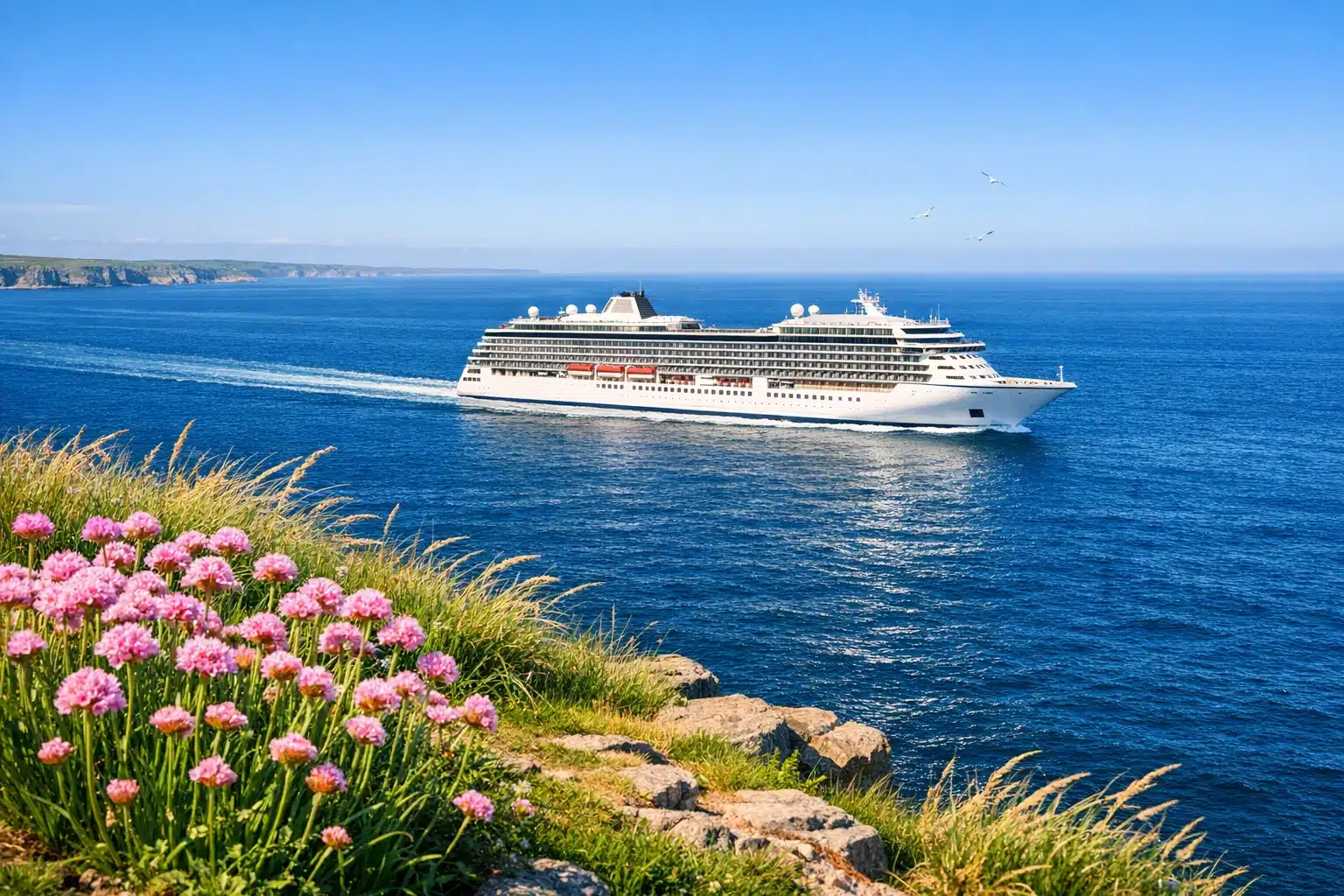
Day 2: Full sea day in the North Sea. This is when the mini cruise either wins you over or confirms that you prefer land. A sea day gives you time to settle into the ship’s rhythm. Breakfast stretches longer, coffee tastes slower, and the schedule opens up. Depending on the vessel, you may find quizzes, live music, spa treatments, talks, shopping, afternoon tea, or simply a padded chair facing grey-blue water. On a short voyage, this day matters because it is your only complete chance to enjoy the ship itself.
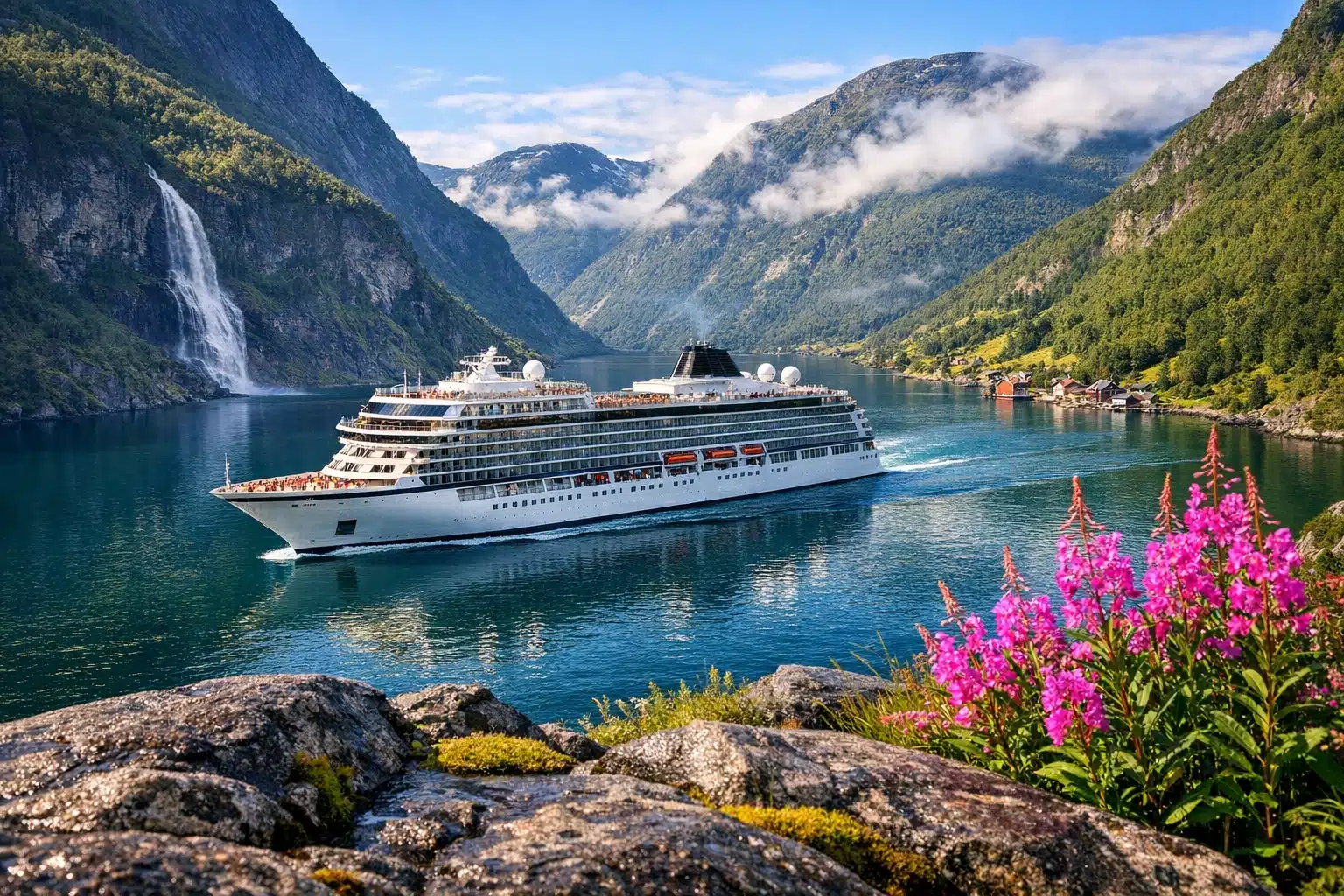
Day 3: Approach to Germany and transit toward Hamburg. Hamburg is special because it is not just a port on the edge of the sea. The city lies inland, connected by the River Elbe, which means arrival can feel theatrical. The shift from open water to river traffic, banks, docks, cranes, villages, and container terminals creates a sense of movement through a working landscape. Hamburg sits roughly 100 kilometers from the North Sea, so the final approach takes time and gives you something many ports do not: a gradual entrance.
Day 4: Disembarkation. Most passengers leave the ship in the morning. If you are continuing a wider European trip, Hamburg is an easy onward hub with rail links, an airport, local ferries, and a walkable central core in many areas. A typical timeline looks like this:
- Afternoon boarding and departure
- One full day at sea
- Scenic arrival window into Hamburg
- Morning disembarkation or short final stay, depending on the operator
Think of the voyage as a moving threshold between two cities. It is less about racing toward Hamburg and more about letting the destination emerge, hour by hour, from water, weather, and steel.
3. Booking Smart: Cabins, Budget, Documents, and Packing Tips
Short cruises reward careful planning because the trip is brief enough that every decision has a visible effect on comfort. Start with the cabin. On a three-night sailing, an inside cabin can be perfectly reasonable if your priority is price and you expect to spend most of your time in lounges or on deck. An ocean-view cabin gives natural light, which many people appreciate on northern routes where weather can shape the mood of the trip. A balcony is usually a premium choice, but on a Hamburg itinerary it can make sense if you value privacy during departure and especially during the scenic river approach.
Budgeting deserves more attention than many first-time cruisers expect. Base fares often cover accommodation, standard dining, and core entertainment, but several extras may increase the total. Common add-ons include:
- drinks beyond basic tea, coffee, and water options
- specialty restaurants
- gratuities or service charges
- Wi-Fi packages
- port parking, rail tickets, or transfers
- travel insurance
A useful rule is to compare the full trip cost, not just the headline fare. Per night, a mini cruise can sometimes cost more than a longer sailing because fixed operating costs are spread across fewer days. On the other hand, the total outlay may still be attractive for a short break, especially compared with a city hotel, meals out, and last-minute flights.
Documents are another area where small mistakes create large problems. For UK travelers, passport requirements and entry conditions depend on nationality, residency status, and current border rules, so check both the cruise line guidance and official government advice before departure. Do not assume a short cruise means relaxed paperwork. Cruise operators are usually strict about check-in deadlines and identification.
Getting to the port also deserves a plan B. If you are sailing from Tilbury, rail connections from London are possible, but many travelers also use taxis, private transfers, or overnight stays near the terminal for peace of mind. Arriving the same morning is possible, yet any delay feels bigger when the ship will not wait.
Packing should reflect the route rather than a fantasy of endless summer. Even outside winter, the North Sea can feel cool, breezy, and damp. Bring layers, a waterproof outer shell, comfortable shoes, and at least one smarter outfit if your ship has a more formal evening atmosphere. A few practical extras go a long way:
- motion sickness remedies if you are unsure how you handle swell
- a power bank for embarkation day and shore transit
- a small day bag for essentials before luggage is delivered
- binoculars if you enjoy coastal scenery or ship traffic
Book early if you want specific cabin locations, but watch late offers too. Short sailings sometimes appear in promotions, especially outside peak holiday periods.
4. Life On Board: Dining, Entertainment, and How This Trip Compares with Other Getaways
One reason mini cruises remain popular is that they compress several travel pleasures into a single booking. You unpack once, your room moves with you, meals are easy to find, and the view changes without any effort from the passenger. On a three-night route, the ship is not just transport; it is the substance of the holiday. That means your enjoyment depends partly on whether you like the enclosed but convenient world that cruise lines create.
Dining is usually one of the strongest points. Even on shorter sailings, you can expect a mix of casual and more structured options, such as buffets, main dining rooms, cafés, bars, and possibly specialty venues. Breakfast tends to be leisurely, lunch flexible, and dinner one of the day’s social anchors. If you enjoy trying several courses without searching for restaurants in a new city, cruising feels wonderfully efficient. If you prefer independent food exploration, the ship experience may feel more contained.
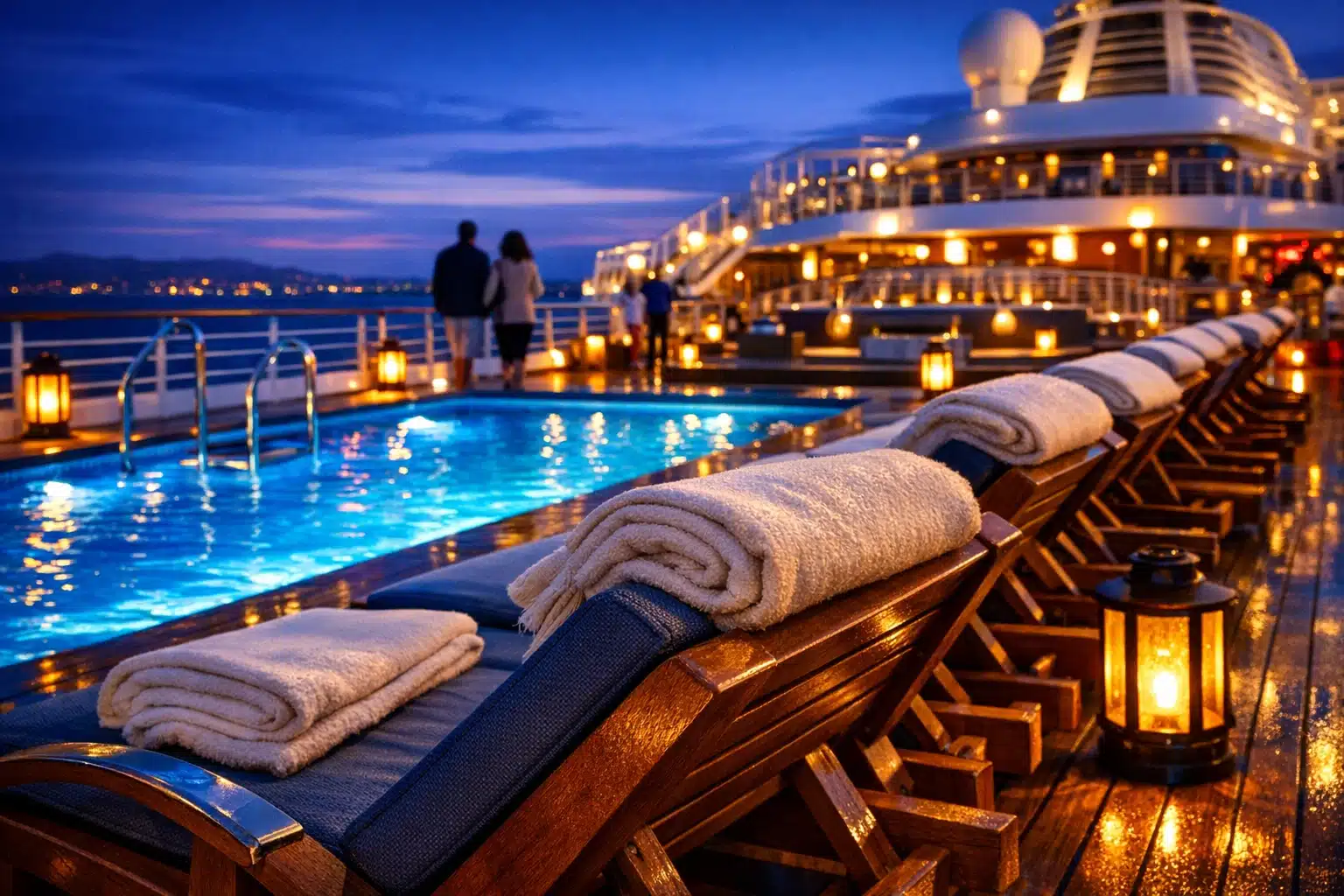
Entertainment on mini cruises varies by line and ship size, but the general pattern includes live music, quizzes, theatre-style shows, cinema screenings, dancing, comedy, or themed evenings. Short sailings often have a lively energy because many passengers treat them as a quick break rather than a once-a-year grand holiday. At the same time, do not expect the full spread of a two-week cruise program. The schedule may be slightly condensed, and some specialty experiences might not be available on every voyage.
Compared with other ways to reach Hamburg, the mini cruise has clear strengths and trade-offs:
- Compared with flying: slower but calmer, with more atmosphere and less airport stress
- Compared with ferries: usually more comfort, more amenities, and a more holiday-like feel
- Compared with a city break by rail and hotel: simpler logistics, though less flexibility once on board
- Compared with a longer cruise: cheaper in total and easier to fit into a schedule, but less immersive
Sea conditions are the main wildcard. The North Sea can be smooth, but it can also be lively, particularly in cooler months. Modern ships are built to handle this well, yet passengers who are sensitive to motion should choose midship cabins on lower or middle decks when possible and pack suitable medication.
The emotional draw of the trip is harder to measure but worth noting. There is something pleasingly old-fashioned about progress by water. You are not merely transported; you transition. That sense of gradual arrival is exactly what many rushed travelers miss in modern transport.
5. Hamburg Arrival, Shore Practicalities, and Final Advice for First-Time Mini-Cruisers
Arriving in Hamburg is one of the most rewarding parts of this itinerary because the destination feels genuinely connected to its maritime setting. Depending on the cruise line and ship size, you may dock at terminals such as Steinwerder, Altona, or HafenCity. Each has different transport links, so it is wise to check your berth before arrival rather than assuming you can walk straight into the center. Hamburg’s public transport network is strong, but a terminal transfer, taxi, or rideshare may still save time if you are carrying luggage.
If you have a few hours before onward travel, Hamburg gives you plenty to work with. The city is known for combining commercial port energy with handsome architecture and excellent museums. Strong options for a short visit include:
- the Speicherstadt warehouse district for red-brick canal scenery
- the Elbphilharmonie plaza for wide harbor views
- Landungsbrücken for ferries, river atmosphere, and classic port imagery
- Miniatur Wunderland if you enjoy detailed model worlds and one-of-a-kind attractions
- the old tunnel under the Elbe for a slightly unexpected slice of local history
Food is another easy win if your schedule allows. A fish sandwich near the waterfront, a bakery stop, or a sit-down lunch in the center can help mark the shift from shipboard routine to city exploration. If you are continuing by rail, Hamburg Hauptbahnhof is a major hub with connections across Germany and beyond. If you are flying onward, allow enough time for terminal transfer and airport procedures; the cruise may feel relaxed, but the next leg still requires ordinary travel discipline.
So who is this trip really for? It suits travelers who value the journey as much as the destination, want a low-commitment introduction to cruising, or need a short break that feels more distinctive than a standard weekend away. It works especially well for:
- first-time cruisers testing whether ship life suits them
- couples looking for a compact, easy-to-plan escape
- solo travelers who like a structured environment
- transport enthusiasts drawn to ports, ships, and river arrivals
It may be less ideal for travelers who want long city stays, complete flexibility, or the fastest possible route to Germany. But for the right passenger, a 3-night mini cruise from London to Hamburg hits a sweet spot. It offers movement without hurry, comfort without overcomplication, and just enough sea time to feel like a proper voyage. If your ideal short trip includes a cabin key, a changing horizon, and the quiet thrill of seeing Hamburg emerge from the Elbe, this route is more than a transfer; it is the holiday itself.