3 Night Mini Cruise From Dover to Hamburg: Itinerary and Travel Tips
A 3 night mini cruise from Dover to Hamburg packs a surprising amount into a short break, blending the ease of shipboard travel with the appeal of arriving in one of Germany’s great port cities. It suits travelers who want a taste of cruising without committing to a longer voyage, and it also works well as a compact city escape with transport, meals, and accommodation combined. From boarding routines to shore time, a little planning turns a brief crossing into a trip that feels calm, efficient, and memorable.
Outline
• What a typical 3 night itinerary looks like from embarkation in Dover to arrival in Hamburg
• How to prepare before departure, including documents, packing, transport to the port, and budgeting
• What to expect on board in terms of dining, entertainment, cabin comfort, and sea conditions
• How to use your time well after arrival in Hamburg, whether you disembark immediately or stay for extra sightseeing
• Who this kind of trip suits best, how it compares with other short breaks, and the practical tips that improve the overall value
Typical Itinerary: What Happens on a 3 Night Sailing From Dover to Hamburg
A mini cruise on this route is short, but it follows a clear travel rhythm that helps first-time passengers settle in quickly. In most cases, day one begins in Dover with afternoon embarkation. After check-in, luggage drop, and security, you board the ship, find your cabin, and have a few hours to explore before departure. This is the moment when the trip stops being a booking confirmation and starts feeling real: the white cliffs fade behind you, the decks open to wind and sea air, and the ship shifts from terminal to moving hotel. Exact sailing times vary by cruise line and season, so travelers should always treat the published schedule as the final authority.
Day two is usually a full sea day. That can sound uneventful to people who are used to destination-heavy holidays, yet it is often the part passengers remember most. A short voyage gives you permission to slow down without the pressure of fitting in multiple ports. Breakfast stretches longer, coffee tastes better when there is no station platform to rush toward, and even a simple walk around the promenade deck can feel like part of the attraction. For travelers trying cruising for the first time, this day serves as a practical introduction to shipboard life: where the restaurants are, which lounges feel comfortable, how the entertainment schedule works, and whether you prefer a busy atmosphere or a quiet corner with a sea view.
Day three is commonly another day on board, though some itineraries include scenic sailing or arrival preparations as the ship heads toward the River Elbe and the Port of Hamburg. Depending on timing, this can be one of the most visually appealing parts of the trip. Approaching one of Europe’s busiest ports adds a different mood from the open water of the North Sea. Industrial landscapes, container terminals, river traffic, and the gradual transition into a major city create a sense of arrival that a flight simply cannot match.
Day four is disembarkation in Hamburg. That usually means an early breakfast, final account checks if needed, and leaving the ship in assigned groups or time slots. A practical way to think about the route is this:
• Day 1: Travel to Dover, check in, board, depart
• Day 2: Full day at sea
• Day 3: Continued sailing and arrival preparations
• Day 4: Morning arrival and disembarkation in Hamburg
The simplicity of the schedule is one of the route’s strengths. There is enough time to enjoy the ship, but not so much that the journey feels repetitive. It works particularly well for couples, solo travelers, and busy professionals who want a break that begins quickly and ends before it turns into a full-scale logistical project.
Before You Board: Documents, Packing, Dover Logistics, and Budget Planning
Because the trip is short, preparation matters even more than on a longer cruise. Small mistakes, such as arriving late at the terminal or packing for the wrong weather, can take up a large share of a three-night journey. Start with documentation. Passengers should check passport validity rules well in advance and confirm any visa or Schengen entry requirements that apply to their nationality. Travel insurance is also worth considering, even for a brief sailing, because it can help with delays, missed departures, medical issues, or lost baggage. If the cruise line requires online check-in before departure, complete it early rather than leaving it for the morning of travel.
Getting to Dover deserves its own planning window. If you are traveling from London, train services and road connections make the port accessible, but same-day travel always carries some risk. Rail disruption, traffic on the M20, or simple parking delays can create unnecessary stress. Many experienced passengers prefer to arrive in Dover the night before, especially for an afternoon embarkation. A nearby hotel stay adds cost, yet it often buys peace of mind and a much easier start. If you do travel on the same day, build in extra time rather than aiming for the latest possible arrival.
Packing should reflect the realities of the North Sea and of city arrival in northern Germany. Even when forecasts look mild, decks can be windy and noticeably colder than inland temperatures suggest. Useful items include:
• A light waterproof jacket or windproof outer layer
• Comfortable walking shoes for both the ship and Hamburg
• A day bag for documents, chargers, medication, and valuables
• A plug adapter if your cabin requires it and your devices use different sockets
• Layers rather than bulky clothing, since temperatures can shift quickly
Budgeting is another area where short cruises can be misleading. The fare may include your cabin, standard dining, and entertainment, but extras can add up. Drinks packages, specialty restaurants, Wi-Fi, gratuities where applicable, spa treatments, and port transfers may not be included. For a two-person trip, onboard extras can easily change the final cost by a meaningful margin if you book impulsively. A sensible approach is to decide before departure where you want to spend: perhaps one special dinner, one paid excursion, and otherwise a focus on the included features.
Finally, think about your arrival plan in Hamburg before you leave home. Are you disembarking and flying back, taking the train onward, or extending the trip with a hotel stay? Knowing that in advance helps you pack smarter, choose luggage size more carefully, and step off the ship with a plan rather than a shrug.
Life On Board: Dining, Entertainment, Cabins, and How to Enjoy the Sea Days
The onboard experience is what turns this route from simple transport into a holiday. On a three-night cruise, you do not have time to try absolutely everything, which is why it helps to understand the ship’s daily rhythm early. Once you board, check the app or printed schedule for meal times, show reservations if required, and any embarkation-day events. That first hour can shape the rest of the trip. Travelers who spend it orienting themselves often feel far more relaxed by dinner than those who stay in the cabin waiting for the voyage to begin.
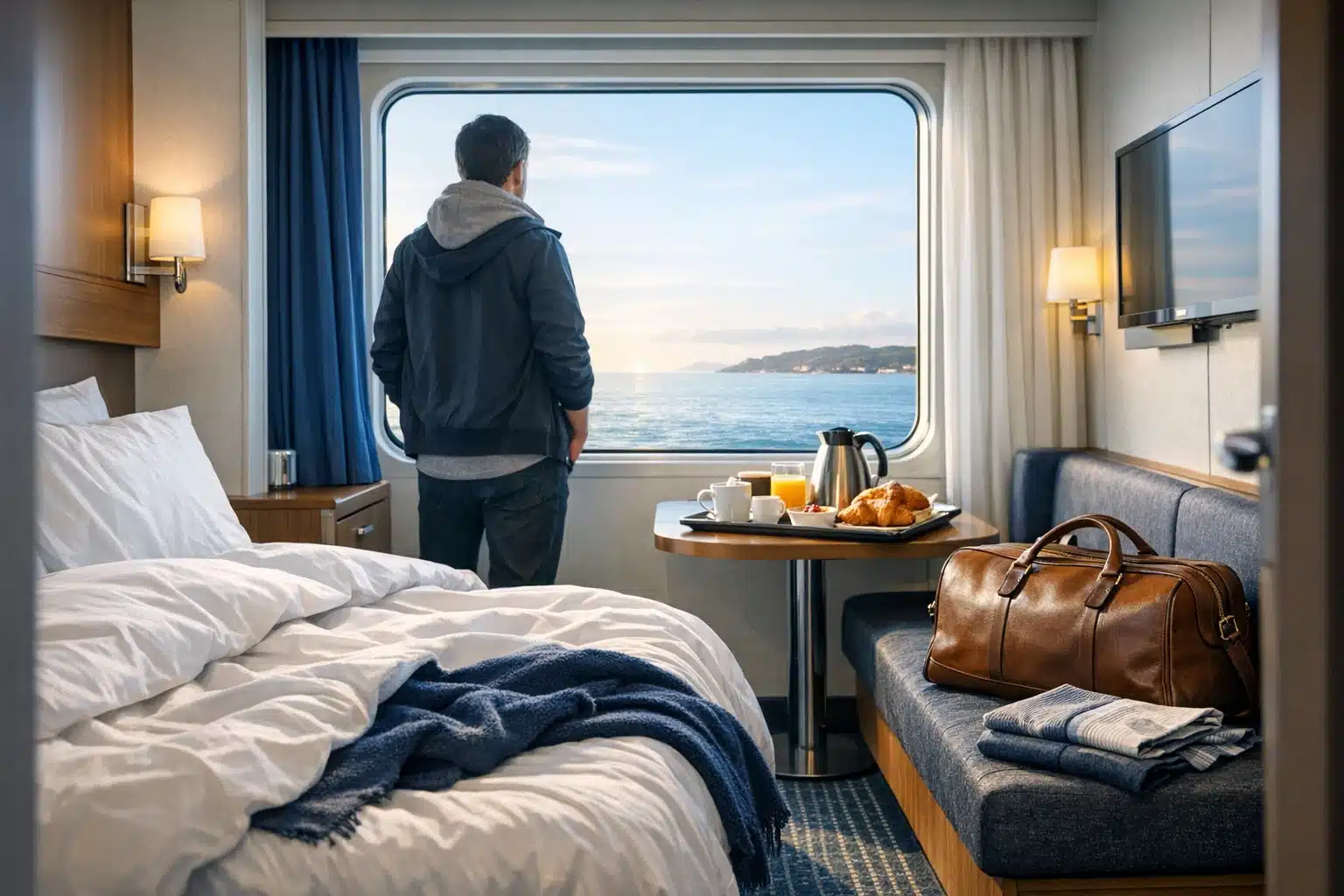
Cabins on mini cruises vary from inside rooms to ocean-view and balcony categories. For a short sailing, an inside cabin can offer strong value if you mainly plan to use the room for sleeping and showering. An ocean-view cabin provides natural light, which many passengers appreciate on sea days, while a balcony can feel luxurious when the weather cooperates. The practical difference is not only visual but emotional: a private outdoor space gives you a quiet retreat when public decks are busy. Still, on a brief trip, budget-conscious travelers may prefer to spend the difference on a better Hamburg transfer or an extra night in the city.
Dining is usually a central part of the experience. Most ships offer a main dining room, buffet options, bars, and possibly specialty venues. The included dining package often provides more than enough for a three-night break. Breakfast and lunch can be as casual or structured as you want, and dinner tends to anchor the evening. If there is one paid upgrade worth considering, it is often a single specialty meal rather than a full package. That gives you variety without overspending. Drinks work the same way: a package may be worthwhile for some travelers, but for many people on such a short trip, paying as you go is more sensible.
Entertainment matters more than newcomers expect. A sea day has a different rhythm from a city break, and the ship fills that space with quizzes, live music, theater shows, lectures, cinema screenings, or wellness activities. Some passengers want a lively atmosphere; others want a slow one. Both are possible if you choose deliberately. A useful strategy is to build your own loose pattern:
• Morning: breakfast, deck walk, reading, coffee
• Afternoon: lunch, one activity, rest, perhaps spa or gym
• Evening: dinner, show or live music, then a drink or early night
Sea conditions are worth mentioning honestly. The North Sea can be calm, but it can also feel rough, especially in cooler months or during changeable weather. If you are prone to motion sickness, bring remedies and take them early rather than waiting until symptoms appear. A short cruise is still very enjoyable for many first-time passengers, but comfort improves when expectations are realistic. Think of the sea as part of the trip’s character, not as a flaw in the plan.
Arriving in Hamburg: Port Practicalities, Short-Stay Sightseeing, and Smart Shore Plans
Hamburg is an excellent arrival city for a mini cruise because it rewards even limited time. It is large, visually distinctive, and practical to navigate if you prepare a little in advance. Cruise ships may use different terminals, including locations such as Steinwerder, Altona, or HafenCity, and that matters because transfer times into the center are not identical. Before departure, check your terminal and identify the fastest route to your next destination. Some cruise lines offer transfers, while independent travelers may use shuttle buses, taxis, or public transport depending on the terminal and luggage situation.
If you are heading straight home, treat disembarkation like a timed connection rather than a casual farewell. Breakfast service, queue times, passport checks where relevant, and baggage collection all take time. Build a buffer before booking trains or flights. A rushed same-morning connection can erase the calm feeling the voyage created. As a rule, later onward travel is safer and usually more pleasant.
For travelers with several hours or an overnight stay, Hamburg offers strong returns without needing a complicated plan. The city combines maritime history, modern redevelopment, classic architecture, and a creative edge that feels lived-in rather than staged. Good short-stay options include:
• Speicherstadt, the historic warehouse district, for canals, brick architecture, and atmospheric walks
• Elbphilharmonie Plaza for city and harbor views, especially if you want a single memorable viewpoint
• The Inner Alster area for a gentler city-center stroll with cafes and shopping nearby
• A harbor boat tour if your schedule allows and you want to stay close to the city’s maritime identity
• Miniatur Wunderland for a highly popular indoor attraction that works well in poor weather
The best choice depends on your available time. With only three to four hours, keep it simple: transfer to the center, see one major area well, enjoy lunch, and leave without rushing. With a full day, you can combine Speicherstadt, the waterfront, and an evening meal in a district that suits your style. Public transport is generally efficient, but carrying large luggage through stations is not always ideal, so baggage storage or a hotel drop can save energy.
What makes Hamburg especially fitting for this route is continuity. You leave a historic English port and arrive in a German city shaped by trade, shipping, and river access. The journey feels coherent from start to finish. The ship is not merely a way to reach the destination; it frames the destination. By the time you step ashore, the city makes sense in a way it would not after a quick flight and an airport transfer.
Final Advice: Who This Mini Cruise Suits, How It Compares With Other Breaks, and Key Tips for a Better Trip
This type of short cruise works best for travelers who value ease, atmosphere, and variety more than maximum time ashore. If your ideal break involves unpacking once, watching the sea, having meals sorted, and arriving somewhere new without airport stress, it is an appealing option. If your priority is squeezing the greatest number of hours into a city destination, a direct flight and hotel may be more efficient. That comparison matters because the route is not trying to do the same job as a low-cost air ticket. It offers a different kind of value: slower, more scenic, and often more relaxing.
For first-time cruisers, this sailing is a useful test case. Three nights are enough to understand whether you enjoy the cadence of ship travel without committing to a week or more. You can learn how you feel about cabins, dining routines, entertainment schedules, and sea conditions with limited risk. For experienced cruise passengers, the route can serve as a convenient short escape or a stylish way to begin a longer European trip. It also suits couples looking for a compact getaway and solo travelers who appreciate a structured environment with easy logistics.
To get the best value, focus on the basics that shape the experience most:
• Arrive in Dover with more time than you think you need
• Pack layers and prepare for wind, not just temperature
• Decide your onboard spending limits before departure
• Check your Hamburg terminal and onward transport early
• Treat shore time realistically instead of trying to do too much
• Leave room for the simple pleasures of the trip, because they are often the highlight
There is also a psychological advantage to a journey like this. A short cruise creates a clean break from routine. You are not half at home and half away. Once the ship departs, normal errands, commutes, and background noise fall behind in a very physical way. Even a brief voyage can reset your pace. The movement of the ship, the repetition of meals and sea views, and the anticipation of arrival give the trip a narrative arc that many short holidays lack.
For travelers considering this route, the main takeaway is straightforward: plan the practical details carefully, then let the voyage do what it does best. A three-night crossing from Dover to Hamburg is not about racing through a checklist. It is for people who want a compact, well-contained escape with both motion and destination. Handled well, it offers a small but satisfying dose of maritime travel, urban discovery, and that rare feeling of genuinely going somewhere rather than merely getting there.