3-Night Mini Cruise From Dover to Dublin: Itinerary and Travel Tips
Short cruises appeal to travelers who want the atmosphere of a larger voyage without using up a full week of annual leave, and a 3-night sailing from Dover to Dublin fits that idea neatly. You get the ritual of embarkation, a taste of life at sea, and the reward of reaching Ireland by water rather than by air. It is especially relevant for couples, friends, and solo travelers who like city breaks with a slower rhythm. Because these sailings are less common than standard ferry routes, understanding the itinerary, port logistics, and onboard routine makes the whole trip much easier to enjoy.
Article Outline
- What a 3-night mini cruise from Dover to Dublin usually involves
- A realistic day-by-day itinerary from embarkation to arrival
- Cabins, dining, budgeting, and the onboard experience
- How to make the most of your time when you reach Dublin
- Practical travel tips, packing advice, and final planning guidance
1. Understanding the Route: What This Mini Cruise Really Offers
A 3-night mini cruise from Dover to Dublin sounds wonderfully simple, but it helps to understand what kind of trip you are actually booking. In most cases, this is not a frequent transport ferry in the same way that cross-Channel routes operate. Instead, it is usually a short cruise itinerary run by an ocean cruise line, a seasonal special sailing, or a repositioning-style voyage that begins in Dover and ends in Dublin or includes Dublin as the headline stop. That distinction matters, because the onboard experience, booking rules, cabin options, and port procedures are closer to a cruise holiday than to a basic point-to-point crossing.
For many travelers, that is exactly the appeal. Flying from London to Dublin is certainly faster in the air, often taking just over an hour, but the total travel day can stretch once you add security lines, airport transfers, baggage rules, and waiting time. A mini cruise replaces that hurried pattern with something more ceremonial. You check in, step aboard, unpack once, and let the journey unfold. The White Cliffs fade behind you, the decks grow quieter after departure, and the mood shifts from transport to travel. It is a small change in method, but it produces a very different kind of break.
This route tends to suit travelers who value experience as much as efficiency. It works particularly well for:
- First-time cruisers who want a low-commitment trial
- Couples planning a short romantic escape
- Friends looking for a city break with an extra layer of novelty
- Solo travelers who enjoy structured travel without a complicated schedule
- Cruise enthusiasts collecting unusual departure and arrival ports
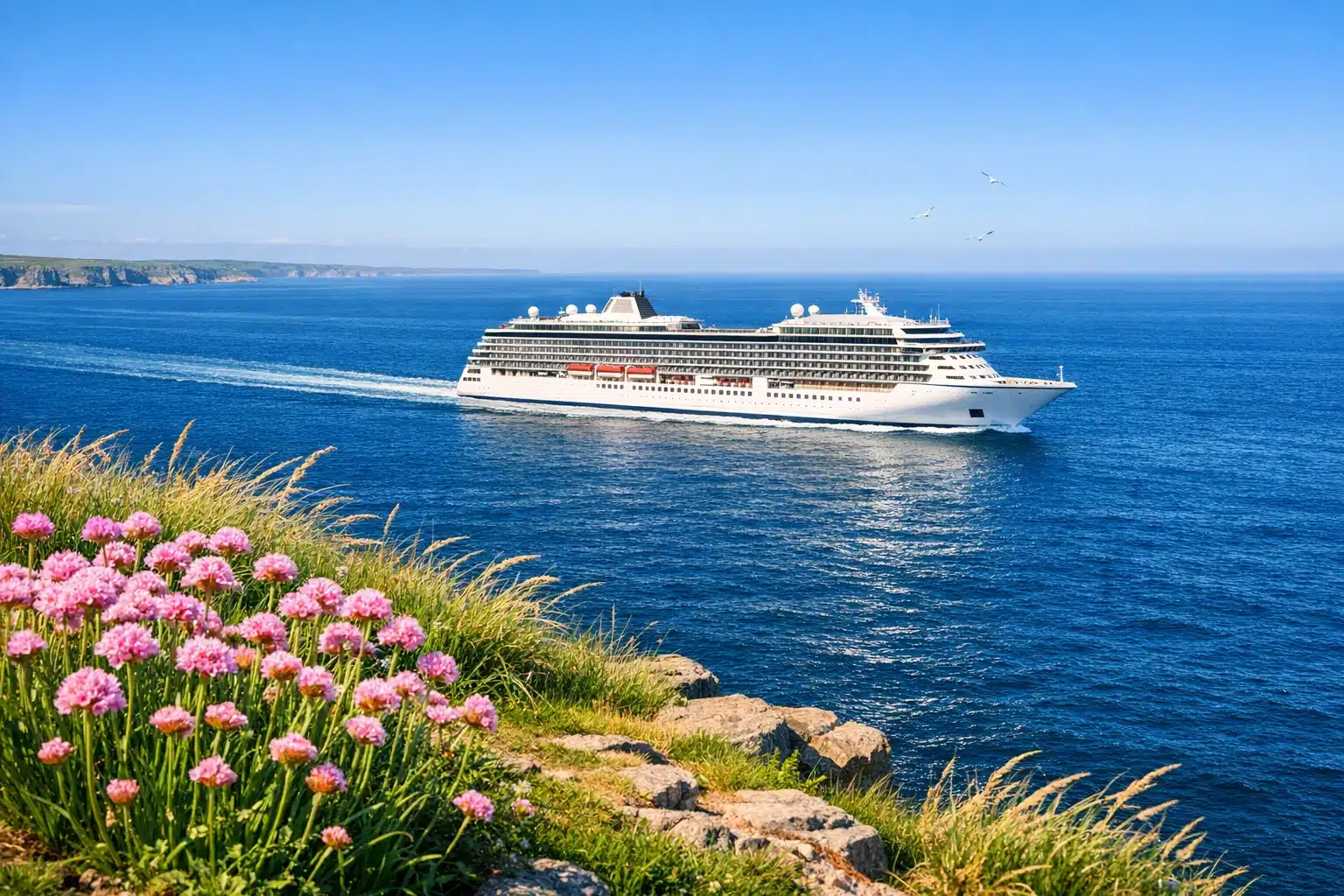
It is also worth noting that conditions in the English Channel, Celtic Sea, or Irish Sea can influence the tone of the trip. Weather may be breezy even in warmer months, and sea conditions can feel livelier than on a sheltered river or harbor cruise. That does not make the journey difficult, but it does mean preparation matters. Pack layers, expect changeable skies, and see the crossing as part of the character of the voyage rather than a neutral transfer.
Compared with a weekend in Dublin reached by air, a mini cruise gives you less time on land but more texture overall. Compared with a longer cruise, it offers less variety in ports but demands far less planning and budget. That balance is the real selling point. For travelers who want movement, atmosphere, and a sense of occasion in just a few days, it can be a remarkably satisfying format.
2. A Realistic 3-Night Itinerary From Dover to Dublin
Because sailings vary by operator and season, the exact timetable can change, but a realistic 3-night mini cruise from Dover to Dublin often follows a clear pattern: embark in Dover on Day 1, spend Day 2 at sea, arrive in or near Dublin on Day 3, and disembark on Day 4. Some ships stay in Dublin until the next morning, while others may arrive late on Day 3 and run an efficient disembarkation after breakfast. Before booking, always check whether the ship docks at Dublin Port itself or uses an alternative such as Dun Laoghaire, where transfer arrangements can shape your day.
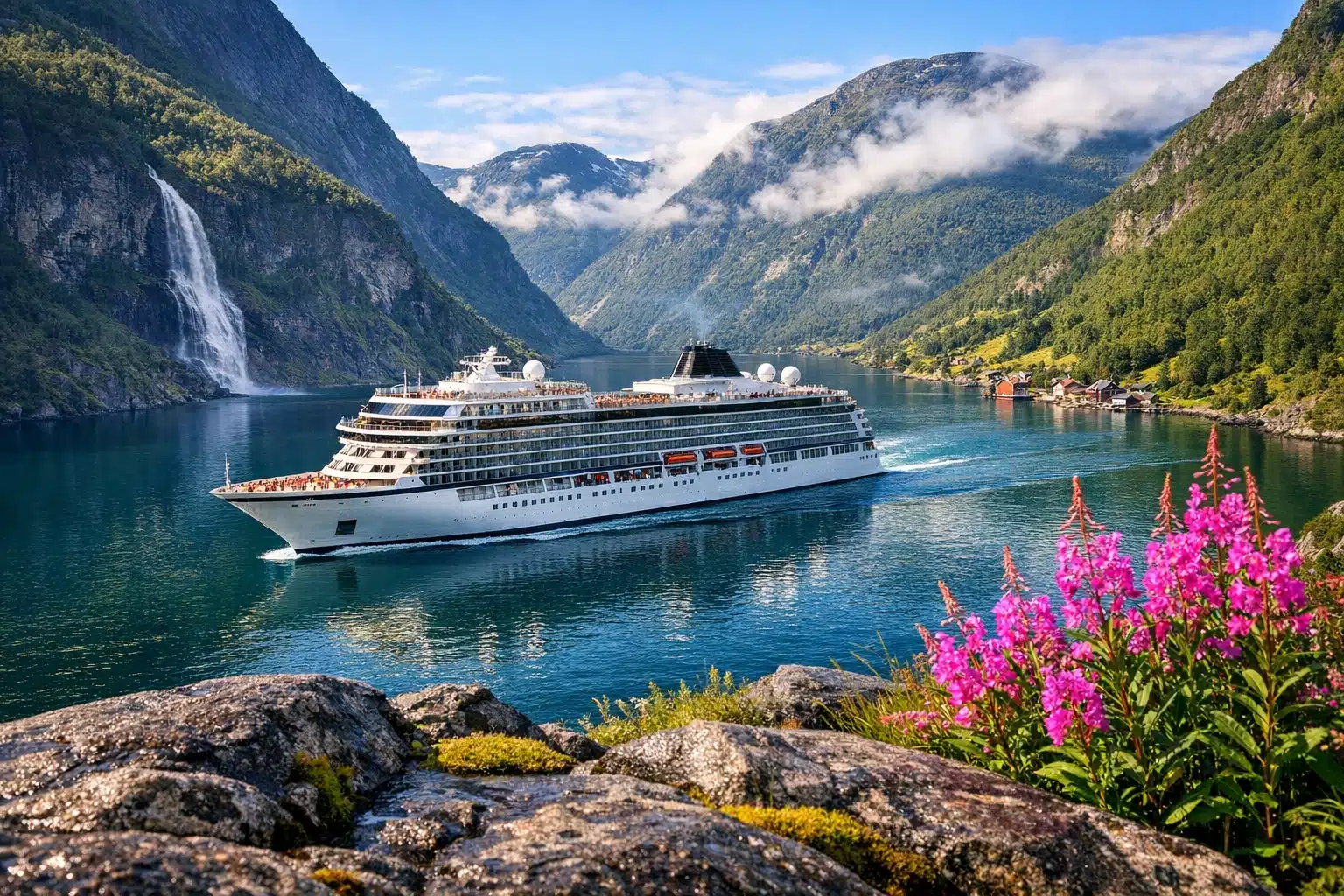
Day 1 is usually about boarding, settling in, and letting the trip begin at an easy pace. If embarkation starts in the afternoon, aim to reach Dover early rather than cutting it close. Port check-in windows are usually strict, and cruise operators do not wait for late arrivals in the same way a casual tour might. Once onboard, most travelers do the same few things: find the cabin, explore the open decks, confirm dinner arrangements, and watch departure. Dover is a memorable sail-away port, especially in clear weather, because the surrounding coastline gives the start of the trip a proper visual flourish.
Day 2 is often the quiet heart of the voyage: a full day at sea. This is when a mini cruise feels most different from a standard transport crossing. Instead of counting down hours, you settle into ship time. Breakfast can become an event rather than a necessity. You might attend a talk, read by a window, use the spa if the ship has one, or simply walk the outer decks and watch the color of the water change with the weather. On a short sailing, the sea day is not filler; it is one of the main reasons people book the trip.
Day 3 usually brings arrival in Dublin or the wider Dublin Bay area. If the ship berths in the morning, you may get most of the day ashore. If it arrives later, think of the call as a concentrated sampler rather than a full city break. A typical shore day might include:
- A transfer into the city center
- A walk through Trinity College and nearby Georgian streets
- Lunch in a traditional pub or modern Irish café
- A museum visit, such as EPIC or the National Museum of Ireland
- An evening return to the ship or overnight stay before disembarkation
Day 4 is departure day, and this is where planning makes a noticeable difference. If the cruise ends in Dublin, decide in advance whether you are going straight home or adding one or two nights in the city. Many travelers regret rushing off immediately, especially after arriving by sea. Even one extra day lets you explore with less pressure, and it turns a short cruise into a fuller Irish getaway.
3. Cabins, Dining, Budget, and the Onboard Experience
One of the smartest ways to enjoy a 3-night mini cruise is to match your cabin choice and onboard spending to the actual length of the trip. Because the sailing is short, travelers often debate whether a premium cabin is worth it. The answer depends less on status and more on personal habits. If you plan to spend most of your time around the ship, in lounges, on deck, and ashore in Dublin, an inside cabin can be excellent value. It is usually the most affordable option and perfectly practical for a quick break. If you are prone to cabin fever or simply love natural light, an ocean-view room often feels like the sweet spot between price and comfort. Balconies are appealing, especially on scenic departures and calm evenings, but on a three-night trip they are more of a treat than a necessity.
Dining is another area where expectations should be realistic. A short cruise often includes enough variety to make the trip feel indulgent, but not so much time that you can sample everything. Main dining rooms, buffets, coffee bars, and one or two specialty venues are common on cruise ships operating these itineraries. The trick is not to overschedule every meal as if you are training for a culinary marathon. On a mini cruise, simplicity works. A relaxed breakfast, one good dinner, and a few spontaneous snacks often feel more enjoyable than trying to optimize every booking slot.
Your budget will usually break down into several layers:
- Base fare for the cabin
- Gratuities or service charges, if not included
- Drinks packages or pay-as-you-go beverages
- Wi-Fi, spa access, and specialty dining
- Shore transfers or excursions in Dublin
- Transport to Dover and onward travel from Dublin
For value-conscious travelers, the real comparison is not just cruise fare versus flight cost. It is flight plus hotel plus restaurant spending versus cruise fare plus extras. In some cases, a mini cruise can be surprisingly competitive, especially when meals and entertainment are bundled into the voyage. In other cases, add-ons narrow the gap. Reading the fare conditions carefully is essential.
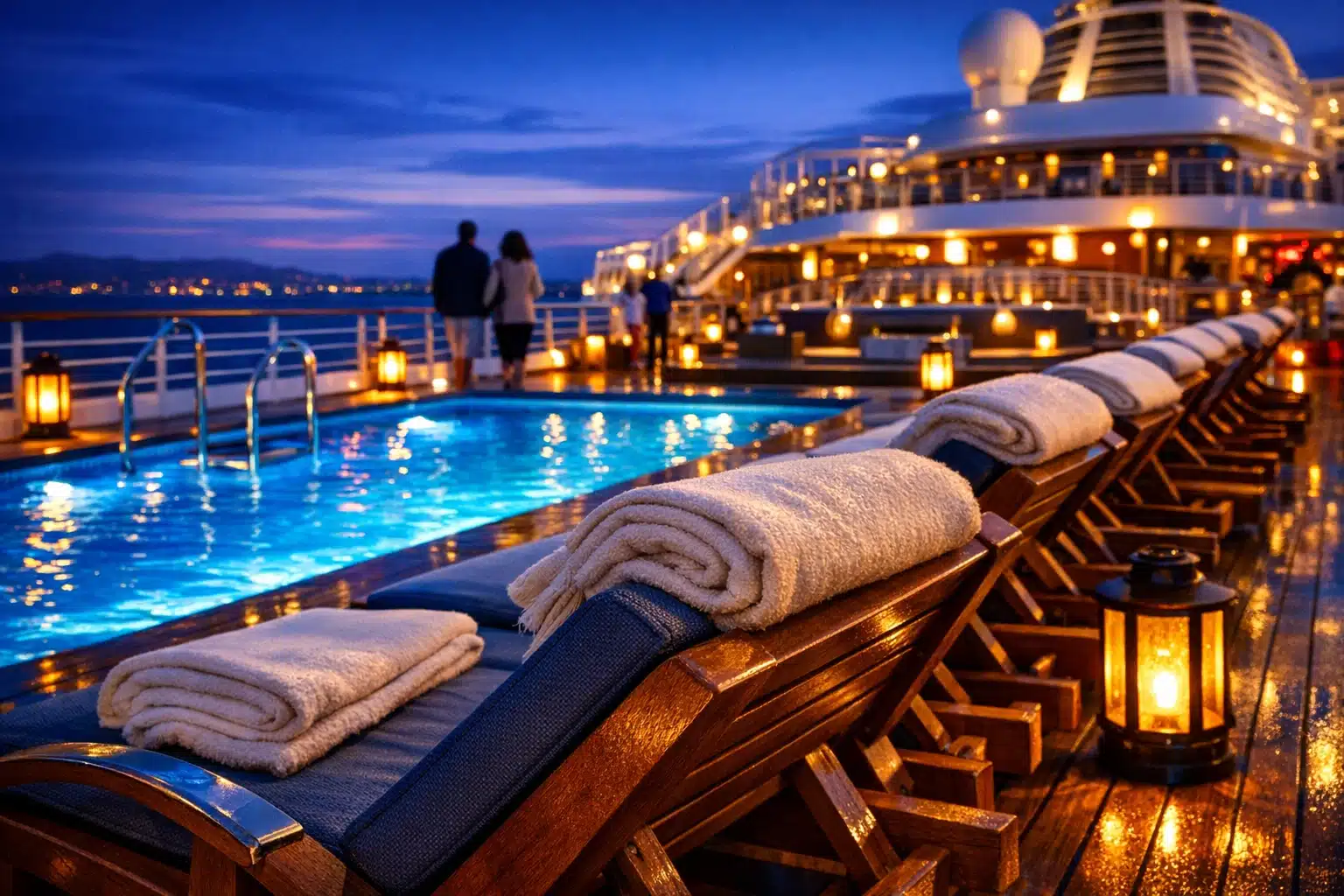
Entertainment on a short cruise tends to be lighter and more compact than on a week-long itinerary, but that is not a drawback. Think quizzes, live music, bar performances, small shows, and casual social spaces rather than a nonstop festival of options. The best mindset is to let the ship set the tempo. You are not trying to conquer every venue. You are there to enjoy a floating pause between two islands, with enough comfort to make the trip feel easy and enough atmosphere to make it memorable.
4. Making the Most of Dublin: Port Logistics, Sightseeing, and Time Ashore
Arriving in Dublin by sea gives the city a different kind of introduction. Instead of descending into an airport terminal, you approach a working waterfront with cranes, traffic, industry, and then, gradually, the shape of the capital beyond it. That contrast is useful to understand, because Dublin Port is not a postcard-perfect harbor where you step straight into the old center. It is a practical commercial port, and travelers usually need a shuttle, taxi, or arranged transfer to reach the main sightseeing districts. The journey into central Dublin is often manageable, but it should be planned rather than improvised.
If your ship docks at Dublin Port, you are roughly a short drive from the heart of the city, though traffic can affect timing. If it uses Dun Laoghaire, the experience changes: the arrival is more coastal in feel, and rail access via the DART can be convenient, but you still need to account for transfer time. This is one reason shore planning matters so much on a mini cruise. A four- or six-hour port call can vanish quickly if you spend too much of it wondering what to do next.
For a first visit, central Dublin rewards a simple route. You do not need to treat the city like a checklist contest. A well-paced walk can include Trinity College, Grafton Street, St Stephen’s Green, and the Georgian streets that give the city its elegant rhythm. If you want a deeper historical lens, the National Museum of Ireland, Dublin Castle area, or EPIC The Irish Emigration Museum all provide strong context in a short amount of time. Travelers who prefer atmosphere over formal sightseeing often do best with a loose plan: one landmark, one museum, one proper meal, and time to wander.
A few practical options work especially well for short calls:
- Take a cruise transfer into the center and explore on foot
- Pre-book a taxi if traveling as a pair or small group
- Choose one neighborhood rather than crisscrossing the city
- Save long pub sessions for an overnight stay, not a tight port day
- Build in buffer time for the return journey to the ship
If your cruise ends in Dublin, the equation improves immediately. You can leave the ship, store bags if needed, and continue at a normal city-break pace. This is ideal for travelers who dislike the “watch the clock” feeling of a day visit. A post-cruise stay also opens up day trips to coastal spots such as Howth or Malahide, which offer a quieter counterpoint to the city center. In short, Dublin works well for mini-cruise passengers, but it rewards realistic planning far more than overambitious scheduling.
5. Travel Tips and Final Advice for Short-Break Cruisers
The best 3-night mini cruises are the ones that feel effortless once they begin, and that usually comes down to doing a few practical things well before departure. Start with documentation. Even if the route feels like a casual hop between neighboring countries, cruise lines often require formal identification standards that are stricter than what some domestic travelers expect. Carry a valid passport unless the operator clearly states an alternative, and always check the latest entry requirements with official sources rather than relying on forum posts or old travel memories.
Packing for a short sailing is another place where restraint helps. You do not need a suitcase full of “just in case” outfits for three nights. What you do need is flexibility. Weather around Dover and Dublin can shift quickly, and sea breezes can make decks feel much cooler than the temperature suggests. A sensible packing list usually includes:
- Comfortable walking shoes for port days and embarkation
- A light waterproof layer or compact umbrella
- One smarter outfit if your ship has a dressier dinner setting
- Any motion-sickness remedy you know works for you
- A portable charger and offline copies of tickets or booking details
If you are worried about seasickness, plan early rather than react late. Midship cabins on lower or middle decks often feel steadier than those at the far front or rear, though availability and ship design vary. Spending time in fresh air, staying lightly fed, and avoiding too much rich food at the very start of the voyage can also help. Most crossings are perfectly manageable, but being prepared is much nicer than being optimistic in theory and miserable in practice.
Travel timing matters too. Dover deserves punctuality. Whether you arrive by train, car, or coach, leave margin for delays. On the Dublin end, think carefully about your onward plans. Booking a very tight flight or train connection on disembarkation day may look efficient on paper, but ports, immigration procedures, and baggage handling rarely care about your spreadsheet. A little breathing room reduces stress enormously.
For the ideal traveler, this kind of cruise hits a very specific sweet spot. It suits people who want more mood than a flight, more structure than a DIY overland journey, and more novelty than a standard weekend break. If that sounds like you, a 3-night sailing from Dover to Dublin can be a smart and memorable choice. It is not about racing through attractions or maximizing every hour. It is about letting the journey count, arriving with a story already in progress, and turning a short escape into something that feels unexpectedly rich.