3-Night Mini Cruise from Belfast to Rotterdam: Itinerary and Travel Tips
Short on time but eager for a change of scene, many travelers find a 3-night mini cruise from Belfast to Rotterdam hits a sweet spot between a weekend escape and a full holiday. It offers the pleasure of sailing, the novelty of waking up on the North Sea, and the excitement of stepping into one of the Netherlands’ most modern cities. Because the trip is brief, planning matters more, not less. A smart approach helps you enjoy the ship, the crossing, and your hours in Rotterdam without feeling rushed.
Outline: What This Mini Cruise Covers and Why the Format Appeals
Before diving into the day-by-day schedule, it helps to understand what a 3-night mini cruise really is. This kind of trip usually sits somewhere between a ferry crossing, a cruise sampler, and a compact city break. You get the structure of sea travel, the comfort of sleeping on board, and enough time ashore to experience Rotterdam beyond the terminal area. For travelers departing from or booking through Belfast, the exact arrangement can vary by operator and season, so it is always wise to confirm whether the package is a direct sailing, a combined transfer-and-ferry break, or a short-cruise product built around a North Sea route.
That flexibility is part of the appeal. A longer cruise demands more budget, more annual leave, and more commitment to ship life. A standard flight-based city break can be fast, but it often feels transactional: airport queues, security lines, and a hotel check-in that arrives long after the fun should have started. A mini cruise offers a different rhythm. The travel is not just the means to reach the destination; the crossing is part of the entertainment. There is a cabin to settle into, a deck to wander, meals to look forward to, and the quiet thrill of watching the coastline fade.
This article is organized to help readers plan in a practical order. It covers:
• how the short itinerary usually unfolds from embarkation to return
• what to expect from the ship, including cabins, dining, and sea conditions
• how to make the most of limited time in Rotterdam
• what to budget, pack, and prepare before departure
• who the trip tends to suit best, from couples to first-time cruisers
Rotterdam is an especially interesting match for a short cruise because it contrasts strongly with the crossing itself. After a stretch of open water and onboard routine, you arrive in a city known for modern architecture, working port energy, and a street life that feels practical yet creative. Rotterdam is also home to one of the largest ports in the world, which gives the arrival an industrial grandeur many travelers do not expect. In short, this is not a trip built around excess; it is built around efficiency, atmosphere, and contrast. That combination is exactly why the format continues to attract people who want a travel experience that feels larger than the number of nights suggests.
Typical 3-Night Itinerary: From Embarkation to the Return Crossing
The most useful way to picture a 3-night mini cruise is as a compact sequence of four travel phases: departure, sea time, Rotterdam visit, and return. Exact times depend on the operator, weather, and port schedules, but the general pattern is fairly consistent. Day 1 is usually about embarkation. You arrive at the terminal, complete check-in, clear any necessary document checks, and board the ship. This first stage is more important than it looks, because a relaxed embarkation can set the tone for the entire trip. Arriving early gives you time to find your cabin, explore the public areas, and understand where key facilities are located.
On the first evening, most travelers fall into one of two camps. Some treat the departure like an event: they head straight for the outer decks, watch the port activity, and mark the start of the trip with dinner and a drink. Others prefer a slower opening, unpacking just enough to feel organized before heading to the restaurant or lounge. Neither approach is wrong, but on a short cruise, it helps to avoid wasting the evening in your cabin. Even one hour spent learning the ship layout can make the next day feel easier.
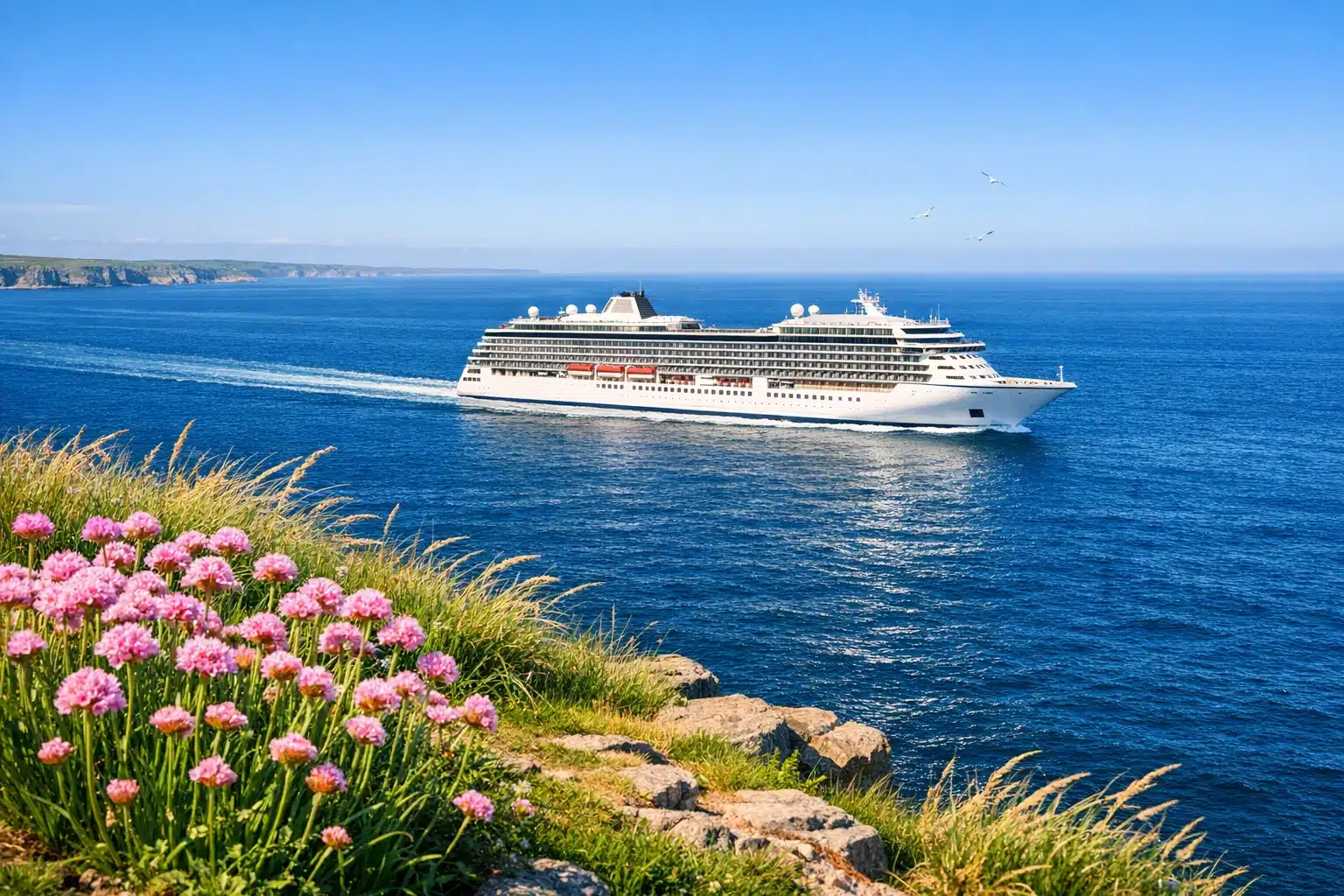
Day 2 is usually the full sea day, and this is where the mini cruise separates itself from a simple transport service. You are not just moving between places; you are living in transit. Breakfast tends to set a leisurely pace, followed by time on deck, reading, shopping, live entertainment, or simply watching the water. If the weather is clear, the North Sea can feel spacious and cinematic. If conditions are rougher, the journey becomes more elemental and reminds you that ship travel still carries a physical sense of distance. For first-time cruisers, this sea day is often the point at which they decide whether they enjoy the cruise format.
Day 3 is typically the Rotterdam day, though many sailings berth outside the city proper and require a transfer from the port area into the center. That means timing matters. A ship may dock early, but you still need to account for disembarkation procedures and onward transport. Once in the city, many travelers have only part of a day to sightsee, shop, eat, or take a short harbor tour. Day 4 then brings the return leg and final disembarkation. It can feel abrupt, but that is the nature of the format: the trip is short, concentrated, and best enjoyed by planning each stage rather than assuming things will sort themselves out on the day.
Life On Board: Cabins, Dining, Entertainment, and North Sea Realities
If you have never taken a short cruise before, it is easy to underestimate how much the onboard experience shapes your impression of the trip. On a 3-night itinerary, the ship is not a background detail; it is one of the main destinations. That makes cabin choice, meal planning, and comfort strategies more important than they might seem. A common question is whether to pay extra for an outside cabin. For some travelers, an inside cabin is perfectly practical because the voyage is short and they plan to spend most of their time in public spaces. For others, a window or sea-view cabin adds a real sense of occasion, especially on a route where the crossing itself is part of the attraction.
Dining also deserves more thought than many people give it. Some mini cruise packages include a buffet or set meal, while others offer optional upgrades. If you like structure, pre-booked dining can simplify the trip and help control costs. If you prefer flexibility, paying as you go may be the better match. The best option depends on your travel style. A couple looking for an easy, predictable break may value a reserved dinner table. A group of friends may prefer casual dining and the freedom to move between bars, lounges, and entertainment spaces without a timetable.
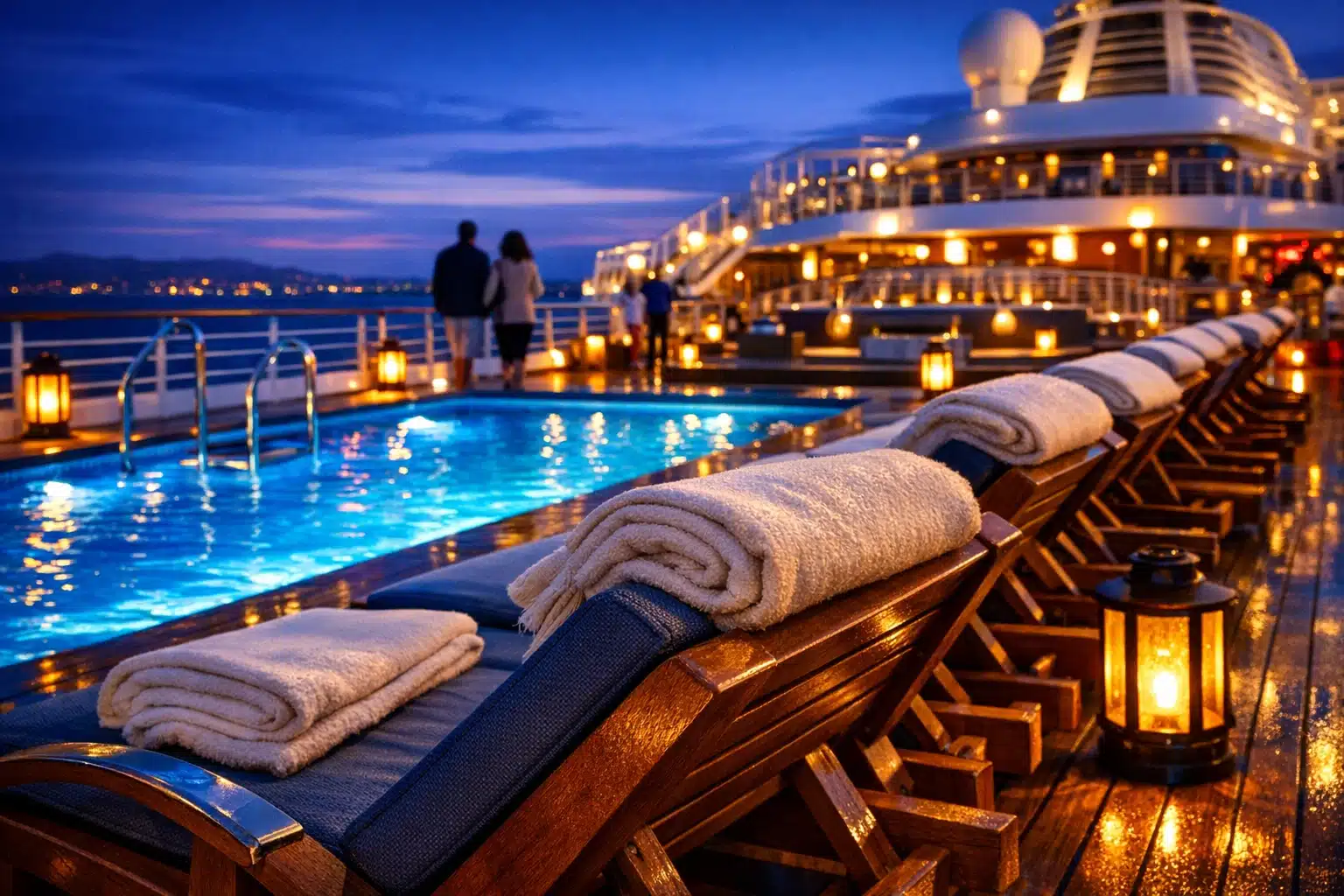
Onboard entertainment is usually lighter than on a full-length cruise, but that does not mean it is forgettable. Short cruises often rely on live music, quizzes, bars, cinema-style spaces, family activities, and duty-free shopping rather than a packed theater schedule. The charm lies in the atmosphere. There is something pleasantly old-fashioned about dressing for dinner, strolling a deck after dark, and watching the lights of another vessel move across the water like a floating constellation.
Of course, practical realities matter too. The North Sea can be calm, but it can also be windy and lively, especially outside summer. If you are prone to motion sickness, prepare before boarding rather than after symptoms begin. Useful basics include:
• any preferred seasickness medication or bands
• a light layer for breezy decks
• comfortable shoes with grip
• a small day bag for documents, chargers, and essentials
The mini cruise works best when you embrace the ship for what it is: not a luxury resort, not merely a ferry, but a moving base that gives the trip its character. Travelers who lean into that mindset usually enjoy the journey far more than those who expect nonstop activity every minute.
Making the Most of Rotterdam in Limited Time
Rotterdam rewards focused sightseeing. Unlike cities that are best absorbed through aimless wandering, Rotterdam often shines when you decide in advance what kind of visit you want. That matters on a mini cruise, because your time ashore can be shorter than the headline itinerary suggests. Depending on docking arrangements, transfers, and return deadlines, you may have only several usable hours in the city center. The key is not to do everything. The key is to choose one strong version of Rotterdam and enjoy it properly.
For architecture lovers, the city offers an almost immediate lesson in reinvention. Much of Rotterdam was rebuilt after the Second World War, and its modern identity is visible in the skyline, bridges, and experimental buildings that make it feel different from Amsterdam or Utrecht. A classic short route might include the Cube Houses, Markthal, the area around the Oude Haven, and views toward the Erasmus Bridge. This combination gives you bold design, good photo spots, and easy access to food. Markthal, in particular, is useful for short visits because it combines visual impact with practical convenience: you can look, snack, and move on without losing momentum.
If your interests are more relaxed than architectural, Rotterdam still works well. A harbor cruise or waterside walk can give you a sense of the city’s scale without turning the day into a sprint. Shoppers may prefer the Lijnbaan and surrounding retail streets. Food-focused travelers can build the visit around Dutch snacks, international street food, coffee stops, and a leisurely lunch rather than museums and landmarks. Families often benefit from a simpler plan with fewer stops and more open space.
Three common approaches work especially well:
• The first-time visitor route: Cube Houses, Markthal, Erasmus Bridge, quick waterfront stop
• The food-and-street-life route: coffee, market browsing, casual lunch, central shopping district
• The easygoing route: one transfer, one major area, one meal, and plenty of buffer time
What you should avoid is overcommitting. Rotterdam’s port geography can mislead newcomers into thinking they will step straight into the center, when in reality transfer time can eat into the day. Build in a cushion for getting back to the ship. Missing all aboard time is not a travel story anyone enjoys retelling. If you plan with discipline, though, Rotterdam can feel vivid rather than rushed: broad river views, confident architecture, and a city personality that is brisk, modern, and refreshingly unpretentious.
Final Advice: Budgeting, Packing, and Who This Mini Cruise Suits Best
A short cruise can look inexpensive at first glance, but the final cost depends on the details. The fare may cover the cabin and passage, yet extras can quickly reshape the budget. Meals, drinks, transfer costs, parking, travel to the departure point, travel insurance, Wi-Fi, and onboard purchases all deserve attention. If the trip begins from Belfast in package form rather than a simple walk-on departure, it is especially important to read what is included. Two deals with similar headline prices can offer very different value once meals, cabin grade, and transfers are compared side by side.
A sensible way to budget is to divide expenses into three layers. First are fixed essentials: fare, documents, transport to departure, and insurance. Second are comfort choices: upgraded cabin, dining package, or priority options if offered. Third are discretionary extras: drinks, souvenirs, snacks ashore, and specialty experiences in Rotterdam. This approach keeps the trip honest. It also helps avoid the common problem of booking a bargain fare and then feeling nickeled-and-dimed by everything that follows.
Packing for a 3-night sailing is easier than for a full holiday, but smart packing makes a visible difference. A short list goes a long way:
• passport and any required travel documents
• travel insurance details and booking confirmation
• one smart-casual evening outfit and one practical daytime outfit
• layers for changing sea weather
• phone charger, plug adapter if needed, and portable battery
• medication, including anything for motion discomfort
Who is this trip best for? Usually, it suits travelers who like the idea of travel as part of the fun. Couples often enjoy the built-in sense of occasion. Friends can use it as a social, low-planning escape. First-time cruisers get a manageable introduction to life on board without committing to a week at sea. It can also appeal to people who want a European break but do not want the airport routine. It is less ideal for travelers who dislike structured schedules, want long museum days, or prefer deep immersion in one destination.
In summary, a 3-night mini cruise tied to Belfast and Rotterdam is best seen as a compact experience rather than a full-scale holiday. It works for readers who value convenience, atmosphere, and a clear sense of progression from departure to return. Plan carefully, travel light, and choose a realistic Rotterdam itinerary, and the trip can feel surprisingly rich for such a short window. For busy professionals, curious first-timers, and anyone craving a change of scene without using up a full week, it remains one of the most appealing short-break formats available.