3-Night Mini Cruise from Belfast to Paris: Itinerary and Travel Tips
Short cruises appeal to travelers who want the feel of a real getaway without giving up a full week of leave, and a 3-night sailing from Belfast toward Paris offers exactly that kind of balance. The journey blends sea travel, a taste of continental Europe, and the convenience of departing from Northern Ireland. For first-time cruisers, couples, and weekend explorers, it is an easy way to sample two travel styles in one break. This guide explains the route, likely timing, costs, and practical details so you can board with realistic expectations and better plans.
Article Outline
- What a Belfast-to-Paris mini cruise usually includes and why the route matters
- A realistic day-by-day itinerary from embarkation to return
- What to expect onboard, from cabins and dining to entertainment and comfort
- Travel documents, budgeting, packing, and time-saving advice for Paris
- Who this short break suits best and how it compares with flying or a longer cruise
Understanding the Route: What “Belfast to Paris” Usually Means
The phrase “mini cruise from Belfast to Paris” sounds wonderfully direct, but in practice it usually describes a package that combines sea travel with an onward transfer in France. Paris does not sit on the open coast, so ships do not dock in the city itself. Instead, travelers normally sail from Belfast to a northern French port, or sail on a linked route arranged by the operator, and continue to Paris by coach, rail, or organized excursion transport. That distinction matters because it shapes the pace of the trip, the amount of sightseeing time you get, and the kind of luggage and footwear you should bring.
In general, Paris is reached from ports such as Le Havre or Cherbourg, depending on the package design. Le Havre is roughly 200 kilometers from central Paris, while Cherbourg is farther away at around 350 kilometers, so transfer time can vary significantly. A coach trip from Le Havre might take about two and a half to three hours in normal conditions, whereas a journey from Cherbourg can stretch closer to four hours or more. That difference may not sound dramatic on paper, yet on a 3-night itinerary every hour counts. A short break lives or dies by efficiency.
This is why travelers should always study the operator’s timetable before booking. Some packages advertise Paris as the headline destination but include only a limited number of hours in the city. Others are better balanced and provide a fuller day ashore, sometimes with optional guided sightseeing. It is also worth remembering that a “mini cruise” in this context is often closer to a ferry-style short cruise than a full-scale ocean cruise. You still get the pleasure of departure, sea views, restaurants, lounges, and the sense that the holiday begins the moment the ship leaves port, but the onboard offering may be simpler than that of a large resort ship.
There are clear advantages to this format. You avoid airport routines, luggage rules are often more forgiving than budget airlines, and the journey itself becomes part of the experience. Watching Belfast fade into the distance from the deck can feel like the first page of a proper travel story. At the same time, the route demands realism. Travelers expecting three full days in Paris may be disappointed, while those who understand the trip as a compact sampler of sea travel and city exploration are much more likely to enjoy it. In other words, this is not only about destination; it is about rhythm. The appeal lies in the blend of movement, atmosphere, and a brief but memorable taste of France.
A Practical 3-Night Itinerary: From Belfast Departure to Paris and Back
A typical 3-night mini cruise works best when viewed as a four-day sequence with three nights tied to travel and accommodation. Exact schedules differ by season and operator, but the overall pattern is fairly consistent. Day one usually begins with arrival at Belfast port, where passengers check in, clear any relevant border procedures, and board in the late afternoon or evening. Most operators advise arriving at least 60 to 90 minutes before departure, and during busier sailings that extra margin is useful. Once onboard, the first hours are often pleasantly unhurried: find your cabin, explore the lounges, book dinner if needed, and step outside to watch the departure. It is one of those moments travel brochures cannot fully capture, when the city lights begin to loosen their grip and the trip finally feels real.
Night one is spent at sea. For many travelers, this is part of the attraction rather than an inconvenience. Instead of treating transport as dead time, the mini cruise turns it into the opening act. On day two, depending on the package structure, you may arrive in France and transfer onward to Paris, or continue within a linked itinerary that brings you into the French leg of the journey before the city visit begins. Once in Paris, time is usually limited, so most travelers focus on a compact circuit rather than trying to “do” the whole city. Common first-stop highlights include the Eiffel Tower area, the Seine embankments, Notre-Dame’s surroundings, the Louvre district, or a coach tour that strings major landmarks together.
Day three often gives you either additional sightseeing time or a structured return process, again depending on the operator. Some mini cruises offer a near full-day Paris excursion before heading back to port later on. Others build in only a shorter city visit, which makes advance planning essential. If you know you have just a few hours, choose one neighborhood rather than chasing the entire postcard collection. A walk from the Tuileries to Place de la Concorde and along the Seine can deliver more pleasure than a frantic box-ticking dash across the city.
Night three is generally your return sailing or final travel night before disembarkation on day four. The smartest way to approach the itinerary is to split it into three goals: enjoy the ship, use Paris time efficiently, and protect your energy. A short cruise can become tiring if you overpack the schedule. The best version of this trip leaves room for small pleasures: coffee on deck, a simple French lunch, a few photographs taken without haste, and the satisfying feeling that even a compact break can still carry the mood of a larger holiday.
Onboard Experience: Cabins, Food, Facilities, and the Pace of a Mini Cruise
One of the most important things to understand before booking is that a mini cruise from Belfast to Paris often prioritizes transport and comfort over nonstop entertainment. That does not make it lesser; it simply makes it different. Travelers familiar with giant cruise ships may expect climbing walls, large theaters, and a dense activity schedule. On many short-route vessels, the atmosphere is more practical and relaxed. You are likely to find cabins, bars, lounges, dining areas, shops, and open deck space, but the mood is usually calmer and more compact. For many people, that is actually part of the charm. The trip feels approachable rather than overwhelming.
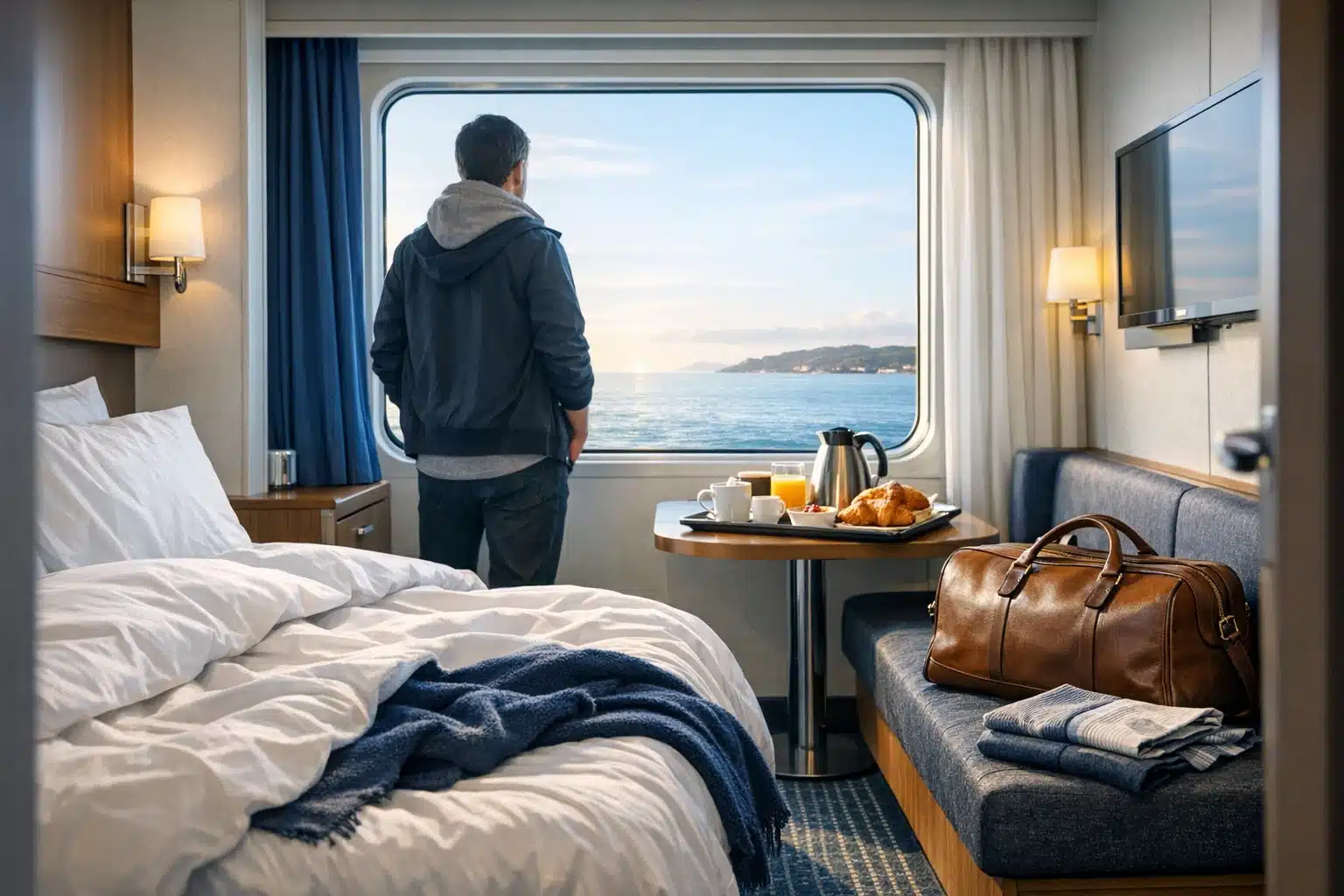
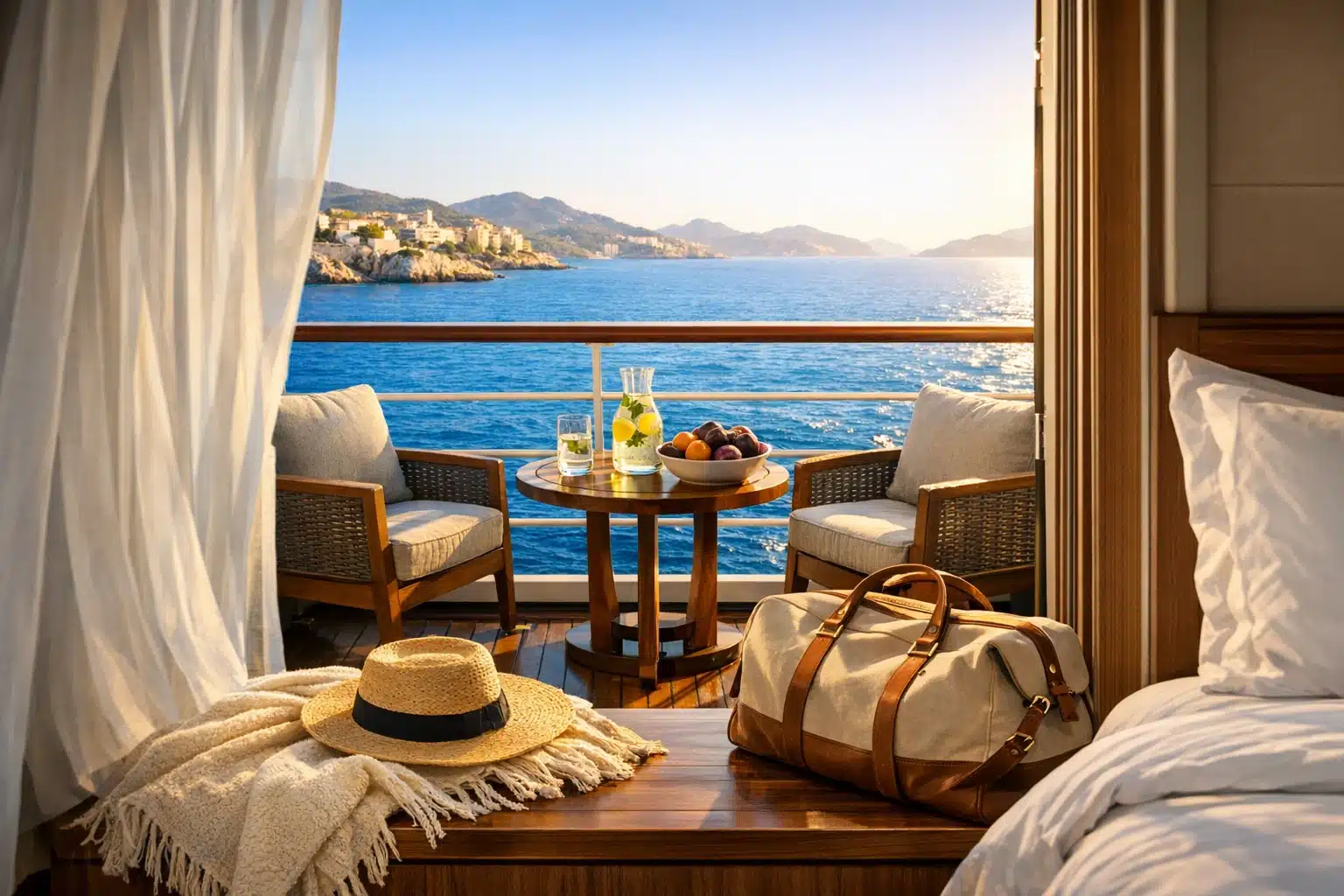
Your cabin choice has an outsized impact on a short sailing because you do not have many nights to recover from poor sleep. An inside cabin is usually the most budget-friendly option and can work very well if you mainly want a private place to rest. An outside cabin, with a window or porthole, costs more but gives you natural light and a stronger sense of the journey. On a quick trip, that visual connection to the sea can be worth the extra spend. If you are prone to motion sensitivity, a midship cabin on a lower deck is often considered the steadier choice, though sea conditions always vary.
Dining is another area where expectations should be practical. Mini cruise packages may include some meals, while others price them separately. Pre-booking can help manage costs and reduce onboard decision fatigue. Food options usually range from casual self-service to sit-down dining, with breakfast often being the most useful meal to secure in advance if you have an early transfer into Paris. A few travelers skip meal deals to save money, but on a tight itinerary convenience often beats penny-pinching.
Useful onboard habits include:
- Pack a small overnight bag so you do not have to unpack everything for one short stay.
- Bring any medication, chargers, and toiletries in your hand luggage.
- Check whether Wi-Fi is available and whether roaming charges may apply once you reach France.
- Wear layers, because sea decks can be windy even when the departure evening feels mild.
Entertainment on a short sailing tends to be simple: live music, bars, a quiet drink with a view, or time spent reading in a lounge. That simplicity works surprisingly well. By the time the ship is moving steadily through the dark water, many travelers stop asking for constant stimulation. The journey becomes the event. A mini cruise is not about cramming every minute with activity; it is about trading routine for motion, and letting the crossing create the holiday mood before Paris even appears on the horizon of your plans.
Travel Tips That Matter: Budgeting, Documents, Packing, and Making the Most of Paris
Short trips can look inexpensive at first glance, but mini cruises are easiest to enjoy when you budget beyond the headline fare. The base price may cover passage and a cabin, yet extras can quickly change the final total. Meals, city transfers, drinks, parking at the port, travel insurance, public transport in Paris, and attraction entry fees should all be part of the calculation. A realistic budget creates freedom. Instead of hesitating over every coffee or metro ticket, you can focus on the experience.
For most travelers, the biggest practical checkpoints are documentation and timing. Since travel rules can change, always verify current passport validity requirements, visa rules where relevant, and any entry authorization systems that may apply for travel between the UK and the EU at the time of departure. If you are on an organized package, read the operator’s guidance closely rather than assuming the process is identical to air travel. Travel insurance is also worth serious consideration even for a short break, especially if your package includes fixed transport connections. When the itinerary is tight, a delay can have a larger knock-on effect than it would on a longer holiday.
Packing for this kind of trip is easier when you think in layers and function rather than fashion alone. Paris rewards stylish walking, but comfort wins on a brief schedule.
- A passport and printed or downloaded booking confirmations
- Comfortable shoes suitable for several hours on hard pavements
- A waterproof jacket or compact umbrella
- A power bank for maps, tickets, and photographs
- A small day bag for valuables, water, and snacks
- Any medication you may need during crossings or transfers
When your Paris time is limited, resist the temptation to overbook. Pre-reserved timed tickets can save time at major attractions, but only if they match your transfer schedule comfortably. If you are unsure how much free time you will have, choose flexible experiences: a riverbank walk, a café stop, or a neighborhood wander around Saint-Germain, the Marais, or the area near the Louvre. Brief visits work best when they feel deliberate rather than rushed.
There are also smart money-saving comparisons to consider. A mini cruise can sometimes cost more than a bare-bones flight, especially if you add private dining and premium cabins. However, it may compare favorably once you include checked baggage, airport transfers, and a hotel night that you would otherwise pay for on a flying city break. Value is not only about the cheapest number; it is about what the total package delivers. If the idea of turning transport into part of the holiday appeals to you, the mini cruise can offer solid value in a way that a rushed airport weekend often does not.
Who This Trip Suits Best: Final Thoughts for Weekend Explorers and First-Time Cruisers
A 3-night mini cruise from Belfast to Paris is best for travelers who enjoy the journey as much as the destination. That includes couples looking for a short romantic break, friends wanting a change of pace from the usual budget flight, and first-time cruisers who want to test whether they like sleeping at sea before committing to a week-long voyage. It can also suit busy workers who have only a long weekend to spare and want something that feels different from an ordinary hotel stay. If that sounds like you, this format has real appeal.
It is less ideal for travelers who want deep immersion in Paris. If your dream is to spend full days exploring museums, eating slowly through several neighborhoods, and drifting through the city without watching the clock, a longer land-based trip will serve you better. The same applies if you dislike transfers or prefer the speed and directness of air travel. A mini cruise asks you to appreciate movement, staging, and atmosphere. In return, it gives you a holiday with a distinct shape: port departure, sea crossing, city arrival, and the satisfying sense of having traveled rather than merely arrived.
Compared with flying, the mini cruise usually offers more ceremony and less compression. Airports can be efficient, but they rarely feel memorable. On a ship, even a short sailing has texture. There is the sound of announcements in the terminal, the first glimpse of your cabin corridor, the cool air on deck, and the odd pleasure of waking up already in transit. Compared with a longer cruise, this short version is more modest, more focused, and often easier to fit into ordinary life. It is not a floating resort holiday. It is a compact travel experience with a clear beginning, middle, and end.
For the right traveler, that is exactly the point. If you want a manageable escape from Belfast, like the idea of combining sea travel with a dash of Paris, and understand that “to Paris” usually involves onward transport from a French port, this trip can be a smart and memorable choice. Book with attention to the real schedule, choose your cabin carefully, budget for extras, and plan your time in Paris with discipline. Do that, and a 3-night mini cruise can deliver more than convenience. It can give you a short break that feels properly storied, with sea air at the start and Parisian streets somewhere in the middle, which is not a bad way at all to spend a few days away from routine.