2 Night Cruise From Portsmouth: Itinerary and Travel Tips
A 2-night cruise from Portsmouth sits in a useful middle ground between a proper holiday and a quick overnight break. It gives you time to enjoy embarkation, settle into your cabin, explore the ship, and usually sample either a nearby European port or a full sea day without using much annual leave. For newcomers, it is an easy way to test whether cruising suits their style; for experienced travelers, it can feel like a short reset powered by sea views, simple logistics, and a change of rhythm.
Outline: Why a 2-Night Cruise From Portsmouth Works So Well
If you want a short escape that still feels different from an ordinary hotel weekend, Portsmouth is a strong place to start. The city is one of southern England’s best-known departure points for cross-Channel travel, and that matters because convenience is half the appeal of a two-night trip. A longer cruise gives you room to improvise, but a short one needs to work almost like clockwork. Portsmouth helps on that front with straightforward road access, rail links, and a port culture built around moving passengers efficiently.
What makes the two-night format especially relevant today is time. Many travelers want a break, but not necessarily a ten-day commitment, a long-haul flight, or the friction that can come with airport queues and baggage limits. A mini cruise answers that need. You unpack once, your room travels with you, meals are usually easy to arrange, and the sea itself becomes part of the experience. The moment the ship pulls away from the harbour and the shoreline starts to soften, the trip already feels bigger than its calendar suggests.
This article follows a clear path so readers can judge whether the format suits them and how to plan it well. The structure is simple:
• what a typical itinerary looks like from departure to return
• how route types differ, especially port-call sailings versus sea-focused short breaks
• which cabin and fare choices matter most on a short crossing
• practical advice on packing, timing, budgeting, and transport to the terminal
• who will enjoy this kind of trip most, and who may prefer something longer
Compared with a city break, a short cruise offers a stronger sense of transition. Compared with a full-length voyage, it is less expensive, easier to fit around work, and far less demanding for people who are unsure whether they enjoy ship travel. It also works well for travelers who live within easy reach of southern England and want to avoid the airport altogether. Rail journeys from London to Portsmouth can often be done in around 90 minutes, which gives the route extra appeal for spontaneous weekend planners.
There is one important expectation to set early: a two-night cruise is not about seeing everything. It is about sampling the experience well. Think of it as an elegant taster menu rather than a banquet. If you approach it that way, the format starts to make perfect sense.
Typical Itinerary: What the Two Nights Usually Look Like
A standard 2-night cruise from Portsmouth usually follows a tidy rhythm: embarkation on day one, a port visit or sea day on day two, and return on day three. Exact timings vary by operator, season, tide conditions, and route, so it is always wise to treat any published schedule as a framework rather than a rigid promise. Still, most sailings fall into a familiar pattern, and understanding that pattern helps you pack better, plan meals, and set realistic expectations.
Day one often begins in late afternoon or early evening. After check-in, security, and boarding, passengers settle into their cabins and start exploring the ship. This is the most energetic part of the trip. People are locating decks, finding restaurants, taking first photos from the open deck, and mentally switching off from normal life. On a clear evening, the departure can be the emotional high point of the whole mini cruise. The Solent begins to open ahead, gulls trail the vessel for a while, and Portsmouth recedes behind you like a stage set being pulled away. Dinner follows, then perhaps a drink, a walk outside, a film, live music, or simply a quiet hour by the window if you have a sea-view cabin.
Day two is where itineraries split into two broad types. The first is the port-call version, common on short crossings to nearby destinations in northern France or the Channel region. In that case, you may spend several hours ashore, enough for a compact but satisfying excursion. A place like Cherbourg, for example, can suit this format because it allows for a waterfront walk, a café stop, some light shopping, and one or two attractions without needing complicated transport. The second version is the sea-focused short cruise, where the point is not the destination but the onboard atmosphere. This option suits travelers who want rest, reading time, spa access if available, or simply the pleasure of watching weather roll across the water.
The return day is usually efficient. Breakfast begins early, public areas gradually quiet down, and disembarkation starts in the morning. You are back in Portsmouth with enough day left to travel home, making the trip surprisingly practical. Compared with a one-night crossing, the extra night creates far better pacing. Compared with a three- or four-night mini cruise, it is brisker and more budget-friendly, but naturally less immersive. The best way to think about it is simple: short, structured, and very effective when you know what you want from it.
Choosing the Right Sailing, Cabin, and Onboard Experience
Not every 2-night cruise from Portsmouth delivers the same experience, and the biggest planning mistake is assuming all short sailings feel interchangeable. Some are closer to a ferry-style mini break, while others lean more heavily into classic cruise pleasures such as dining, entertainment, and time spent exploring the ship. The route, vessel type, and fare structure will shape your trip far more than many first-time bookers expect. For that reason, choosing well matters at least as much as packing well.
The first comparison to make is between purpose. Are you booking the trip mainly to reach a destination, or are you booking for the feeling of being at sea? A practical mini cruise with a continental stop often works well for travelers who want value, flexibility, and a little sightseeing. A more ship-centered short cruise suits people who care more about atmosphere, comfort, and onboard downtime. Neither is inherently better. They simply reward different priorities.
Cabin choice is the next major decision. On a two-night trip, the cabin matters because you spend a relatively high proportion of the holiday settling in and sleeping rather than crossing multiple destinations. Broadly, the trade-offs look like this:
• inside cabin: usually the most affordable and perfectly workable if you mainly want a place to sleep
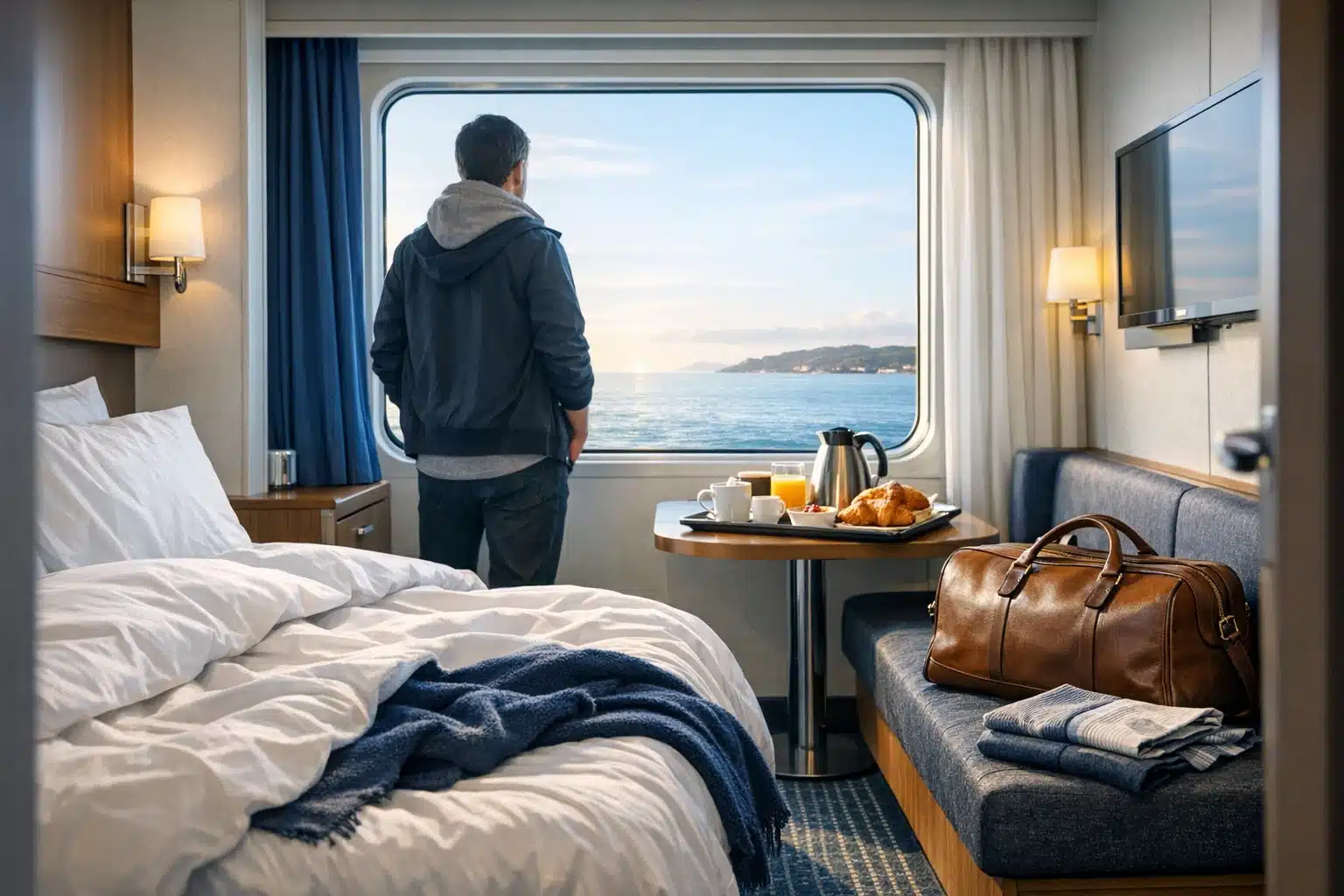
• sea-view cabin: often worth considering on a short cruise because daylight and horizon views make the trip feel more special
• premium or larger cabin: useful for couples celebrating an occasion or anyone who values extra space and a quieter retreat
Meal options also deserve attention. If dining is included, check whether it covers a buffet, a set-service restaurant, or both. On such a short sailing, paying extra for a specialty dinner may or may not be worthwhile. If the ship has a strong food reputation, an upgrade can turn one evening into a highlight. If the onboard offering is simpler, you may be better off keeping costs down and treating the trip as a compact transport-plus-leisure break.
Travel style changes the decision too. Couples often enjoy sea-view cabins and a more relaxed pace. Families may prefer practicality, easy dining, and minimal baggage drama. Solo travelers sometimes find short cruises attractive because everything is self-contained, though they should still check single supplements carefully. Drivers have the advantage of taking more luggage and retaining freedom at the destination, while foot passengers may save money and travel more lightly. A good booking is not the one with the fanciest brochure language. It is the one aligned with what you actually want those forty-eight-ish hours to feel like.
Travel Tips: Packing, Budgeting, and Getting Through Portsmouth Smoothly
Short cruises reward organized travelers. Because the trip is compact, every small friction point feels bigger than it would on a week-long holiday. A late arrival at the terminal, an overlooked passport detail, or shoes that are wrong for a rainy port stop can quickly eat into the pleasure. The good news is that a few practical choices solve most problems before they begin.
Start with documents. If your sailing includes an international stop, carry the correct passport and check validity rules well before departure. Requirements can shift, and the safest habit is to verify details directly with the operator and relevant government travel advice. Travel insurance is equally sensible, even for a very short break. It may feel excessive for two nights, but disruption, weather delays, or medical issues do not become less inconvenient simply because the trip is brief.
Arrival timing matters more than many newcomers realize. Operators commonly ask foot passengers to check in well before departure, and those bringing a car may need additional time for port procedures. Treat the suggested arrival window as the minimum, not the target. Portsmouth is straightforward by comparison with a major airport, but weekend traffic, roadworks, or busy holiday periods can still slow things down. If you are traveling from farther away, staying in Portsmouth the night before can remove a lot of stress and lets you begin the cruise in a calmer mood.
Packing for a two-night cruise is mostly about restraint. You do not need a huge case, but you do need the right mix:
• travel documents, chargers, any medication, and one change of clothes in easy reach
• a light waterproof layer, since Channel weather can turn quickly
• comfortable shoes for gangways, terminal walking, and a few hours ashore
• one smarter outfit if you enjoy dressing for dinner
• motion-sickness remedies if you are sensitive to rougher water
Budgeting deserves honesty. The headline fare may look excellent, but total cost can rise once you add parking, drinks, upgraded meals, Wi-Fi, pet arrangements, or shore spending. Compared with a flight-based weekend abroad, baggage costs are often easier to manage and the travel day can feel less punishing. Compared with staying in a local hotel, however, onboard extras may make the cruise less of a bargain than it first appears. The trick is to decide in advance what counts as part of the fun and what counts as drift. A coffee on deck while the coast appears is money well spent for many people. Three impulse upgrades you barely use are not.
Finally, think about comfort at sea. If you are worried about motion, a midship cabin on a lower deck can help, and so can avoiding very heavy meals before departure. A two-night cruise is short enough to be manageable even in lively conditions, but a little preparation makes the difference between feeling adventurous and feeling overwhelmed.
Conclusion: Who Should Book a 2-Night Cruise From Portsmouth and How to Make It Worthwhile
A 2-night cruise from Portsmouth is best understood as a smart, compact travel format rather than a miniature version of a grand cruise holiday. It suits people who value ease, structure, and a genuine sense of getting away without the cost and complexity of a long trip. First-time cruisers are an obvious match because the commitment is low and the learning curve is gentle. Couples often enjoy the built-in romance of departure evening, dinner on board, and waking to a different horizon. Busy professionals may find it ideal because it can fit around a weekend or a short gap in the calendar. Even experienced travelers sometimes appreciate the simplicity of stepping aboard and letting the sea do the rest.
That said, it will not fit everyone equally well. If your dream holiday depends on deep exploration, multiple destinations, or long lazy afternoons in each port, two nights may feel too compressed. If you dislike schedules and prefer complete spontaneity, the timed nature of embarkation and disembarkation may feel restrictive. Travelers who are highly sensitive to sea movement may also prefer starting with the calmest season possible and choosing their cabin carefully. In other words, this format works best when your expectations match its strengths.
To get the most from it, keep your goals simple. Choose one or two onboard experiences you genuinely care about, whether that is a good dinner, a sea-view cabin, a walk on deck at sunset, or a few easy hours exploring ashore. Arrive with time to spare. Pack lightly but intelligently. Check the route details instead of assuming all short cruises are identical. Most of all, do not burden the trip with pressure to be life-changing. Its charm lies in its scale. It is a short break with movement, atmosphere, and a pleasing sense of departure that a hotel stay rarely replicates.
For travelers in southern England, or anyone who wants a no-fly getaway with a touch of maritime theatre, Portsmouth is an appealing launch point. The trip is quick, but it can still reset your mind, shift your pace, and give you that satisfying post-holiday feeling before the week is even over. Sometimes two nights are enough. You just have to use them well.