2 Night Cruise From Liverpool: Itinerary and Travel Tips
A two-night cruise from Liverpool sits neatly between a weekend city break and a full holiday, offering enough time to switch off without heavy planning. You board on the Mersey, settle into your cabin, watch the waterfront slip behind you, and let the ship do the moving while you relax. Because these mini-cruises are short, every hour matters, from arrival at the terminal to the final breakfast before disembarkation. Knowing the rhythm of the trip helps you spend less time guessing and more time enjoying it.
Outline
- What a two-night cruise from Liverpool usually includes and who it suits best
- A practical day-by-day itinerary, from embarkation to return
- Booking, packing, transport, and check-in advice for a smoother trip
- How to use your time well on board without feeling rushed
- Who should choose this type of break and what expectations to bring
What a 2-Night Cruise From Liverpool Usually Looks Like
A two-night cruise from Liverpool is often described as a mini-cruise, but that label can make it sound smaller than it feels. In practice, it works as a compact holiday: you embark, enjoy one full evening on board, spend the next day either at sea or in a nearby port, and then return on the morning of the third day. The format is especially popular with travelers who want the texture of cruising without the cost, time commitment, or uncertainty of a week-long voyage. It is also useful for people who are simply curious. If you have ever wondered whether you would enjoy sleeping on a ship, dining in timed sittings, or waking to a new view, this is one of the least complicated ways to find out.
Liverpool is a practical departure point for this kind of trip. The city has a long maritime identity, and sailing from the Mersey adds a sense of occasion that many inland departure points cannot match. The cruise terminal is close to the waterfront, near the Pier Head area, which means the journey can begin with one of Britain’s most recognizable riverfront scenes. For local travelers from Merseyside, Cheshire, North Wales, Lancashire, or even the Midlands, a Liverpool departure can remove the need for a domestic flight or a long pre-cruise hotel stay. That changes the value calculation. A short sailing may not be cheap in absolute terms, but it can compare well with a weekend in a major city once transport, accommodation, meals, and entertainment are added up.
Itineraries vary by cruise line and season, yet most two-night sailings from Liverpool fall into a few broad patterns:
- A short round trip with one nearby port call, such as Dublin or Belfast
- A themed or entertainment-led sailing with limited time ashore
- A scenic voyage focused mainly on the ship experience rather than destination depth
That variation matters because expectations shape enjoyment. A two-night cruise is not designed for deep sightseeing. It is better understood as a moving hotel with restaurants, bars, lounges, and entertainment built into the fare. Compared with a ferry break, it usually offers more public spaces, more structured evening options, and a clearer sense of occasion. Compared with a longer cruise, it is less immersive and sometimes busier in tone, because everyone is trying to fit a lot into a very short window. Think of it as a tasting menu rather than a banquet. You are not there to see everything; you are there to discover whether the mix of sea air, shipboard routine, and quick escape suits your travel style.
Typical Itinerary: Day by Day From Liverpool to Return
The most useful way to understand a two-night cruise is to picture it hour by hour. While exact schedules differ, embarkation usually begins in the late morning or early afternoon. Many cruise lines assign arrival windows to reduce queues, so it is wise to treat your check-in time as a real appointment rather than a loose suggestion. Once you reach Liverpool Cruise Terminal, you will usually go through bag drop, document checks, and security before boarding. If all goes smoothly, you may be on the ship by lunchtime or early afternoon. Cabins are not always ready immediately, so the first phase often involves exploring public areas, having a casual meal, and getting used to the layout. This is the point where the trip still feels practical. Then the lines are cast off, the skyline begins to slide away, and the mood shifts from transit to travel.
Departure evening is often the busiest stretch of the cruise. Mandatory safety procedures take place before or shortly after sailing, and then the ship moves quickly into its social rhythm. Dining rooms fill, bars become lively, and entertainment teams begin quizzes, live music, or production shows depending on the vessel. On a two-night trip, many passengers try to sample everything at once, which is understandable but not always wise. A better approach is to choose two or three priorities for the first night. For example:
- See the sail-away from an outside deck if the weather is decent
- Attend the main dinner seating or a pre-booked specialty meal
- Pick one evening activity rather than hopping restlessly between five
Day two is where itineraries split. If the sailing includes a port call, you may wake early and dock in a nearby city for several hours. That can be enough time for a walking tour, a museum visit, lunch ashore, or a simple wander through central streets. It is not enough for extensive regional touring, so realistic planning helps. If the cruise is sea-focused instead, day two becomes your chance to experience the ship at a calmer pace. Morning coffee on deck, a late breakfast, a lecture or demonstration, a little reading by a window, and perhaps an afternoon show can make the day feel surprisingly full. There is a certain charm to watching weather and water become the scenery. Even people who are skeptical before boarding often admit that a sea day teaches them why regular cruisers enjoy the format.
The second night usually carries a slightly different energy. By then, passengers know the ship better and stop checking maps like puzzled detectives. Dinner feels easier, public rooms feel familiar, and the mini-break reaches its most relaxed point. On the final morning, disembarkation generally starts after breakfast. Many travelers are off the ship relatively early, often between about 7:00 and 9:30 a.m., though schedules vary. The return is quick, which is part of the appeal. You can be home by lunchtime with the pleasant feeling that you have gone away, even though your calendar barely noticed.
Booking, Packing, and Getting to the Terminal Without Stress
Because a two-night cruise is short, practical mistakes have an outsized effect. Forgetting a document on a 14-night holiday is bad; forgetting one on a mini-cruise can ruin the whole trip. The first step is to check exactly what the cruise line requires for identification and boarding. Requirements differ depending on itinerary, nationality, and whether the sailing calls at an international port. Some travelers assume a short cruise means flexible rules, but that is not a safe assumption. Always rely on the line’s official pre-departure information and verify names, dates, and travel details well in advance.
Transport planning matters just as much. Liverpool Cruise Terminal is close to the city’s waterfront and reasonably accessible, but the best route depends on where you are coming from. Travelers arriving by train often use Liverpool Lime Street and continue by taxi, which is usually quicker than walking with luggage. Those driving should check parking options ahead of time rather than improvising on the day. Road congestion, events in the city, and school holiday traffic can all affect arrival times. A good rule is to aim to be in the area earlier than you think necessary. Waiting nearby with a coffee is far better than starting your holiday in a queue with one eye on the clock.
Packing for two nights is deceptively simple. Many people either overpack because cruise equals formal, or underpack because two nights feels casual. The sweet spot sits in the middle. Bring enough to be comfortable in changing weather, but keep luggage compact enough to handle easily. A practical packing list often includes:
- Travel documents, booking confirmation, and any required visas or insurance details
- Comfortable daytime clothes, one smarter evening outfit if the ship has a dress code, and a light waterproof layer
- Medication, seasickness remedies if you are prone to motion sensitivity, chargers, and a small day bag
- Footwear for walking on deck and, if relevant, for exploring a port stop
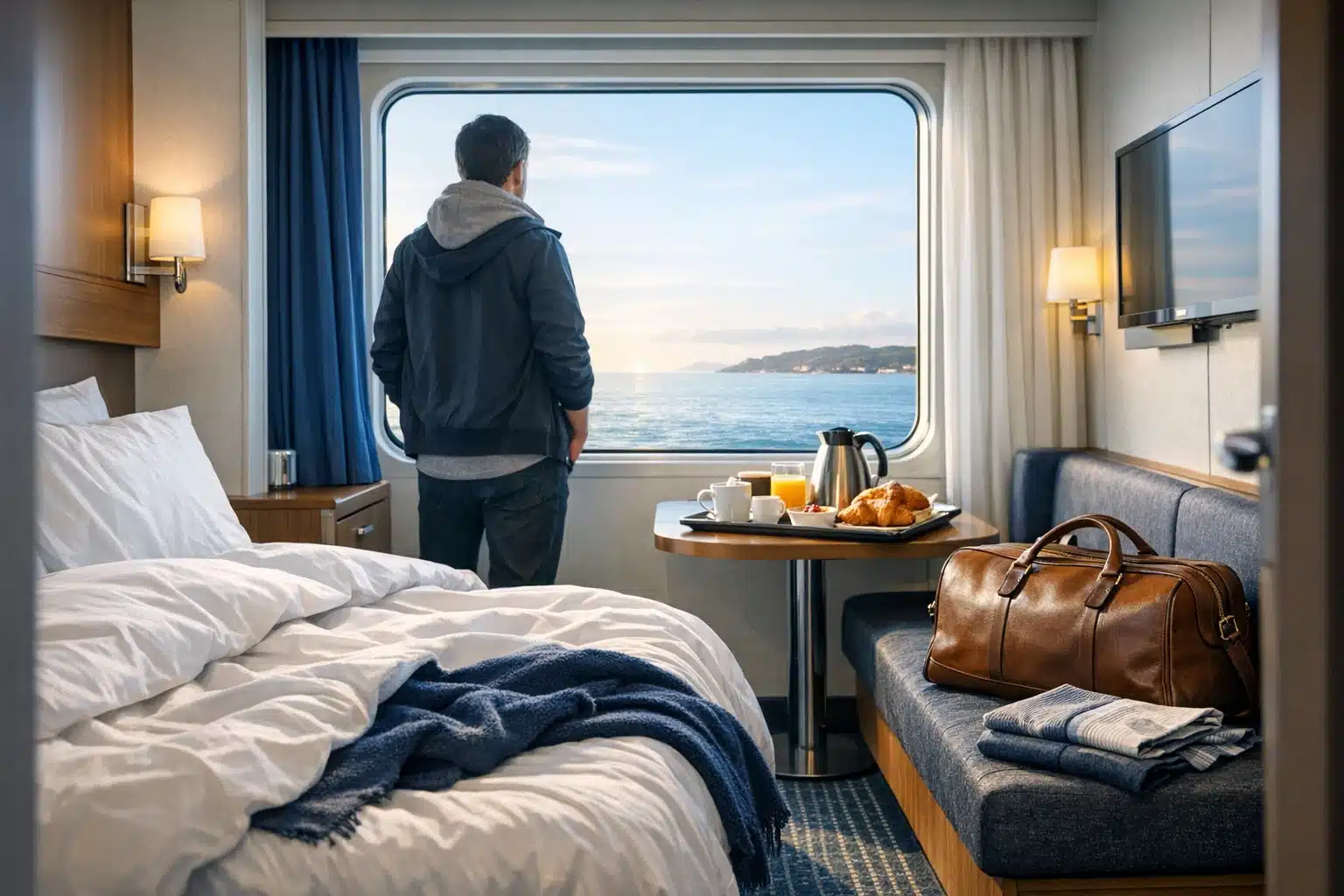
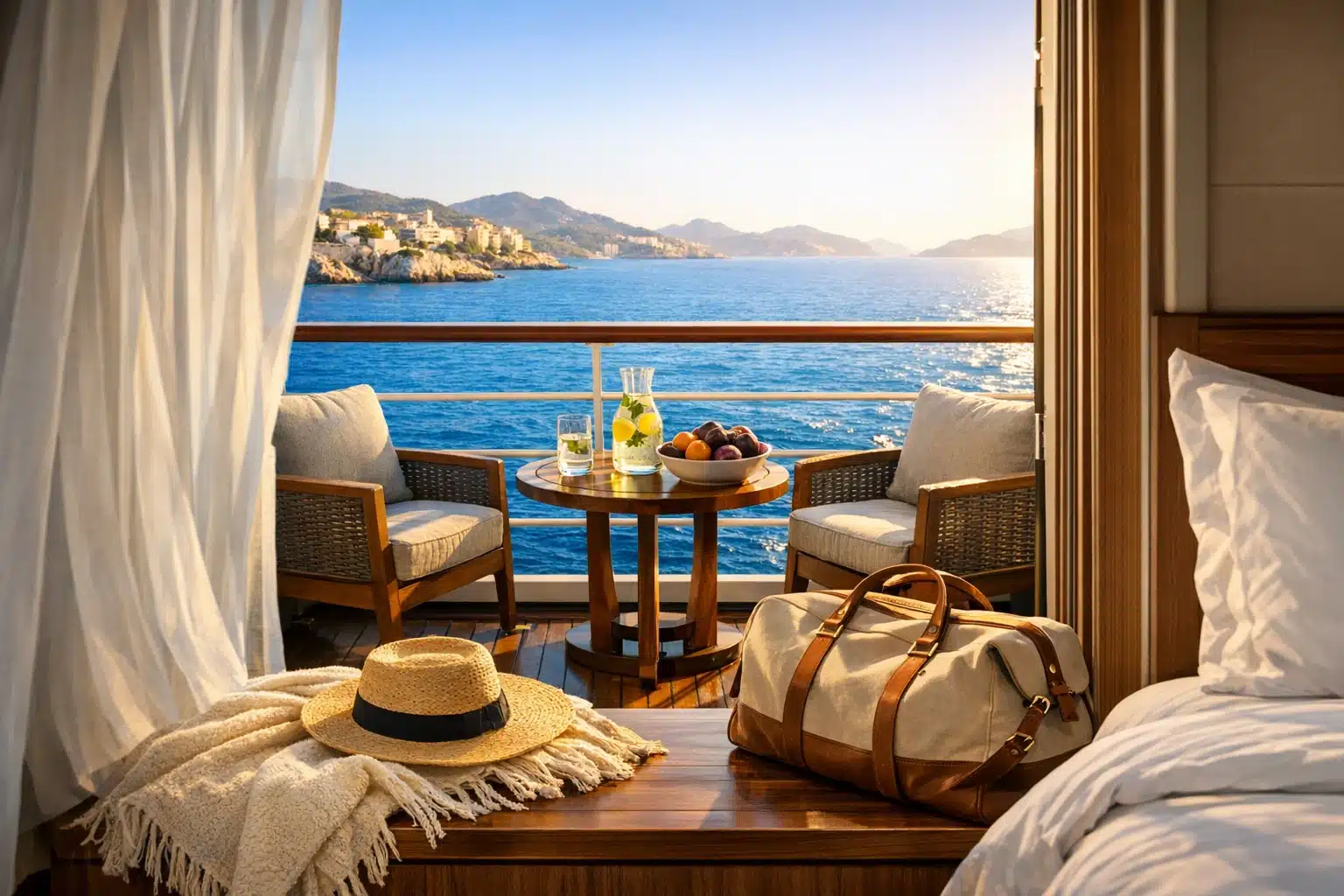
Cabin choice is another area where smart planning can improve the trip. On a two-night sailing, an inside cabin may be perfectly sensible if budget is your main concern, especially if you expect to spend most of your time in public spaces. An ocean-view cabin offers natural light, which some travelers find helpful on short trips where orientation matters. A balcony can be lovely, particularly for sail-away and early morning quiet, but the upgrade only makes financial sense if you know you will use it. The same logic applies to drink packages, specialty dining, and Wi-Fi bundles. Short cruises can invite impulse spending because everything is compressed into a small window. Before you sail, decide what matters to you most. A clear budget is not boring; it is freedom from small regrets.
How to Make the Most of Your Time On Board
The biggest challenge on a two-night cruise is not boredom but over-enthusiasm. Ships are designed to tempt you with options: lounges, performances, bars, restaurants, spas, pools, shops, deck walks, talks, tastings, and photo spots. On a longer voyage, you can drift between them over several days. On a short break, trying to do everything can leave you feeling oddly rushed. The smartest strategy is to treat the sailing as a curated experience. Choose a handful of moments that matter and allow the rest to be discovered naturally.
Start with the ship’s daily program as soon as you board. Mark the events that genuinely interest you, then cut the list by half. If live music is your thing, build around that. If you want a slower trip, reserve time for simple pleasures that cost nothing: sitting by a window with tea, walking an outside deck at dusk, or waking early enough to see the sea before breakfast. Those quieter moments are often what people remember. The ship creaks softly, the wind changes temperature, gulls disappear, and the usual noise of land life falls away. It is not dramatic in the cinematic sense, but it can feel quietly luxurious.
Food is another area where short cruises reward a little planning. Included dining usually provides more than enough choice, yet some travelers book specialty restaurants because the trip itself is a celebration. Neither approach is wrong. The question is whether the upgrade adds value for you. On a two-night itinerary, one special meal may feel worthwhile, while multiple reservations can crowd out the flexibility that makes a mini-break enjoyable. The same principle applies to drinks. If you know you will only have a glass of wine with dinner and perhaps a cocktail after the show, paying as you go may be better than a package.
For first-time cruisers, motion at sea is often a concern. The reality depends on route, weather, and ship size. Short sailings around the British Isles can be calm or lively, sometimes within the same journey. If you are sensitive to movement, choose a mid-ship cabin on a lower or middle deck if available, eat lightly if the sea feels active, and get fresh air rather than staying in a stuffy room. Also remember that a short cruise is a good test case. If you enjoy it, you gain confidence for longer voyages. If you discover cruising is not for you, you learned that after two nights, not twelve. That alone makes the format surprisingly practical.
Who Should Choose This Trip and Final Advice Before You Book
A two-night cruise from Liverpool is best suited to travelers who want a compact escape rather than a destination-heavy holiday. It works well for couples looking for a quick change of scene, friends celebrating a birthday or reunion, and first-time cruisers who want to test the experience before booking something longer and more expensive. It can also suit solo travelers who enjoy organized settings, though they should compare cabin pricing carefully because single supplements can affect value. Families may enjoy the format too, but younger children sometimes need longer to settle into a new environment, so the trip can feel brief just as everyone starts to relax.
In value terms, the key comparison is not with a long cruise but with other short breaks. Ask what you want from two nights away. If your priority is deep cultural sightseeing, a city break with two full days on land may serve you better. If you want built-in entertainment, meals in one place, and the novelty of travel itself, the cruise format becomes more compelling. One of its strongest advantages is convenience. Once you board, there is no need to hunt for restaurants, navigate between hotel and attractions, or repack for the return journey. The ship carries the schedule for you. That simplicity is a real benefit for people whose daily lives already feel overfilled.
Still, the best results come from realistic expectations. You are not booking a grand voyage across multiple countries. You are choosing a short, self-contained getaway with enough movement and atmosphere to feel distinct from staying ashore. If you frame it that way, the experience often lands well. Book early if you want the widest choice of cabins, but also keep an eye on practical inclusions such as gratuities, parking, drinks, and excursions when comparing fares. The cheapest headline price is not always the best final value.
For travelers considering their first sailing from Liverpool, the final advice is simple: keep the plan light, arrive prepared, and let the ship do some of the work. Stand on deck when the city falls behind. Notice the rhythm of meals, music, and water. Give the shortness of the trip a chance to be its own advantage. Sometimes a holiday does not need to be long to feel complete; it only needs to be well chosen.