2-Night Cruise from Hull: Itinerary and Travel Tips
A 2-night cruise from Hull offers something many short breaks struggle to deliver: the sense of genuine travel without demanding a full week away. In one compact trip, you can board in Yorkshire after work, wake up on the North Sea, spend a day in the Netherlands, and return home with your routine barely disturbed. That mix of convenience, atmosphere, and cross-border discovery makes this route especially relevant for busy couples, friends, and first-time sea travelers.
This article starts with a practical outline, then explores the typical itinerary, the onboard experience, key planning advice, and final tips on value, packing, and who is most likely to enjoy the trip.
1. Understanding the Appeal: What a 2-Night Cruise from Hull Usually Includes
Before getting into timetables and luggage tips, it helps to understand what people usually mean by a 2-night cruise from Hull. In most cases, this is not a long-form ocean cruise in the classic sense, with several countries and multiple ports. It is more accurately described as a mini cruise or overnight ferry break, usually involving two nights onboard and one full or partial day ashore in the Netherlands. That distinction matters, because it shapes expectations. You are not booking a floating resort for a week; you are choosing a short, atmospheric travel experience that blends transport, accommodation, dining, and a city break into one neat package.
For many travelers, the appeal begins with simplicity. You do not need to deal with airport transfers at dawn, tight cabin baggage rules, or the stop-start rhythm of short-haul flying. Instead, you check in at Hull, board the ship, settle into your cabin, have dinner, and watch the shoreline fade into evening. There is a distinctly old-school charm to it. Even before you reach the continent, the journey already feels like part of the holiday.
A useful outline of the trip usually looks like this:
- Evening departure from Hull after check-in and boarding
- Overnight sailing across the North Sea
- Morning arrival at Europoort, near Rotterdam
- Coach transfer or independent exploration in Rotterdam, Amsterdam, or nearby areas
- Return to the ship later the same day
- Second overnight sailing back to Hull
- Morning arrival in Yorkshire and disembarkation
This format appeals to several types of travelers. Couples often like it because it feels romantic without requiring elaborate planning. Friends enjoy it as a low-pressure social break with bars, restaurants, and a city stop included. Older travelers may appreciate the slower pace compared with flying, while first-time sea travelers can use it as a gentle introduction to overnight travel by ship. Families sometimes choose it too, especially when they want a short adventure that does not involve constant packing and unpacking.
Another reason the route remains relevant is value. A 2-night cruise can combine transport, cabin accommodation, and entertainment in a single booking, which makes cost planning easier. It also uses time efficiently. Because the crossing happens overnight, your travel hours do not feel fully lost. In practical terms, that means one weekend can hold more than you expect. One moment you are leaving Hull with a coffee in hand; the next, you are standing beside Dutch canals, wondering how such a short break managed to feel this complete.
2. A Typical Itinerary: From Hull to the Netherlands and Back Again
The heart of this trip is its compact but satisfying itinerary. While exact schedules vary by operator, season, and package type, the overall pattern is usually consistent. Travelers tend to arrive at the Hull terminal in the late afternoon or early evening, allowing time for check-in, security procedures, and boarding. It is wise to arrive earlier than the minimum requested time, especially during school holidays or busy weekends, because vehicle traffic, coach groups, and foot passengers can all slow the process. Once onboard, the mood shifts quickly from logistics to leisure.
The first evening is often more enjoyable than people expect. After finding your cabin, you can explore the ship, book dinner if needed, and get a sense of the layout. Many North Sea ferries include restaurants, bars, lounges, shops, and sometimes entertainment spaces with live music or informal performances. The sea crossing itself usually lasts around 11 to 12 hours, depending on conditions and route planning. That means you can have a proper evening onboard, sleep in a private cabin, and wake close to the Dutch coast rather than in an airport queue.
Day two is the main sightseeing day. Ships from Hull on this style of trip commonly arrive at Europoort, the major port area near Rotterdam. From there, travelers often continue by coach transfer into Rotterdam or Amsterdam, depending on the package booked. Rotterdam is closer and often suits travelers who prefer modern architecture, waterside views, museums, and a less crowded pace. Amsterdam, though farther away, remains a major draw thanks to its canals, compact center, galleries, shopping streets, and unmistakable atmosphere. Travel times vary, but many coach transfers to Amsterdam take noticeably longer than those into Rotterdam, so it is worth deciding whether you want more city time or a different urban experience.
A typical shore day may include:
- A coach transfer to and from the selected city
- Several hours of free time for sightseeing, shopping, or dining
- Optional excursions sold as part of a package
- Independent walking, museum visits, or canal-side exploring
By late afternoon or early evening, passengers return to the port and board again for the overnight sailing back to Hull. This second evening often feels more relaxed than the first because the practical uncertainties are gone. You know where everything is, you know how the ship moves, and you can settle into dinner or a drink with the satisfaction of a day well spent. Morning arrival back in Hull closes the loop neatly. For travelers with limited time, that is the genius of the itinerary: it turns one evening, one full day, and one return morning into a break that feels broader than the calendar suggests.
3. Life Onboard: Cabins, Dining, Entertainment, and How It Compares with Other Short Breaks
One of the biggest questions first-time travelers ask is simple: what does a 2-night cruise from Hull actually feel like once you are onboard? The answer depends partly on your expectations. If you imagine a giant luxury cruise ship with swimming pools, Broadway-style shows, and multiple sea days, this route will feel more modest. If, however, you view it as a comfortable overnight vessel that blends practical transport with a mini holiday atmosphere, it can be surprisingly enjoyable. The experience sits somewhere between a classic ferry crossing and a short cruise break, which is exactly why many people find it charming.
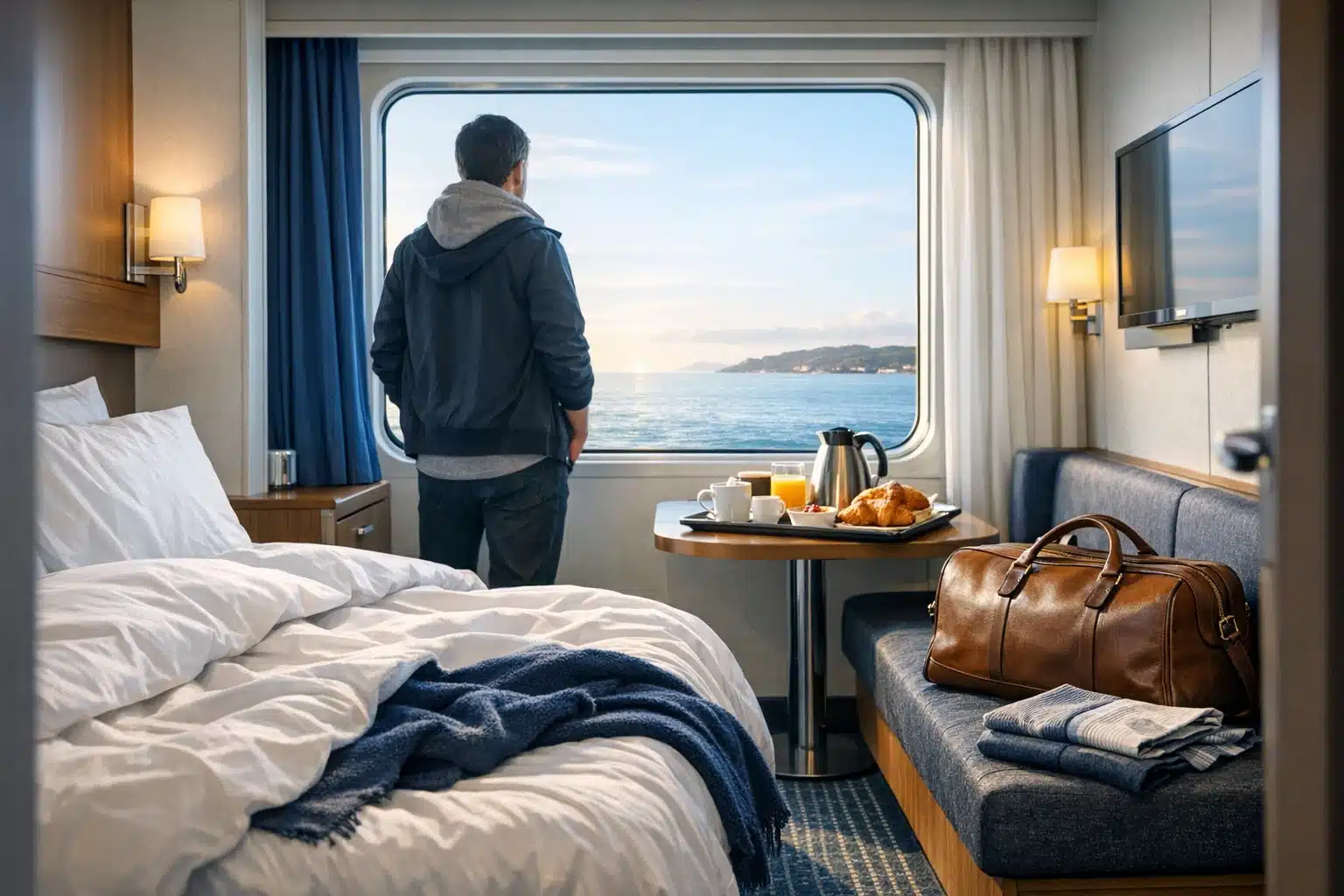
Cabins are central to that comfort. Most passengers book an en-suite cabin, which gives you privacy, a proper bed, and a secure place to leave your belongings while you explore the ship. Cabins are often compact rather than spacious, but for a two-night journey they usually meet the need well. Think of them as efficient hotel rooms at sea. If you are a light sleeper, an inside cabin may feel darker and quieter, while a sea-view cabin adds atmosphere and morning light. The right choice depends on your budget and whether you value scenery or rest more highly.
Dining is another part of the appeal. Many ships on this route offer a mix of buffet and sit-down options, along with cafés, bars, and snack counters. That gives travelers flexibility. Some want a full dinner with a glass of wine and a slow start to the evening; others prefer something casual before heading to the deck for fresh air. Breakfast is often straightforward but useful, especially before disembarkation and onward transfers. Because the trip is short, meals can help shape the mood. A decent dinner makes the crossing feel like a break; a rushed sandwich makes it feel like mere transit.
Entertainment onboard is generally lighter than on large cruise ships, but it serves the route well. Depending on the vessel and sailing, you may find:
- Live music in a lounge or bar
- Quiz-style entertainment or informal evening programming
- Duty-free or onboard shopping
- Children’s play spaces on some sailings
- Open deck areas for sea views and photos
Compared with flying, the onboard experience is far more gradual and pleasant. There is room to walk, sit, eat, and watch the evening unfold. Compared with a hotel city break, it adds movement and atmosphere to the trip itself. The sea can be calm or lively, and weather does shape the mood, but that unpredictability is part of the story. At dusk, when the wind carries the smell of salt across the deck lights, the crossing feels less like a transfer and more like the beginning of somewhere else.
4. Travel Tips That Make the Trip Smoother: Documents, Packing, Timing, and Shore Planning
A short cruise works best when the practical details are handled early. Because the trip is compact, even minor mistakes can eat into your limited time. The good news is that this kind of break is easy to organize once you know the pressure points. The first is documentation. Since this is an international journey, you should check current passport and entry requirements well before departure. Rules can change, and travelers should always confirm details with the ferry operator and relevant government travel advice rather than relying on old forum posts or hearsay. If you are taking children, ensure every document matches the booking exactly.
Transport to Hull deserves thought too. If you are driving, look at parking options near the terminal and pre-book where possible. If you are arriving by rail or coach, build in extra time rather than cutting it fine. A missed train connection can feel far more expensive when it threatens an international sailing. Hull is a manageable departure point for many people in northern England, which is one reason the route is attractive, but “manageable” does not mean “effortless” if you leave everything to the last minute.
Packing for a 2-night cruise is different from packing for a longer holiday. You only need a small range of clothing, but it should be flexible. The ship can feel cool on deck, cities ashore may involve long walks, and weather in the North Sea region can change quickly. A smart approach is to pack light layers rather than bulky extras. Consider bringing:
- A passport and printed or digital booking confirmation
- Comfortable walking shoes for the shore day
- A light waterproof jacket or compact umbrella
- Any motion sickness remedies you trust, if you are prone to seasickness
- A power bank, chargers, and basic travel toiletries
- A small day bag for ashore rather than carrying everything
Seasickness is worth mentioning honestly. Many crossings are smooth, but the North Sea can be lively, especially in winter or during rough weather. If you are sensitive to motion, book a cabin in a lower and more central part of the ship if possible, eat sensibly, stay hydrated, and consider preventive medication after checking what suits you. For shore planning, be realistic. If your package includes Amsterdam, remember that transfer time reduces the hours available in the city, so prioritize two or three main sights instead of attempting ten. This is not the trip for frantic box-ticking. It is better to enjoy a canal walk, one museum, and a relaxed lunch than to spend the day racing between landmarks while checking the time every seven minutes.
Finally, keep expectations aligned with the format. This is a short break, not a grand tour. Approach it with that mindset, and it becomes refreshingly easy: one bag, one city, one sea crossing, and just enough novelty to reset the week.
5. Budgeting, Best Timing, and Final Thoughts for Travelers Considering This Short Escape
The real value of a 2-night cruise from Hull comes into focus when you look beyond the headline fare. A cheap deal can seem attractive, but the total cost depends on the cabin grade, meals, transfers, excursions, drinks, parking, and onboard spending. That does not mean the trip is poor value; in fact, for many travelers it compares well with a weekend hotel break plus separate transport. The key is to budget with the full picture in mind. If your package includes the cabin and basic crossing only, ask yourself what you are likely to add. A dinner upgrade, a sea-view cabin, city transfers, and café stops ashore may all be reasonable, but they should be expected rather than treated as surprises.
Season also affects the experience. Spring and early autumn often strike a good balance between milder weather and manageable crowds. Summer can be lively and enjoyable, especially for travelers who like a busy atmosphere, though popular dates may cost more and ports can feel busier. Winter sailings can have a cozy appeal, with dark evenings and festive city lights, but rougher seas are more likely. None of these seasons is automatically best; the better question is what kind of mood you want. Bright and active, calm and practical, or windswept and atmospheric all have their fans.
This kind of trip tends to suit certain travelers especially well:
- Couples wanting a compact romantic break without flights
- Friends looking for a social weekend with bars, food, and a city day out
- Older travelers who prefer a slower start than airport travel often allows
- First-time sea travelers testing whether they enjoy overnight sailings
- Busy professionals who want to travel internationally without using much annual leave
It may be less ideal for travelers who dislike fixed schedules, want several full days in one destination, or expect luxury-cruise scale facilities. The trip is short by design, and its structure is part of its charm. You are not trying to see everything. You are stepping briefly out of routine, letting the ship do the moving while you eat, sleep, and wake somewhere new.
For the right traveler, that is exactly enough. A 2-night cruise from Hull is best seen as a smart, atmospheric mini break: easy to grasp, easy to plan, and memorable in a way many short trips are not. If you enjoy travel that begins the moment you board, appreciate a day in the Netherlands without airport friction, and like the idea of the sea as part of the experience rather than an obstacle, this route remains a genuinely worthwhile option.