2 Night Cruise From Dover: Itinerary and Travel Tips
A 2-night cruise from Dover is one of the easiest ways to trade routine for sea air without sacrificing a full week of annual leave. In a single weekend, you can sample ship life, watch the White Cliffs slip behind you, and sometimes add a brief stop at a nearby European port. That balance of convenience, novelty, and manageable cost makes these sailings attractive to first-time cruisers, couples, and travellers with limited time. This guide explains the usual itineraries, the practical steps before departure, and the small choices that can make a short voyage feel far more rewarding.
The Appeal of a 2-Night Cruise from Dover and a Practical Outline
Dover is one of the most recognizable departure points in the UK, and not only because of the White Cliffs. Its location on the southeast coast makes it a natural gateway for short crossings and mini-cruises, especially for travellers based in London, Kent, Essex, and the South East. For many people, a 2-night cruise from Dover works as a test run: long enough to understand the rhythm of embarkation, dining, entertainment, and sleeping on board, but short enough to avoid the commitment of a week-long voyage. It is travel in concentrated form, a weekend where the journey itself becomes part of the destination.
These short sailings are especially relevant now because not every traveller wants a complex, multi-stop holiday. Some want a simple break. Some are curious about cruising but unsure whether they will enjoy life on a ship. Others are celebrating a birthday, planning an anniversary surprise, or just trying to replace a predictable hotel stay with something more atmospheric. When the ship eases away from port and the coastline becomes a pale brushstroke on the horizon, even two nights can feel like a proper reset.
This article follows a clear outline so readers can plan efficiently:
- What a 2-night Dover cruise usually includes
- How the day-by-day itinerary often works in practice
- What to expect from cabins, food, and entertainment on a mini-cruise
- How to get to Dover, check in smoothly, and avoid common mistakes
- How to budget, pack, and decide whether this type of sailing suits you
It also helps to compare a 2-night cruise with other short breaks. Against a city weekend by train, a cruise bundles transport, accommodation, meals, and entertainment into one booking, which can make budgeting simpler. Compared with a ferry trip, the atmosphere is usually more leisure-focused, with restaurants, lounges, shows, and private cabins designed for a holiday mood rather than pure transit. The trade-off is time: everything happens quickly, so planning matters more. A short cruise rewards travellers who know what they want from the experience, whether that is relaxation, a first taste of cruising, or a compact escape that feels different from an ordinary weekend away.
Typical Itineraries: What Two Nights from Dover Usually Look Like
The exact route depends on the cruise line, season, and ship, but most 2-night sailings from Dover follow one of three patterns: a sea-only sampler cruise, a mini-cruise with one short European port call, or a themed sailing built around dining, entertainment, or a festive event. In practical terms, the whole trip often lasts around 40 to 48 hours from embarkation to disembarkation, so every phase moves quickly. Knowing that pace in advance helps set realistic expectations.
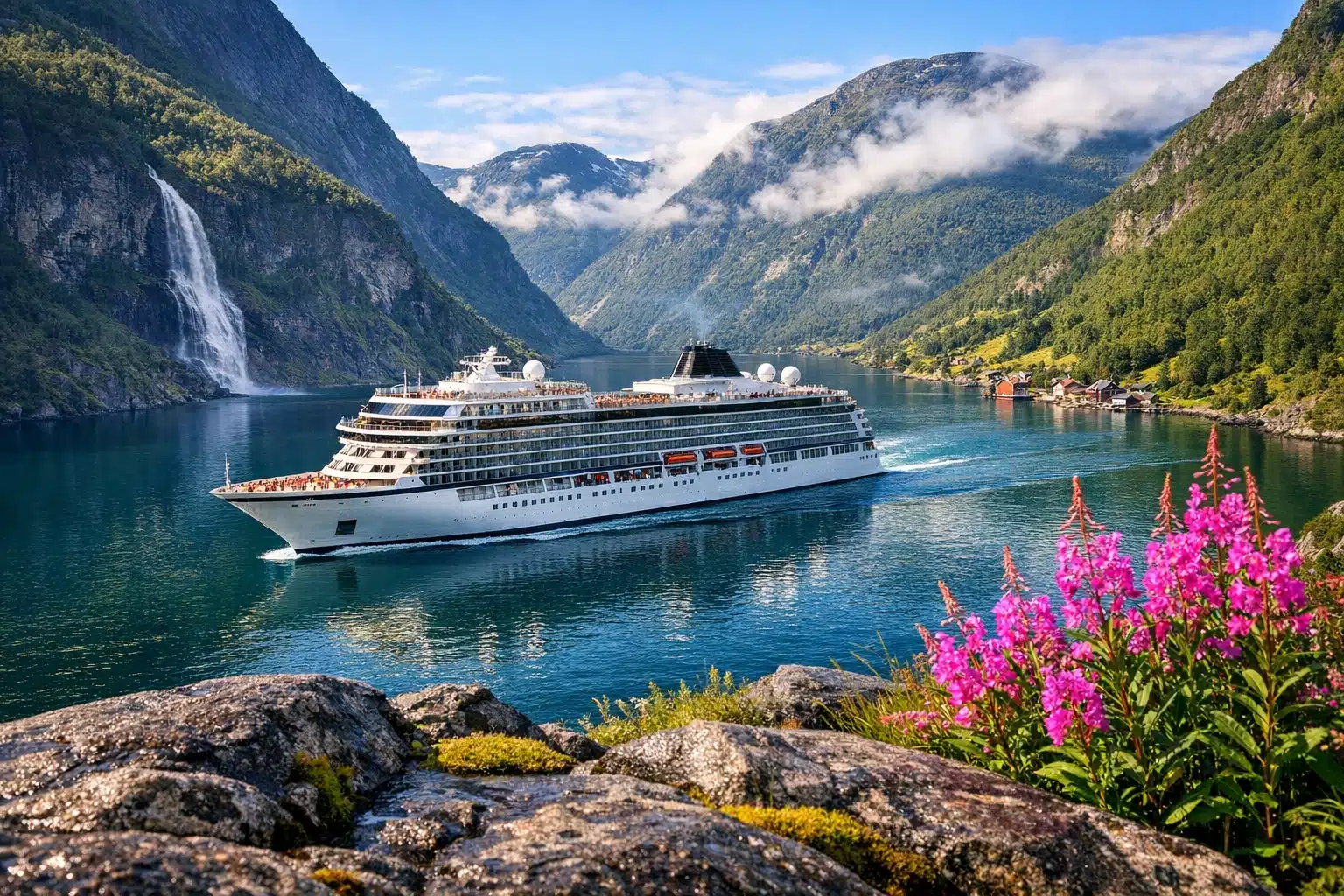
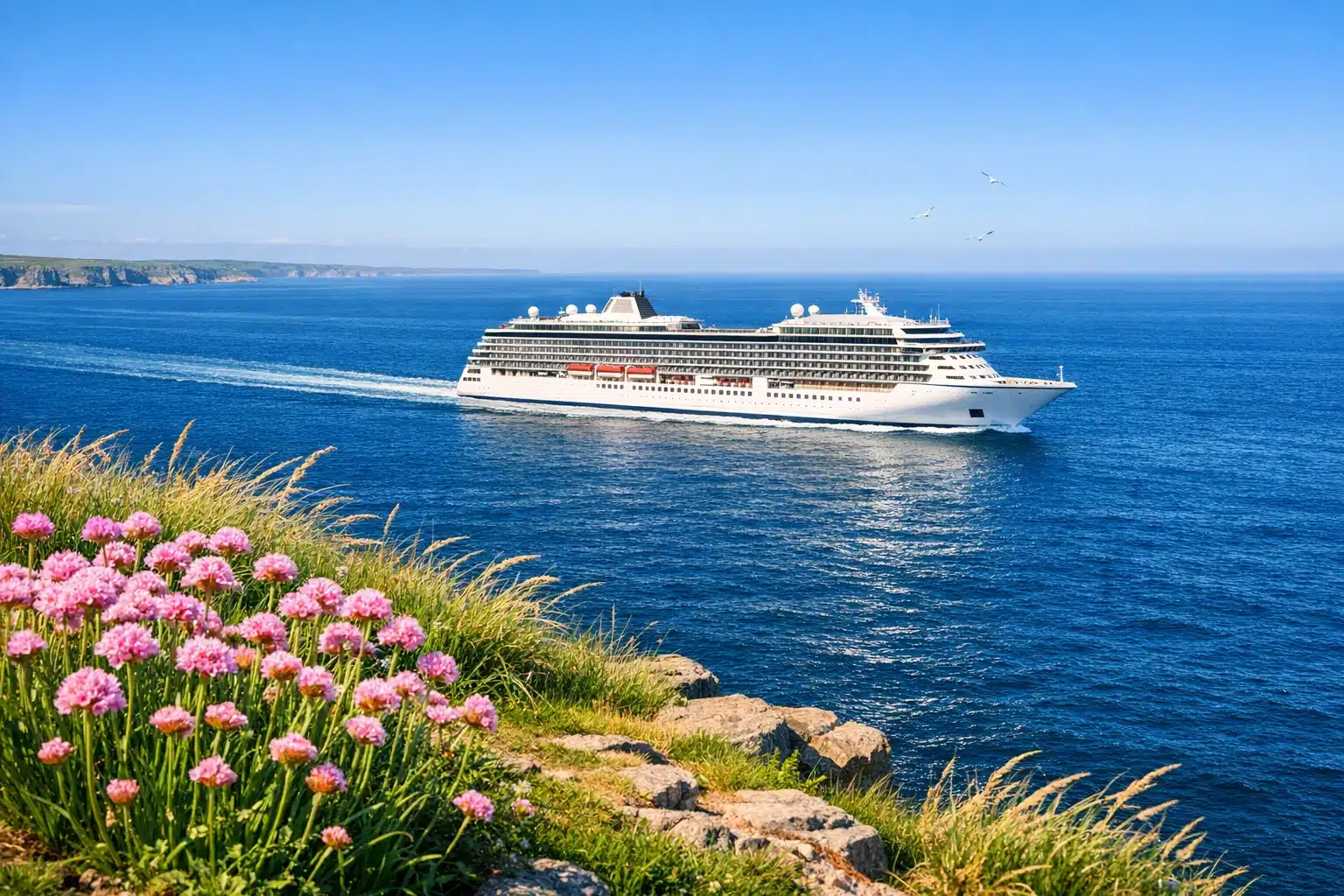
Day 1 is usually embarkation day. Passengers arrive at the terminal, complete security and document checks, and board during an assigned window. Once on board, the first few hours tend to be busy rather than serene. You may be finding your cabin, confirming dining times, exploring the open decks, and attending the mandatory safety drill. Then comes the moment many people remember most: sail-away. Watching Dover recede, with ferries crossing nearby and the chalk cliffs glowing in changing light, gives even a short cruise a cinematic opening.
Day 2 varies the most. On a sea-day itinerary, the ship becomes the destination. You might start with breakfast overlooking grey-blue water, spend late morning in the spa or on deck, join trivia or a lecture in the afternoon, and dress for dinner before an evening show. On a port-call itinerary, the ship may arrive early at a nearby destination such as Zeebrugge, often used as a gateway to Bruges, or another northern European port depending on the schedule. These calls are usually brief, which means independent exploring requires discipline. If the ship departs in late afternoon, there is little room for missed trains, leisurely detours, or long lunch stops.
Day 3 is return and disembarkation. Breakfast is often earlier than people expect, and luggage procedures can begin the night before. This final morning is not glamorous, but it matters. The most successful short-cruise travellers treat it as part of the itinerary, not an afterthought.
Here is a broad comparison of common 2-night formats:
- Sea-only sampler: best for first-time cruisers who want to experience the ship itself
- One-port mini-cruise: best for travellers who enjoy a quick taste of another destination
- Themed sailing: best for people choosing the atmosphere on board over sightseeing ashore
The key point is simple: a 2-night cruise is not a scaled-down grand voyage. It is a compact experience with its own rhythm. If you approach it as a taster rather than a full European itinerary, it becomes much easier to enjoy. The goal is not to do everything. The goal is to let a brief trip feel complete.
Life On Board: Cabins, Dining, Entertainment, and Mini-Cruise Expectations
A short cruise can create the illusion that you do not need to think much about life on board because the voyage is so brief. In reality, onboard choices matter more on a 2-night sailing because there is less time to adjust. The cabin you choose, the dining style you prefer, and the way you spend the evening can shape the entire trip.
Cabins generally fall into familiar categories: inside, oceanview, balcony, and suites on some ships. For a 2-night itinerary, many travellers choose an inside cabin to keep costs down, especially if they plan to spend most of their time in lounges, restaurants, or on deck. That is often a sensible choice. However, if sail-away matters to you, or if you want quiet morning time with a private view, a balcony cabin can change the feel of the trip completely. It turns a practical overnight crossing into something more reflective, the kind of space where a coffee and a stretch of sea can make time slow down a little.
Dining also varies by line. Some mini-cruises include main dining room meals and buffet access in the fare, while drinks, specialty restaurants, and certain snacks may cost extra. On a short itinerary, specialty dining can be worthwhile if food is part of the occasion, but it is worth checking whether the ship already offers enough included choice. Paying extra for one premium dinner may be more satisfying than trying to sample every venue in a rush.
Entertainment tends to be compressed but energetic. Many ships schedule live music, quizzes, production shows, cinema screenings, themed parties, or late-night lounges. Because the cruise is brief, popular time slots can fill quickly. If reservations are required for shows, spa treatments, or dining, booking early is often the difference between having options and settling for leftovers.
A useful comparison is this: a week-long cruise gives you time to recover from a poor decision, but a 2-night cruise does not. If you book a cabin directly below a noisy venue, choose a dinner time that clashes with the show you wanted, or leave planning too late, that inconvenience takes up a much larger share of the trip.
To make the most of a mini-cruise, focus on a few priorities rather than trying to conquer the ship. For example:
- Choose one standout evening activity
- Decide in advance whether cabin comfort or fare savings matters more
- Check what is included so your onboard spending stays predictable
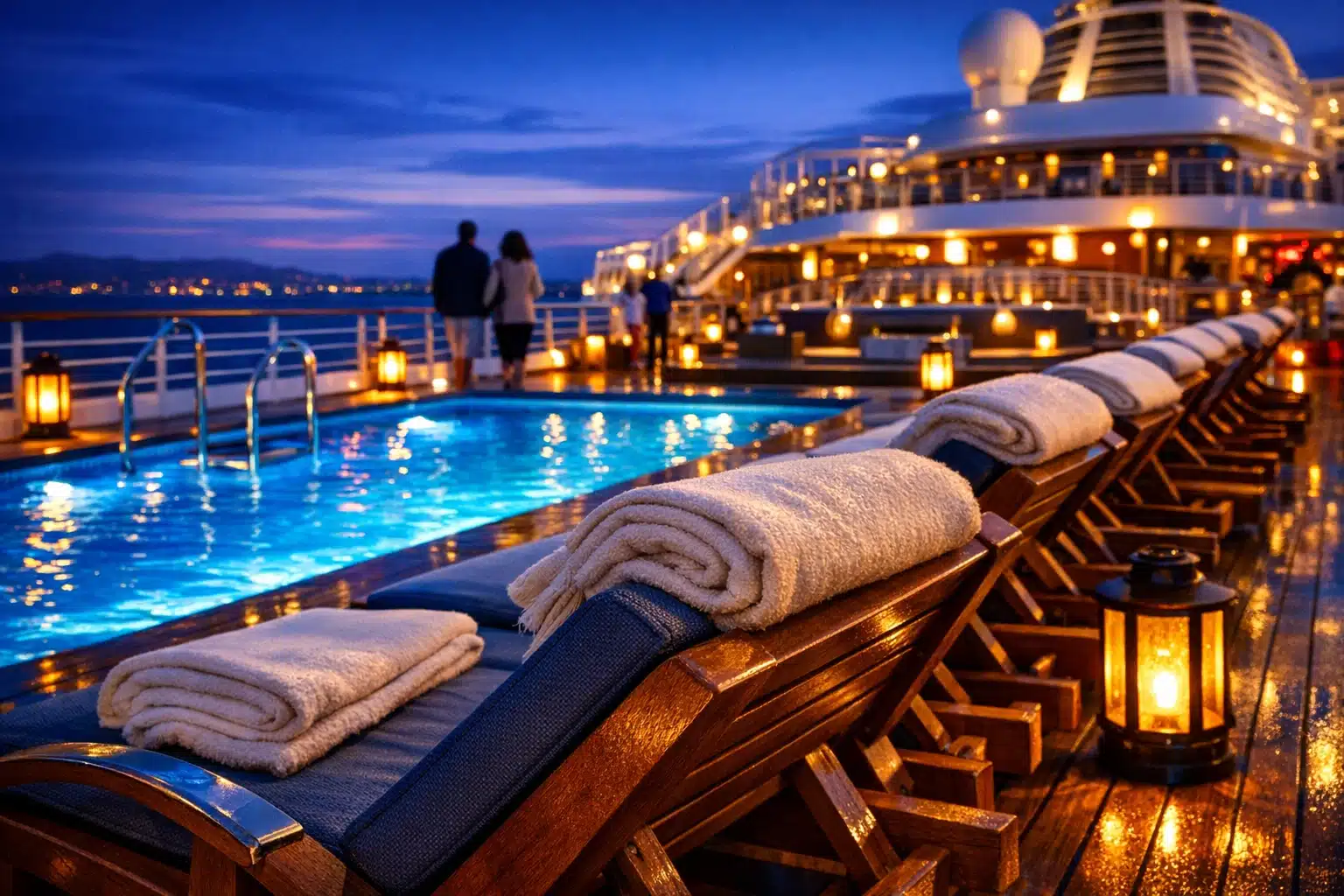
When expectations are realistic, the onboard experience can be the highlight. A short cruise is not about doing everything a ship offers. It is about enjoying a carefully chosen slice of it, from a good meal to a windy deck walk under evening lights.
Getting to Dover and Preparing Before You Sail
Even a very short cruise can go wrong before the ship has moved an inch if the logistics are neglected. Dover is accessible, but it still rewards preparation. The town lies roughly 75 miles from London, and passengers commonly arrive by car, train, taxi, or coach transfer depending on their starting point and the cruise package. Your best option depends on cost, convenience, and how much luggage you plan to bring.
Driving gives flexibility, especially for couples or families carrying more than a small bag. Port parking can be convenient, though it adds to the overall cost, so it is worth comparing official parking with independent services if available through your cruise line or travel provider. Rail travel can work very well for lighter packers, but it requires closer timing, especially if connections are involved. For anyone arriving on the same day from further afield, building in extra time is smart. Cruise ships do not wait for late passengers in the way a hotel receptionist might.
Documentation is another area where assumptions cause trouble. Passport validity requirements, visa rules, and entry procedures depend on nationality, route, and current regulations. Even on a very short European sailing, travellers should verify requirements directly with the cruise line and official government advice rather than relying on old forum posts or general travel hearsay. Travel insurance is also worth considering, even for a weekend, because missed departures, cancellations, baggage issues, and unexpected illness do not become cheaper simply because the trip is short.
Before departure, many lines ask guests to complete online check-in, upload travel details, and choose arrival times. Doing this early can save stress at the terminal. It also gives you time to review luggage tags, boarding documents, and any health or security instructions. A good pre-departure checklist often includes the following:
- Passport and printed or digital boarding documents
- Payment card for onboard expenses
- Train tickets, parking confirmation, or transfer details
- Any medication needed during the trip
- A plan for mobile data, roaming, or onboard Wi-Fi use
Weather deserves more attention than many first-time cruisers expect. Conditions in the English Channel and nearby waters can be calm, but they can also feel lively, especially in cooler months. If you are prone to motion sickness, pack remedies before you leave home rather than trying to find them after boarding. It is also wise to carry a small day bag with essentials in case checked luggage reaches the cabin later than expected.
The smoothest Dover departures usually come from people who treat the terminal as part of the holiday rather than an obstacle. Arrive calmly, keep key documents easy to reach, and avoid overloading the morning with tight connections or last-minute errands. The cruise may only be two nights long, but a steady start makes the whole experience feel longer in the best possible way.
Budgeting, Packing, and Final Advice for Weekend Cruisers
The headline fare of a 2-night cruise can look appealing, but the real cost depends on what sits around it. For some travellers, a mini-cruise is excellent value because accommodation, transport by sea, and several meals are bundled together. For others, extras can quickly reshape the budget. The smartest approach is to separate the trip into core and optional spending.
Core costs usually include the cruise fare itself, transport to Dover, and any parking or hotel needed before departure. Optional costs may include drinks packages, specialty dining, excursions, gratuities where applicable, spa treatments, Wi-Fi, onboard shopping, and premium entertainment. Because the sailing is brief, not every add-on offers equal value. A full drinks package, for example, may not be necessary if you only want a few beverages over two evenings. On the other hand, paying slightly more for a better cabin or a convenient travel arrangement might improve the trip far more than impulse spending once on board.
Packing should be equally intentional. You do not need a large suitcase for two nights, but underpacking can be just as annoying as overpacking. Think in layers, especially outside summer, and remember that onboard spaces may range from breezy outer decks to warm lounges and dining rooms. A practical list often includes:
- Travel documents and chargers
- Comfortable shoes for walking around the ship or ashore
- A smart-casual outfit for dinner or evening entertainment
- A waterproof or wind-resistant layer for deck time
- Medication, motion-sickness remedies, and basic toiletries
It also helps to decide what kind of traveller you are before you book. A 2-night cruise from Dover suits people who enjoy movement, structure, and novelty. It is ideal for first-time cruisers, couples wanting a compact escape, friends celebrating an occasion, and busy professionals who cannot spare a longer break. It may be less satisfying for travellers who dislike fixed schedules, want deep exploration ashore, or prefer slow, immersive stays in one destination.
For the target audience, the biggest advantage is efficiency. You can leave with one small bag, have dinner while the sea slips past the windows, sleep in a moving hotel, and come home with the pleasant feeling that ordinary time was briefly interrupted. That is the quiet strength of a 2-night Dover cruise. It is not designed to replace a grand voyage across multiple countries. It is designed to offer a manageable first taste, a romantic weekend, or a low-friction getaway that fits real life. If you book with clear expectations, keep your plans simple, and focus on a few memorable moments rather than constant activity, this small trip can deliver a surprisingly complete travel experience.