2 Night Cruise From Belfast: Itinerary and Travel Tips
A 2-night cruise from Belfast is a short break that combines sea views, onboard dining, and the simple pleasure of leaving the city behind without needing a full week off. It works well for first-time cruisers, busy professionals, and travelers who want a taste of ship life before booking something longer. Because the trip is brief, planning has a bigger impact than many people expect. This guide maps out the usual itinerary and shows how to make every hour count.
Outline: What This Guide Covers and Why a Short Belfast Cruise Is Worth Understanding
Before diving into the practical details, it helps to understand what this article is designed to do. A 2-night cruise from Belfast is not just a smaller version of a longer holiday. It has its own rhythm, its own strengths, and a few limitations that smart travelers should notice in advance. On paper, it sounds simple: board the ship, enjoy one or two evenings at sea, and return refreshed. In reality, the value of the trip depends on how well you match your expectations to the format.
This guide is organized around five main questions:
• What does a 2-night cruise from Belfast usually include?
• How does the itinerary typically unfold from embarkation to disembarkation?
• Which cabin and fare options make sense for such a short trip?
• What should you know about Belfast port logistics, packing, and weather?
• Who gets the most value from this kind of sailing, and when is another type of break a better fit?
That outline matters because short cruises are often booked on impulse. People see a weekend departure, like the price, and imagine a floating hotel with endless free time. Some of that image is accurate, but not all of it. A mini cruise usually moves quickly. The first day includes travel to port, check-in, security procedures, and a mandatory safety drill. The final morning often begins early, with breakfast slots, luggage collection, and a steady stream of passengers leaving the ship. In other words, a 2-night trip can feel wonderfully compact, but it can also feel compressed if you do not plan well.
Belfast is a useful departure point because it gives travelers in Northern Ireland a convenient way to try cruising without the added cost and time of flying to southern Europe. That convenience is one of the strongest reasons these short sailings remain popular. They appeal to couples wanting a quick reset, groups of friends celebrating a birthday, and cautious travelers who want to test whether they enjoy ship life, motion at sea, and the structure of cruise dining.
The next sections expand each part of the outline in detail. You will see how a typical itinerary unfolds, what details vary between operators, how short-cruise pricing really works, and what practical decisions can make the trip feel smooth rather than rushed. Think of it as a map before departure: not overly dramatic, but deeply useful once the gangway comes into view.
Typical 2-Night Cruise Itinerary From Belfast: What Usually Happens Day by Day
The exact route depends on the cruise line, season, berth availability, and whether the sailing is a round trip or a short repositioning voyage. Even so, many 2-night departures from Belfast follow a recognizable pattern. The first day is all about embarkation and the excitement of setting off. The second day is the heart of the experience, either spent largely at sea or partly in a nearby port. The third day is usually a morning disembarkation, which means the trip ends sooner than many first-time cruisers expect.
Day 1 usually starts at Belfast Harbour, where passengers arrive within an assigned check-in window. Cruise lines commonly ask guests not to arrive too early, because security screening, document checks, and luggage handling all work more efficiently in timed waves. Once on board, you may not get immediate access to your cabin, so a small carry-on bag is useful for essentials. Most travelers use the early hours to explore public areas, book any extras, and settle into the ship’s layout. There is often a welcome atmosphere in the air, a blend of practical movement and holiday anticipation, as the city slips behind the glass and the ship begins to feel like its own little world.
Departure itself is often one of the highlights. Sailing out through Belfast Lough can be surprisingly atmospheric, especially in the long northern evening light or under a sky that looks as if it was painted in layers of silver and slate. Shortly after departure, a mandatory safety drill takes place. Dinner follows, and many ships schedule a show, live music, quizzes, or themed entertainment on the first night. Because the trip is short, evenings tend to be busy and lively.
Day 2 varies more. Some mini cruises focus on the ship experience and include much of the day at sea. Others may stop briefly in a nearby destination, depending on the operator and route. On sailings in this region, possible ports can include places such as Liverpool, Greenock for access to Glasgow, or another nearby turnaround point, although itineraries shift from year to year. A sea day gives you more time to enjoy the vessel itself:
• leisurely breakfast
• spa or pool time
• deck walks
• afternoon tea or casual dining
• onboard talks, games, or entertainment
A port-call version feels different. You may only have a few hours ashore, so the day becomes more structured and more hurried. This can be rewarding if you want a quick glimpse of another city, but less ideal if your goal is pure relaxation. The key comparison is simple: a sea-focused itinerary delivers more onboard value, while a port-focused itinerary gives you a sense of movement and destination.
Day 3 tends to begin early. Guests usually settle any onboard account charges, collect luggage if it was left out overnight, and leave the ship in allocated groups. Breakfast is often available, but disembarkation is not designed to be slow or luxurious. For that reason, a 2-night cruise works best when you treat it as a concentrated getaway rather than a sprawling holiday. The reward lies in the intensity of the experience, not in the length of it.
Choosing the Right Sailing: Cabins, Fare Types, Inclusions, and Value for Money
One of the most useful things to understand about a short cruise is that value is not only about the headline fare. A 2-night sailing can look inexpensive at first glance, but the real cost depends on cabin choice, included meals, drinks, Wi-Fi, gratuities where applicable, and how much you plan to do on board. Because the trip is brief, every upgrade carries more weight. A small extra charge spread over two nights can feel significant, while a thoughtful upgrade can improve the entire experience.
Cabin selection is the first major choice. On a longer cruise, many people justify paying more for a better room because they will spend several days using it. On a 2-night trip, the calculation is slightly different:
• Inside cabin: usually the lowest-cost option and often perfectly adequate for travelers who plan to spend most of their time in lounges, restaurants, or on deck.
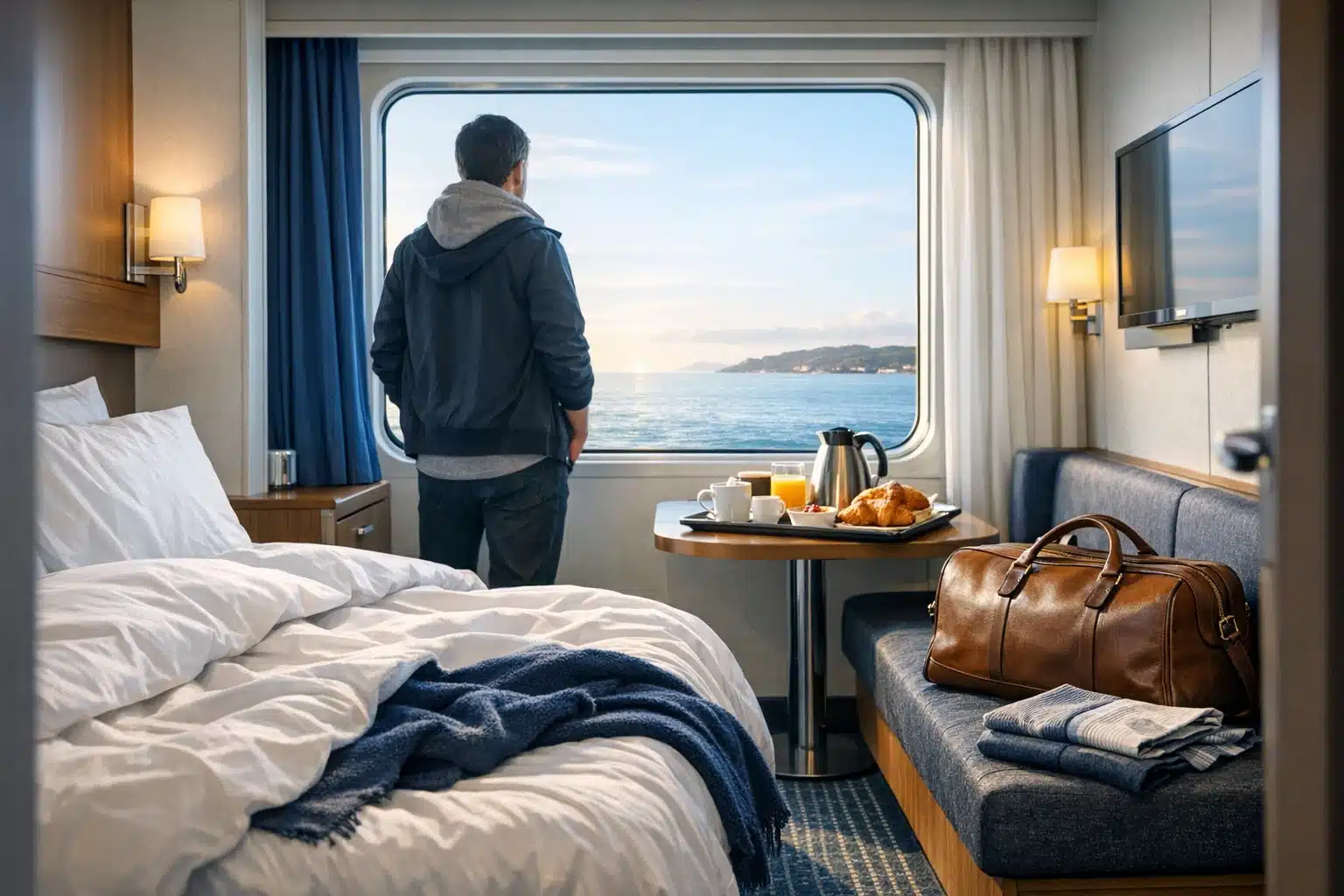
• Ocean-view cabin: offers natural light and a sense of place, which many first-time cruisers appreciate.
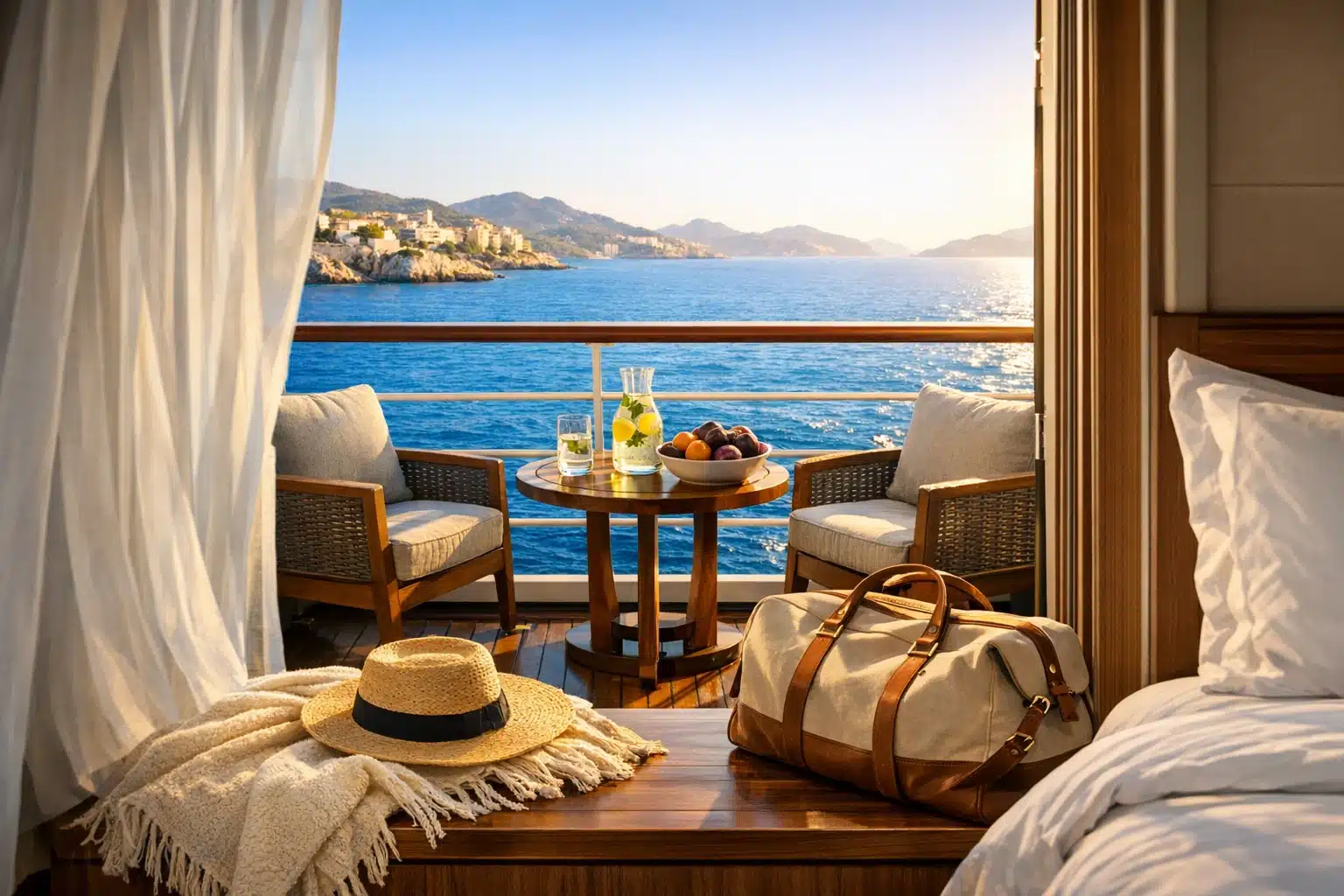
• Balcony cabin: gives privacy, fresh air, and a more premium feel, though the higher price may be harder to justify on a very short sailing.
For many travelers, the sweet spot is an ocean-view room. It adds comfort and atmosphere without pushing the price as sharply as a balcony. That said, if the fare difference is modest and the weather looks fair, a balcony can turn a mini cruise into something more memorable. Watching the coast fade at dusk or standing outside with a morning coffee can make the trip feel larger than its timetable.
Fare structure matters just as much. Some cruise lines include standard dining, entertainment, and basic cabin service in the fare, while charging extra for specialty restaurants, drinks packages, premium coffees, spa access, or faster Wi-Fi. On a 2-night break, travelers sometimes overspend by adding too many extras, assuming they need to fill every hour. In fact, the ship already includes plenty for most people. The better strategy is to choose one or two upgrades that match your style. For example, couples may value specialty dining, while a group of friends may get more out of a drinks package or evening entertainment.
Another important comparison is cost per night. Short cruises often carry a higher per-night rate than longer sailings because fixed costs such as port handling, staffing, and administration are spread over fewer days. This does not make them poor value, but it does mean they should be judged against a weekend city break, not against a 10-night Mediterranean itinerary. A mini cruise from Belfast offers transport, accommodation, food, and entertainment in one booking. That convenience is part of the value equation.
When comparing sailings, look beyond the fare and ask practical questions. Is parking included or discounted? Are gratuities added automatically? Does the ship suit your pace, with lively nightlife or quieter lounges? A well-matched cruise can feel efficient and refreshing. A poorly chosen one can feel crowded, expensive, or oddly rushed. The smartest booking is not always the cheapest one; it is the one that fits how you actually travel.
Getting to the Port, What to Pack, and How to Make 48 Hours Feel Effortless
Practical preparation has an outsized effect on short cruises. On a week-long voyage, a minor packing mistake can be fixed once you settle in. On a 2-night sailing, one missing document or poorly timed arrival can disrupt a meaningful chunk of the trip. That is why the most useful travel tips are often the least glamorous. They save time, reduce stress, and leave more room for enjoyment.
The first rule is to confirm the exact departure information directly with the cruise line before travel. Belfast has established cruise facilities, but berth locations and check-in instructions can vary by ship and operator. Do not assume that a previous departure used the same terminal setup. If you are coming from outside Belfast, build in extra time for traffic, weather, or public transport delays. If you are flying in, consider arriving the day before when possible. Short cruises are poor candidates for tight flight-to-ship connections, because there is little recovery time if something goes wrong.
Packing should reflect both the climate and the format of the trip. Belfast weather can change quickly, and the Irish Sea has a reputation for brisk wind even when conditions are otherwise pleasant. Layers are more useful than bulky single-purpose items. A simple packing list for this type of cruise usually includes:
• travel documents and booking confirmation
• wallet, bank card, and any required local currency
• medication in original packaging
• a light waterproof jacket
• one smarter evening outfit if the cruise has a dress code or special dinner
• comfortable shoes with decent grip for decks and terminals
• phone charger and portable battery
• a small carry-on bag for embarkation day essentials
Documents deserve special attention. Identification requirements depend on nationality, route, and cruise line policy. Even when a sailing appears domestic or regional, the operator may still require specific photo ID, and some travelers will need a passport. Check the line’s official guidance instead of relying on hearsay. Travel insurance is also worth considering, even for a short break, especially if prepaid transport or non-refundable add-ons are involved.
To make the trip feel longer, think in terms of sequencing rather than speed. On embarkation day, eat before arrival or carry a small snack if permitted, because check-in and boarding can stretch. Once on board, prioritize the essentials first: find your cabin, note dining times, check the entertainment schedule, and confirm the disembarkation process. Doing this early prevents that odd feeling of chasing the ship’s timetable instead of enjoying it.
If you are prone to motion sickness, bring remedies with you rather than hoping the ship shop has your preferred option. Central, lower-deck cabins often feel more stable than higher forward cabins. Even travelers who rarely get seasick can notice movement on shorter Irish Sea crossings when weather changes. None of this is cause for alarm, but it is easier to manage when expected.
The best practical tip may be the simplest: treat the cruise as a compact experience, not a checklist. You do not need to see every lounge, attend every show, or sample every menu. Short voyages reward selective enjoyment. A calm dinner, one good performance, a few minutes on deck at sunset, and a smooth departure the next morning can feel richer than a frantic attempt to do everything.
Conclusion: Who Should Book a 2-Night Cruise From Belfast and What to Expect
A 2-night cruise from Belfast suits a very specific kind of traveler, and that is not a weakness. In fact, it is exactly why these sailings work so well. They are ideal for people who want a defined, manageable break with minimal planning complexity. If you are curious about cruising but hesitant to commit to a longer itinerary, this format is one of the best ways to test the waters. You get the essentials of ship life, including dining, entertainment, cabin comfort, and time at sea, without needing a large holiday budget or a full week away from work.
This kind of trip is especially well suited to:
• first-time cruisers who want a low-risk introduction
• couples looking for a quick celebratory break
• friends marking a birthday or reunion
• Belfast-area travelers who want a getaway without flying
• busy professionals who value convenience over length
It may be less suitable for travelers who want deep destination exploration, long lazy mornings, or a highly flexible schedule. A short sailing is shaped by fixed timings. You board within a window, attend a safety drill, work around restaurant hours, and disembark relatively early. If you prefer independent travel with no structure, a city break may feel more natural. But if you like the idea of travel, accommodation, food, and evening entertainment wrapped into one neat package, the appeal is clear.
The most important expectation to bring is the right scale. This is not a grand expedition. It is a neatly edited travel experience, something like a novella rather than a long novel. Its charm comes from concentration. Within roughly 48 hours, you can watch Belfast recede, settle into a floating routine, enjoy a night of music or conversation, wake to open water or a nearby port, and return home feeling as though you genuinely went somewhere. That shift in atmosphere is often what people remember most.
For the target reader, the decision comes down to purpose. If you want to sample cruising, enjoy a romantic or social weekend, or simply leave daily routine behind for a short, contained escape, a Belfast mini cruise is a sensible option. Book with realistic expectations, check the practical details carefully, and avoid overloading the trip with extras. When handled that way, a 2-night cruise can deliver something many longer holidays struggle to provide: a clean break, well-paced pleasures, and the quiet satisfaction of returning home before the spell has worn off.