8-Night Cruise From Newcastle: Itinerary and Travel Tips
An 8-night cruise from Newcastle gives travellers a rare mix of convenience and variety, pairing a local UK departure with the feeling of a longer escape. Instead of wrestling with airport queues before the holiday has even begun, you can board on the Tyne and let the journey unfold at sea. That makes this style of trip especially relevant for people in northern England, Scotland, and beyond who want manageable logistics, flexible sightseeing, and a clearer grip on costs.
Outline
This article begins with why Newcastle is such a practical departure point, then moves into the itinerary patterns most often seen on 8-night sailings. After that, it compares cabin choices and likely onboard costs, followed by a detailed guide to packing, weather, and port preparation. The final section explains how embarkation and life onboard usually work, before ending with a conclusion aimed at travellers deciding whether this trip suits their pace, budget, and holiday style.
Why Departing From Newcastle Changes the Whole Trip
For many UK travellers, the greatest advantage of sailing from Newcastle is not glamour but simplicity. The Port of Tyne passenger terminal sits in North Shields, roughly eight miles from central Newcastle, and that short distance can remove an entire layer of travel stress. Instead of booking a domestic flight to meet an overseas ship, or taking a long train south to Southampton, you can begin much closer to home. That matters more than brochures sometimes admit. A holiday often feels better when the first day is calm, organised, and not built around airport security lines.
Newcastle departures are especially appealing for travellers living in Northumberland, Tyne and Wear, County Durham, Cumbria, Yorkshire, and southern Scotland. Even for people coming from farther afield, rail and road links into the city are usually manageable. If you drive, terminal parking is often easier to arrange than parking linked to a major airport, though prices vary by season and operator. If you arrive by train, you can usually complete the final stretch by taxi without much fuss. Compared with flying to a continental port, this creates fewer moving parts and fewer opportunities for delays to spoil the first hours of the trip.
There is also a psychological benefit. Boarding on the Tyne feels like a gentler beginning to a holiday. As the ship eases away from the river, industrial edges give way to open water, and the transition from ordinary week to travel mode happens almost quietly. For first-time cruisers, that softer start can be reassuring. For experienced cruisers, it often feels efficient.
In practical terms, Newcastle-based cruises work well for several types of traveller:
• couples who want a no-flight break
• retirees looking for less physically demanding transfer days
• families trying to reduce airport costs
• solo travellers who prefer straightforward logistics
• first-timers who want a short-to-medium cruise rather than a two-week commitment
Compared with a seven-night sailing, an eight-night voyage usually gives the line a little more freedom. That extra night may mean an additional port, a more relaxed sequence of sea days, or a longer route into northern Europe or Norway. Compared with a ten- or twelve-night cruise, it still remains short enough for people using limited annual leave. In that sense, it occupies a useful middle ground: long enough to feel substantial, short enough to remain accessible.
Typical 8-Night Itinerary Patterns From Newcastle
There is no single fixed route for an 8-night sailing from Newcastle, and that is important to understand before booking. Cruise lines use the same departure port for different seasonal programs, so the itinerary may lean toward Norwegian fjords in late spring and summer, or toward northern European city ports at other times. The most useful way to plan is to understand the patterns rather than expect one universal schedule.
A common format is the Norwegian fjords itinerary. A representative version might look like this:
Day 1: Embark in Newcastle
Day 2: Sea day across the North Sea
Day 3: Stavanger
Day 4: Olden or a nearby fjord village
Day 5: Ålesund
Day 6: Bergen
Day 7: Sea day
Day 8: Another sea day or scenic cruising segment
Day 9: Return to Newcastle
This style of route suits travellers who care more about scenery than city shopping. Fjord cruises often deliver dramatic landscapes, long daylight in summer, and memorable sail-ins where the destination begins before you even leave the ship. The trade-off is that weather plays a larger role, and some ports are smaller, quieter, or more excursion-focused than large capital cities. If your ideal day involves mountain viewpoints, waterfalls, and photo stops rather than museums and department stores, the fjords pattern is usually the stronger choice.
The other frequent model is a northern Europe city-and-coast itinerary. A typical example may include an overnight or full day linked to Amsterdam via IJmuiden, a Belgian call such as Zeebrugge for Bruges, and one or two additional stops chosen from ports associated with Germany, Denmark, or the Netherlands. These routes usually involve more coach transfers from port to city centre, but they can appeal to travellers who want a mix of architecture, food, galleries, and easy independent sightseeing.
The difference between the two styles is worth weighing carefully:
• Fjords sailings usually prioritise natural scenery, deck time, and layered clothing
• City routes often reward travellers who like walking tours, museums, and café stops
• Norwegian ports may feel calmer and less crowded than major European city gateways
• Continental itineraries can offer more familiar shopping, rail links, and urban landmarks
Sea days are not empty filler in either version. On a short cruise, they create the rhythm that makes the holiday feel like a holiday rather than a chain of rushed day trips. They are the days when passengers settle into the ship, learn the layout, try specialty dining, attend talks, sit by a window with coffee, or simply watch the North Sea change colour by the hour. That onboard breathing space is one reason many people prefer eight nights to shorter sailings. It gives the itinerary enough room to feel rounded.
Cabin Choices, Budget Planning, and the Real Cost of the Trip
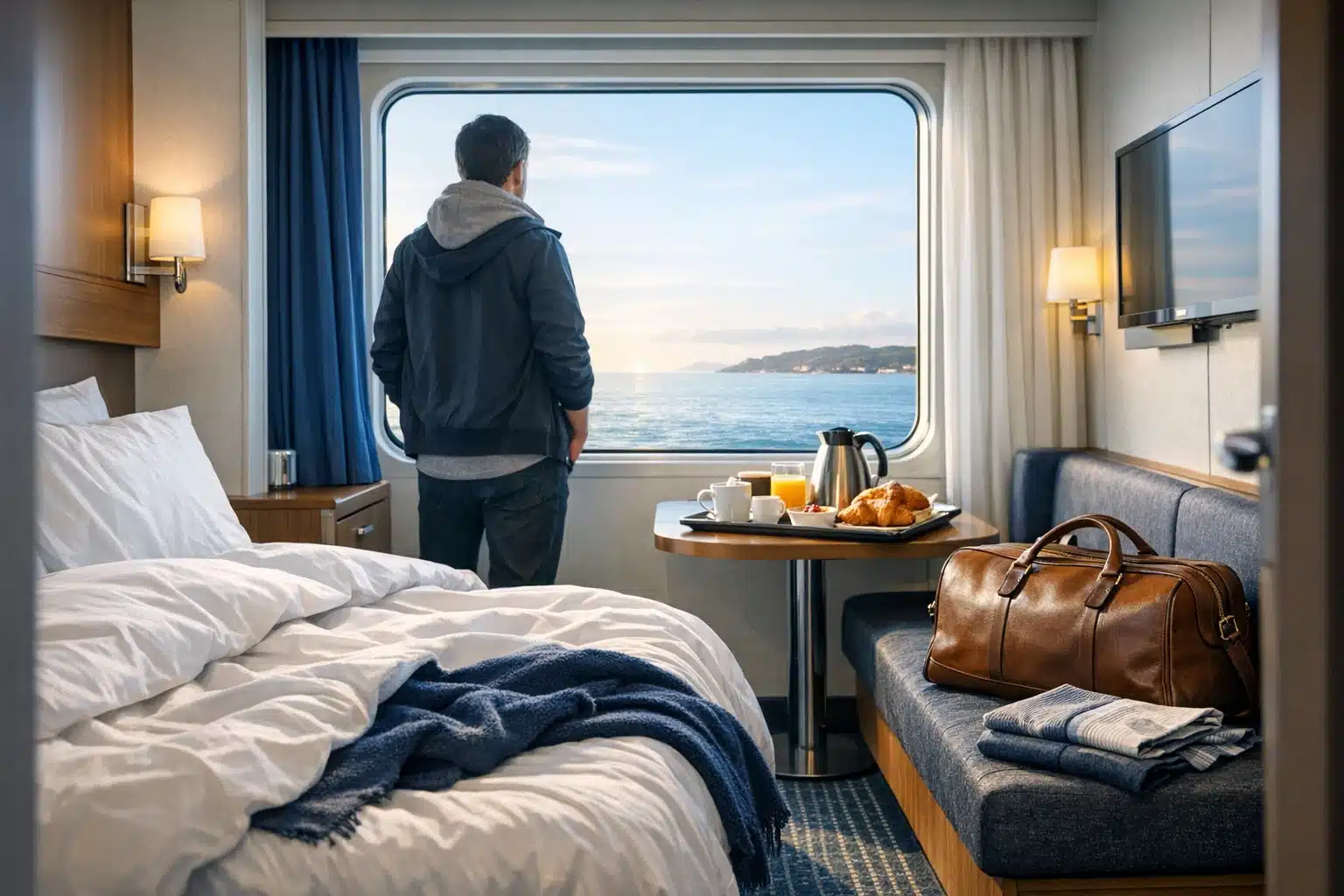
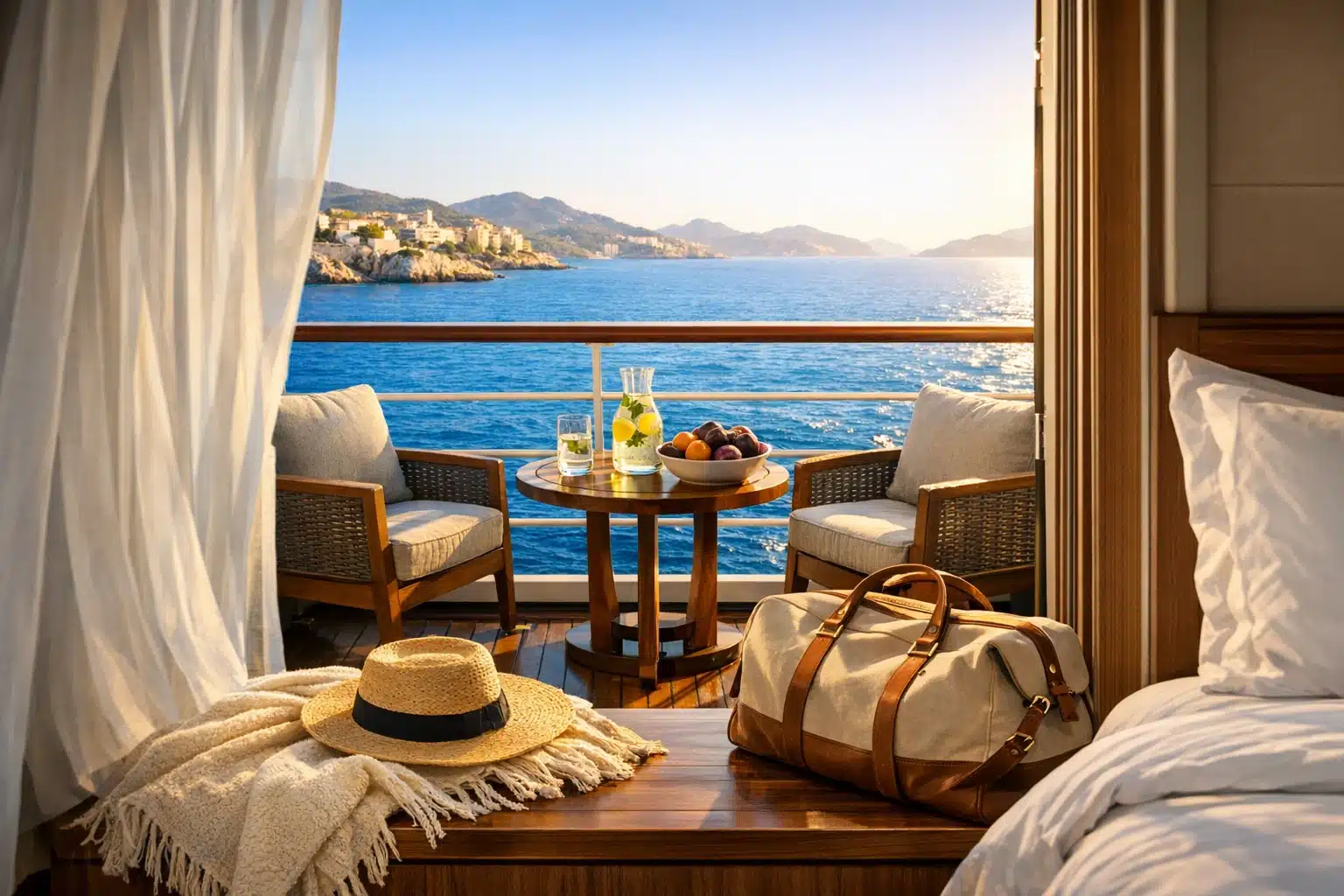
The advertised fare is only the starting point, and seasoned cruisers know this instinctively. A smart plan for an 8-night sailing begins with the cabin category, because that one decision shapes both budget and comfort. Inside cabins are usually the most affordable and can be excellent value for travellers who treat the room as a place to sleep and shower. Ocean-view cabins add natural light, which many people find helpful on North Sea routes where weather and daylight can shift noticeably. Balcony cabins are often the most tempting choice for fjord itineraries because they allow private views during scenic sailing, but the premium is not always small.
If price matters most, compare total trip cost rather than the headline number. Two cabins may appear similar until you factor in gratuities, drinks, wi-fi, parking, and excursions. On mainstream lines, gratuities can add a daily charge per person unless they are built into the fare. Drinks packages range widely, but it is common to see prices that make sense only for passengers who will genuinely use them every day. If you mostly drink tea, coffee, and the occasional glass of wine, paying as you go can be cheaper. The same logic applies to dining upgrades and photo packages: useful for some, unnecessary for others.
Common extra costs include:
• terminal parking or taxi transfers
• travel insurance
• shore excursions
• gratuities or service charges
• specialty restaurants
• alcoholic drinks, soft drinks, or premium coffees
• wi-fi packages
• spa treatments and salon services
As a rough planning framework, many travellers add a contingency fund beyond the cruise fare so surprises do not sour the trip. Excursions in northern Europe can vary sharply in price depending on distance and duration. A short walking tour may be modest, while a full-day fjord trip or private guide can be significantly more. Families should also check whether children’s club access is included and whether certain activities have extra fees.
Comparison shopping matters here. Sometimes a slightly higher fare includes drinks, tips, or onboard credit, making it better value than a cheaper base price with many extras. Read what is bundled. Read it twice. Cruise pricing rewards attention to detail more than optimism. A well-chosen fare should match how you actually travel, not how a sales page imagines you travel.
Packing, Weather, and Shore Excursion Strategy
Packing for a North Sea cruise is less about fashion and more about flexibility. Even in summer, conditions can change quickly between departure day in northeast England and a breezy Norwegian port or an exposed deck at sea. The best approach is layering. A light waterproof jacket, knitwear or fleece, comfortable walking shoes, and clothing that can be combined in different ways will serve most travellers better than bulky single-purpose items. If your ship has formal or smart-casual evenings, check the dress guidance in advance rather than guessing.
Weather is one of the biggest variables on these routes. A mild embarkation day does not guarantee warm conditions later in the voyage. Spring and autumn sailings can feel distinctly cool, while summer departures may still bring wind that makes open decks much colder than inland temperatures suggest. For fjords itineraries, the scenery may be spectacular even in mist or light rain, so the goal is not perfect sunshine but practical comfort. Waterproof footwear and a compact umbrella can save a day ashore.
A reliable packing list usually includes:
• passport and cruise documents
• travel insurance details
• any required medications in hand luggage
• a day bag for port visits
• layered clothing
• waterproof outerwear
• comfortable shoes with grip
• a power bank for long sightseeing days
• a plug adapter if needed for time ashore
• sunglasses and sunscreen, even on cooler itineraries
Shore planning also deserves care. Not every port places you directly in the city centre. Some continental calls require transfer time, and some fjord stops are small enough that independent wandering is simple, while others are better explored through an organised excursion. If you value certainty and want minimal logistics, ship excursions can be convenient, though they often cost more. Independent planning may save money, but it requires confidence with local transport, timings, and the all-important return-to-ship deadline.
One useful strategy is to mix both approaches. Book organised tours for ports with long travel distances or limited transport options, then explore independently where the town is walkable from the pier. Before each stop, ask four practical questions: How far is the main attraction? How much walking is involved? What is the weather forecast? How much buffer time will I leave before all-aboard? That last point matters enormously. Cruise ships wait for their own excursions when delays occur; they are far less patient with independent late returns.
Embarkation, Onboard Life, and Who Will Enjoy This Holiday Most
Embarkation day tends to set the tone, so a little planning pays off. Most cruise lines assign arrival windows, and following that guidance usually means shorter queues and a calmer boarding process. Keep passports, booking documents, luggage tags, and essential medication easy to reach. Checked bags may not arrive at your cabin immediately, so your hand luggage should carry anything you would need for the first few hours. That typically means chargers, valuables, paperwork, and if you want to change quickly, one set of casual evening clothes.
Once onboard, the first task is not to do everything but to understand the ship’s rhythm. Find your cabin, confirm dining times, note where the main restaurants and lounges are, and check the daily program. On an eight-night sailing, the ship becomes a small temporary town with its own routine. Breakfast windows matter. Show times fill up. Quiz sessions, enrichment talks, spa slots, and dining reservations all create a soft structure around the voyage. Travellers who spend twenty minutes learning this pattern on day one often have a smoother week than those who drift and then scramble.
Sea days are where many first-time cruisers discover whether they truly enjoy cruising. The good news is that there is no correct way to use them. Some people treat them like floating hotel days, with long breakfasts, books, and a chair by the window. Others build an active schedule of trivia, gym sessions, lectures, live music, and afternoon tea. Families may rely on kids’ clubs and pool time. Couples often use sea days for the quieter pleasures: a slow lunch, a promenade walk, a horizon watched without agenda.
This kind of trip tends to suit:
• travellers who want a no-fly holiday
• people who enjoy seeing several destinations without repacking
• first-time cruisers looking for a manageable voyage length
• retirees and multigenerational families
• couples seeking a convenient break with some structure
It may suit less well if you dislike fixed dining times, find sea movement uncomfortable, or prefer very long stays in one destination. Yet for many people, that balance of movement and ease is exactly the attraction. You unpack once, wake up somewhere new, and let the ship handle the long distances while you sleep. That is the quiet magic of cruising from Newcastle: the journey does not interrupt the holiday; it becomes part of it.
Conclusion for Travellers Planning a Northern Departure
If you want a holiday that begins with less hassle, an 8-night sailing from Newcastle is one of the most practical cruise options in the UK. It works particularly well for travellers who value easy access, varied scenery, and a schedule that feels substantial without demanding too much time away. Choose the itinerary style that matches your interests, budget for the extras that matter to you, and pack with northern weather in mind. Do that, and this kind of voyage can feel refreshingly simple from the first day on the Tyne to the final morning back at the terminal.