7-Night Cruise From Liverpool: Itinerary and Travel Tips
Introduction and Article Outline
A 7-night cruise from Liverpool offers an easy way to combine city departure convenience with the shifting scenery of the Irish Sea, Atlantic edge, or northern Europe. For travelers in northwest England, it removes the hassle of a long airport transfer while still delivering the satisfying sense of escape that makes a holiday feel special. This guide explains how these voyages are usually structured, what each day may involve, and how to plan with confidence before boarding.
Liverpool has long been associated with maritime travel, so beginning a cruise here feels practical and atmospheric at the same time. Instead of starting your holiday with a rushed airport check-in, you can often reach the port by train, taxi, or car and step onboard with the city skyline still in view. That easier beginning is one of the main reasons these sailings attract couples, retired travelers, families, and first-time cruisers who want a manageable introduction to life at sea. A seven-night schedule is also a useful middle ground: longer than a quick mini-break, but still short enough to fit around work, school holidays, or a first attempt at cruising.
Most 7-night cruises from Liverpool are built around one of several regional patterns. Some focus on Ireland and Scotland, combining short sea passages with culturally rich ports. Others head toward the Norwegian fjords in the warmer months, offering more scenic cruising and longer stretches at sea. In either case, passengers usually get a mix of embarkation day, port days, one or two sea days, and a final morning return to Liverpool. That balance matters because it shapes the whole holiday experience: energetic travelers may want frequent stops, while others value the slower rhythm of sea days and onboard relaxation.
This article is organized in five parts:
• how a typical 7-night itinerary is structured
• which ports are most common and how they compare
• what to expect on embarkation day and during shore visits
• how to choose cabins, pack well, and prepare for changing weather
• how to budget sensibly and decide whether this style of trip suits you
Think of the following guide as both map and compass. Exact routes vary by cruise line and season, but the practical questions rarely change: How busy is embarkation? Are shore excursions worth the price? Will the sea feel rough? What should you bring for a week that might include sunshine, wind, drizzle, and a formal dinner? By answering those questions clearly, the rest of the article aims to help you move from vague interest to informed planning.
Typical 7-Night Itineraries From Liverpool: What the Week Usually Looks Like
A 7-night cruise is usually sold as a week-long holiday, but in practical terms it spans eight calendar days: embarkation on day one and disembarkation on day eight. That sounds simple, yet the pattern of those days can vary a lot. From Liverpool, the most common itineraries tend to fall into two broad groups. The first is the Ireland and Scotland style of voyage, where ports may include Belfast, Greenock for Glasgow, Dun Laoghaire for Dublin, Cobh for Cork, or Douglas on the Isle of Man. The second is the scenic northern route, often aimed at the Norwegian coast, where sea days become more prominent and landscapes play a bigger role than city touring.
A classic regional itinerary might look something like this:
• Day 1: Embark in Liverpool, settle into your cabin, attend safety drill, depart in the evening
• Day 2: First port call or a short sea day
• Day 3: Major stop such as Belfast or Greenock
• Day 4: Another port or a sea day
• Day 5: Southern Irish call such as Cobh
• Day 6: Port near Dublin or a scenic sailing day
• Day 7: Final stop or relaxed day at sea
• Day 8: Return to Liverpool and leave the ship in the morning
This structure matters because it affects both energy levels and expectations. Port-heavy itineraries can feel rewarding, but they also involve early starts, shuttle buses, walking, and a constant need to watch the time. A route with one or two sea days can feel more balanced, especially for travelers who genuinely want to enjoy the ship. That is an important distinction. Some people book a cruise because they want a floating hotel that moves them efficiently between destinations. Others book because they like the onboard routine of breakfast with a sea view, afternoon lectures, evening shows, and the small thrill of waking up somewhere new.
Comparing Liverpool departures with fly-cruises also helps. Flying to the Mediterranean may offer warmer weather and longer beach seasons, but it usually adds airport transfers, baggage rules, and more logistical pressure. Liverpool departures simplify the beginning and end of the trip, though the trade-off is a higher chance of cool, windy, or changeable weather. Sea conditions can also be more noticeable in the Irish Sea and Atlantic approaches than in some enclosed southern cruising areas. If you are sensitive to motion, itinerary choice becomes especially relevant. A route featuring more exposed water may feel different from one with shorter hops between nearby ports.
There is also a seasonal layer to consider. Spring sailings often bring crisp air, fresh coastal scenery, and lower crowds in some destinations, but temperatures can be modest. Summer usually offers the longest daylight hours and the best chance of pleasant conditions, though prices may rise around school holidays. Autumn can be atmospheric and good value, yet weather disruption is slightly more likely. As the ship eases away from Liverpool and the River Mersey widens behind you, the week ahead is defined less by one fixed template than by the interplay of distance, weather, port access, and your own travel priorities.
Ports, Embarkation, and Shore Planning: Making the Most of Time Ashore
Embarkation day sets the tone for the whole holiday, so it helps to understand how Liverpool departures usually work. Cruise lines commonly assign staggered arrival windows to reduce crowding, and arriving too early can be almost as inconvenient as arriving too late. In most cases, you drop checked luggage before going through security and document control, then wait to board in stages. Because policies vary, it is wise to keep passports, booking documents, medications, valuables, and a phone charger in your hand luggage rather than in your main suitcase. Even on itineraries focused on the British Isles, many cruise lines still require passports as standard identification, so do not assume a domestic-style process.
Liverpool’s cruise facilities benefit from a central location, which is one of the city’s strongest selling points. If you arrive by rail, Lime Street station is a relatively short taxi ride from the waterfront. If you drive, parking options should be checked well in advance because cruise-specific packages, walking distance, and transfer arrangements differ. A hotel stay the night before can be a smart choice for travelers coming from farther away, especially in winter or during rail disruption. Removing last-minute stress often makes the first day feel more like a holiday and less like an obstacle course.
Once the cruise begins, shore planning becomes the next major decision. In ports such as Belfast, Cobh, Greenock, or Dun Laoghaire, you often face a choice between a ship excursion and independent exploration. Excursions cost more, but they offer structure and the reassurance that the ship is unlikely to leave without you if the tour is delayed. Independent travel can be better value and more flexible, especially when transport links are straightforward. For example:
• Cobh has rail access toward Cork, making independent sightseeing quite practical for confident travelers
• Greenock can serve as a gateway to Glasgow, though transfer time must be built into the day
• Dun Laoghaire is outside central Dublin, so transport planning is important before setting off
• Some ports may use shuttle buses, adding both convenience and an extra layer of timing
The key is to work backward from “all aboard” time, not from the ideal length of your visit. If the ship requires passengers back by late afternoon, that may leave less real sightseeing time than brochures imply. Weather matters too. A rainy, windy port day can change your plans entirely, especially if your schedule involves tendering or long walks. It is often worth selecting one major sight, one secondary option, and one simple fallback such as a museum, waterfront stroll, or local café. That way you do not lose the day if conditions shift.
One of the overlooked pleasures of these itineraries is contrast. You may spend one day in a lively city, another in a smaller port town, and the next looking at open water from the promenade deck. Good shore planning is not about cramming in every landmark. It is about matching your energy, mobility, and interests to the actual time available, so each stop feels deliberate rather than rushed.
Life Onboard: Cabins, Packing, Weather, and Comfort at Sea
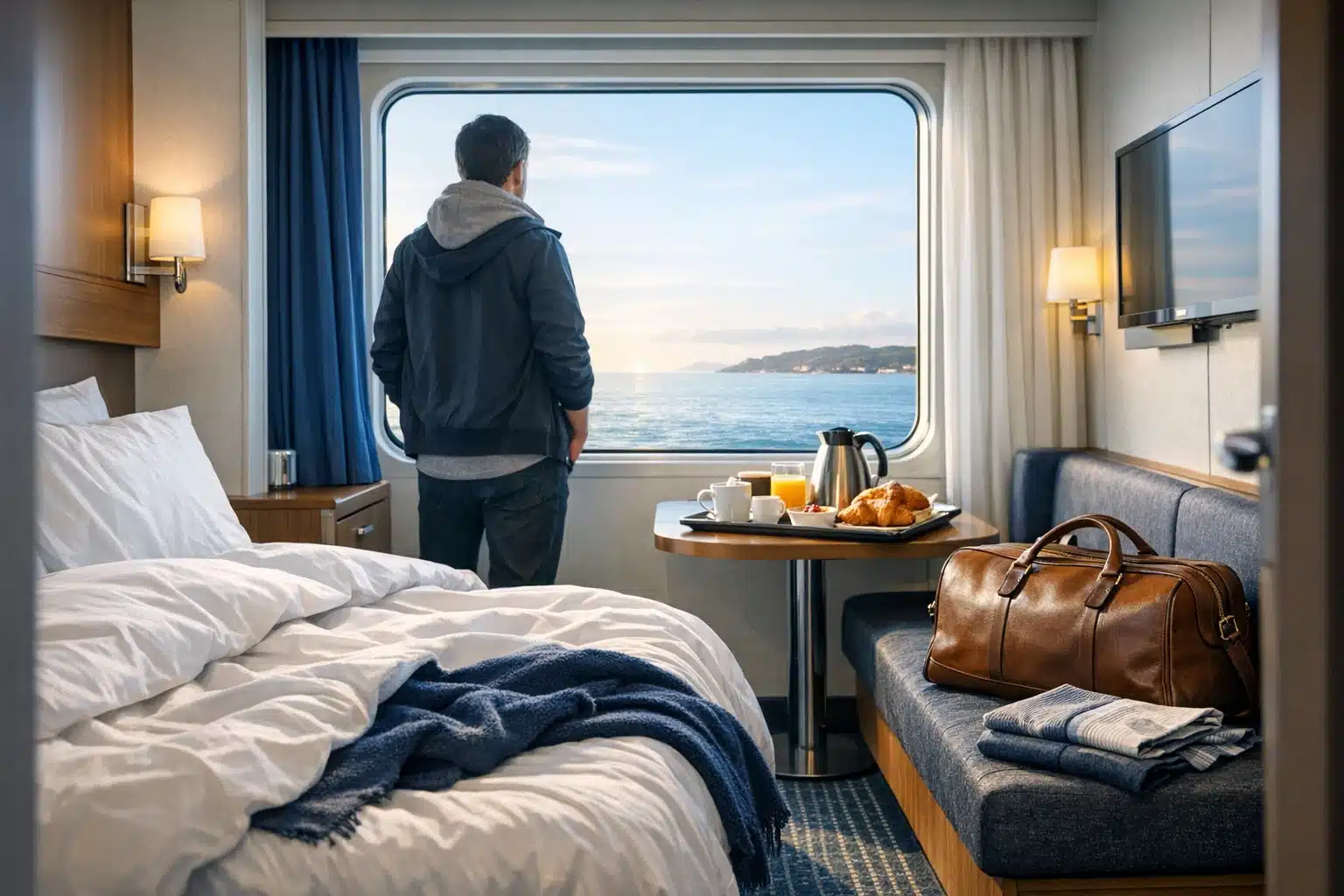
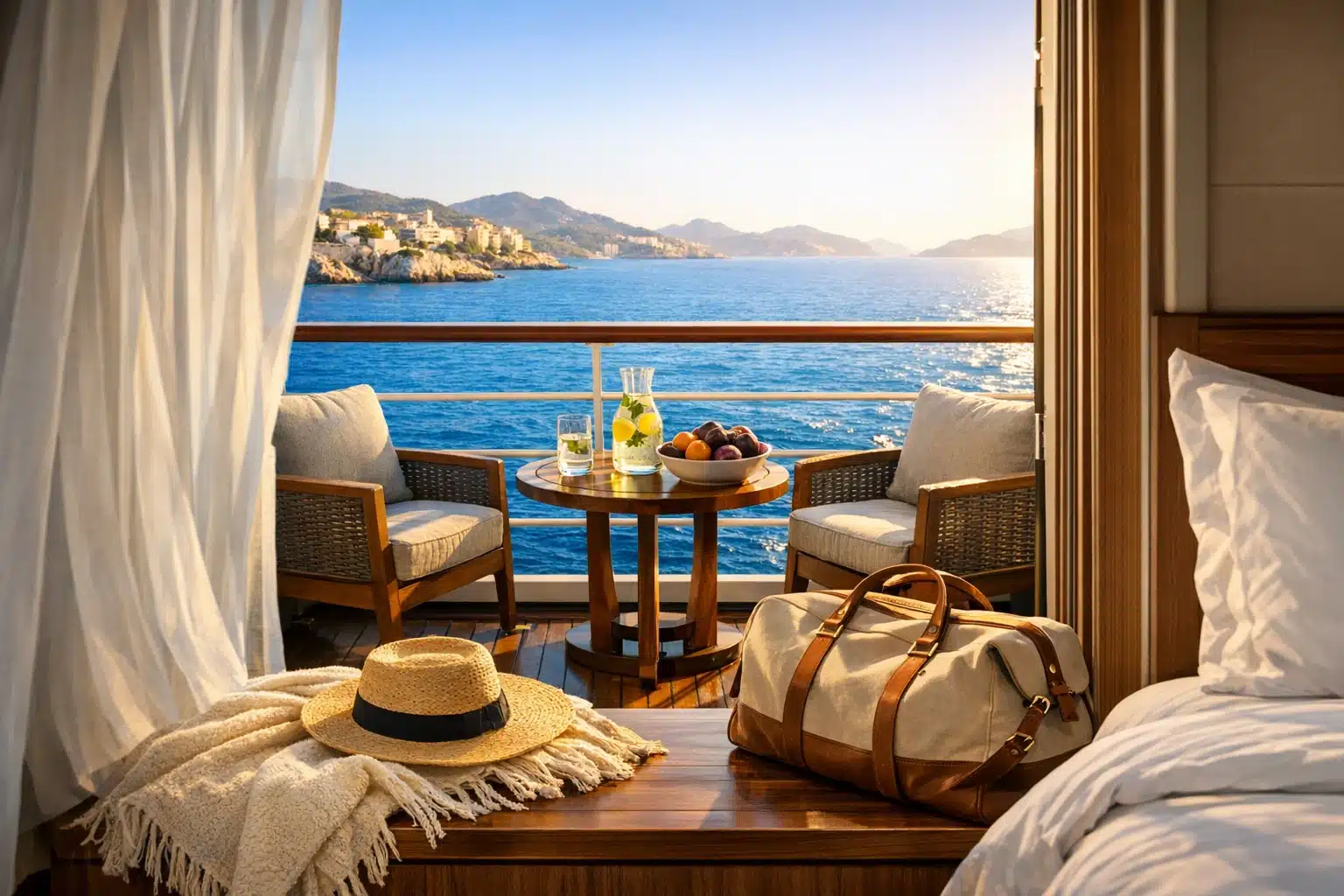
A week onboard is long enough for cabin choice and packing strategy to make a noticeable difference. Many travelers booking from Liverpool are trying cruising for the first time, and the biggest question is often whether to save money with an inside cabin or spend more for a window or balcony. Inside cabins are usually the most affordable option and can be surprisingly comfortable if you treat them as a quiet place to sleep and shower. Ocean-view cabins give you natural light, which many passengers find helpful for orientation and mood. Balconies add private outdoor space, but their value depends on route and personality. On a scenic sailing, a balcony can be rewarding; on a cool, windy itinerary with busy port days, some travelers barely use it.
Packing for a Liverpool departure also requires realism about climate. Even in summer, conditions on deck can shift quickly from mild sunshine to strong wind. Layers are more useful than single heavy items because they let you adapt across the day. A sensible packing list often includes:
• a waterproof jacket
• shoes with good grip for wet pavements and ship decks
• a warmer mid-layer such as knitwear or fleece
• smart-casual evening wear
• any formal or dressier outfit required by your cruise line
• seasickness remedies if you are prone to motion
Sea conditions deserve honest discussion. The Irish Sea and waters west of Britain can feel livelier than some first-time cruisers expect. Modern ships are equipped with stabilizing technology, but no vessel can remove movement entirely. If you are concerned, choose a cabin in a lower, more central part of the ship, where motion is often less noticeable than at the front or high up. Bringing remedies is sensible even if you do not usually suffer from travel sickness, because prevention tends to work better than trying to react once symptoms begin.
Onboard life usually settles into a rhythm after the first day. Breakfast may be casual, lunch flexible, and evenings divided between dining, bars, quizzes, live music, theatre-style shows, or simply watching the horizon darken. Most standard fares include accommodation, main dining, buffet meals, and a core entertainment program, but extras such as specialty restaurants, spa treatments, drinks packages, and internet access may cost more. That distinction is important when comparing cruise prices. A fare that seems excellent at first glance may look less impressive once add-ons are included.
It also helps to pace yourself. New cruisers sometimes try to attend every event, every meal, every trivia session, and every show in the first two days. By day four, they are more tired than they were at home. A better approach is to treat the ship like a small moving town: explore it, sample what interests you, and leave room for unplanned pleasures. Sometimes the most memorable part of the week is not the headline excursion but the quiet half hour when the ship glides through grey-blue water and you finally remember what it feels like not to rush.
Budgeting, Booking Strategy, and Final Advice for Travelers Considering Liverpool Cruises
The advertised fare for a 7-night cruise is only the starting point, so a realistic budget should include both included and optional costs. In many cases, your basic fare covers the cabin, standard meals, housekeeping, and general entertainment. What it may not cover are alcoholic drinks, premium coffees, specialty dining, shore excursions, parking, travel insurance, gratuities if they are charged separately, and onboard internet. These extras can significantly change the final price, which is why comparing cruises on fare alone can be misleading. Two itineraries that look similar at booking stage may end up with very different total costs once everything is added.
One of Liverpool’s strongest advantages is value beyond the cruise fare itself. For travelers living in northern England, North Wales, or parts of the Midlands, departing locally can cut hotel, rail, or domestic flight expenses. It also reduces the “holiday friction” that often comes with flying: luggage limits, security queues, airport transfers, and the risk of flight delays affecting embarkation. That does not make a Liverpool cruise automatically cheaper than every alternative, but it often makes the overall experience simpler and easier to budget for.
Booking strategy depends on your priorities. Early booking can help if you want a specific cabin type, a particular school-holiday date, or a route that sells quickly, such as a summer fjord sailing. Late deals do appear, but they work best for flexible travelers who are relaxed about cabin location and destination. If your main aim is simply “a week away from Liverpool,” flexibility can be your biggest money-saving tool. If your main aim is “a balcony cabin on a peak-summer itinerary with minimal sea days,” it usually pays to book earlier.
Before confirming, ask practical questions:
• Are gratuities included?
• Is parking available and what does it cost?
• Do you need a passport for this itinerary?
• Are shuttle buses included in certain ports?
• How many sea days are there, and does that suit your travel style?
• What is the cancellation policy and what insurance do you need?
For the right traveler, a 7-night cruise from Liverpool can be a very balanced holiday. It suits people who value convenience, enjoy seeing several places in one trip, and do not mind that weather in northern waters can be changeable. It is especially good for first-time cruisers who want a manageable trial without adding air travel, and for repeat cruisers who appreciate the ease of sailing close to home. If you like the idea of unpacking once, letting the ship carry you from port to port, and returning to Liverpool a week later with sea air still in your coat, this format makes a persuasive case for itself.
In summary, the smartest approach is to match the itinerary to your temperament. Choose more ports if you love busy sightseeing days, more sea time if you want rest and scenery, and a realistic budget if you prefer financial clarity to onboard surprises. A Liverpool departure is not just a point of embarkation; for many travelers, it is what makes the whole trip feel accessible. If that combination of convenience, variety, and maritime atmosphere appeals to you, a seven-night sailing can be an excellent way to begin or renew your relationship with cruising.