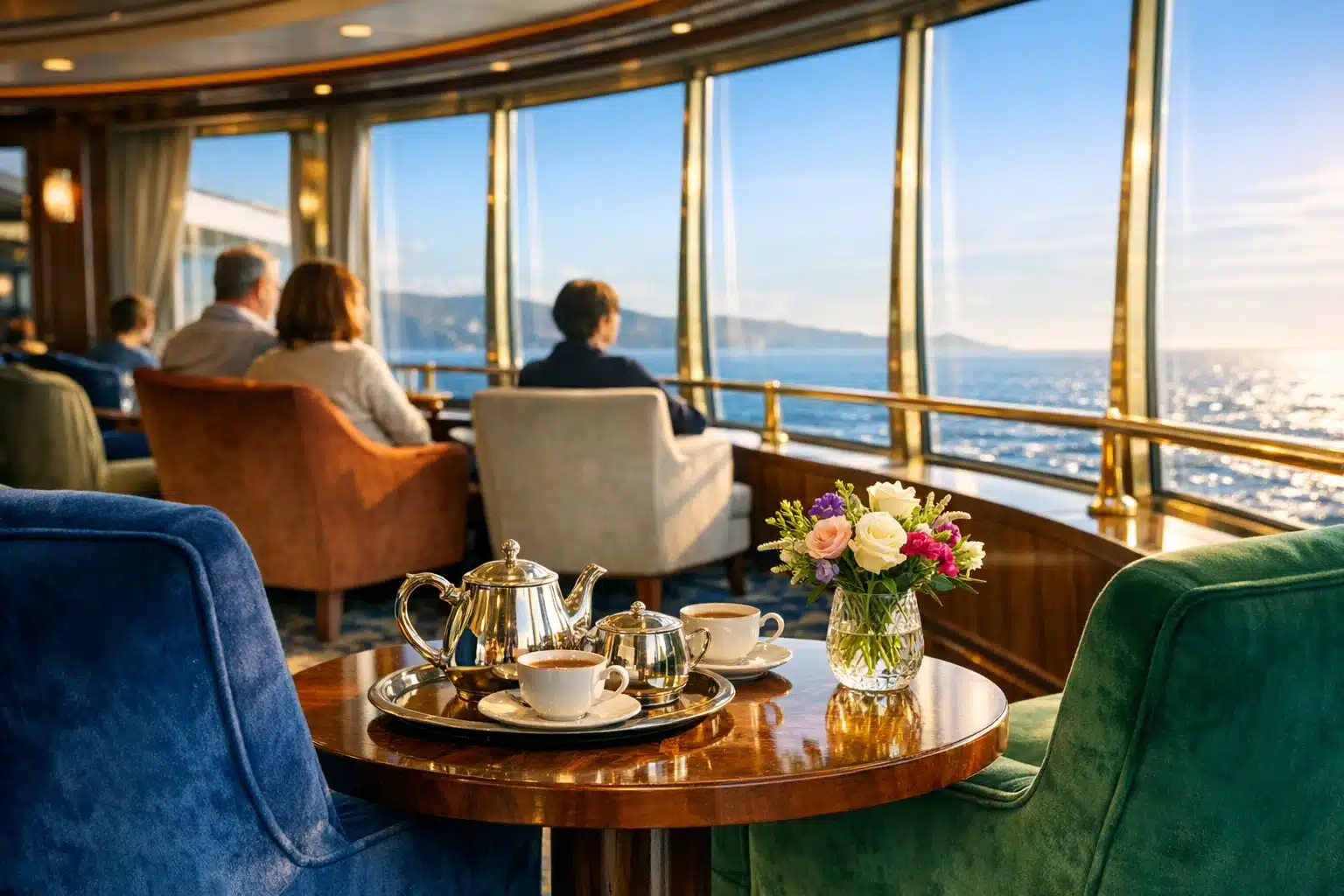
 Artificially generated image
 3-Night Cruises Around the UK: What to Expect and How to Choose
A 3-night cruise around the UK gives travellers a practical way to sample coastal scenery, historic ports, and life at sea without using up a full week of leave. It suits first-time cruisers, couples planning a quick escape, and regular holidaymakers who want a change from trains, hotels, and airport queues. Because the voyage is short, every choice matters more, from itinerary and season to cabin type and onboard atmosphere. This guide explains what these mini-cruises usually include and how to choose one that fits your budget, pace, and expectations.
Outline: 1) why these short cruises have become popular, 2) the main itinerary patterns around UK waters, 3) what daily life on board really feels like, 4) the practical side of cost, weather, and packing, and 5) how different travellers can choose the right sailing with confidence.
Why 3-Night Cruises Around the UK Are So Appealing
A 3-night cruise sits in a useful middle ground between a classic holiday and a simple weekend away. It is longer than an overnight ferry trip, yet much less demanding than a seven- or fourteen-night itinerary. For many travellers, that balance is the whole attraction. You unpack once, settle into your cabin, and let the ship do the moving while you enjoy a changing view outside the window. There is something quietly satisfying about stepping on board in a busy port city and waking up the next morning to a different skyline or a fresh sweep of open water.
These short sailings are especially relevant in the UK travel market because they work well for people with limited time. A long weekend can be enough. Families may use them as a school-break treat, couples may treat them as a compact escape, and older travellers sometimes prefer them as a lower-commitment way to test whether cruising suits their pace. First-time cruisers often find them less daunting than longer trips. If you discover that ship life is not for you, the holiday is over quickly. If you enjoy it, the cruise becomes a useful stepping stone toward longer voyages.
It is also worth clarifying what “around the UK” usually means in practice. In just three nights, a ship will not circle the entire British coastline. Instead, these cruises usually sail in UK waters or depart from a UK port to visit one or two nearby destinations, sometimes including another UK city, a scenic stretch of coastline, or a close regional port. The term often covers coastal mini-cruises, Irish Sea crossings, North Sea city breaks, or scenic sailings that emphasize the experience of being at sea as much as the destination itself.
Several features explain why this format keeps attracting interest:
• short duration that fits easily into work schedules
• lower headline fares than longer cruises, though extras still matter
• a chance to test a cruise line, cabin category, or ship style
• convenient departures from ports such as Southampton, Liverpool, Newcastle, Portsmouth, or Belfast
• an easy blend of entertainment, dining, and light sightseeing
There is a financial angle as well. Short cruises can look affordable at first glance, and often they are, but value depends on what is included. A low fare can still be affected by parking, transport to the port, drinks, specialty dining, Wi-Fi, or gratuities if these are charged separately. That makes informed selection important. On a longer voyage, you can spread fixed costs across more nights. On a 3-night trip, each extra fee has a larger impact on the total spend.
In other words, the popularity of these cruises is not just about price or novelty. It is about efficiency. A mini-cruise can offer sea views, entertainment, restaurants, and a sense of departure from daily life in a very compressed window. For travellers who want movement, comfort, and a little maritime atmosphere without turning the calendar upside down, it is an unusually practical kind of break.
Typical Itineraries and How UK Short Cruises Differ
Not all 3-night cruises around the UK feel the same, and this is where many booking decisions are won or lost. Some are destination-led, built around a quick visit to one city or coastal town. Others are sea-day heavy and use the journey itself as part of the appeal. A few are almost entirely about the ship: dining, theatre, bars, deck walks, and the simple pleasure of watching the horizon change colour. On paper, two cruises may both last three nights, yet one may feel energetic and urban while the other feels calm and self-contained.
Common itinerary patterns include round trips from major English ports, sailings between UK cities, and routes that touch nearby islands or regional harbours. A ship leaving Southampton might spend much of the voyage at sea before making a short port call and returning. A sailing from Liverpool could be more focused on the Irish Sea, sometimes pairing sea time with a stop in Belfast or another nearby destination. Northern departures may lean toward Scotland’s east coast, the North Sea, or scenic passages where weather and daylight shape the experience as much as the timetable does.
The main route types can be compared like this:
• Port-focused mini-cruises: best for travellers who want a day ashore, local food, shops, museums, or a quick city break feel.
• Scenic sailings: best for travellers who care more about sea views, deck time, and the atmosphere of the ship than about ticking off destinations.
• Mixed itineraries: a balance of one meaningful stop and enough time on board to enjoy the ship properly.
• Repositioning-style short segments: sometimes offered as part of a ship’s wider schedule, often attractive for value if the route suits your transport plans.
Departure port matters almost as much as the route itself. A cheap fare from a distant port can become less attractive once rail fares, petrol, hotels, or parking are added. Southampton is a major cruise gateway and often offers the broadest range of sailings, but Liverpool can be ideal for travellers in the North West, while Newcastle or Leith may be more practical for those based farther north. Belfast can work well for travellers in Northern Ireland who want to avoid the added complexity of flying just to begin a short break.
You should also think about tempo. In only three nights, every hour counts. If a cruise arrives in port late and departs early, the stop may be more of a taster than a deep visit. That is not necessarily a flaw. Some travellers prefer exactly that: a quick wander, a pub lunch, a museum, and back on board before sunset. Others would rather choose a route with more sea time and treat the ship as the destination. The trick is to match itinerary design with personal expectations. If you imagine long shore excursions and detailed sightseeing, a 3-night cruise can feel rushed. If you want a compact maritime break with one or two highlights, it can feel just right.
The best short route, then, is not simply the one with the most stops. It is the one whose rhythm matches your own. Some travellers want the pulse of a port city; others want to stand on deck with a coffee as gulls circle the wake and the coastline softens into mist. Both experiences can be excellent, but they are not the same holiday.
What to Expect On Board During a 3-Night Cruise
Life on board a 3-night cruise moves quickly. Embarkation day is usually busy, because passengers are checking in, locating cabins, completing the safety drill, and learning the layout of the ship in a short window of time. Unlike a longer voyage, there is very little settling-in period. The first afternoon matters, and experienced cruisers often treat it strategically: unpack early, explore the public spaces, confirm dining reservations, and check the daily programme. By the time the ship leaves port, the holiday is already in motion.
One of the biggest surprises for first-time guests is how much a short cruise can still include. Even on a three-night schedule, most ships offer several dining venues, bars, lounges, live music, quizzes, shows, fitness facilities, and some form of spa or wellness space. The difference is not whether activities exist, but whether you can fit them all in. A mini-cruise often feels like a menu with too many good options. You may need to choose between the theatre and the late dinner sitting, between a deck drink at sunset and a trivia contest indoors, or between a lazy breakfast and making the most of your few hours ashore.
The atmosphere varies significantly by cruise line and ship style. Mainstream lines tend to create a lively, social environment, often with broader entertainment and a wide age mix. More traditional lines may emphasize quieter lounges, classic service, and a slower pace. Some ships are better for families, while others appeal more strongly to couples or adults seeking a calmer onboard mood. That is why reviews, deck plans, and recent passenger feedback are worth reading before booking. In a short cruise, even small mismatches in atmosphere stand out quickly.
Most fares include the cabin, main meals, and a core entertainment programme. However, travellers should expect some extras:
• drinks beyond basic self-service tea, coffee, or water in certain venues
• specialty restaurants with a supplement
• Wi-Fi packages
• spa treatments
• shore excursions
• gratuities on lines that do not include service charges automatically
Cabin choice is another area where expectations need adjusting. On a long voyage, travellers may justify paying more for a balcony because they will use it repeatedly. On a 3-night trip, the value calculation changes. An inside cabin can make sense if you plan to spend most of your time in public spaces. An ocean-view cabin gives natural light without the price jump of a balcony. A balcony can still be lovely, especially on scenic routes, but only if you genuinely expect to use it rather than simply admire the idea of it.
Perhaps the most memorable part of a short cruise is the atmosphere after departure. The ship eases away from the dock, gulls hover overhead, and familiar land begins to recede. That moment often explains the appeal of cruising better than any brochure can. Even on a brief sailing, there is a distinct shift in mood: the ordinary timetable loosens, meals appear without planning, and the sea provides a kind of moving horizon that makes a three-night break feel larger than it is. The shortness of the voyage does not reduce the experience; it sharpens it.
Costs, Weather, Packing, and Other Practical Realities
Budget planning is one of the most important parts of choosing a 3-night cruise around the UK because short sailings can be excellent value or unexpectedly expensive depending on how you book. The headline fare is only the beginning. Transport to the port, overnight pre-cruise hotels, parking, drinks, excursions, and optional onboard spending can alter the total dramatically. A cheap cabin from a distant departure point may cost more overall than a slightly pricier sailing from a port you can reach in two hours by train or car.
Season also shapes value. Summer and school-holiday departures often carry stronger demand, while shoulder-season sailings in spring and autumn can offer attractive pricing. Yet lower fares may come with cooler weather, shorter daylight hours, or rougher seas in exposed waters. The UK’s maritime climate is changeable in every season, so travellers should plan for variety rather than perfection. Even in late spring, a sunny deck can turn windy quickly. In autumn, a bright morning in port may give way to a wet, rolling evening at sea.
Weather affects more than comfort. It can influence itineraries, particularly on short cruises where there is little flexibility to recover lost time. High winds may delay docking, alter arrival times, or reduce the practicality of certain shore plans. This is one reason many experienced travellers treat port calls on mini-cruises as a bonus rather than a guarantee of a full day ashore. If your entire decision rests on one museum visit or one tightly timed excursion, the trip may feel fragile. If you value the overall experience of the ship as well, you are more likely to stay satisfied even if conditions change.
A practical packing list for this kind of trip is refreshingly simple:
• layers rather than single heavy items
• a waterproof jacket or compact umbrella
• comfortable shoes for embarkation and port walks
• smart-casual evening wear, with something dressier if the ship has formal or themed nights
• any seasickness remedies you trust
• chargers, travel documents, and medication in your hand luggage rather than your main case
Travellers should also check the fine print before booking. Useful questions include:
• Are gratuities included?
• Is there flexible dining or fixed dining?
• What is the drinks policy?
• How long are the actual port hours?
• Is parking available at the terminal?
• Are there adult-only areas, family facilities, or accessible cabins if needed?
Another practical reality is timing. A 3-night cruise usually rewards punctuality and advance planning more than a longer holiday does. Arrive at the port relaxed, not rushed. If your journey is long, a hotel the night before can reduce stress, especially in winter or during rail disruption. Short cruises work best when logistics are smoothed out in advance. The less energy you spend worrying about the start and finish, the more the voyage feels like the clean little escape it is meant to be. Think of it as a compact production: every detail is still small enough to control, and that is part of its charm.
How to Choose the Right 3-Night Cruise for Your Travel Style
If you are trying to choose between several 3-night cruises around the UK, start with the question that matters most: what kind of break do you actually want? Many booking mistakes happen because travellers choose according to price alone, or because the ship looks attractive in photos, without thinking about pace. A short cruise magnifies fit. If you want nightlife, social energy, and lots happening after dinner, a quieter traditional ship may feel flat. If you want space to read, stroll, and watch the coast, a party-focused sailing may feel too busy.
For first-time cruisers, the best choice is often a round trip from the easiest possible departure port, ideally on a ship with straightforward dining and a balanced mix of entertainment. Convenience is underrated. Saving two hours on the journey to the terminal can improve a short holiday more than upgrading from an inside cabin to an ocean-view cabin. For couples, the decision may lean more toward atmosphere: adult-friendly spaces, good dining, and enough sea time to make the break feel distinct from an ordinary city weekend. For groups of friends, bars, flexible meal options, and late-evening entertainment often matter more than the destination itself.
Different travellers can usefully prioritize different things:
• First-time cruisers: simple logistics, clear fare structure, one easy port call, stable onboard routine.
• Couples: appealing dining, a relaxed cabin category, scenic sailing time, and a ship with comfortable lounges.
• Solo travellers: sociable public spaces, fair single pricing if available, and activities that make it easy to join in.
• Families: school-holiday timing, child-friendly facilities, and realistic expectations about how much can be done ashore.
• Older travellers: accessible embarkation, calm onboard atmosphere, and itineraries that do not rely on rushed port days.
It also helps to decide where you want the value to sit. Some people prefer the lowest possible base fare and keep extras to a minimum. Others are happier paying more up front for a better cabin, included drinks, or a line known for a service style they already enjoy. Neither approach is inherently better. The goal is to avoid paying for things you will not use. A balcony on a port-heavy trip may offer less value than upgraded dining on a sea-focused sailing. A drinks package can be sensible for one traveller and wasteful for another.
The most suitable 3-night cruise is usually the one that respects your time as much as your budget. If you are looking for a first taste of cruising, choose simplicity and convenience. If you want a quick romantic break, prioritize atmosphere and sea views. If you are a seasoned traveller who already knows what you enjoy, use the short format to be selective rather than experimental. These mini-cruises are not trying to replace a grand voyage around Britain; they serve a different purpose. They offer a compact, manageable, and often very enjoyable way to step out of routine, watch the coast slide by, and return home feeling that you really did go somewhere. For busy travellers, curious first-timers, and anyone tempted by the idea of a long weekend with a moving horizon, that can be exactly enough.