3 Night Cruise From Belfast: Itinerary and Travel Tips
Introduction
Short cruises from Belfast have become a smart option for travelers who want the atmosphere of a sea voyage without committing to a full week away. In just three nights, you can combine time on board with a taste of another port, a scenic sail, and the easy convenience of a no-fly departure. That mix makes these mini-breaks relevant for first-time cruisers, busy professionals, and couples looking for a compact getaway with surprisingly good value.
Article Outline
- What a 3-night cruise from Belfast usually includes, from embarkation to return.
- The most common itinerary styles, likely port calls, and how they compare.
- How to choose the right ship, cabin, and fare for a short sailing.
- Practical travel tips covering packing, transport, budgeting, and onboard planning.
- Ways to make the most of limited time, plus final advice for the travelers most likely to enjoy this type of trip.
What a 3-Night Cruise From Belfast Usually Looks Like
A 3-night cruise from Belfast is best understood as a compact floating city break. You are not trying to see half a continent in a rush; instead, you are buying a short, self-contained travel experience that mixes transport, accommodation, dining, and entertainment in one package. Most departures begin in the afternoon or early evening, with passengers arriving at the terminal in timed check-in windows. That structure matters because short cruises run on a tight rhythm. Unlike a seven-night sailing, there is less room for wasted hours, long unpacking sessions, or uncertain planning.
The first day is usually about boarding, finding your cabin, completing the safety drill, and getting familiar with the ship. Once the lines are cast off and Belfast begins to soften into the distance, the appeal of a mini cruise becomes obvious. There is a small thrill in watching the harbor recede while knowing your hotel, restaurant, and evening venue are all moving with you. Many travelers choose these sailings precisely because they deliver that “real cruise” feeling in a manageable format.
A common 3-night pattern looks something like this:
- Day 1: Embark in Belfast and sail in the evening.
- Day 2: Visit one nearby port, often in Great Britain or the Irish Sea region.
- Day 3: Spend a day at sea or split time between sailing and a second short stop, depending on the route.
- Day 4: Return to Belfast in the morning.
The exact port varies by cruise line, season, berth availability, and weather. Short routes are often designed around practical sailing distances rather than dramatic long-haul exploration. That is not a drawback. In fact, it is part of the strength of these trips. Because the distances are shorter, you spend more time enjoying the ship and less time dealing with airports, transfers, and complicated logistics.
Another feature of Belfast departures is convenience for travelers living in Northern Ireland and parts of the Republic of Ireland. A local departure can remove the cost of flights, airport hotels, baggage fees, and long pre-trip travel days. For many households, that no-fly factor is what turns a cruise from an occasional luxury into an achievable short break.
Still, expectations should be realistic. A 3-night cruise is not about ticking off major landmarks in multiple countries. It is more like sampling a well-prepared menu than ordering the banquet. You get enough time to learn how a ship feels, test the dining options, enjoy a show, perhaps stroll through one interesting destination, and decide whether cruising suits you. For first-timers, that trial value is significant. For experienced cruisers, these short voyages can act as an easy reset: a few sea breezes, a few good meals, a little music after dark, and the simple pleasure of waking up somewhere different.
Typical Itinerary Options and How the Ports Compare
When people search for a 3-night cruise from Belfast, they often hope for one fixed itinerary. In reality, short cruises rotate between several practical route types. The most common version is a round trip with one port call and one sea-focused day. Cruise lines favor nearby destinations that are close enough to reach overnight but interesting enough to justify a stop. From Belfast, that often means ports in northwest England, western Scotland, Wales, or the Isle of Man, though actual schedules vary from year to year.
Liverpool is one of the more attractive examples because it offers a strong city-break feel. The waterfront is visually impressive, the cultural offer is broad, and many central sights are relatively accessible if your ship is berthed conveniently. For travelers who like museums, music history, and walkable urban stops, Liverpool can feel lively and rewarding even on a short call. Greenock, often used as a gateway for Glasgow or scenic west Scotland touring, suits a different style of traveler. It may appeal more to those who want either a coach excursion or a taste of Scottish landscapes rather than a simple independent city stroll.
Another possible stop is Douglas on the Isle of Man, where the mood is quieter and more nostalgic. A short call there may suit travelers who enjoy promenades, heritage transport, and a slower pace. Holyhead can also appear on some regional schedules, often serving as a launch point for Anglesey or North Wales exploration rather than a major city destination in itself.
Here is a simple way to compare these common short-cruise port styles:
-
Liverpool: strongest for culture, museums, and an easy urban day.
-
Greenock: better for shore excursions and wider regional scenery.
-
Douglas: good for charm, seafront atmosphere, and a relaxed pace.
-
Holyhead: practical for scenic touring, though less of a stand-alone city stop.
Weather also plays a larger role on short Irish Sea cruises than some first-time travelers expect. Wind conditions can alter arrival times, and tenders may be affected more than fully docked calls. On a long voyage, one missed stop is inconvenient. On a 3-night trip, it can redefine the whole itinerary. That is why flexible expectations are so useful. Think of the port as one part of the value rather than the entire reason for booking.
For many travelers, the smarter comparison is not cruise versus longer cruise, but cruise versus land-based weekend break. A hotel weekend in one city gives you depth in one location. A short cruise from Belfast gives you movement, dining, entertainment, and a change of scenery with less planning. If your ideal break includes waking to a new coastline, having breakfast without searching for a café, and ending the night with live music a deck above the sea, the cruise format has a clear advantage. If you want long museum sessions, fixed dinner reservations in town, or complete control over every hour, a land break may suit you better. The good news is that a 3-night sailing is short enough to try without overcommitting either time or budget.
Choosing the Right Ship, Cabin, and Fare for a Short Sailing
One of the biggest mistakes on a mini cruise is booking as if all ships and fares are interchangeable. They are not. Because a 3-night sailing is brief, the ship itself matters even more than on a longer itinerary. On a week-long cruise, a slightly less exciting ship can be offset by a great route. On a short trip from Belfast, much of your enjoyment depends on atmosphere, layout, dining flow, and how quickly you can settle into the onboard routine.
Start with the ship profile. Some vessels lean toward contemporary entertainment, family-friendly facilities, and busy pool-deck energy. Others are quieter and more traditional, with a focus on lounges, live music, and classic dining. Neither approach is universally better. The best choice depends on your travel style. Couples looking for a calm reset may prefer a ship with multiple lounges and a less chaotic evening rhythm. Groups of friends or multigenerational families may get more value from ships with varied entertainment and flexible dining options.
Cabin choice also deserves more thought than many people give it. On a short cruise, travelers often assume an inside cabin is always the right budget decision. Sometimes that is true. If you plan to spend most of your time exploring the ship, watching shows, and eating out on deck, an inside cabin can be perfectly sensible. But there are trade-offs:
-
Inside cabin: usually the lowest fare, great for value seekers, but no natural light.
-
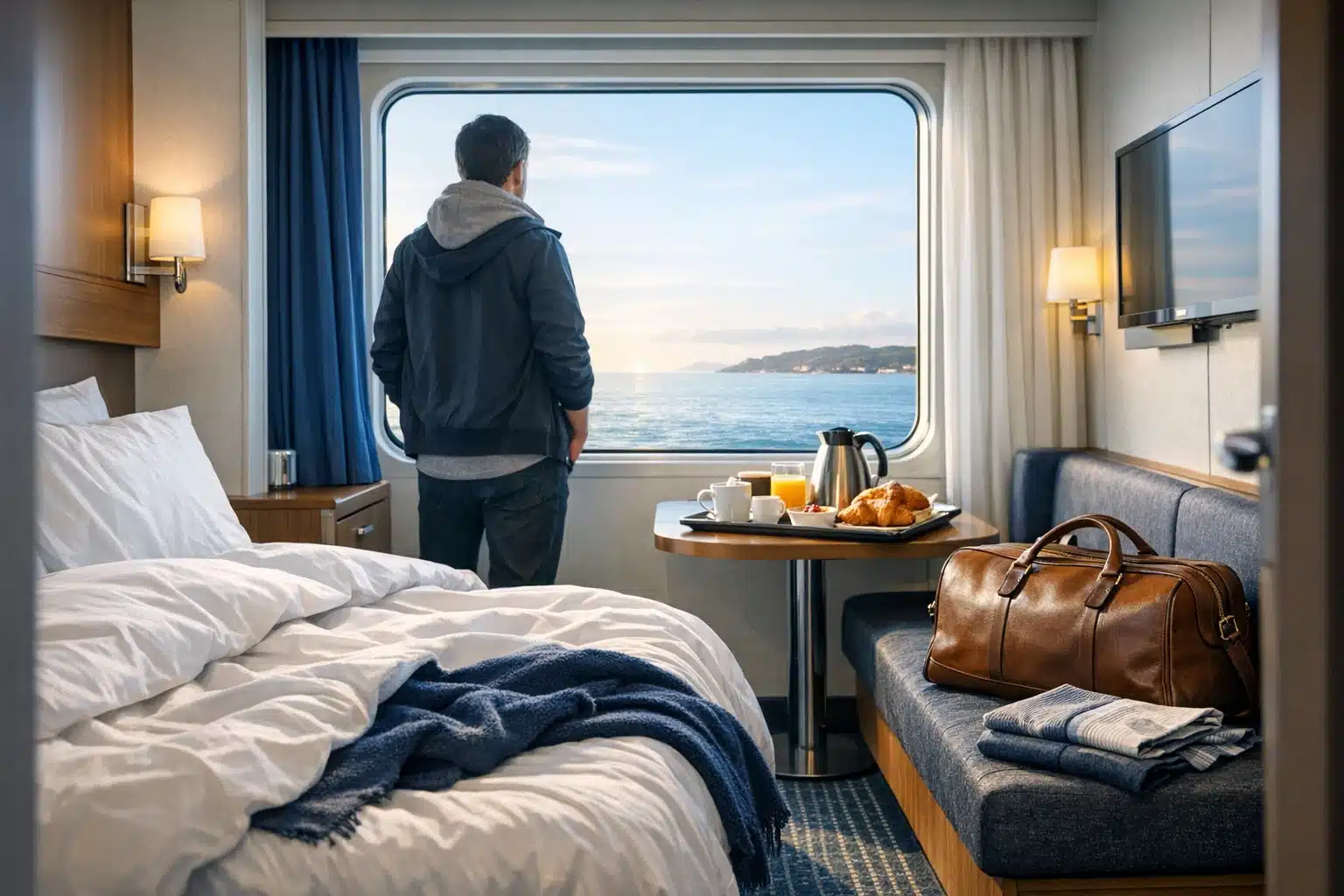
Oceanview cabin: often a useful middle ground, offering daylight without balcony pricing.
-
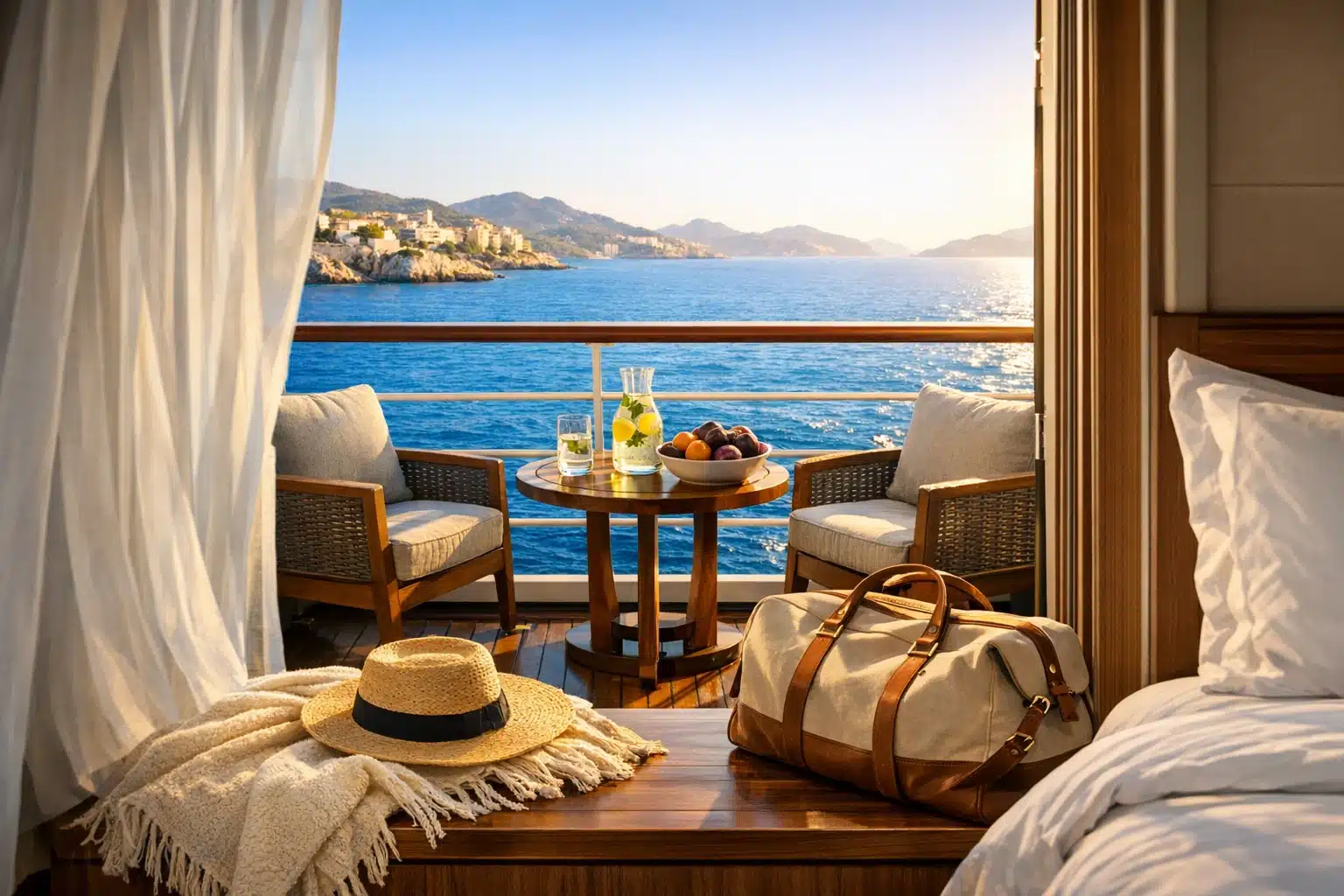
Balcony cabin: ideal if you value private outdoor space, especially on scenic sail-outs and early mornings.
-
Suite or premium grade: best for travelers who prioritize space and extra perks, though the value jump is not always strong on a 3-night trip.
Fare type matters just as much as cabin type. Some fares include more flexibility for changes or extras such as drinks, gratuities, or onboard credit. Others are stripped back. On a short voyage, bundled packages can be either smart or unnecessary. For example, a full drinks package may not be good value if you only drink moderately and spend one day ashore. Paid Wi-Fi can also feel less essential on a 3-night break unless you need to work or stay connected constantly.
Dining options should be checked in advance as well. A ship with one main dining room and a buffet may suit travelers who want simplicity. Others may prefer the choice of specialty restaurants, casual cafés, and flexible meal times. Because the cruise is short, missing out on reservations can feel frustrating; if the line allows pre-booking, it is worth using that system early.
Finally, think about embarkation mood. Some ships are lively from the moment boarding begins, with bars full and music playing by late afternoon. Others warm up more gradually. Reading deck plans, recent passenger reviews, and included-fare details can save you from booking a style that does not match your expectations. On a mini cruise, alignment between ship personality and traveler personality is often the difference between “pleasant enough” and “I would book this again tomorrow.”
Travel Tips Before You Sail: Packing, Budgeting, and Boarding Smoothly
A short cruise can feel effortless when planned well, but rushed when handled casually. Since you only have three nights, every practical decision carries more weight. Packing too much is annoying, yet packing poorly is worse. A mini cruise from Belfast rewards travelers who prepare with precision rather than volume.
Start with transport to the port. If you live within driving distance, compare the cost of port parking with rail, coach, taxi, or a one-night city stay before departure. Parking may be convenient, especially for families or travelers with luggage, but public transport can reduce stress if schedules line up cleanly. If you are coming from farther away, arriving in Belfast the night before is often the wiser move. A short cruise should begin with anticipation, not panic over traffic or delayed connections.
Documents are another area where short-cruise travelers sometimes become too relaxed. Even on a nearby route, check the cruise line’s identification rules carefully. Requirements can differ depending on nationality, route, and whether the itinerary remains within the Common Travel Area or includes other jurisdictions. Do not assume that because the voyage is short, the paperwork is casual.
Your packing list should be compact but strategic:
-
Travel documents, booking confirmation, and any required identification.
-
Prescription medication and a small personal first-aid kit.
-
A light waterproof layer, because Irish Sea weather can turn quickly.
-
One smart-casual evening outfit, plus comfortable daytime clothes and walking shoes.
-
Portable charger, plug adaptors if needed, and a small day bag for the port call.
-
Basic motion-sickness remedies if you are unsure how you handle the sea.
Budgeting is often misunderstood on mini cruises. The headline fare may look low, but total trip cost can shift once you add drinks, specialty dining, parking, excursions, and gratuities. A sensible way to manage this is to separate spending into three categories: fixed costs before departure, likely onboard costs, and optional treats. That approach helps you decide where the real value lies. For some travelers, paying extra for a better cabin is worth more than buying a drinks package. For others, the reverse is true.
Boarding day works best when you treat it as part of the holiday rather than an obstacle. Complete online check-in early, attach luggage tags properly if required, and keep a small carry-on with essentials. You may not get access to checked luggage immediately, so valuables, medication, a charger, and any weather layers should stay with you. Once aboard, do not try to do everything in the first hour. Learn the layout, confirm dinner times, book any shows or restaurants, and then slow down.
One final point matters more than people expect: pace yourself. On a short sailing, it is tempting to squeeze in every meal, every venue, and every late-night event. But exhaustion is a poor travel souvenir. A better strategy is to choose a few highlights in advance and allow the rest to unfold. That way the cruise feels generous, not crowded.
How to Make the Most of a 3-Night Cruise and Whether It Is Right for You
The smartest way to enjoy a 3-night cruise from Belfast is to stop judging it by the standards of a long holiday. This format works best when treated as a short break with a strong sense of occasion. You are there for the sail-away, the easy meals, the fresh air on deck, the novelty of waking near another coastline, and the pleasant rhythm of being looked after for a few days. If that sounds appealing, the experience can be surprisingly satisfying.
To make the most of limited time, choose your priorities early. Some travelers want the classic cruise checklist: a good dinner, a show, a leisurely breakfast, a shore walk, and an hour by the sea with a coffee in hand. Others want energy and variety, filling the schedule with trivia, live music, spa time, cocktails, and shopping on board. Both approaches work, but neither happens by accident on a short sailing. It helps to decide what matters before you board.
A useful strategy is to think in layers:
-
Essential layer: check-in, unpacking, dinner plans, and the key events you do not want to miss.
-
Experience layer: one or two special extras, such as a balcony breakfast, a specialty dinner, or a shore excursion.
-
Flexible layer: the spontaneous moments that often become the best memories, like finding a quiet outer deck at dusk.
If there is a port call you truly care about, decide in advance whether to explore independently or book through the ship. Independent exploration can be cheaper and more flexible, especially in walkable places. A ship excursion can be worth the premium if the destination is spread out, transport links are less direct, or you simply want everything arranged. On a short cruise, convenience often has higher value than usual because time is so limited.
So who is this type of trip best for? It suits first-time cruisers who want a low-risk introduction, couples wanting a quick getaway, groups of friends celebrating without complex planning, and busy workers who cannot spare a full week. It can also suit older travelers who value a no-fly option and families trying cruising before investing in a longer itinerary. Travelers who prefer deep immersion in one destination may find it too brief, but even they may appreciate the ship experience as a change of pace.
For the target audience, the final takeaway is simple. A 3-night cruise from Belfast is not a miniature world tour, and it does not need to be. Its strength lies in convenience, atmosphere, and efficient pleasure: a short stretch of sea air, comfortable routines, and just enough discovery to feel refreshed. If you book the right ship, keep expectations realistic, and plan the practical details well, this kind of sailing can deliver far more value than its length suggests. Sometimes three nights are enough to remind you why travel feels exciting in the first place.