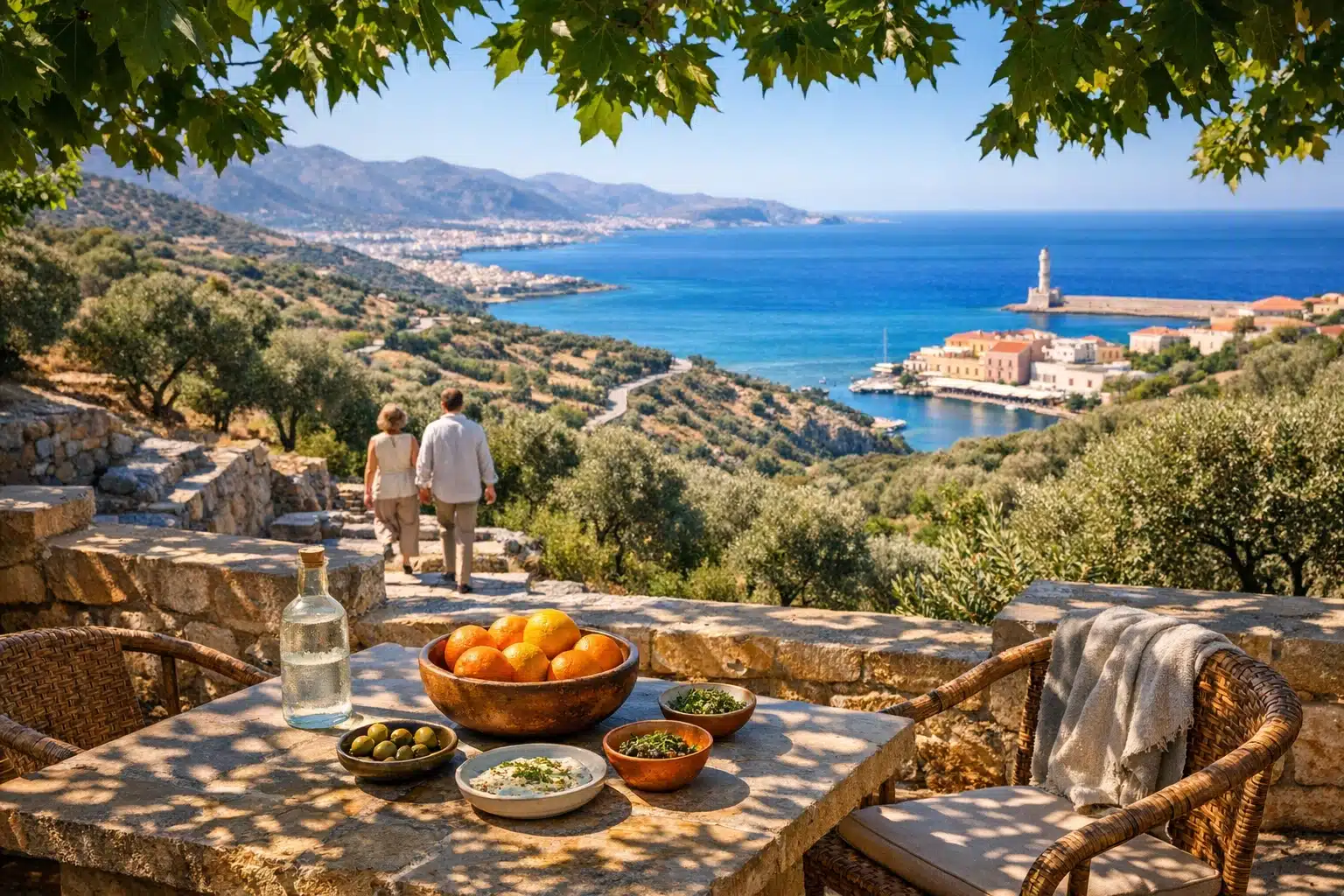
 Artificially generated image
 10-Night All-Inclusive Resort Stay in Crete
A 10-night all-inclusive resort stay in Crete offers something a shorter break rarely can: enough time to settle into island life instead of racing through it. With two major airports, long beaches, mountain villages, and a food culture shaped by sea, olive groves, and history, Crete suits families, couples, and travelers who want structure without feeling boxed in. This guide explains how to choose the right coast, judge what all-inclusive really covers, and use ten nights wisely. Read on if you want a holiday that feels easy on the surface but smartly planned underneath.
Outline and Why a 10-Night Stay in Crete Makes Sense
Before diving into hotel categories, meal plans, and excursion ideas, it helps to understand why ten nights in Crete is such a practical holiday length. Crete is the largest Greek island, and that single fact changes how a resort stay feels. On a map it may look like one destination, yet on the ground it behaves more like several travel styles stitched together. The western side offers postcard beaches and old Venetian towns, the central belt provides strong flight connections and lively resort zones, and the eastern side leans quieter and, in places, more polished. A three- or four-night break often captures only the airport, the pool, and a rushed outing. Ten nights gives the island room to breathe.
This article is structured to help readers move from broad planning to practical choices. Think of it as a holiday blueprint rather than a sales pitch. We begin with location, because in Crete your coastline shapes your entire trip. We then look at what all-inclusive typically includes, where extra charges still appear, and how to separate convenience from marketing language. After that comes the question many travelers quietly worry about: how do you fill ten nights without turning a restful trip into a timetable? Finally, we examine value, seasonality, and which type of traveler gets the most from this format.
The core themes of the guide are simple:
- how to match the right part of Crete to your travel style
- how to evaluate resort packages beyond glossy photos
- how to mix lazy beach hours with worthwhile outings
- how to think about cost in terms of overall value, not only headline price
Ten nights is especially useful for people who dislike the stop-start feeling of short holidays. Day one is usually shaped by flights and transfer times. Day two is often when people begin to unwind. By day five, many travelers finally feel as though they have arrived. On a week-long stay, departure starts to loom just as the body adjusts. A ten-night booking softens that pattern. It leaves enough open space for one or two lazy mornings, at least a couple of excursions, and the small pleasures that actually make resort travel memorable: the same sea view at breakfast, the familiar path to the beach, and the satisfying realization that there is no need to rush anywhere at all.
Choosing the Right Area and Resort Type on the Island
Picking the right resort in Crete is less about star rating alone and more about geography, atmosphere, and who is traveling with you. The island has two main international gateways for most visitors: Heraklion in the center-north and Chania in the west. That matters because transfer time can shape your first and last day more than people expect. A resort near Heraklion may be convenient after a late arrival, while a stay on the far western or eastern side may involve a longer road journey. For some travelers, that extra distance is a fair trade for quieter beaches or a more refined setting. For others, especially families with young children, convenience wins.
The north coast hosts most of the large all-inclusive resorts because it combines infrastructure, beach access, and easier transport. Areas near Hersonissos, Anissaras, Gouves, and Malia tend to offer many family-friendly properties with pools, entertainment programs, and package-holiday ease. Around Rethymno, the appeal often shifts toward a balance of resort comfort and access to a handsome old town. Near Chania, travelers get a more scenic western base and the chance to combine resort time with visits to charming harbor districts and famous beaches. Elounda and nearby Agios Nikolaos, further east, are often associated with upscale stays, calmer surroundings, and couples seeking a quieter rhythm.
The south coast is a different story. It is generally less resort-heavy, more remote, and better suited to travelers who value dramatic landscapes and a slower pace over classic all-inclusive scale. If your dream holiday involves organized kids’ clubs, multiple buffet stations, and evening entertainment every night, the north will usually fit better. If you want seclusion and do not mind fewer facilities, the south may appeal more.
When comparing resort types, think in layers:
- family resorts often emphasize water features, activity teams, and flexible dining hours
- adult-focused hotels usually prioritize calm pool areas, spa spaces, and quieter evenings
- luxury properties may include better beach service, larger rooms, and more thoughtful food presentation
- mid-range resorts can deliver excellent value when location and maintenance are stronger than branding
A good match is not always the fanciest option. A well-run four-star resort in the right area can be more satisfying than an expensive property that leaves you isolated from the places you hoped to see. Crete rewards specificity. Choose the coast first, the mood second, and the hotel third.
What All-Inclusive Usually Covers and Where Extra Costs Still Appear
The phrase all-inclusive sounds absolute, but in practice it is a tiered concept. In Crete, most all-inclusive resorts include breakfast, lunch, dinner, local alcoholic and non-alcoholic drinks, snacks between main meals, use of pools, loungers in common areas, and some form of daytime or evening entertainment. That basic model suits travelers who want predictable daily spending. Families often value it because it removes the constant arithmetic of snacks, ice creams, soft drinks, and casual meals. Couples may appreciate a different kind of ease: fewer decisions and more uninterrupted time.
Still, the details matter. Two resorts can use the same label while offering very different experiences. One property might provide fresh salads, grilled fish, decent coffee, and themed dinners that genuinely reflect local cooking. Another may technically include the same meal count but deliver repetitive buffets and drinks that feel designed to meet a minimum standard. Reading package descriptions carefully is essential. Watch for wording such as selected local drinks, reservation required, once per stay, or extra charge for premium items. Those short phrases often define the real value of the booking.
Common extras in Cretan resorts include:
- imported spirits and branded alcoholic drinks
- espresso-based coffee outside main meal service
- spa treatments, wellness circuits, and beauty appointments
- motorized water sports and certain beach services
- room service, minibar restocking, or upgraded dining venues
- local accommodation or climate-related taxes payable at check-in, depending on the property
It is also worth comparing all-inclusive with half-board. If you plan to spend many days exploring tavernas in towns like Chania, Rethymno, or Agios Nikolaos, a half-board stay can offer more freedom and reduce food waste. On the other hand, if your resort is more isolated or you are traveling with children who snack at unpredictable hours, all-inclusive may be better value overall even if the initial price is higher.
One of the smartest ways to judge a package is to imagine a normal day. Would you want breakfast at the hotel, a beach snack, cold drinks in the afternoon, and dinner on site? If the answer is yes, all-inclusive can feel seamless. If you already know you will leave the hotel most days and prefer small local restaurants, then the package may buy convenience you will barely use. Crete offers strong versions of both styles. The right choice depends less on the brochure and more on your actual habits once the suitcase is unpacked.
How to Use Ten Nights Well Without Overloading the Itinerary
A ten-night resort stay works best when it mixes stillness with selective movement. Crete is too interesting to ignore completely, yet too large to conquer in one neat sweep. The sweet spot is not a day-by-day military plan. It is a loose rhythm that leaves room for sea swims, long lunches, and the occasional detour. Think in thirds: one part pure rest, one part local discovery, and one part flexible time that can become either. That final category matters more than it sounds, because weather, mood, and energy levels change. The island will still be there if you skip an excursion in favor of an extra hour under a parasol.
A sensible ten-night pattern might include three or four mostly resort-based days, two or three half-day outings, and one or two bigger trips. If you stay near Heraklion, Knossos and the Archaeological Museum make a natural cultural pair. If your base is farther west, Chania’s harbor, old lanes, and food scene can easily fill a rewarding day. Rethymno offers a gentler version of town exploration, compact enough to enjoy without stress. From eastern resorts, boat trips or visits around Mirabello Bay may feel more realistic than a very long cross-island drive.
Nature lovers often look at famous spots such as Balos, Elafonissi, or Samaria Gorge. These places are memorable, but they are not equally suitable for every traveler. Distances can be longer than expected, roads may be winding, and summer heat can turn a beautiful idea into a tiring one. A family with small children may get more joy from a shorter boat trip and a calm beach day than from chasing an iconic photo stop. Couples with strong walking stamina might feel the opposite. There is no universal formula.
A balanced schedule often includes:
- one arrival day with no expectations beyond dinner and sleep
- several pool or beach days left deliberately open
- one heritage-focused outing for history and city atmosphere
- one scenic excursion for coastline, village life, or a boat experience
- one final full day kept light so departure does not feel abrupt
The creative pleasure of Crete lies in contrast. One morning you are hearing cutlery and soft resort music beside a breakfast terrace. The next afternoon you are in a stone village square with shade from plane trees and the smell of grilled vegetables drifting from a taverna. Ten nights gives you enough time for both worlds. That is the real luxury: not constant activity, but the freedom to choose it only when it genuinely adds something.
Budget, Seasonality, and Who Gets the Most Value From This Kind of Holiday
A 10-night all-inclusive stay in Crete can represent strong value, but only when price is weighed against timing, room category, and the kind of trip you actually want. Peak summer, especially July and August, usually brings the highest rates because of school holidays, stronger demand, and hotter weather. May, June, September, and early October often appeal to travelers who want warm conditions with a less intense atmosphere. The sea tends to be especially inviting later in summer, while spring can offer greener landscapes and a quieter overall tone. For many visitors, shoulder season is where value and comfort meet most neatly.
Families often benefit from all-inclusive pricing because children generate many small daily costs that add up quickly outside a package. Multiple drinks, desserts, poolside snacks, and casual lunches can turn a cheaper room-only booking into a more expensive holiday by the end of the week. Couples, however, may need to calculate more carefully. If they plan romantic dinners in town, winery visits, or long excursions away from the resort, they may use less of what they pay for on site. The cheapest headline rate is not always the wisest choice, and the most inclusive package is not automatically the best fit.
Look beyond the room price and examine the full travel picture:
- flight schedules and baggage rules
- airport transfer length and whether private transfer is worth the upgrade
- family room size versus standard room savings
- beach quality near the hotel, not only pool photography
- meal quality and guest reviews that mention freshness, variety, and service pace
- fees paid locally, including taxes or optional upgrades
This format suits several audiences particularly well. It works for parents who want a low-friction break, couples who like comfort with occasional outings, and busy professionals who need recovery time rather than a hyperactive itinerary. It can also suit first-time visitors to Greece who want a straightforward base before deciding whether a future trip should be more independent. Travelers least likely to love it are those who prefer moving between towns every two days, eating every meal outside the hotel, or treating the island as a road-trip destination.
Viewed sensibly, a resort stay in Crete is not about hiding from the island. It is about using one stable base to enjoy it at a manageable pace. If you book the right region, understand the real inclusions, and leave room for both stillness and discovery, the value becomes clearer. You are not simply buying meals and a sunbed. You are buying time that feels less fragmented, which is often what people wanted all along.
Conclusion for Families, Couples, and Travelers Who Want a Relaxed Greek Escape
A 10-night all-inclusive resort stay in Crete makes the most sense for travelers who want ease without giving up the character of the destination. The island is big enough to reward thoughtful planning, yet relaxed enough to let you enjoy slow mornings, easy meals, and a handful of memorable outings from one comfortable base. If you choose your region carefully, read the package details with a critical eye, and resist the urge to turn every day into a checklist, Crete can deliver a holiday that feels both practical and genuinely restorative. For readers deciding whether ten nights is too long, the better question may be the opposite: on an island with this much variety, why leave just when the rhythm starts to feel right?